

Paper
Paul Salem
Five months after the end of the war, Lebanon, Israel and the region are still feeling its aftereffects. In Lebanon, the claims of victory were mixed with a sober assessment of the massive socioeconomic losses, and the popular unity during the war was followed by deep division and rising tensions.
Five months after the end of the war, Lebanon, Israel, and the region are still feeling its aftereffects. In Lebanon, the claims of victory were mixed with a sober assessment of the massive socioeconomic losses, and the popular unity during the war was followed by deep division and rising tensions. In Israel, the sense of failure was confirmed with official investigations into the handling of the war, resignations, and political infighting. In the region, popular support for Hizbollah during the war was followed by a more mixed response to its role in the protests that began in December. Syria and Iran also had a mixed response to the war, finding both benefit and loss in its outcome. The U.S. administration also had a mixed reading of the war, feeling that some of its interests had been served and others had been frustrated. Five months after the end of the war, the players are still assessing its effects.
Click on PDF icon above to read the full chapter from a forthcoming book by the Center for Arab Unity Studies.
Senior Fellow at the Middle East Institute
Paul Salem is a senior fellow at the Middle East Institute.
Recent Work
Paul Salem
Paul Salem
Carnegie does not take institutional positions on public policy issues; the views represented herein are those of the author(s) and do not necessarily reflect the views of Carnegie, its staff, or its trustees.
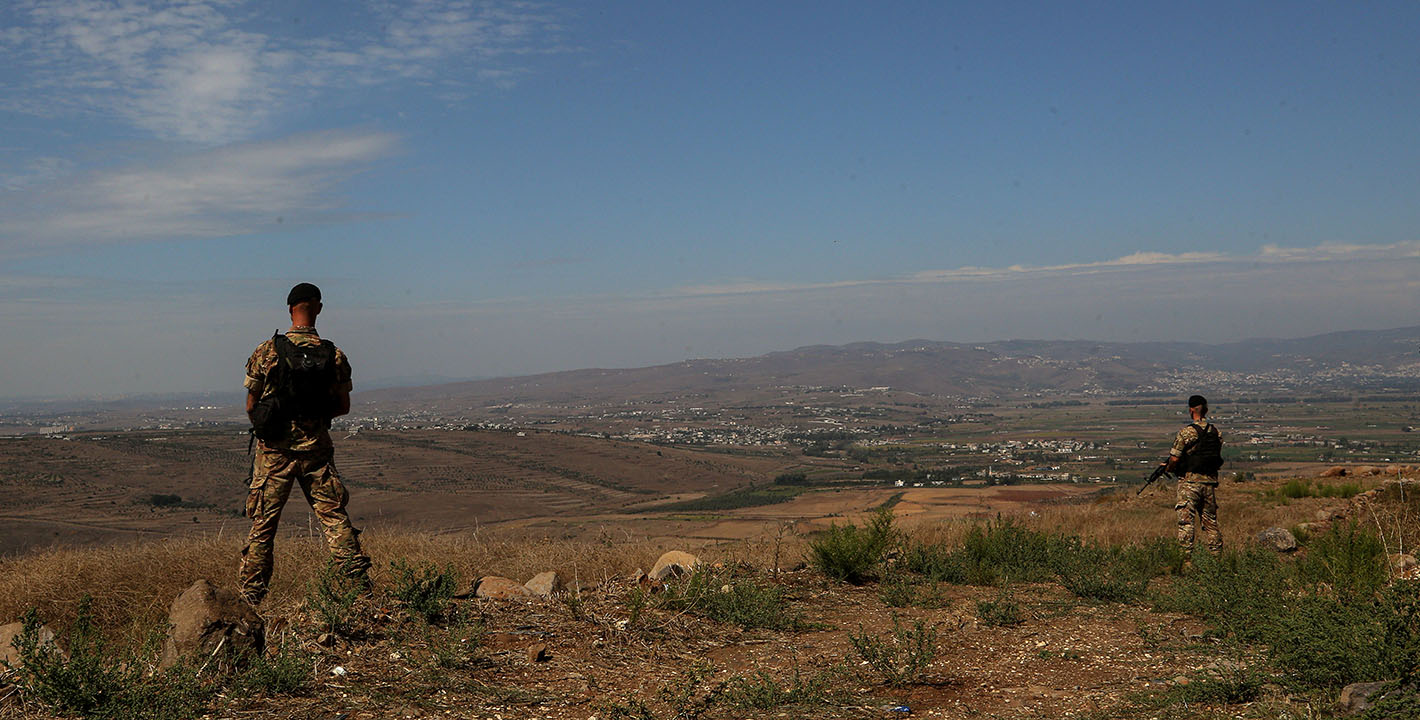
The Lebanese authorities’ clampdown on illicit cross-border activity threatens to leave inhabitants of the historically neglected village, and the wider Akkar region, in an economically precarious position.

Mohanad Hage Ali
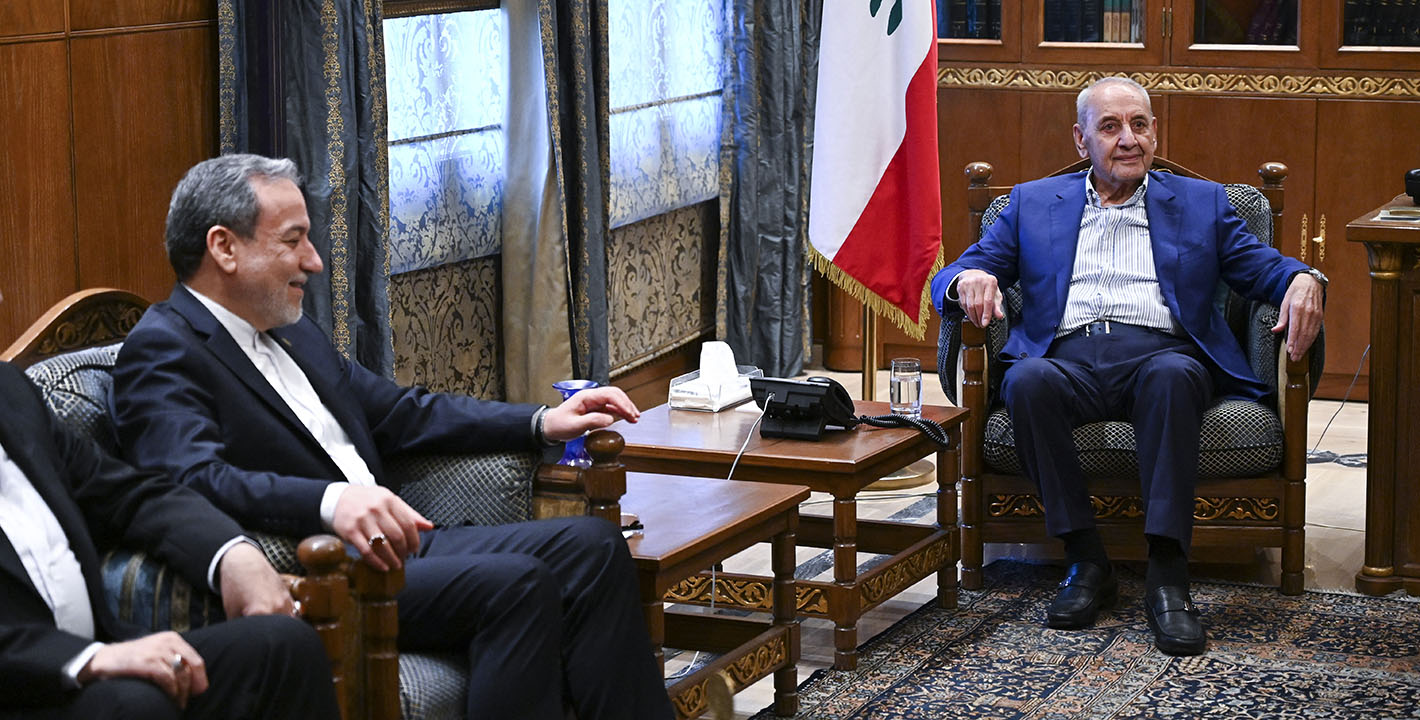
A prerequisite of serious talks is that the country’s leadership consolidates majority national support for such a process.

Michael Young
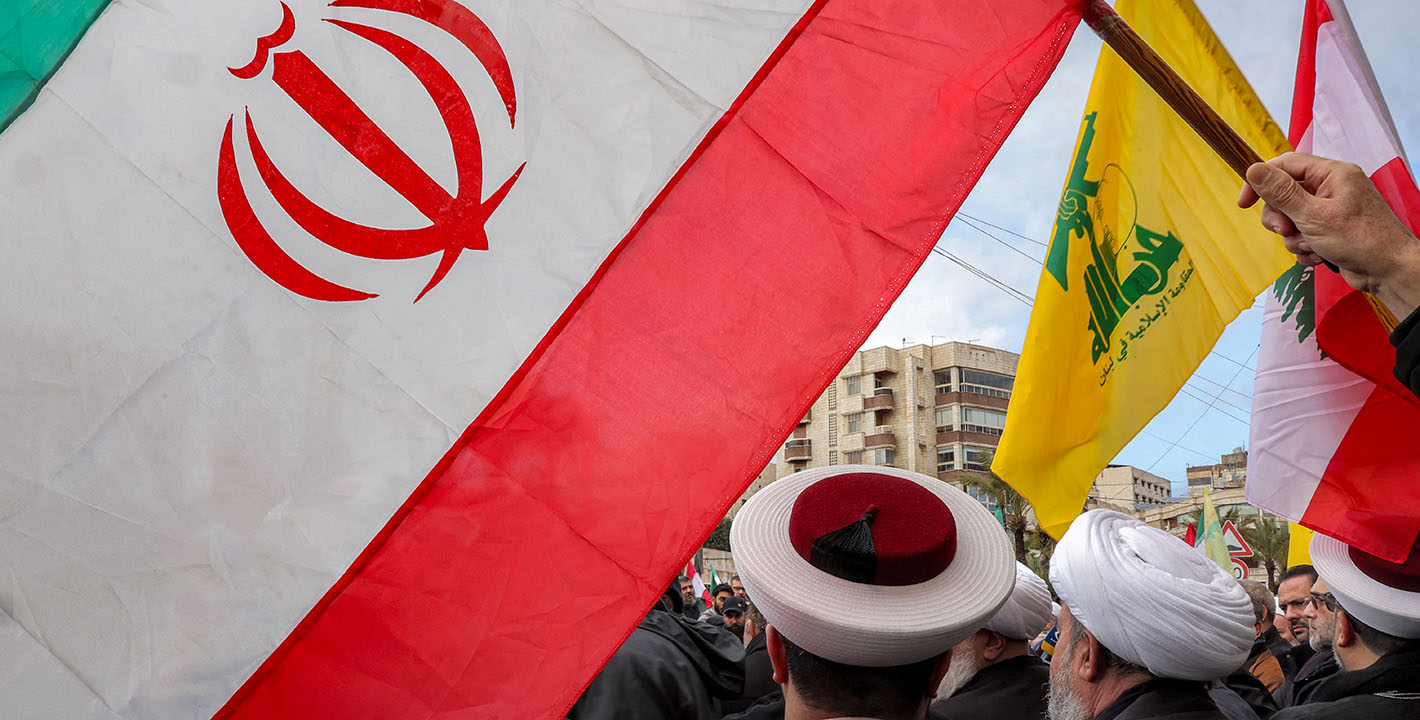
The community seeks maintain a distance from Hezbollah, and an even greater one from normalization with their southern neighbor.
Mohamad Fawaz
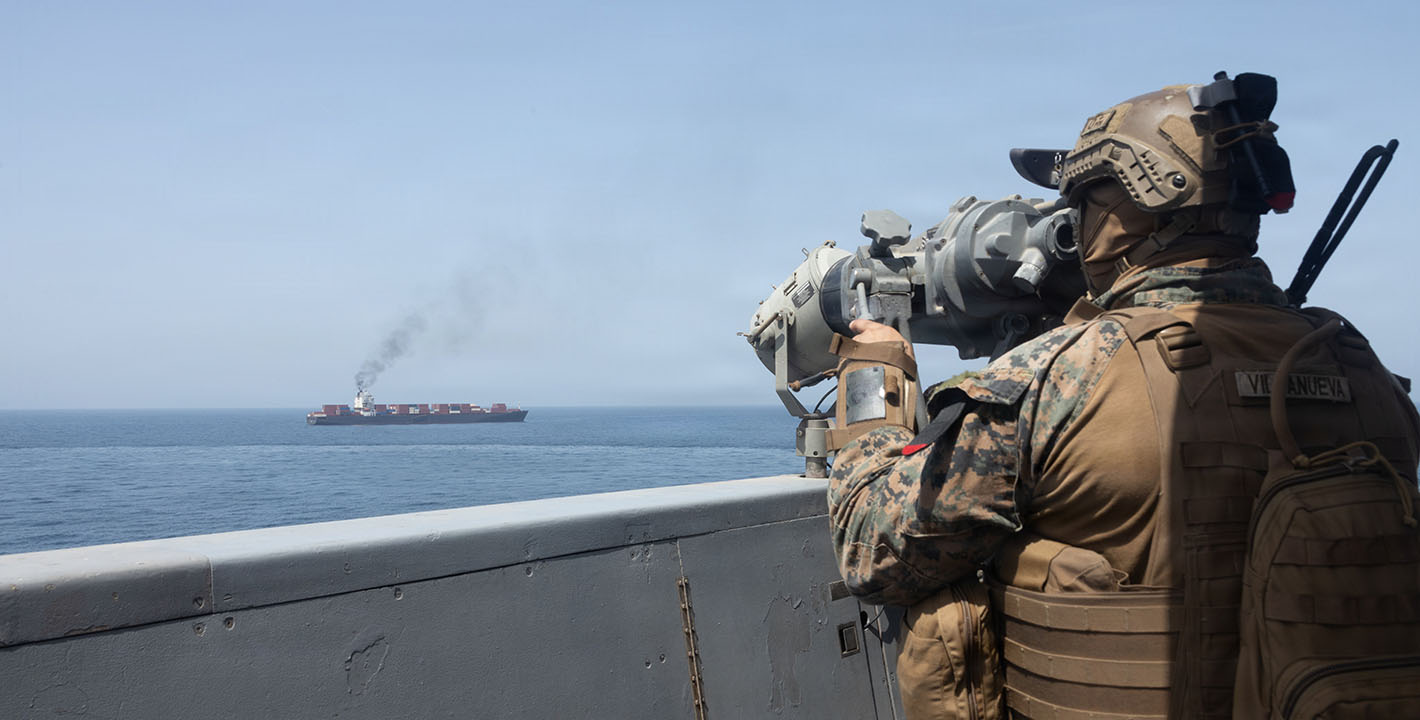
In an interview, Jim Lamson discusses the ongoing regional conflict and sees an unclear picture when it comes to winners and losers.
Michael Young
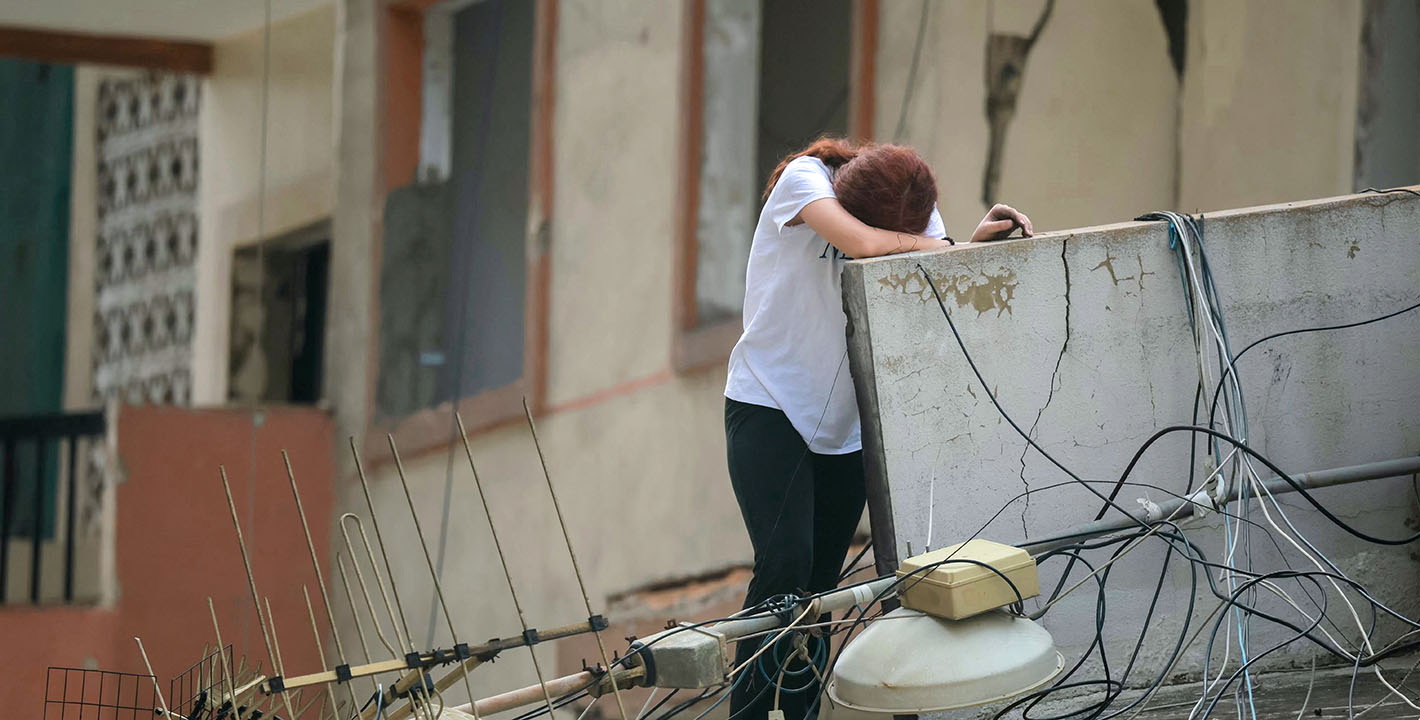
Unless Beirut lowers expectations, any setbacks will end up bolstering Hezbollah’s narrative.
Mohanad Hage Ali