

In The Media
Martha Brill Olcott

REQUIRED IMAGE
Sufism—a mystical form of Islam that has flourished in the Muslim world for centuries—has enjoyed a strong revival in Central Asia. In this Carnegie Paper, Martha Brill Olcott explores Sufism’s potential to become a political movement in Central Asia by analyzing the movement’s history and current leaders in Central Asia, particularly Uzbekistan.
Source: Carnegie Endowment
Sufism—a mystical form of Islam that has flourished in the Muslim world for centuries—has enjoyed a strong revival in Central Asia. In this Carnegie Paper, Sufism in Central Asia: A Force for Moderation or a Cause of Politicization?, Martha Brill Olcott explores Sufism’s potential to become a political movement in Central Asia by analyzing the movement’s history and current leaders in Central Asia, particularly Uzbekistan.
The future role Sufism will play in Central Asia is dependent on both secular and religious circumstances. Olcott contends that political leaders will require a political subtlety that has been lacking in recent decades in order to construct a reasonable balance between Sufis and fundamentalists.
Olcott also argues that while Sufism currently poses little threat to the secular ideology of Central Asian states, there is potential for a dangerous backlash if governments openly try to use Sufi ideology as a way to gain support.
This is the third paper in an ongoing project for a forthcoming book on Islam in Central Asia.
Click on icon above for the full text of this Carnegie Paper.
About the Author
Martha Brill Olcott is a senior associate in the Russian and Eurasian Program at the Carnegie Endowment, directs the Central Asian Voices website, and co-directs the Carnegie Moscow Center Project on Religion, Society, and Security in the former Soviet Union. She specializes in Central Asia and the Caucasus and is the author of Central Asia’s Second Chance (Carnegie, 2005).
A limited number of print copies of this Carnegie Paper are available.
Request a copy
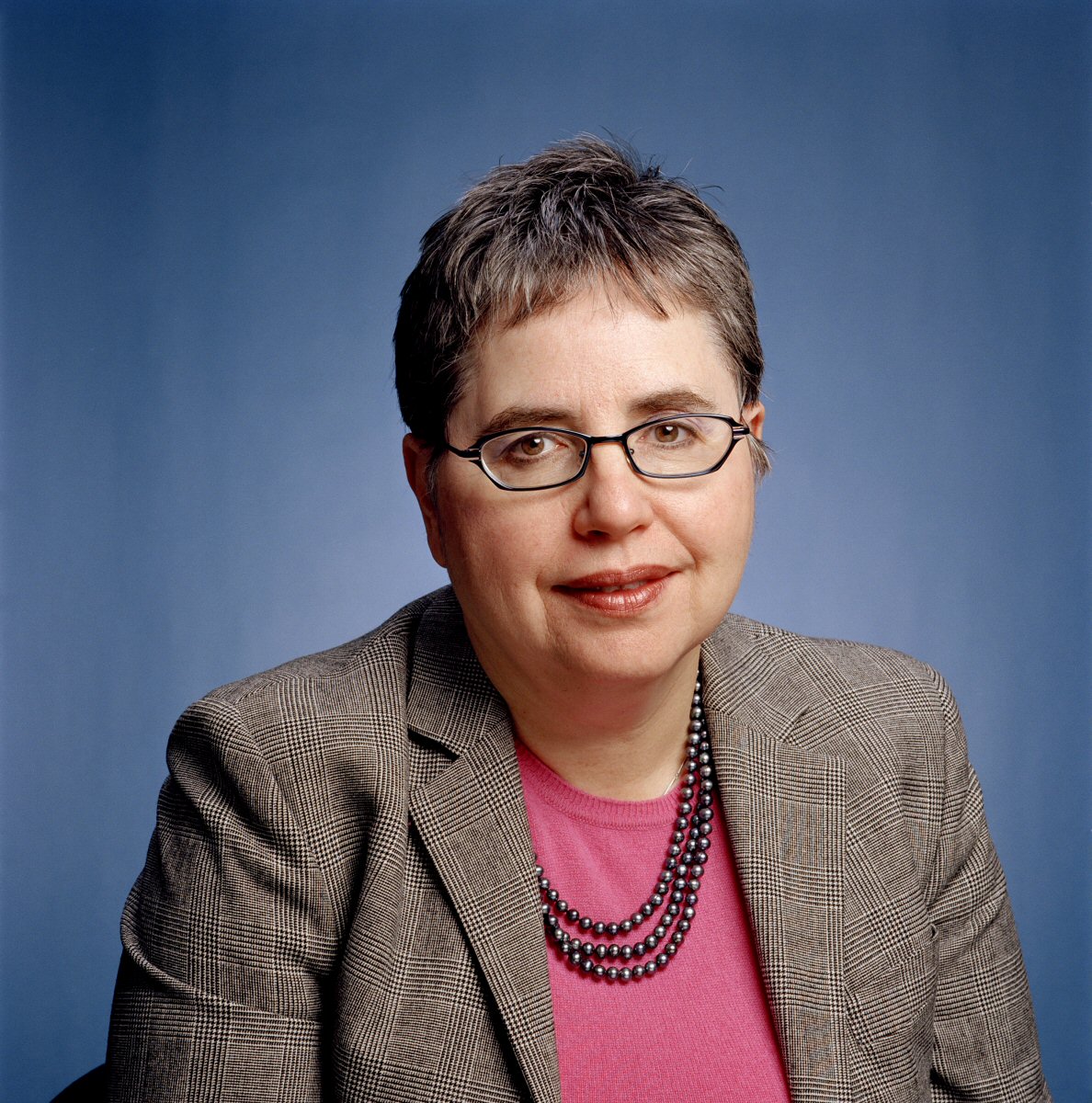
Former Senior Associate, Russia and Eurasia Program and, Co-director, al-Farabi Carnegie Program on Central Asia
Olcott is professor emerita at Colgate University, having taught political science there from 1974 to 2002. Prior to her work at the endowment, Olcott served as a special consultant to former secretary of state Lawrence Eagleburger.
Recent Work
Martha Brill Olcott
Martha Brill Olcott
Carnegie does not take institutional positions on public policy issues; the views represented herein are those of the author(s) and do not necessarily reflect the views of Carnegie, its staff, or its trustees.

Just look at Iraq in 1991.

Marwan Muasher

Baku may allow radical nationalists to publicly discuss “reunification” with Azeri Iranians, but the president and key officials prefer not to comment publicly on the protests in Iran.

Bashir Kitachaev
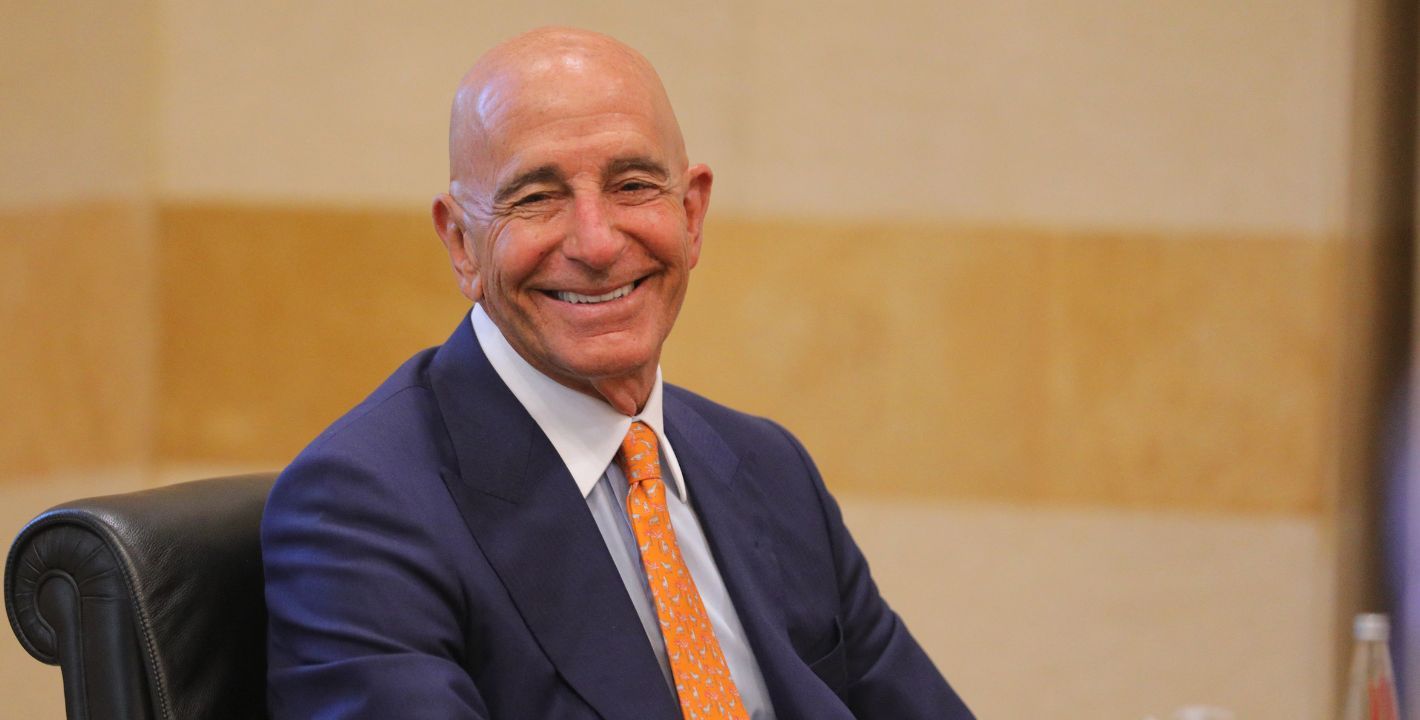
In addressing Hezbollah’s disarmament, the Lebanese state must start by increasing its own leverage.

Michael Young
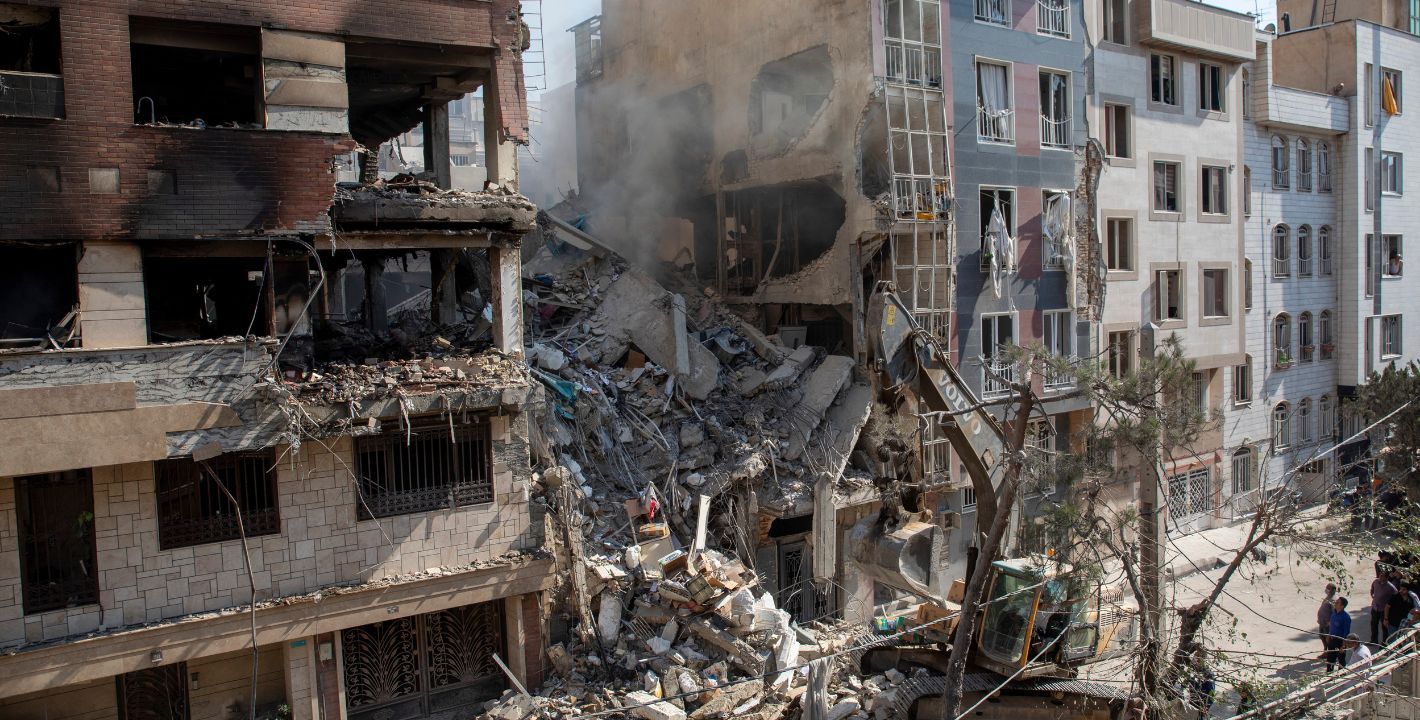
The country’s political and military establishment is still debating how to interpret the recent war’s outcome.
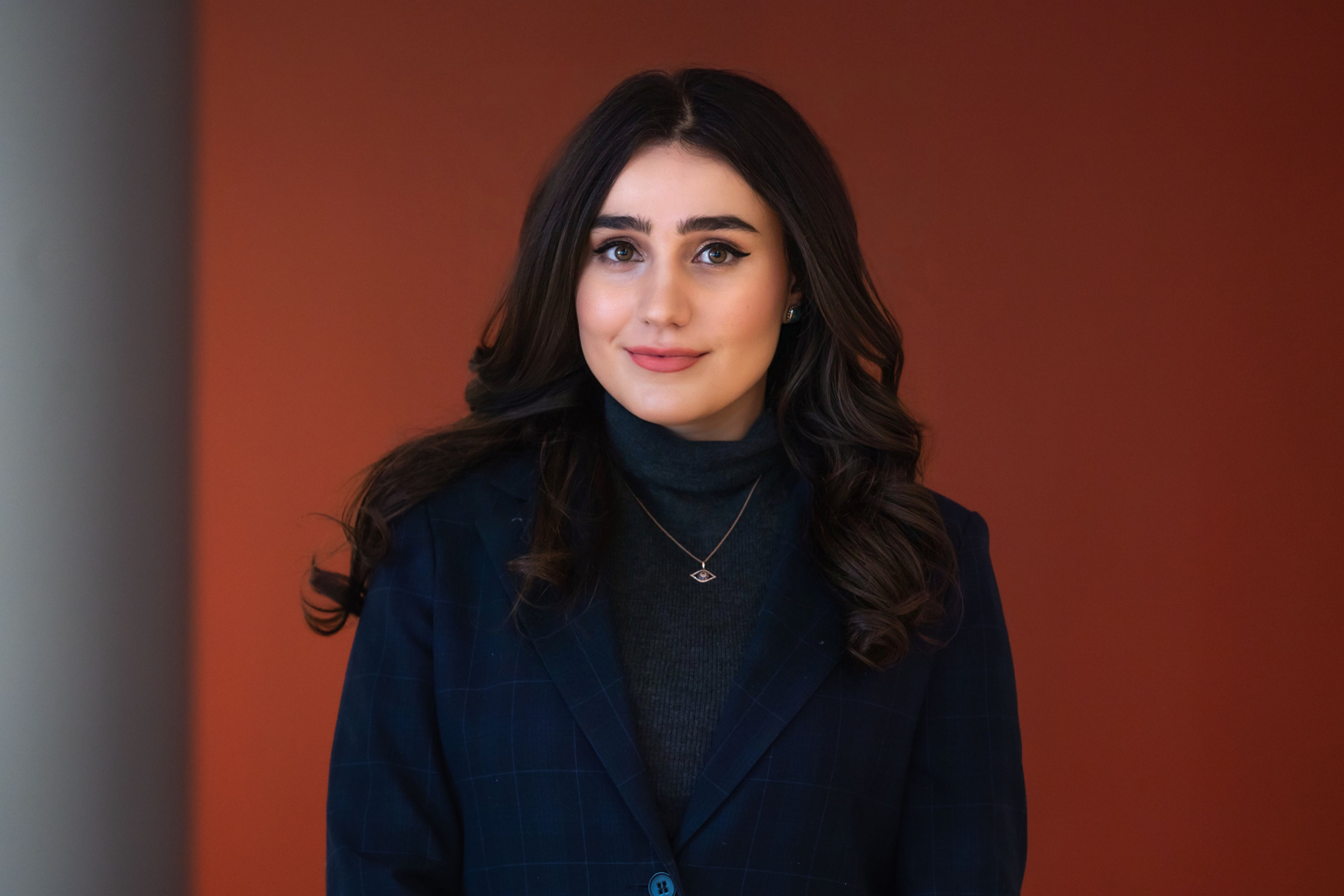
Nicole Grajewski
Spot analysis from Carnegie scholars on events relating to the Middle East and North Africa.

Mohanad Hage Ali