

Commentary
Amr Hamzawy
Source: Getty
The common idea that every regional contest is succinctly played out in Lebanon is false. The Middle East is not a struggle between two invincible powers. It is rather a scene in which a troubled superpower and a hobbled regional power try to find their bearings in passageways cluttered with various Arab and non-Arab agendas.
The common idea that every regional contest is succinctly played out in Lebanon is false, writes Amr Hamzawy*
"Is it safe to go to Lebanon in the next few days?" an American colleague at the Carnegie Endowment asked me. I didn't know what to tell him. For one thing, I'm not a specialist in Lebanese affairs. Also, I hate to speculate on a situation that remains, in my view, too fluid. Still, as I started to pay more attention to Lebanon, going over dozens of reports and commentaries, I formulated some thoughts on the matter:
First, some Arab commentators have developed a maddening tendency to connect everything that happens in the region with developments in Lebanon and call it the "big picture". They rehash the Iranian-U.S. crisis, proposed UN sanctions on Iran, and the Israeli offensive in Gaza, throw in a few words about the failure of dialogue among the Lebanese and the frustrated efforts of the Arab League in narrowing the differences, then tie all of the above with heightened Saudi-Syrian tensions, the assassination of Imad Mughniyah, and the deployment of USS Cole. The result is not a "big picture", but a bundle of muddled up interpretations.
Second, I know how tempting it is to explain everything that happens in Lebanon by way of the U.S.-Iranian standoff. But we must not downplay the autonomous inclinations of the Lebanese opposition and majority. And we cannot discount the independent thinking of such countries as Saudi Arabia and Syria. The picture one gets from reading current commentaries suggests that everyone is somewhat waiting for inspiration from Washington or Tehran. Granted, there is coordination between the U.S., the Lebanese majority and Saudi Arabia over Lebanon. But one cannot assume that everything is happening just because the Americans want it so, or that Washington can dictate a specific course of action on its allies. Actually, regional players have their own agendas and are willing to pursue an independent course of action if need be. The Lebanese majority, also known as the 14 March movement, is mainly interested in having US backing against Syria. And Saudi Arabia has concerns in Lebanon and the region that do not exactly tally with those of the Americans.
The same thing goes for the Iranian-Syrian-Hizbullah connection. Iran has benefited much from its relations with Damascus. The latter helped Tehran emerge from its regional isolation in the 1980s and allowed it to develop ideological, military, and organisational links with Hizbullah. The Syrians, however, have their own agenda both in the Gulf and Lebanon. Hizbullah, for its part, relies a lot on Tehran and Damascus, but its involvement in local politics affords it a considerable degree of independence. Hizbullah emerged from its confrontation with Israel as a sovereign institution within a weak state. The situation in Lebanon is therefore one in which alliances are formed without any of the players sacrificing totally their independence.
Third, the excessive focus by analysts on the US-Iranian conflict is perhaps due to their failure to see the constraints of both Washington and Tehran. It was the adventurism of the Bush administration that prompted it to rely heavily on military force to advance its Middle East agenda, but that approach has backfired. Now Washington is not in a position to control the course of events in the region. More often than not, Washington reacts to Iranian policies rather than takes the initiative. Furthermore, US Arab allies are thinking twice before listening to the Americans. In short, the US may have immense military presence in the Middle East, but not enough leverage to impose the future course of action in Iraq, the Gulf, Lebanon and Palestine.
Tehran has benefited from Bush's adventurism and it is now hoping to forge a network of alliances with Arab partners that would boost its stature. But let's not forget that Iran is almost as internationally isolated as it was in 1979. Iran's nuclear programme is causing much concern abroad, and not just to the Americans. And it is likely that the new US administration (certainly if McCain comes to office) would try to stop Iran in its tracks. Also, many of Iran's neighbours have their own reasons to keep it at arm's length.
What we have in the Middle East is not a struggle between two invincible powers. It is rather a scene in which a troubled superpower and a hobbled regional power try to find their bearings in passageways cluttered with various Arab and non-Arab agendas.

Director, Middle East Program
Amr Hamzawy is a senior fellow and the director of the Carnegie Middle East Program. His research and writings focus on Egypt’s and other middle powers’ involvement in regional security in the Middle East, particularly through collective diplomacy and multilateral conflict resolution
Recent Work
Amr Hamzawy
Amr Hamzawy, Kathryn Selfe
Carnegie does not take institutional positions on public policy issues; the views represented herein are those of the author(s) and do not necessarily reflect the views of Carnegie, its staff, or its trustees.

The accord represents a pivotal moment in the region to avert a security vacuum in the Gulf.


Azeema Cheema, Mohanad Hage Ali

In an interview, Jason Burke discusses his sweeping account of the “revolutionists” who so shaped the 1970s and early 1980s.

Michael Young
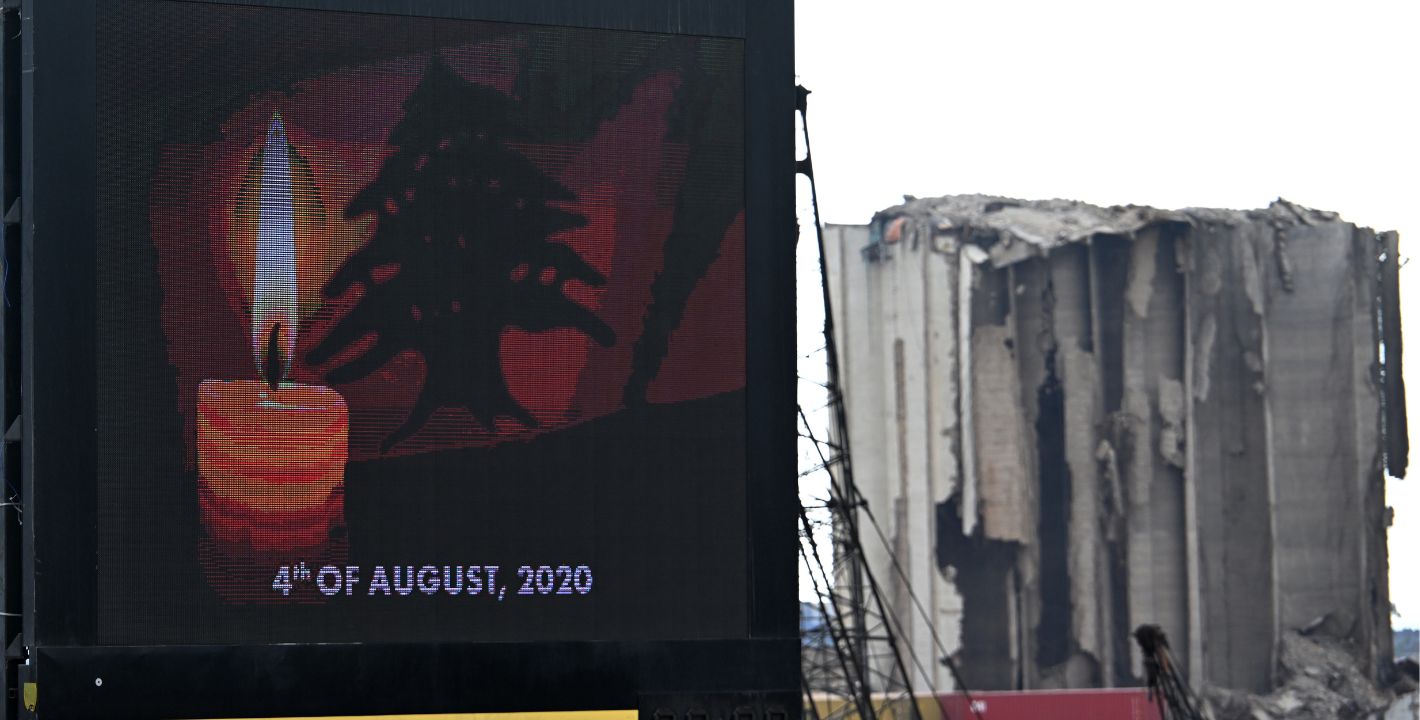
Lying at the heart of Lebanon’s dysfunction is an inability to secure accountability and institutional legitimacy.

Maha Yahya
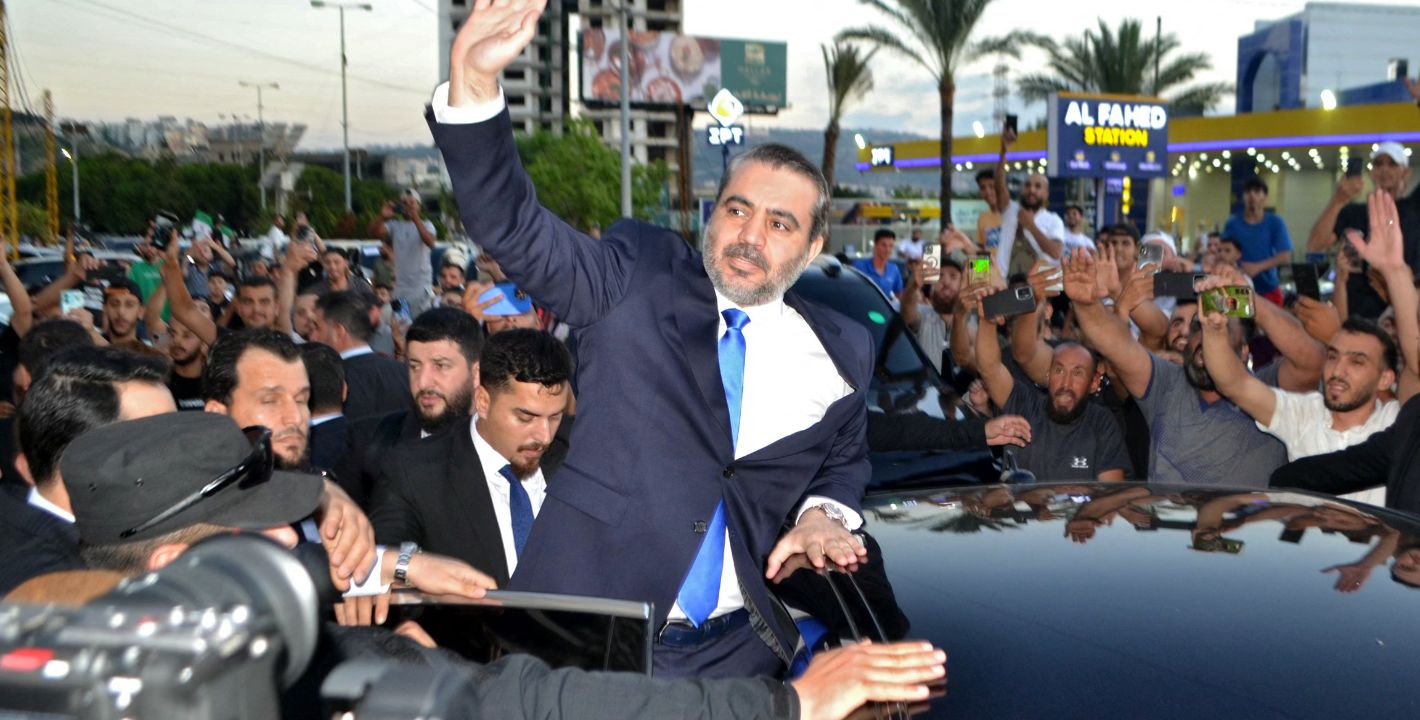
In an interview, Sohaib Jawhar analyzes the profound changes in the ties between the neighboring countries.
Michael Young

By failing to address Palestinian representation, the current process is bound to lead to just another temporary arrangement.

Nathan J. Brown