

Commentary
In an interview, Sergei Melkonian discusses Armenia’s and Azerbaijan’s careful balancing act among the United States, Israel, and Iran.
Armenak Tokmajyan

REQUIRED IMAGE
The collapse of the Soviet Union resulted not only in new borders for Russia, but left millions of ethnic Russians in former Soviet republics. For these people, the Russian language remains a defining influence in their lives, even where local nationalist agendas seek to downplay and underestimate its prevalence.
The collapse of the Soviet Union resulted not only in new borders for Russia, but left millions of ethnic Russians in former Soviet republics. For these people, the Russian language remains a defining influence in their lives, even where local nationalist agendas seek to downplay and underestimate its prevalence. Many remain members of the “Russian world”—preserving ties of culture and identity with Russia, hold Russian citizenship, and consider themselves Russian, even if they live outside Russia’s boundaries.
Valery Tishkov
Carnegie does not take institutional positions on public policy issues; the views represented herein are those of the author(s) and do not necessarily reflect the views of Carnegie, its staff, or its trustees.
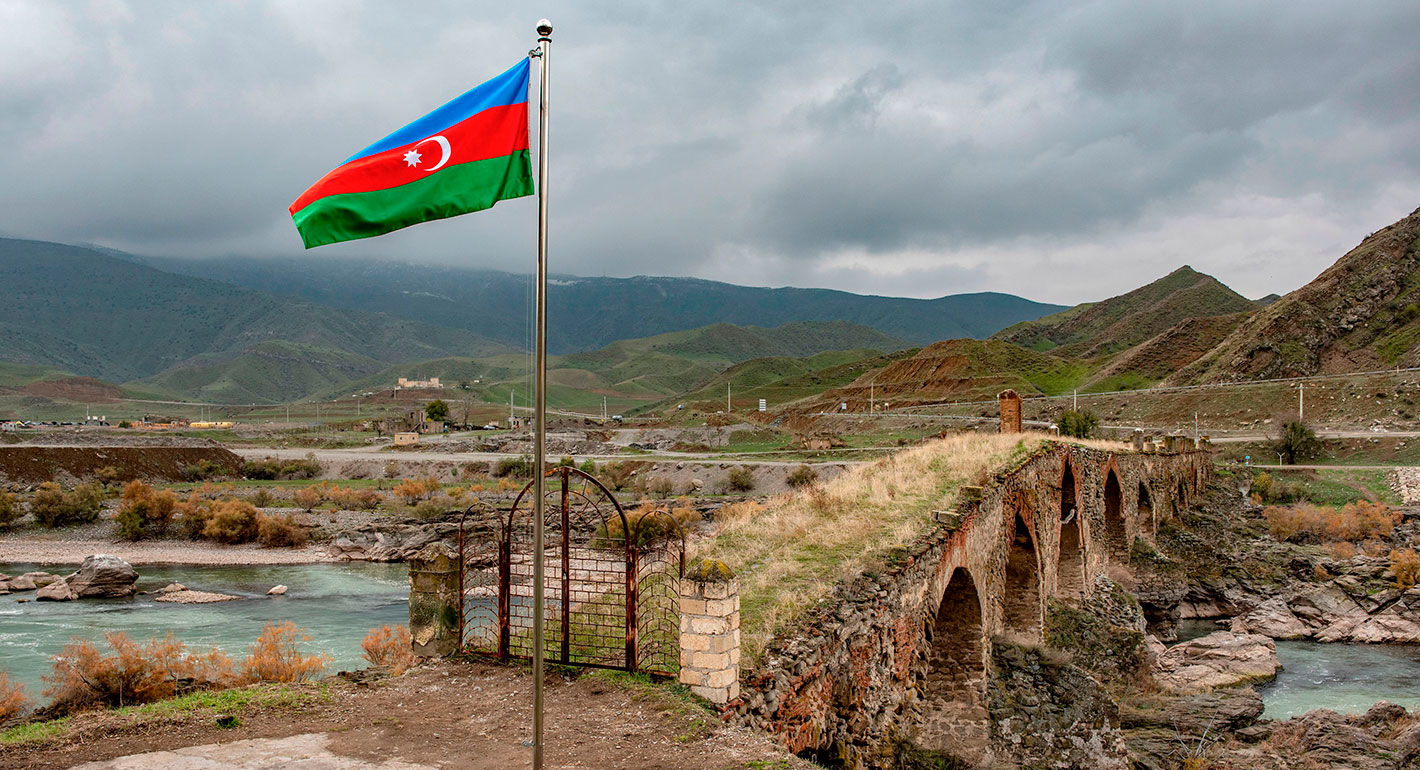
In an interview, Sergei Melkonian discusses Armenia’s and Azerbaijan’s careful balancing act among the United States, Israel, and Iran.

Armenak Tokmajyan
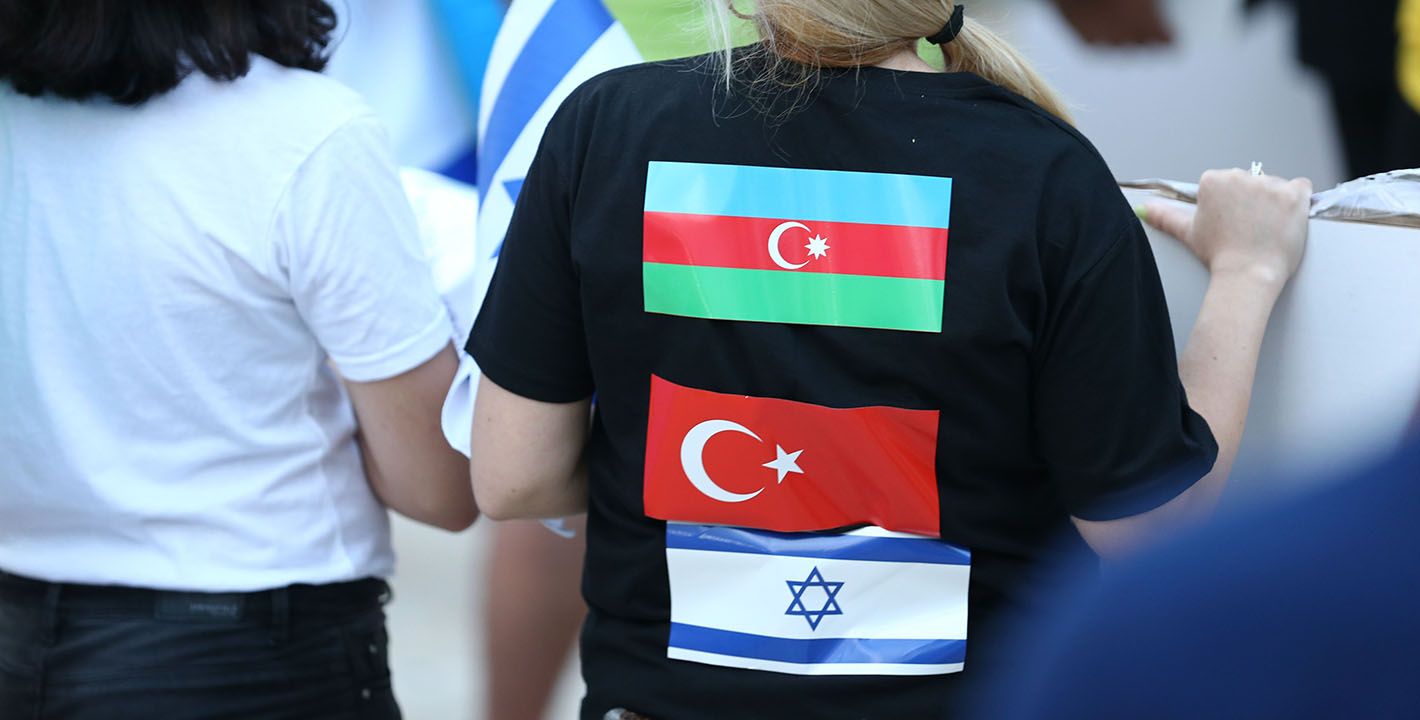
The country’s leadership is increasingly uneasy about multiple challenges from the Levant to the South Caucasus.
Armenak Tokmajyan
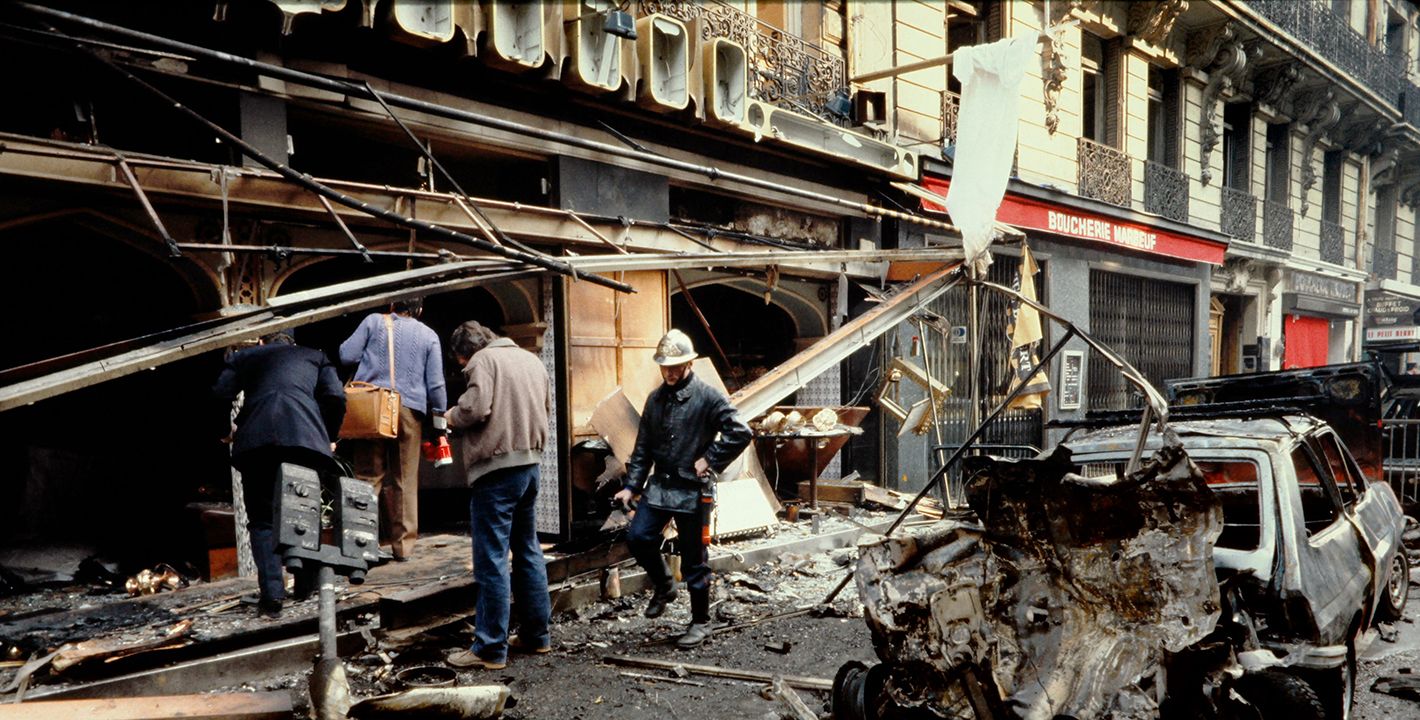
In an interview, Daniela Richterova speaks about her book on Czechoslovakia’s Cold War ties to Palestinian groups and others.

Michael Young
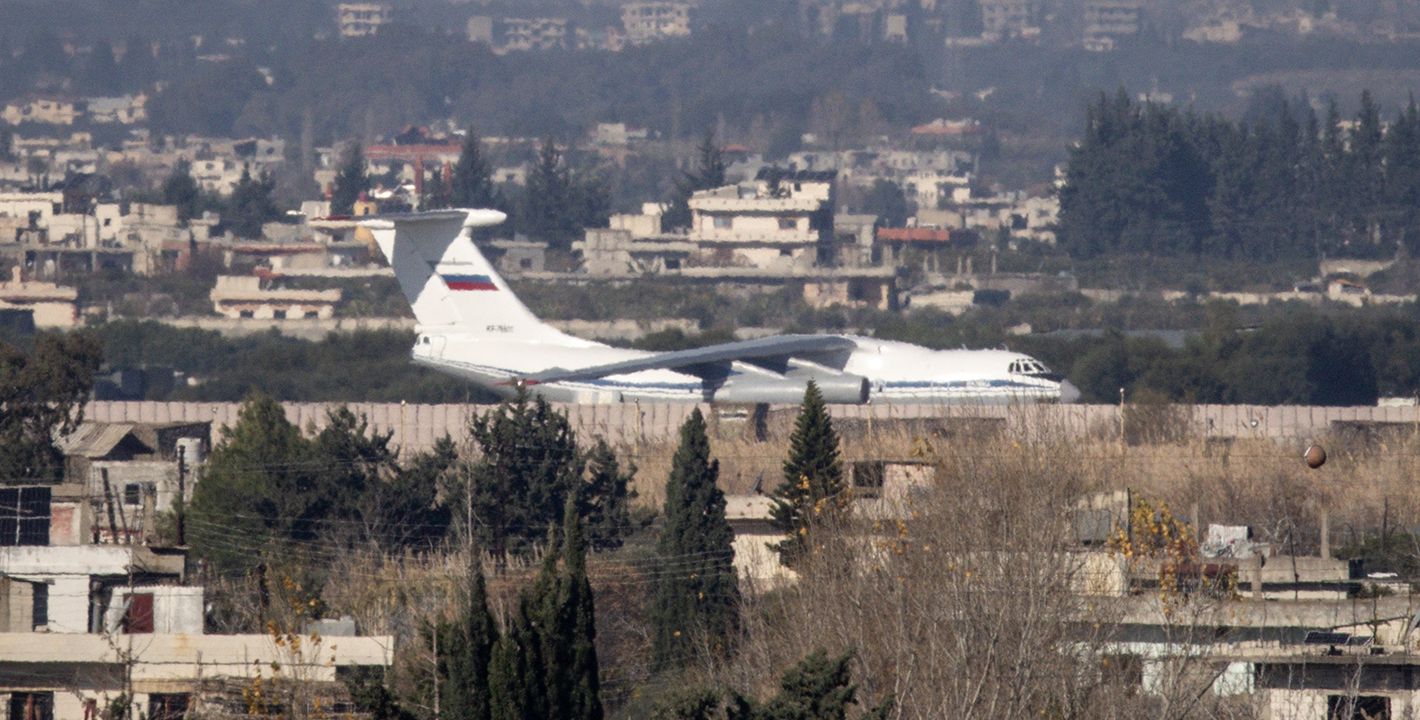
The downfall of the Assad regime represented a setback, but Russia’s primary focus remains Ukraine.
Sergei Melkonian
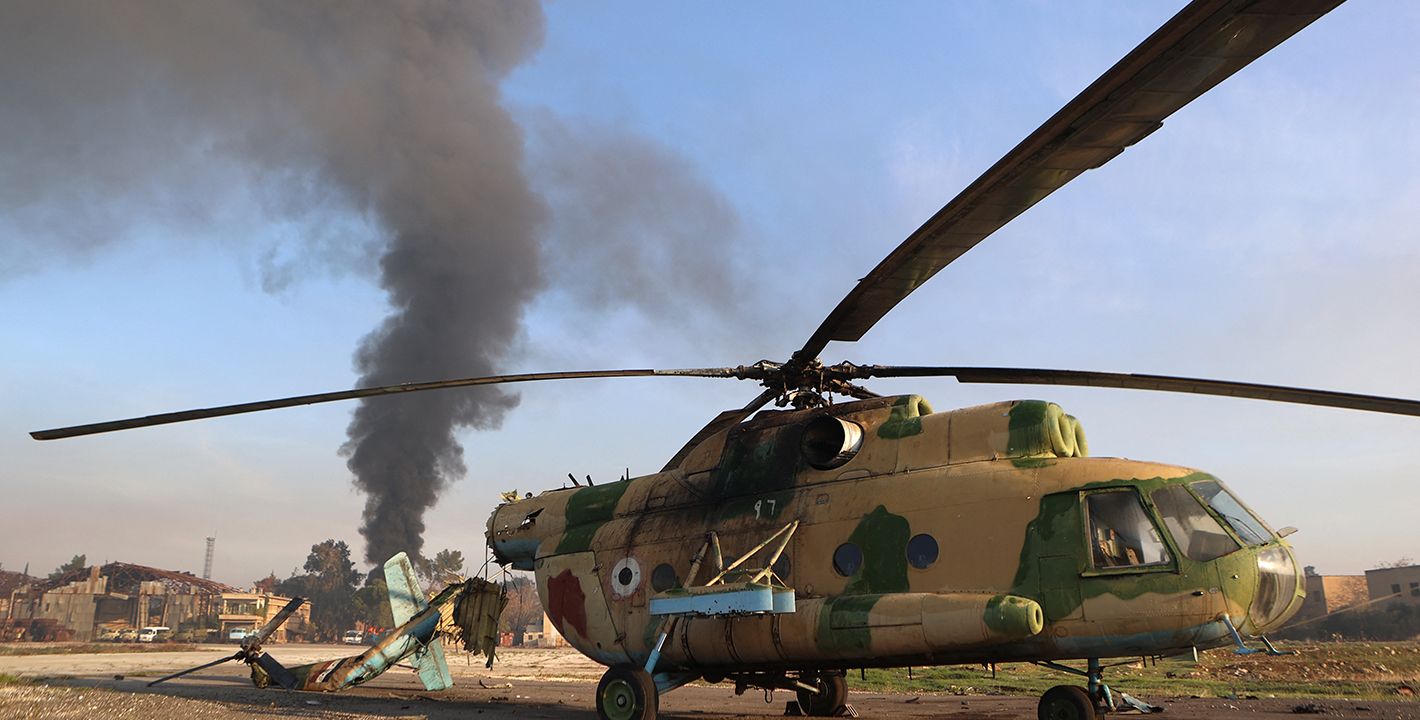
Why did Bashar al-Assad’s armed forces fail to act, unlike those in Egypt, Libya, Algeria, and Sudan?

Yezid Sayigh