

Paper
Douglas H. Paal
Source: Getty
The next U.S. administration should commit greater leadership time to developing a more considered and engaged Asian policy that begins with a call for a new multilateral organization in East Asia.
A senior US figure has predicted that the incoming US administration will commit greater leadership time to developing a more considered and engaged Asian policy.
Interviewed by PublicAffairsAsia.com, Doug Paal, a former adviser to George W Bush, says it is essential for the White House to address the geo-political consequences of "the rise of India and China".
"The US has for some time had a standard rhetoric of the recognition of the importance of Asia, but when it comes to turning up to meetings or to devoting leadership time to Asia it does not happen," he says.
"That’s partly because of the conflicts that are currently being fought. But with a new administration there will be a chance to take advantage of the fact that we are at an inflection point in history."
He also says that the US now recognises its increasing dependence on Asian nations.
"We have talked for 25 years about the rise of Asia, but the fact is look at look at the industrialisation, look at the sovereign wealth, look at the demographics," he said.
"In the next 25 years Asian states are going to be more important to us and we need to apportion our talents and our time accordingly."
Paal, who now holds a senior position at the Carnegie Endowment for World Peace, also calls for the construction of "a new multi-lateral organisation" for East Asia.
“We should all be throwing out ideas to find out what sort of organisation suits the broadest group of parties the most,” he says.
The interview originally appeared at PublicAffairsAsia.com.
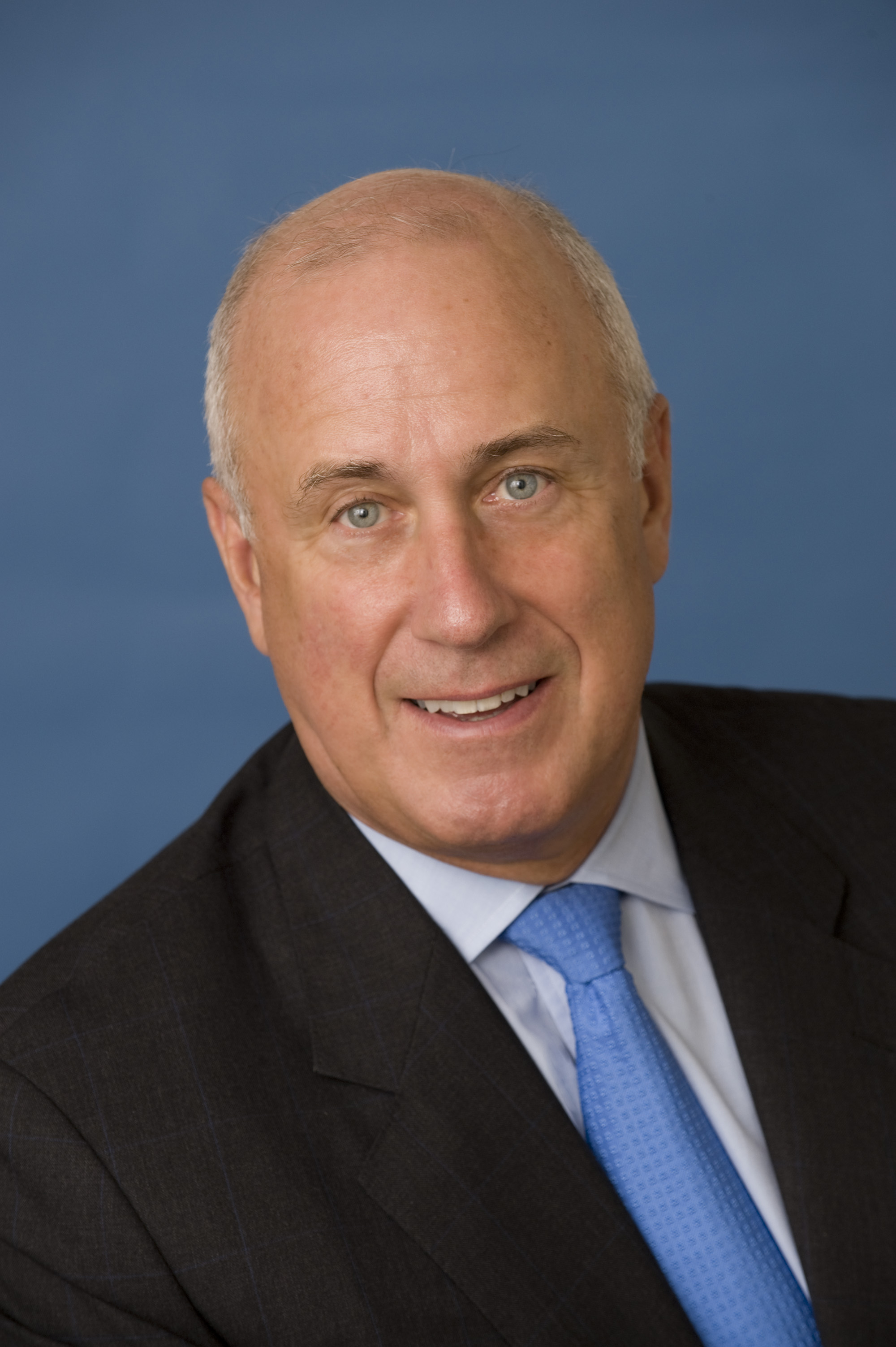
Distinguished Fellow, Asia Program
Paal previously served as vice chairman of JPMorgan Chase International and as unofficial U.S. representative to Taiwan as director of the American Institute in Taiwan.
Recent Work
Douglas H. Paal


Douglas H. Paal, Tong Zhao, Chen Qi, …
Carnegie does not take institutional positions on public policy issues; the views represented herein are those of the author(s) and do not necessarily reflect the views of Carnegie, its staff, or its trustees.

In an interview, Rozina Ali discusses her new book on the rise and manifestations of Islamophobia in the United States.

Michael Young

In an interview, Ian Lustick and Eli Clifton discuss their new book on why a prominent ally has so much influence in America.
Michael Young

As the U.S. stumbles in its war with Iran, we are likely to see an acceleration of its disengagement from the region.
Michael Young

Middle Eastern states should welcome an accelerated U.S. disengagement from their region.
Michael Young

In an interview, former ambassador Charles Freeman assesses the Trump administration’s war against Iran.
Michael Young