

Commentary
In an interview, Marc Lynch discusses his new book decrying the post-1990 U.S.-dominated order in the Middle East.
Michael Young
Source: Getty
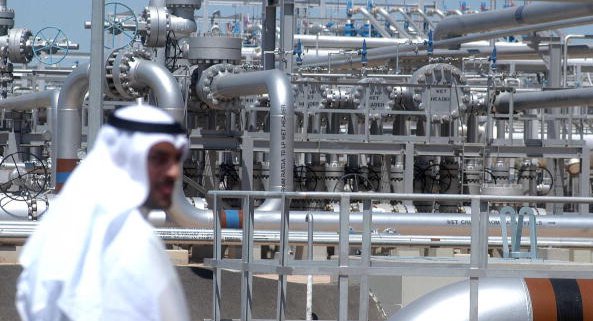
To meet long-term domestic challenges, oil-producing Gulf States should focus on improving economic governance to better manage diminishing oil revenues and attract foreign investment.
Oil-producing Gulf states squandered the opportunity to make much needed economic reforms when high oil revenues would have made the task easier. Now, reduced oil revenues and global economic uncertainty make it imperative that they develop competitive, diversified economies, concludes a new paper from the Carnegie Middle East Center.
Ibrahim Saif explains that the top priority for the Gulf Council Cooperation (GCC) countries—Saudi Arabia, Bahrain, Kuwait, Oman, Qatar, and the UAE—should be improving economic governance to better manage existing oil revenues and attract foreign direct investment (FDI). With a comfortable cushion of foreign reserves, the risks for short-term instability is low; however, the current system of low taxes and generous public spending is unsustainable.
Recommendations for GCC countries:
Saif concludes:
“Despite nearly six years in which high oil revenues created favorable macroeconomic conditions in the GCC countries, they were still not able to tackle their long-term economic challenges. The oil windfall actually pushed back attempts to address these challenges, and the global financial crisis has reminded GCC policymakers that structural challenges must be addressed at a time when macroeconomic conditions are favorable and not when the economies are slowing down.”
Former Senior Associate, Middle East Center
Saif is an economist specializing in the political economy of the Middle East. His research focuses on international trade and structural adjustment programs in developing countries, with emphasis on Jordan and the Middle East.
Former Visiting Scholar, Middle East Center
Asseburg's current research focuses on the Middle East conflict, German and Middle East politics, the Euro–Mediterranean Partnership, and state building, political reform, and political Islam in the Middle East. She was previously with the Friedrich Ebert Foundation’s office in Jerusalem.
Carnegie does not take institutional positions on public policy issues; the views represented herein are those of the author(s) and do not necessarily reflect the views of Carnegie, its staff, or its trustees.
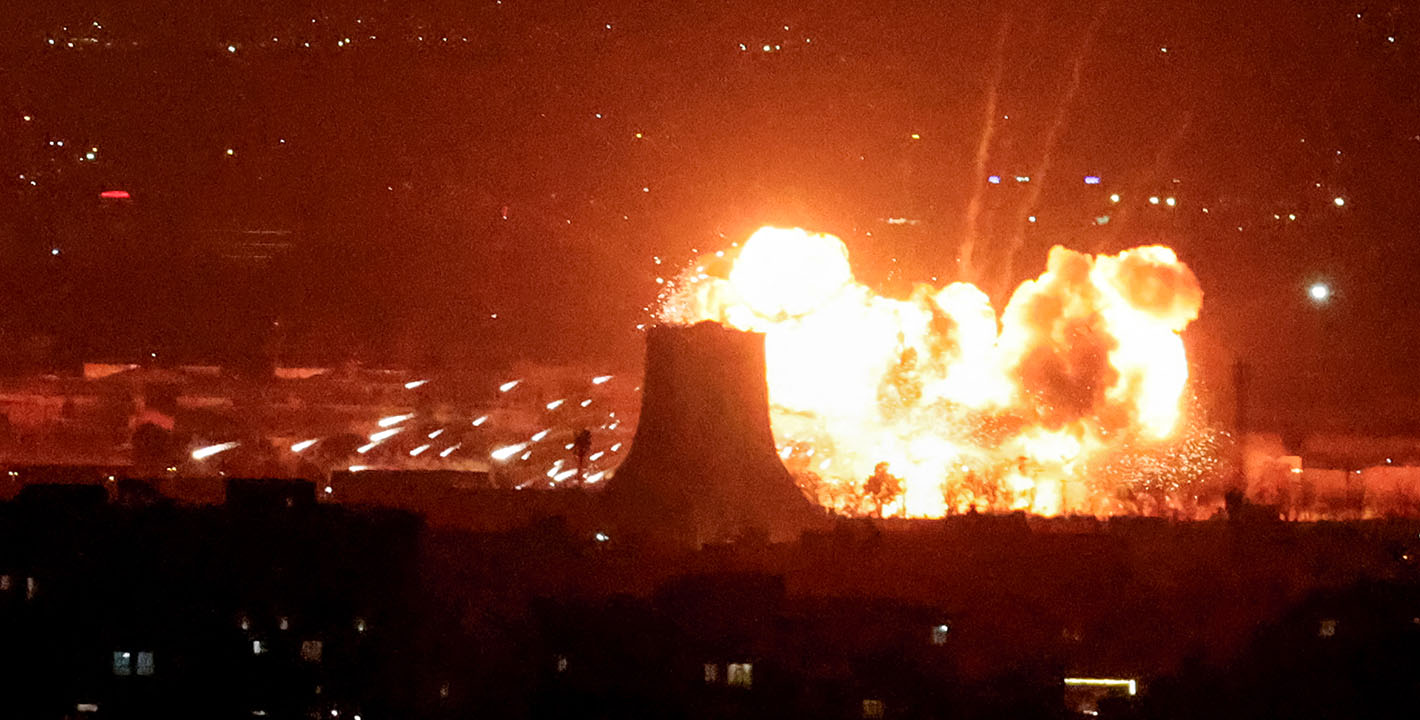
In an interview, Marc Lynch discusses his new book decrying the post-1990 U.S.-dominated order in the Middle East.

Michael Young
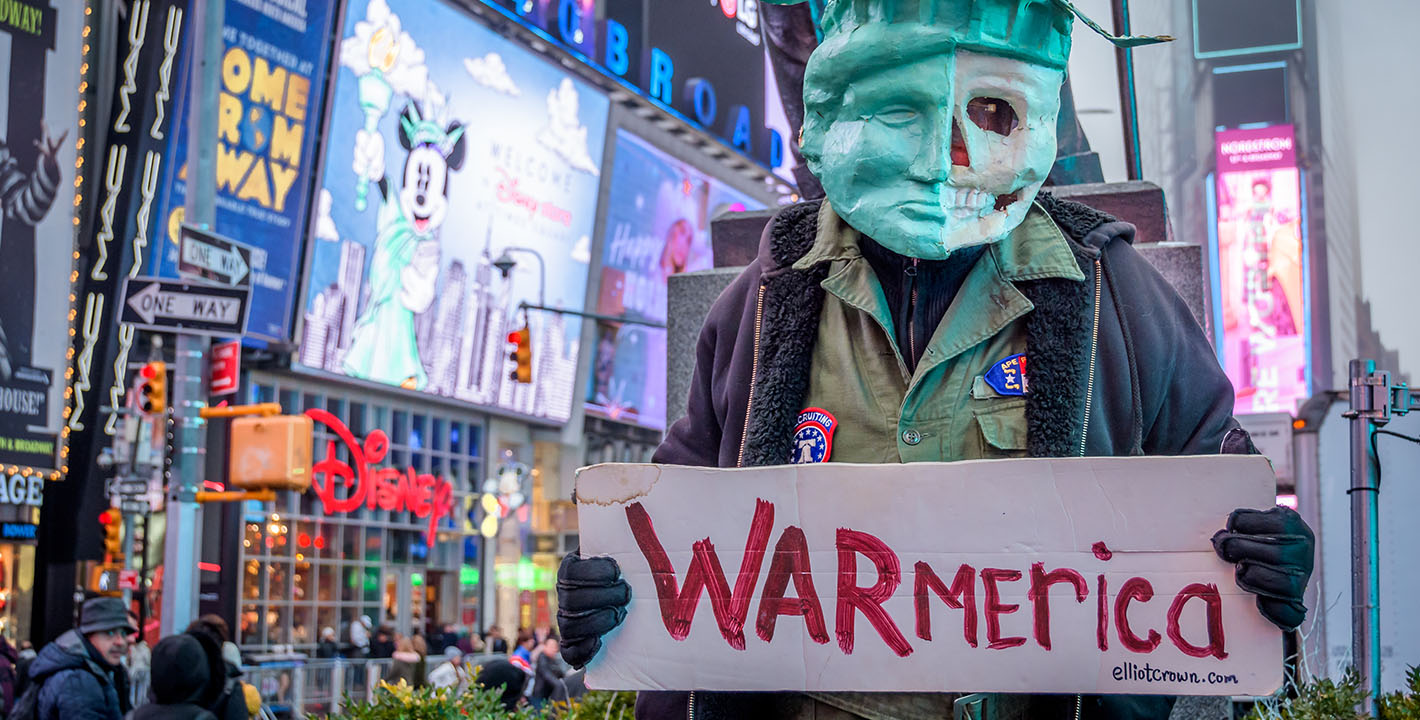
Because perpetual conflict enhances control, offers economic benefits, and allows leaders to ignore popular preferences.

Angie Omar
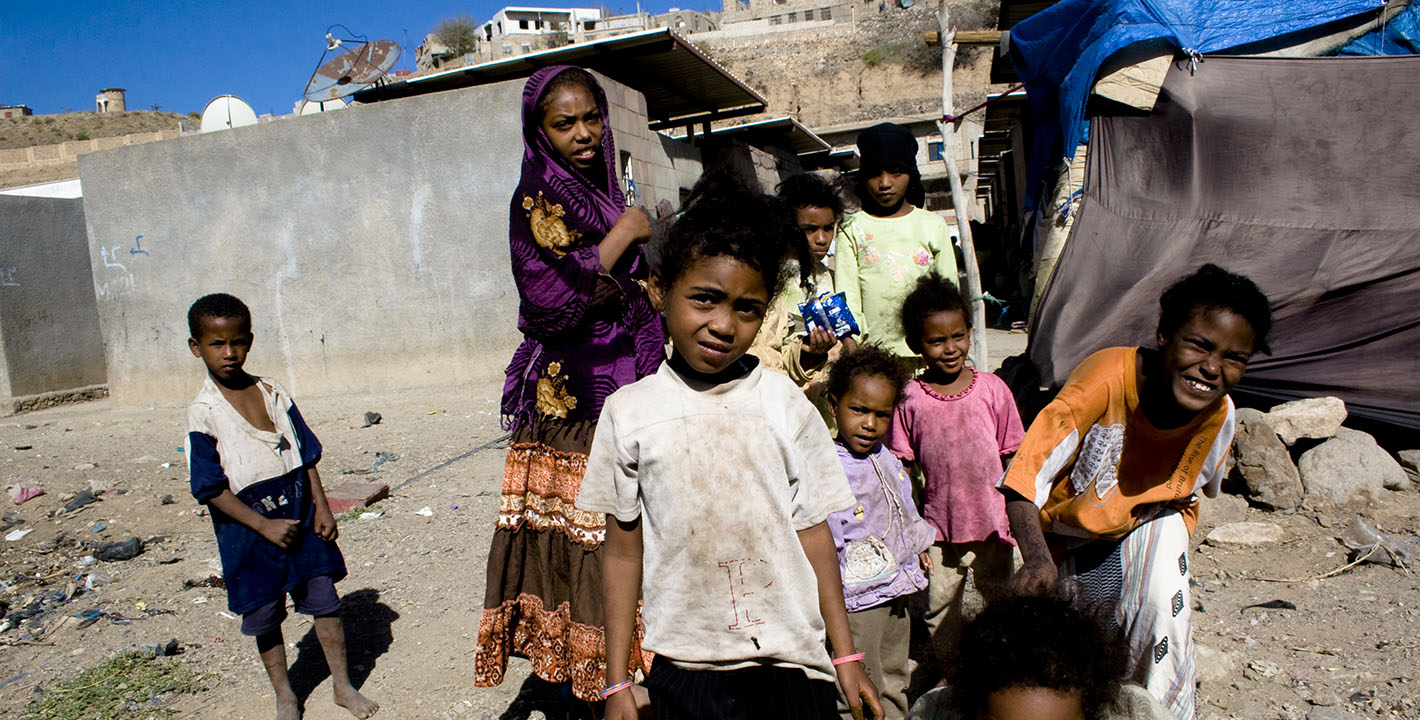
The community already suffers social discrimination, so addressing inequalities requires sustained interventions.
Musaed Aklan , Mohammad Al-Saidi
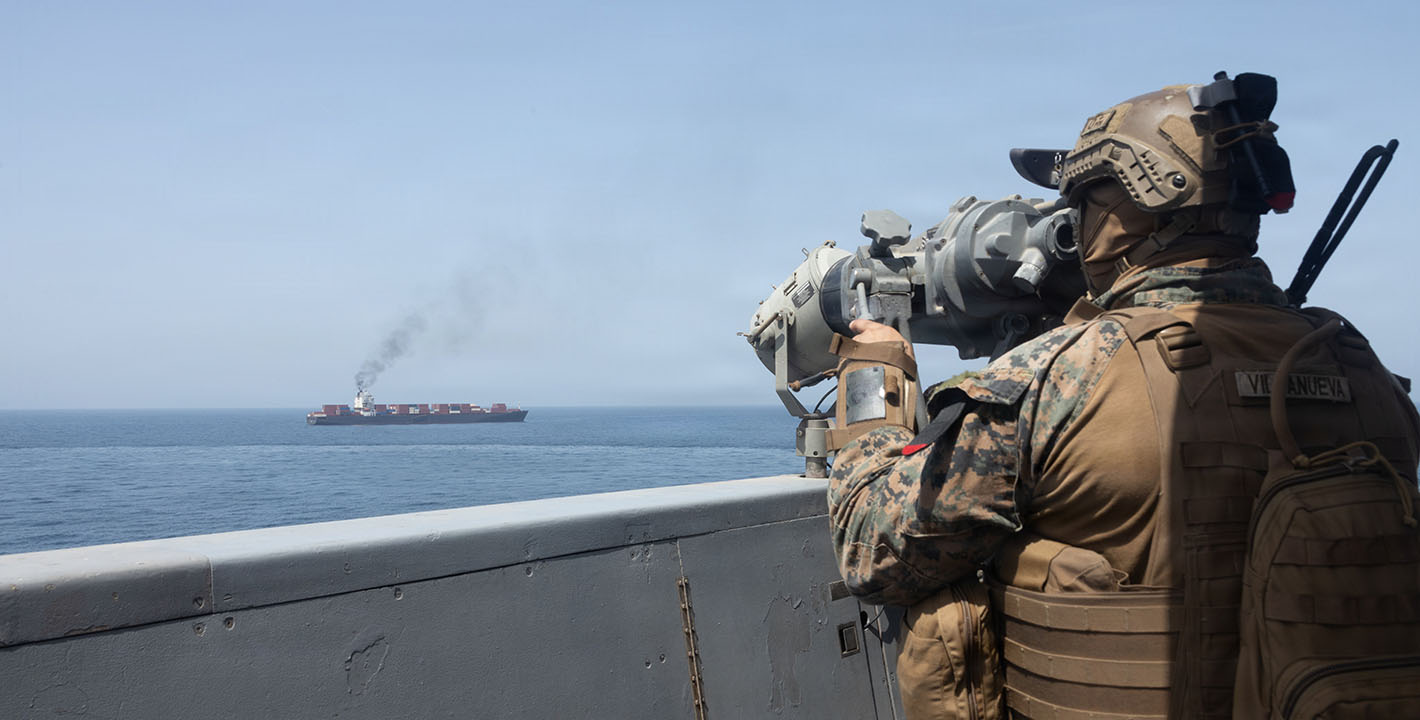
In an interview, Jim Lamson discusses the ongoing regional conflict and sees an unclear picture when it comes to winners and losers.
Michael Young
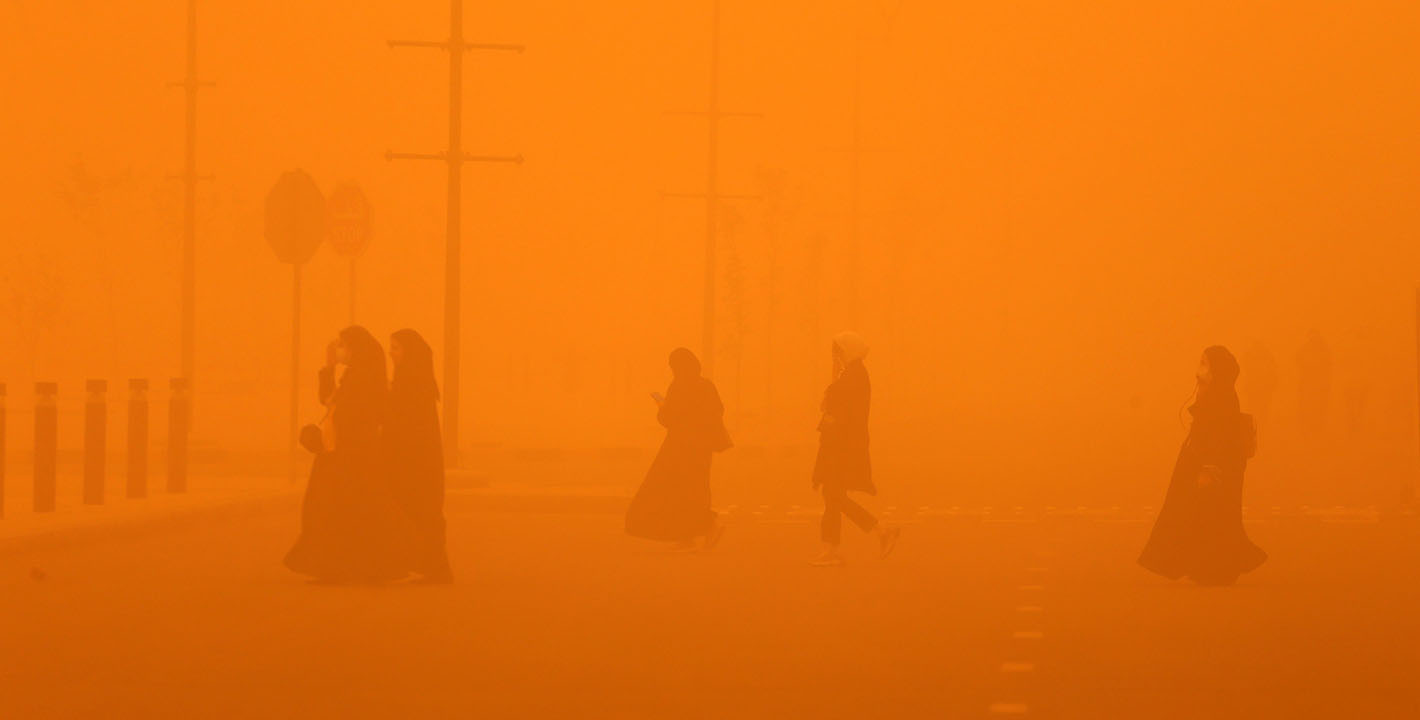
Mitigating the repercussions of climate change in Kuwait is crucial for lessening economic disparities and achieving social justice.
Courtney Freer