• Research
  • Diwan
  • About
  • Experts
Carnegie Middle East logoCarnegie lettermark logo
LebanonIran
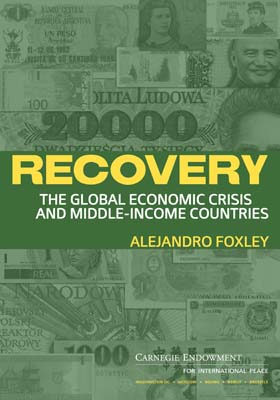
Recovery: The Global Financial Crisis and Middle-Income Countries
Report

Recovery: The Global Financial Crisis and Middle-Income Countries

There is no single solution to the financial crisis for middle-income countries, but fundamental labor markets reforms that create high-paying jobs are key to restarting economic growth.

Link Copied
By Alejandro Foxley
Published on Jul 9, 2009

Additional Links

Full TextSummary

There is no single solution to the effects of the financial crisis on middle-income countries, but introducing fundamental labor markets reforms to create high-paying jobs will be the key to restarting economic growth, according to a report by Alejandro Foxley, the former foreign and finance minister of Chile. 

Labor reform is always politically contentious, but the current crisis, by illustrating the dangers of ignoring necessary long-term reforms, has made it easier to reach consensus on the need for action. If policy makers undertake the right reforms, middle-income countries could achieve higher growth, better standards of living, and more effective government.

Key points:

  • Critical reforms include improving access to education and on-the-job training, reducing the costs of hiring and firing workers, and increasing the number of women in the workforce.
     
  • Unemployment is likely to remain high in middle-income countries as the crisis continues, threatening the stability of governments across Latin America, East Asia, and Eastern Europe.
     
  • Governments must resist the temptation to take populist shortcuts that make it appear that they are dealing with the crisis when they are not, and should instead be clear and consistent in their pursuit of reform.
     
  • Sustainable growth requires a balance between exports and domestic demand. East Asian economies that relied heavily on exports for growth have been hit harder by the crisis than Latin American countries that emphasized domestic demand.
     
  • Diversified trade offers some protection against economic shocks. Middle-income countries should diversify not only their exports but also the markets to which they export.

Foxley concludes:

“There are no magic formulas, no shortcuts, no miracles, and no ‘models’ as far as development is concerned. Economic growth and development is a several-decades-long proposition that requires consistent policies, persistence in moving in a certain direction, and adaptability to shocks and changes and the opportune correction of policy mistakes.”
About the Author

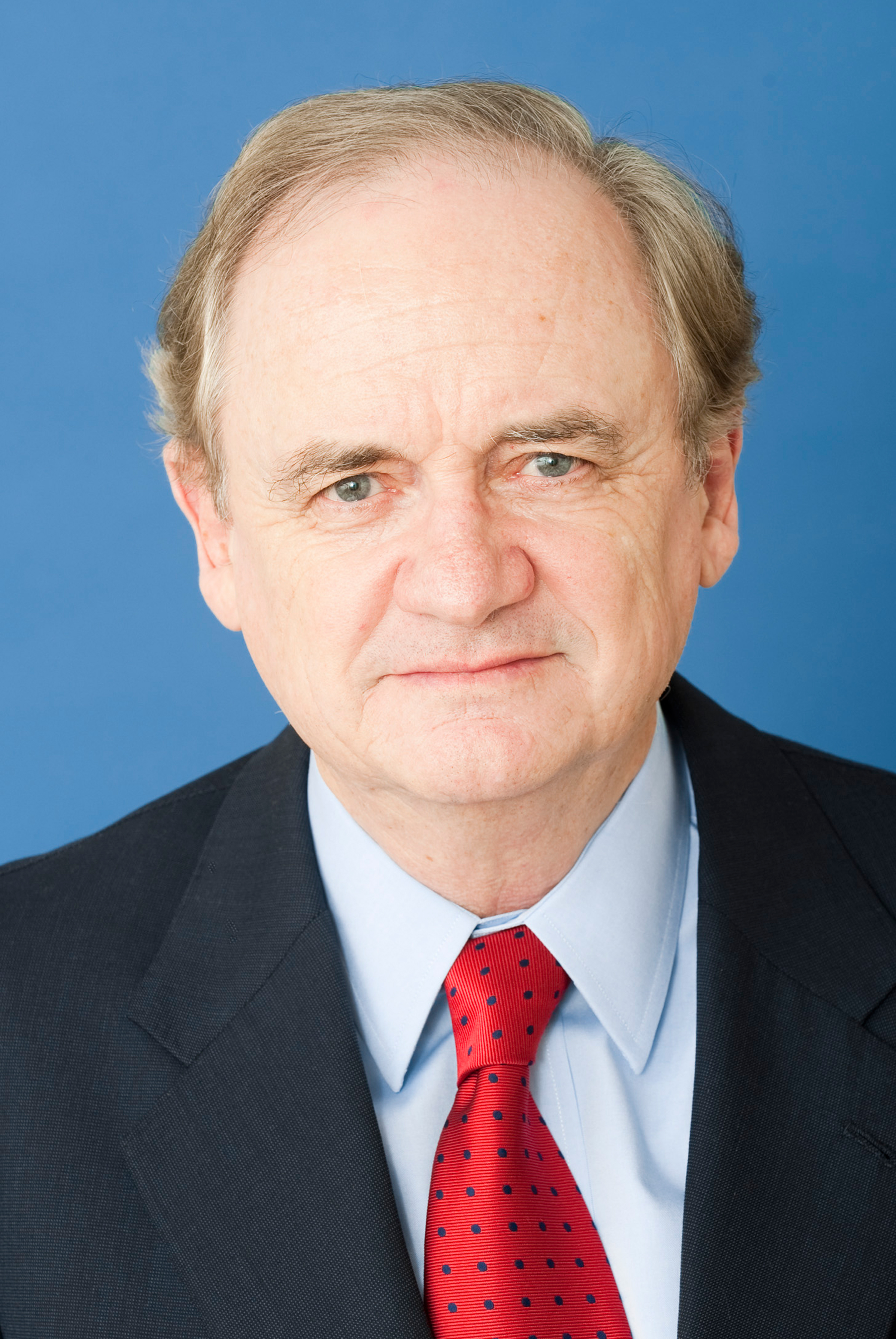
Alejandro Foxley

Former Senior Associate, International Economics Program

Foxley was previously minister of foreign affairs, senator, and minister of finance of the Republic of Chile. While minister of finance he concurrently served as a governor of the Inter-American Development Bank and the World Bank.

    Recent Work

  • Paper
    Making the Transition: From Middle-Income to Advanced Economies

      Alejandro Foxley, Fernando Sossdorf

  • Other
    Impact of The Global Financial Crisis: Predictions Gone Wrong

      Alejandro Foxley

Alejandro Foxley
Former Senior Associate, International Economics Program
Alejandro Foxley
North AmericaSouth AmericaEast AsiaSouth KoreaTaiwanCentral AsiaSoutheast AsiaEastern EuropeNorth KoreaEconomy

Carnegie does not take institutional positions on public policy issues; the views represented herein are those of the author(s) and do not necessarily reflect the views of Carnegie, its staff, or its trustees.

More Work from Malcolm H. Kerr Carnegie Middle East Center

  • Commentary
    Diwan
    Unpacking Lebanon’s Gap Law

    In an interview, Ishac Diwan looks at the merits and flaws in the draft legislation distributing losses from the financial collapse.

      Michael Young
  • Commentary
    Diwan
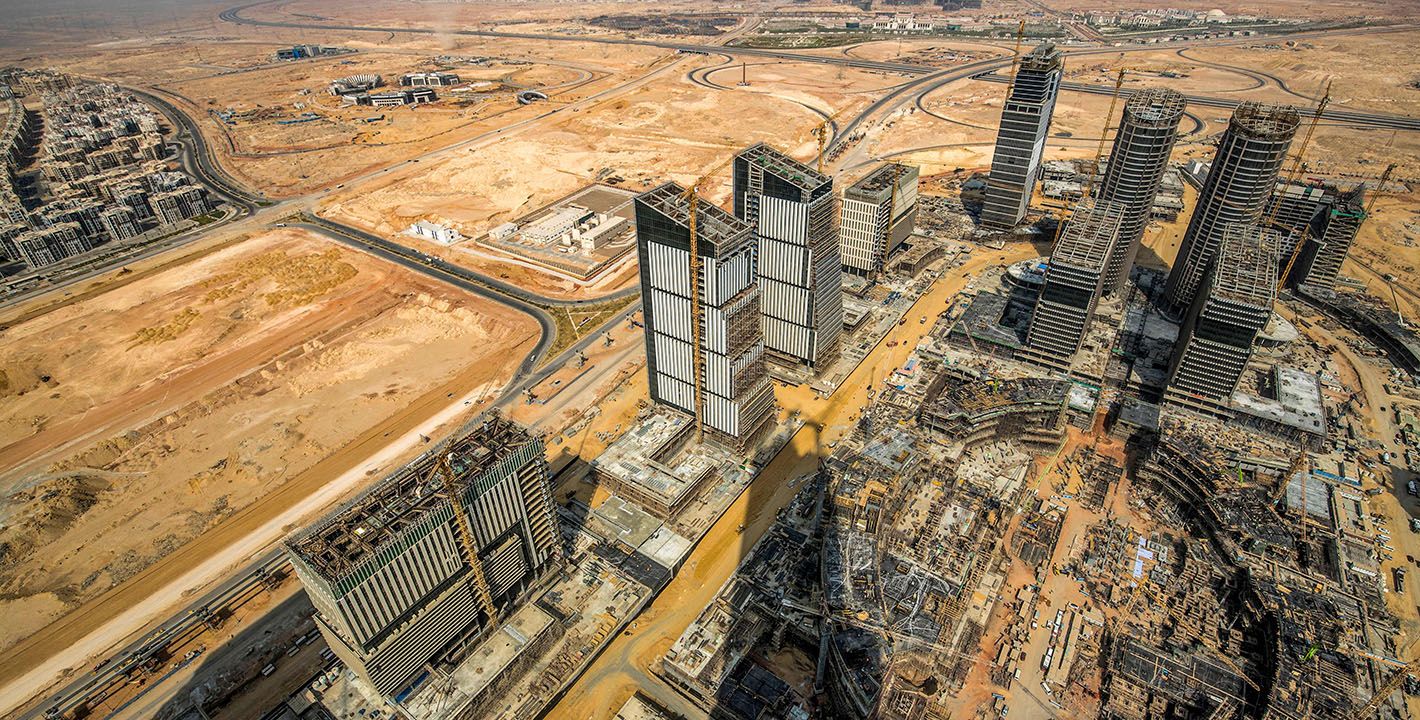
    Has Sisi Found a Competent Military Entrepreneur?

    Mustaqbal Misr has expanded its portfolio with remarkable speed, but a lack of transparency remains.

      Yezid Sayigh
  • Research
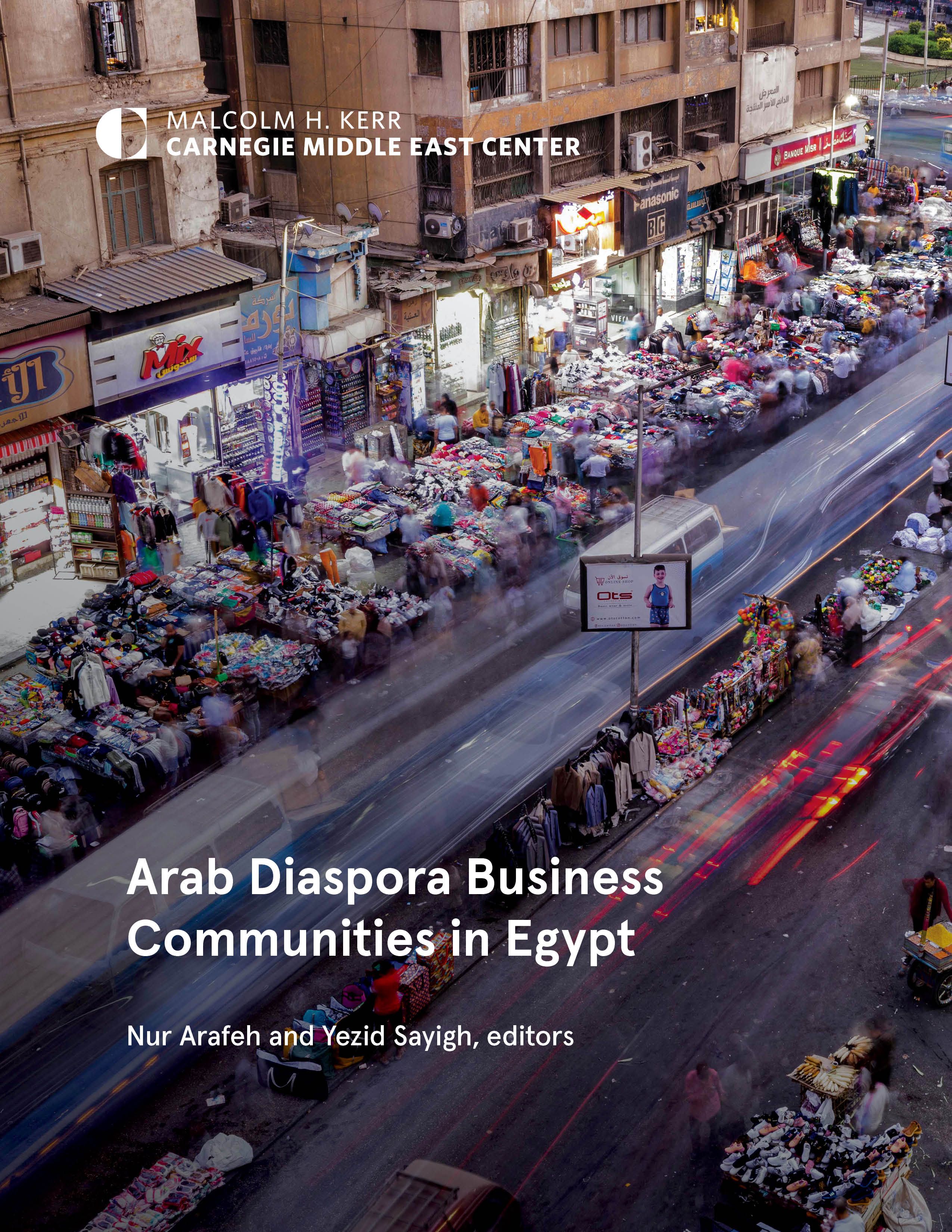
    Arab Diaspora Business Communities in Egypt

    Arab diaspora business communities in Egypt often mirror the same systemic challenges facing Egyptian businesses.
      • +4

      Nur Arafeh, Yezid Sayigh, Qaboul al-Absi, …

  • Article
    Saudi Arabia in Africa: Sound Economic and Geopolitical Strategy, or Resource Exploitation?

    Largely characterized thus far by a single-minded focus on extractivism, Riyadh must commit to greater equitability in its approach to investment and development deals with Sudan, Ethiopia, and Eritrea.

      Hesham Alghannam

  • A picture taken from a position at the Israeli border with the Gaza Strip shows the destruction due to Israeli bombardment in the besieged Palestinian territory on May 18, 2025
    Article
    Destruction, Disempowerment, and Dispossession: Disaster Capitalism and the Postwar Plans for Gaza

    Once Israel’s war in the territory is brought to an end, the foundational principles guiding reconstruction should be Palestinian self-determination, local agency, and sovereignty.

      Nur Arafeh, Mandy Turner

Get more news and analysis from
Malcolm H. Kerr Carnegie Middle East Center
Carnegie Middle East logo, white
  • Research
  • Diwan
  • About
  • Experts
  • Projects
  • Events
  • Contact
  • Careers
  • Privacy
  • For Media
Get more news and analysis from
Malcolm H. Kerr Carnegie Middle East Center
© 2026 Carnegie Endowment for International Peace. All rights reserved.