

Commentary
In Egypt’s dense cities, the disappearance of foliage has health implications and punishes daily commuters.
Angie Omar
Source: Getty
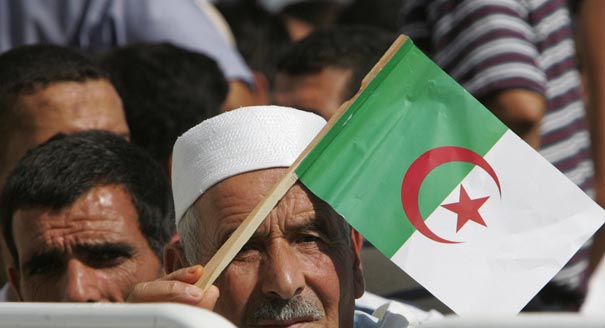
The global aims of Al-Qaeda in the Islamic Maghreb—an Algerian jihadi group—have been thwarted by the Algerian government’s more effective military strategy and the collapse of al-Qaeda in Iraq.
Al-Qaeda in the Islamic Maghreb (AQIM)—an Algerian jihadi group that pledged allegiance to Osama bin Laden in 2006—garnered worldwide media exposure after simultaneous attacks in December 2007 on the United Nations building and the Constitutional Court in Algiers. AQIM, however, has not been able to sustain this level of violence and failed to transform itself into a North Africa-wide organization.
AQIM’s global aims have been thwarted by the Algerian government’s more effective military strategy and the collapse of al-Qaeda in Iraq—the conflict in Iraq helped attract followers. Violent incidents fell from 200 in 2007 to below 150 in 2008. Still, the danger of terrorism in the region is real and considerable attention should be devoted to North Africa and the Sahel.
Methods to contain and ultimately eradicate al-Qaeda in the Islamic Maghreb:
“AQIM is deeply rooted in Algeria’s recent history of violence and strife, but the organization’s heavy legacy limits its global potential,” says Filiu. “The security paradox posed by AQIM is that its inability to project its ‘global’ terror beyond Africa intensifies the pressures from al-Qaeda central to achieve such a breakthrough and to force the Algerian jihadi leadership to live up to this commitment.”
Jean-Pierre Filiu
Carnegie does not take institutional positions on public policy issues; the views represented herein are those of the author(s) and do not necessarily reflect the views of Carnegie, its staff, or its trustees.
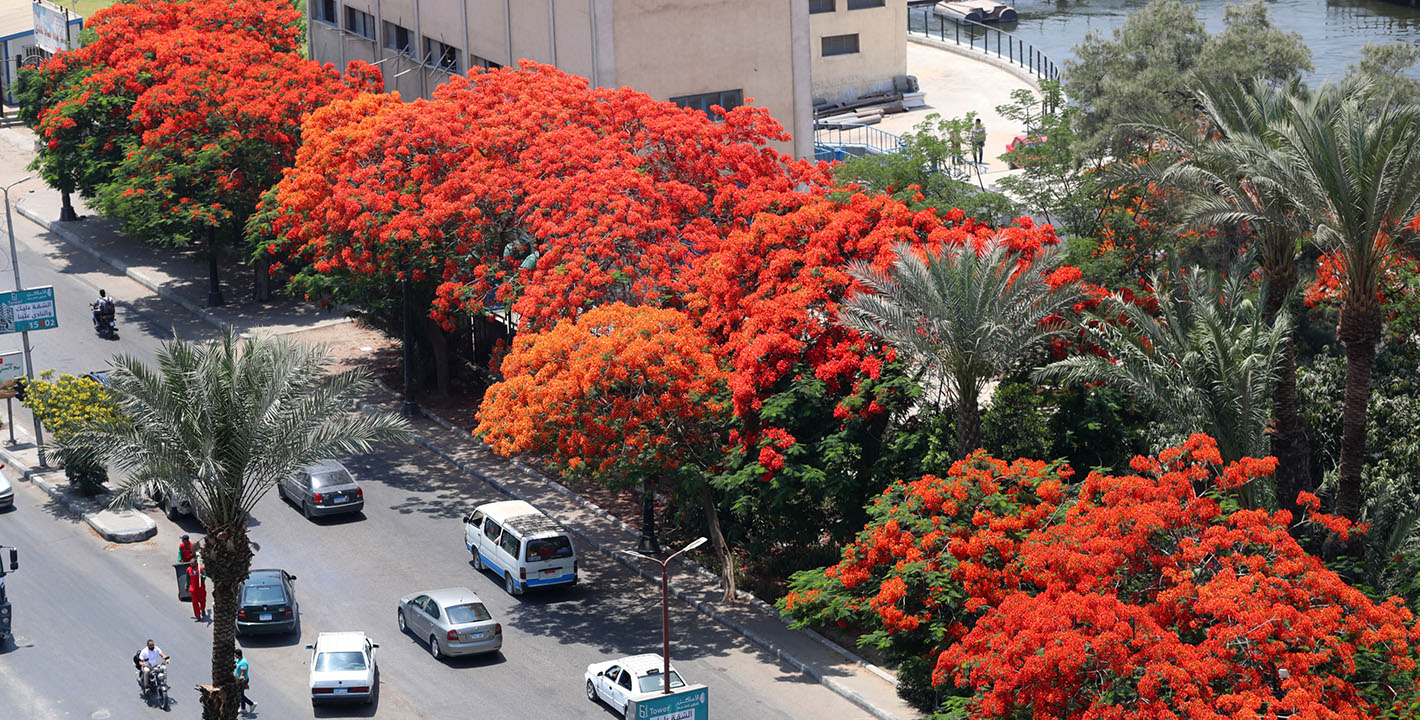
In Egypt’s dense cities, the disappearance of foliage has health implications and punishes daily commuters.

Angie Omar

The armed forces champion a form of capitalism that is generating revenue, but its reliance on rent faces diminishing returns, leaving the country with massive sunk costs and deferred returns, deepening dependency on external borrowing.

Yezid Sayigh

Morocco and Algeria, each in its own way, are having to navigate the global economic fallout of the U.S.-Israeli military campaign against Iran.

Yasmine Zarhloule

This will be the region’s most representative tournament, amid broad changes in its footballing landscape.

Issam Kayssi
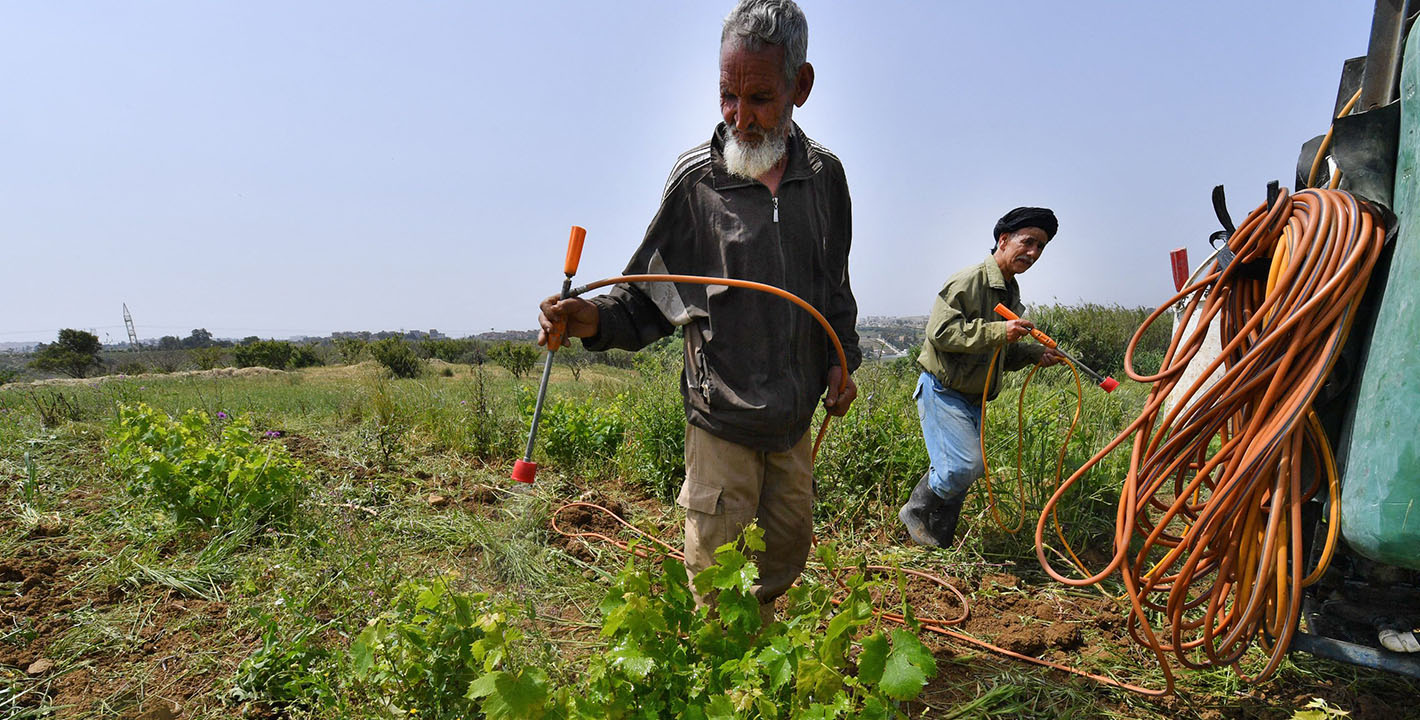
Understanding how farmers in the Oued Sahel-Soummam Valley grapple with climate change is essential for addressing the paradoxes through which adaptation, operating at both individual and institutional levels, deepens the region’s vulnerability and erodes the social fabric and agrarian identity that once defined life.

Ilyssa Yahmi