

Article
John P. Millhone
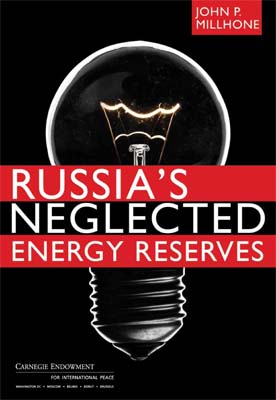
Russia’s energy reserves can be conserved through available, cost-effective measures, which will lead to a more competitive economy, more jobs, and increased national income.
Russia enjoys the world’s largest share of energy resources. While urban areas have grown more efficient in recent years, great expanses of the vast country continue to squander its valuable resources. Russia’s energy reserves can be conserved through available, cost-effective measures and this will lead to a more competitive economy, more jobs, and increased national income.
Significant benefits are within reach if effective federal, district, and local programs are implemented. By improving energy efficiency, Russia could:
“Russia has a unique win-win opportunity if it acts aggressively to couple its energy and climate-change policies,” writes Millhone.

Former Visiting Scholar, Energy and Climate Program
Millhone is currently evaluating and commenting on U.S. energy policies and focusing on clean energy and economic stimulus initiatives. He is also providing analysis to the U.S.–China provincial and municipal energy efficiency management program.
Recent Work
John P. Millhone
John P. Millhone
Carnegie does not take institutional positions on public policy issues; the views represented herein are those of the author(s) and do not necessarily reflect the views of Carnegie, its staff, or its trustees.

The armed forces champion a form of capitalism that is generating revenue, but its reliance on rent faces diminishing returns, leaving the country with massive sunk costs and deferred returns, deepening dependency on external borrowing.

Yezid Sayigh
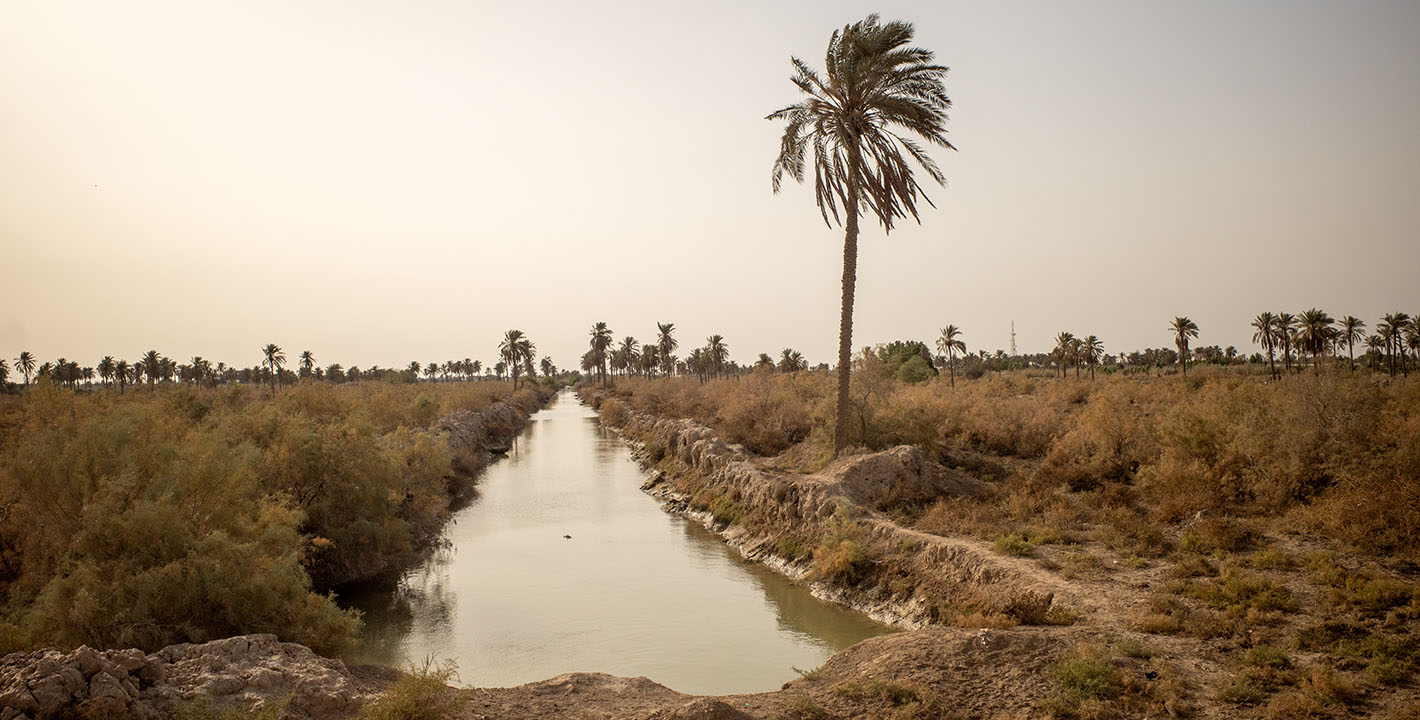
Across the Middle East and North Africa, climate stress interacts with economic fragility, governance failures, social marginalization, and conflict.

Camille Ammoun
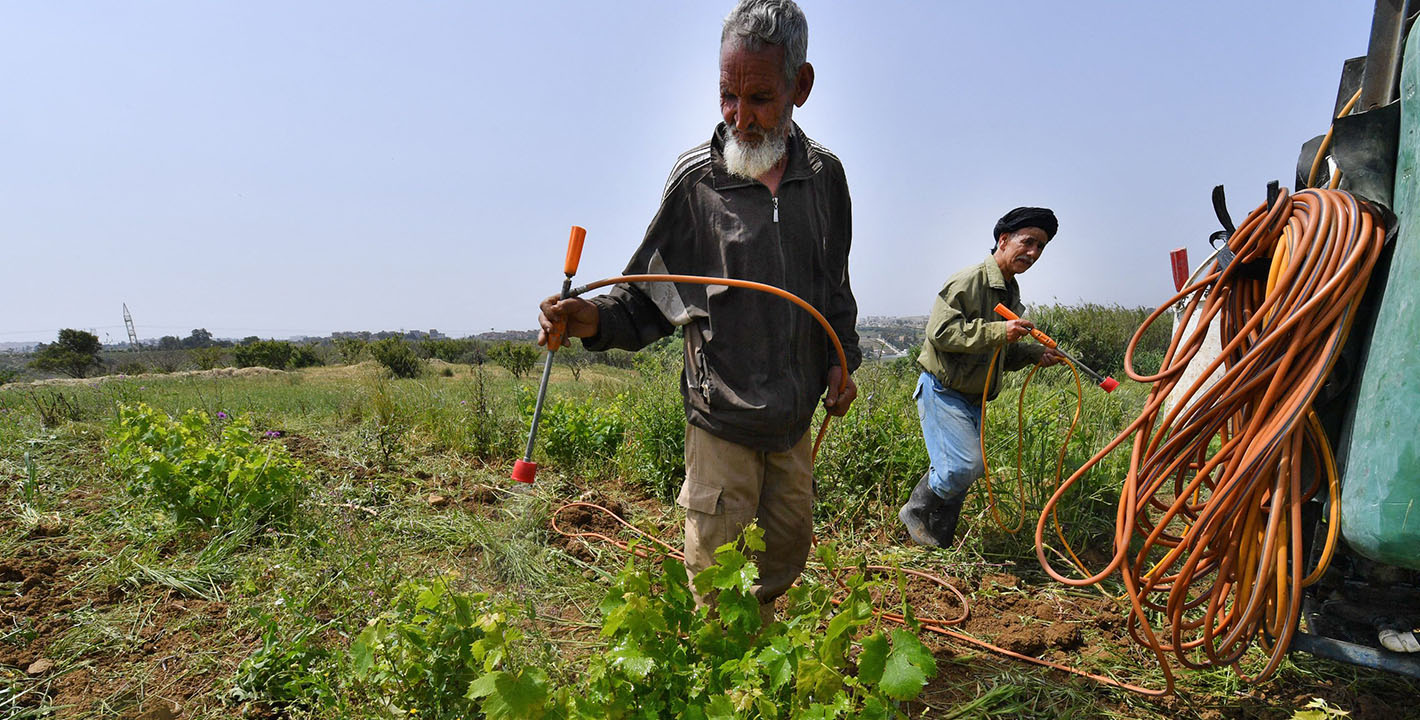
Understanding how farmers in the Oued Sahel-Soummam Valley grapple with climate change is essential for addressing the paradoxes through which adaptation, operating at both individual and institutional levels, deepens the region’s vulnerability and erodes the social fabric and agrarian identity that once defined life.

Ilyssa Yahmi
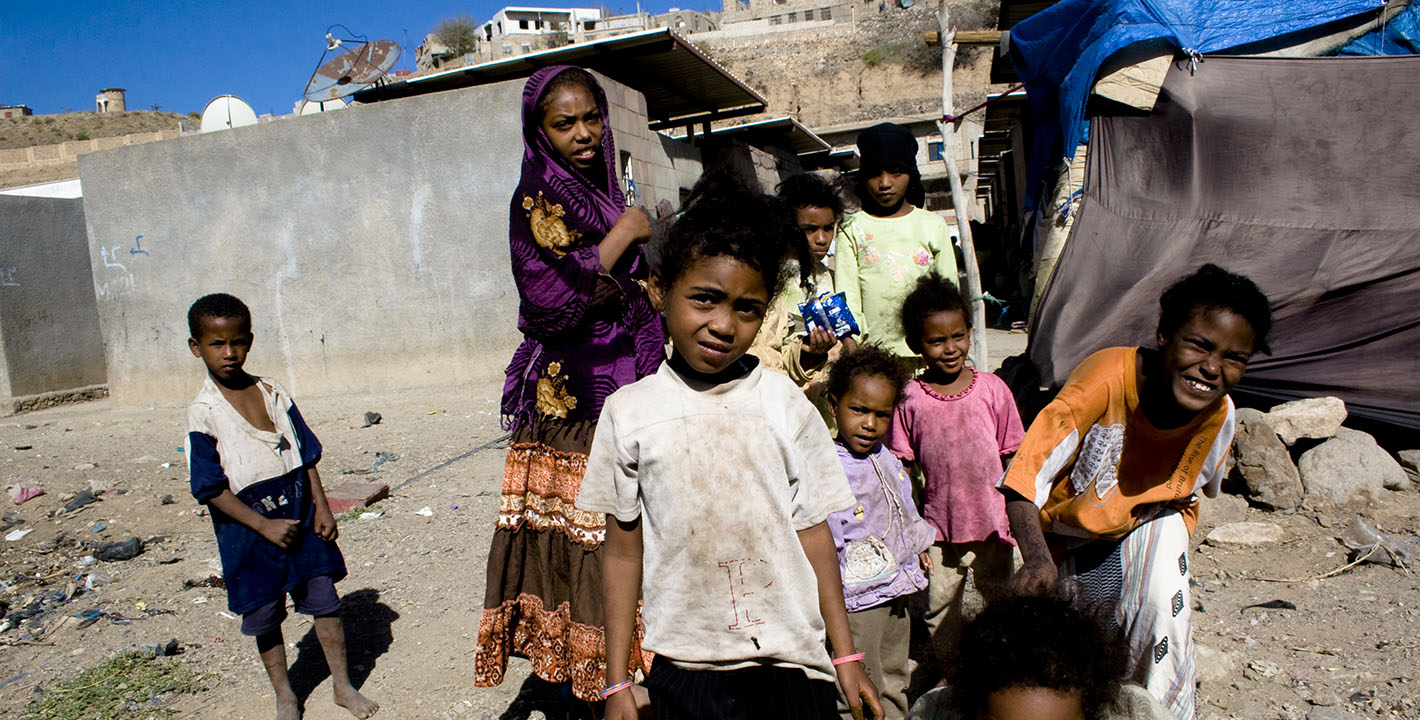
The community already suffers social discrimination, so addressing inequalities requires sustained interventions.
Musaed Aklan , Mohammad Al-Saidi
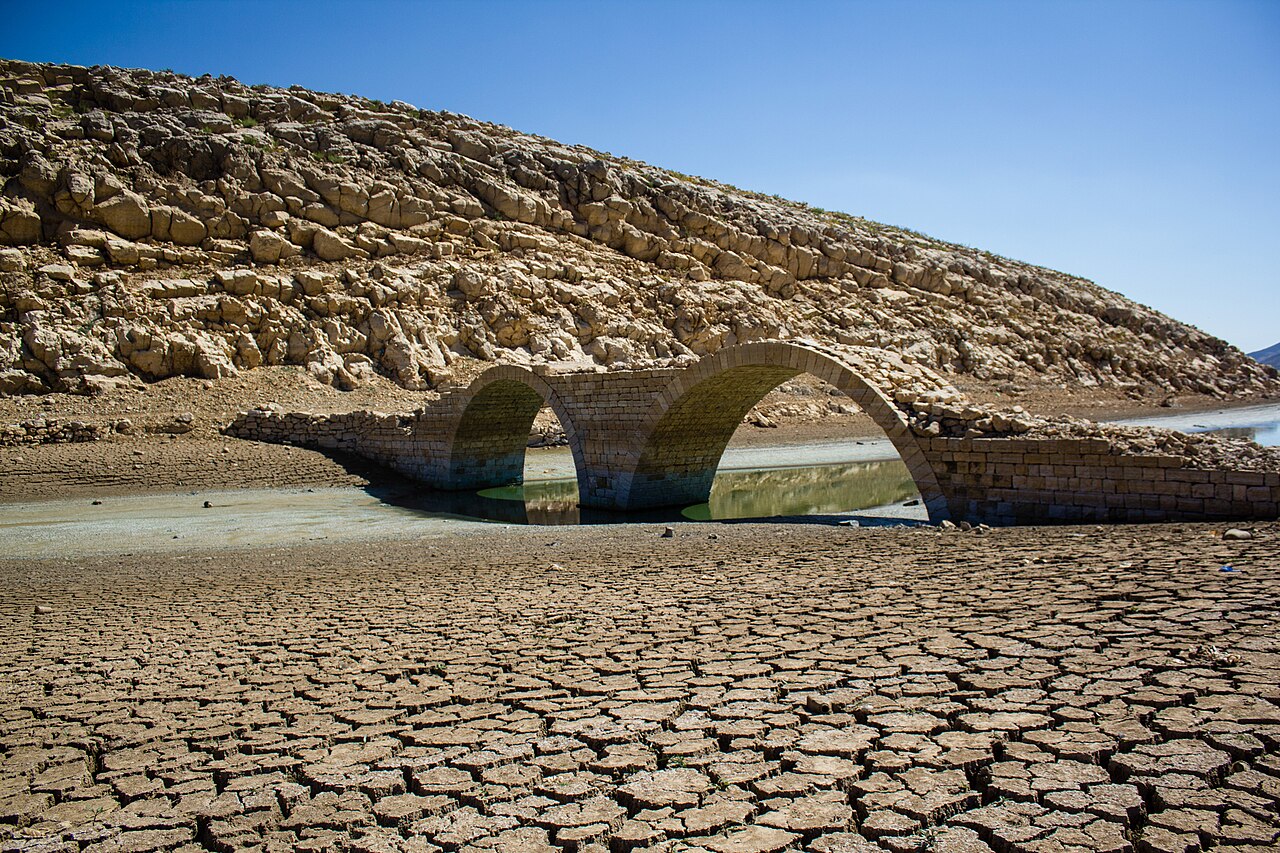
Lebanon’s largest water reservoir is a house of many mansions when it comes to converging failures.
Camille Ammoun