

In The Media
Lahcen Achy
Source: Getty
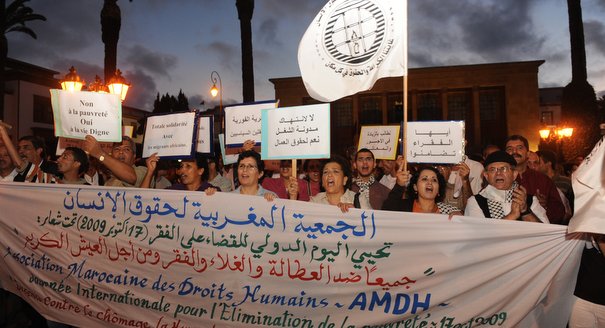
While Morocco’s poverty rate has fallen by more than 40 percent in the last decade, the country’s leaders must reconsider their poverty-reduction strategy if they want to sustain the positive trend and overcome remaining challenges.
Despite a lack of significant natural resources, Morocco’s poverty rate has fallen by more than 40 percent in the last decade, with less than 9 percent of its population considered poor. While lifting 1.7 million people out of poverty in ten years is notable progress, Lahcen Achy explains in a new paper that Morocco’s leaders must rethink their poverty-reduction strategy to sustain the positive trend and overcome remaining challenges.
“Despite significant progress in poverty reduction, Morocco faces the persistent problems of high illiteracy, inequality, volatile economic growth, informal and vulnerable jobs, and the uncertain levels of future remittances,” Achy writes. “Policy makers must review the country’s approach for alleviating poverty and take greater advantage of existing strengths to reach a broader spectrum of the population."
Former Nonresident Senior Associate, Middle East Center
Achy is an economist with expertise in development, institutional economics, trade, and labor and a focus on the Middle East and North Africa.
Recent Work
Lahcen Achy
Lahcen Achy
Carnegie does not take institutional positions on public policy issues; the views represented herein are those of the author(s) and do not necessarily reflect the views of Carnegie, its staff, or its trustees.

The armed forces champion a form of capitalism that is generating revenue, but its reliance on rent faces diminishing returns, leaving the country with massive sunk costs and deferred returns, deepening dependency on external borrowing.

Yezid Sayigh

Morocco and Algeria, each in its own way, are having to navigate the global economic fallout of the U.S.-Israeli military campaign against Iran.

Yasmine Zarhloule

There is a disturbing structural parallel between the old global energy economy and the new green transition.

Angie Omar

This will be the region’s most representative tournament, amid broad changes in its footballing landscape.

Issam Kayssi
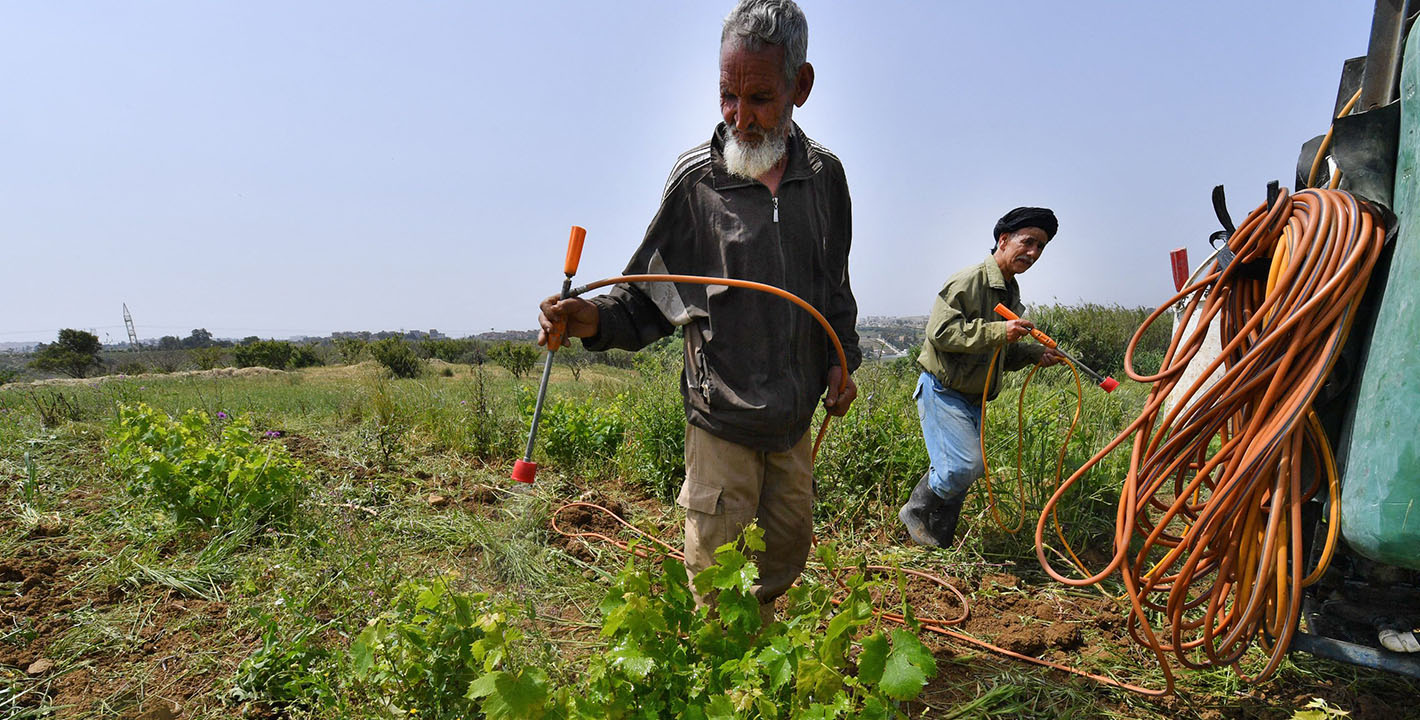
Understanding how farmers in the Oued Sahel-Soummam Valley grapple with climate change is essential for addressing the paradoxes through which adaptation, operating at both individual and institutional levels, deepens the region’s vulnerability and erodes the social fabric and agrarian identity that once defined life.

Ilyssa Yahmi