• Research
  • Diwan
  • About
  • Experts
Carnegie Middle East logoCarnegie lettermark logo
LebanonIran
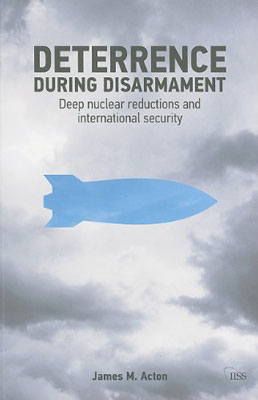
Deterrence During Disarmament: Deep Nuclear Reductions and International Security
Book

Deterrence During Disarmament: Deep Nuclear Reductions and International Security

Although Russia, the United States, and American allies have been loath to downsize their nuclear arsenals, deep reductions would not undermine a nation’s security since arsenal size has little bearing on effectiveness of deterrence.

Link Copied
By James M. Acton
Published on Mar 14, 2011

Source: International Institute for Strategic Studies

After two decades of stagnation, Russia and the United States have pledged their support for reductions in nuclear warheads. But the vision of mutual disarmament remains plagued by doubts on all sides. Russia, the United States, and American allies struggle as ever with the notion that downsizing would be a step into the unknown, and hold on to the belief that, when it comes to deterrence, size matters. Until now, the reasons behind this anxiety—and whether it is justified—have not been properly explored. Based on a series of interviews with opinion formers in Russia and the United States, this Adelphi paper by Carnegie's James Acton examines long-held concerns about the effectiveness of deterrence (including extended deterrence) at low numbers, the possible incentives to use nuclear weapons first in a crisis, the potential for rearmament, and risks surrounding nuclear multipolarity.

Deep reductions in nuclear arsenals are much less problematic than commonly perceived, as the experience of the USSR and the United States in the early Cold War, and China, France, and the United Kingdom over a longer period demonstrates. Taking into account these examples, together with potential stumbling blocks and crisis scenarios, this book contends that arsenal size has little bearing on many of the security challenges usually associated with low numbers, and accordingly, that making deep cuts would not undermine international security.

Click here for further information on ordering copies of this book.

About the Author

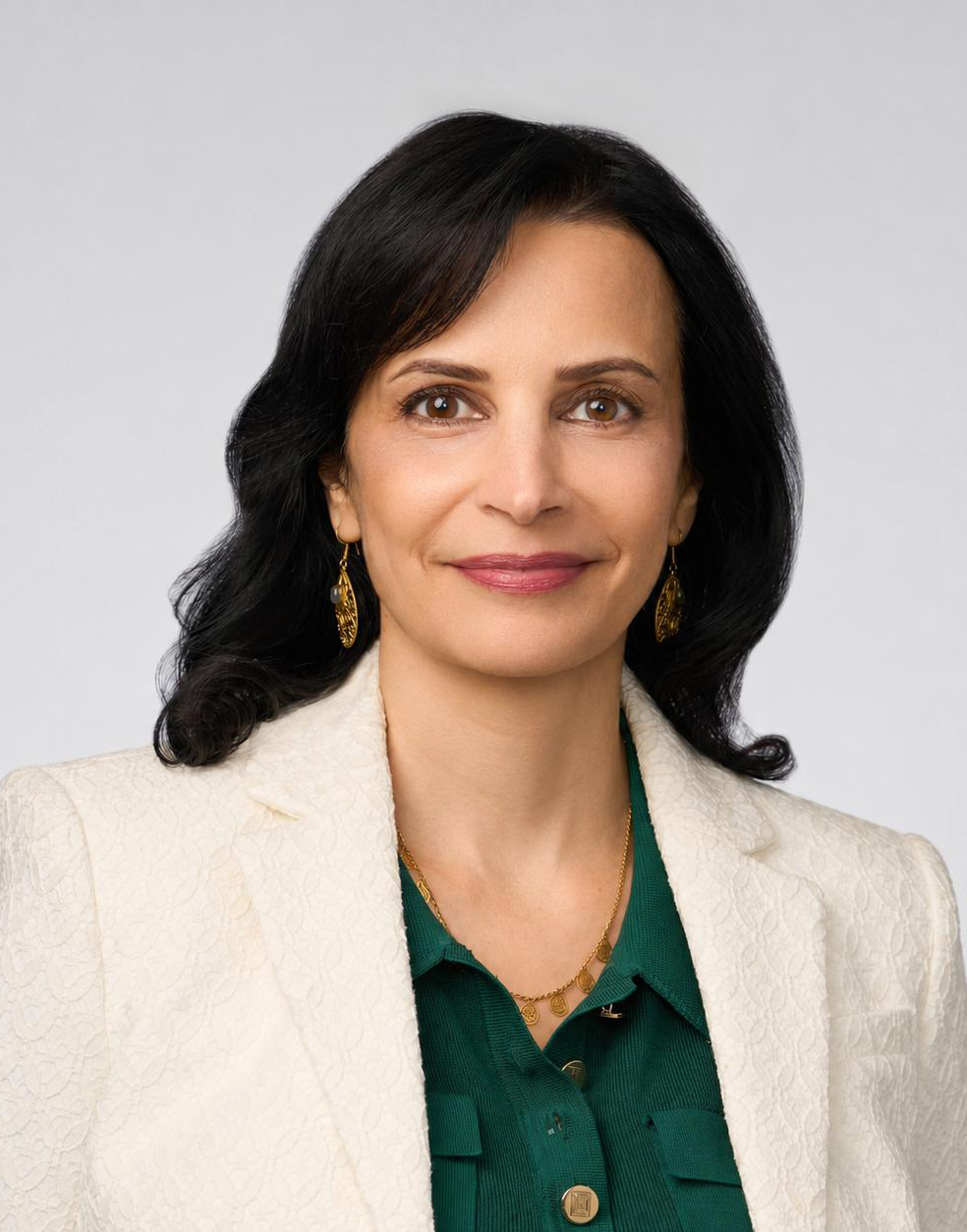
James M. Acton

Jessica T. Mathews Chair, Co-director, Nuclear Policy Program

Acton holds the Jessica T. Mathews Chair and is co-director of the Nuclear Policy Program at the Carnegie Endowment for International Peace.

    Recent Work

  • Other
    Unpacking Trump’s National Security Strategy
      • Cecily Brewer
      • +18

      James M. Acton, Saskia Brechenmacher, Cecily Brewer, …

  • Commentary
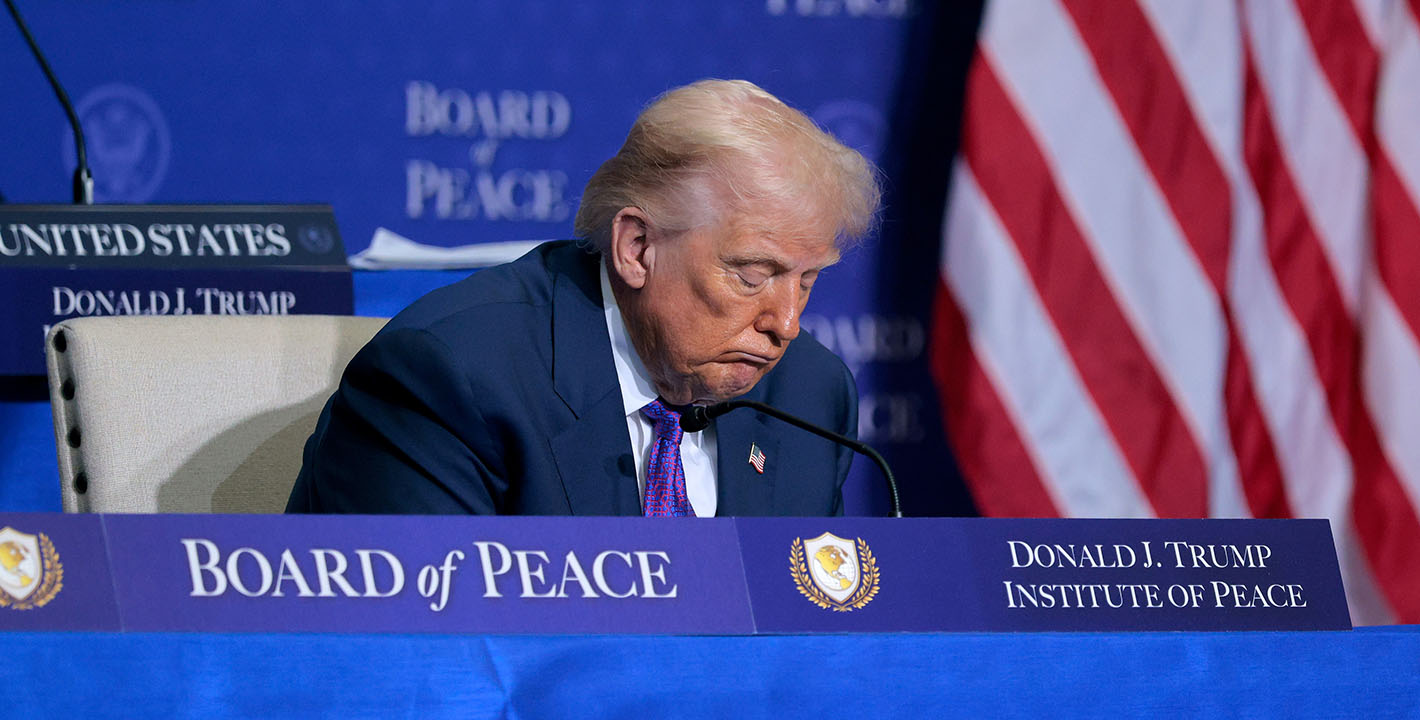
    Trump Has an Out on Nuclear Testing. He Should Take It.

      James M. Acton

James M. Acton
Jessica T. Mathews Chair, Co-director, Nuclear Policy Program
James M. Acton
North AmericaUnited StatesCaucasusNuclear Policy

Carnegie does not take institutional positions on public policy issues; the views represented herein are those of the author(s) and do not necessarily reflect the views of Carnegie, its staff, or its trustees.

More Work from Malcolm H. Kerr Carnegie Middle East Center

  • Commentary
    Diwan
    The United States and Iran Have Agreed to a Two-Week Ceasefire

    Spot analysis from Carnegie scholars on events relating to the Middle East and North Africa.

      Michael Young

  • Commentary
    Diwan
    Iran Rewrites Its War Strategy

    In an interview, Hamidreza Azizi discusses how Tehran has adapted in real time to the conflict with the United States and Israel.

      Michael Young

  • Commentary
    Diwan
    Trump’s Plan for Gaza Is Not Irrelevant. It’s Worse.

    The simple conclusion is that the scheme will bring neither peace nor prosperity, but will institutionalize devastation.

      Nathan J. Brown

  • Commentary
    Diwan
    What Does the Strait of Hormuz’s Closure Mean?

    In an interview, Roger Diwan discusses where the global economy may be going in the third week of the U.S.-Israeli war with Iran.

      Nur Arafeh

  • Commentary
    Diwan
    Tehran’s Easy Targets

    In an interview, Andrew Leber discusses the impact the U.S. and Israeli war against Iran is having on Arab Gulf states.

      Michael Young

Get more news and analysis from
Malcolm H. Kerr Carnegie Middle East Center
Carnegie Middle East logo, white
  • Research
  • Diwan
  • About
  • Experts
  • Projects
  • Events
  • Contact
  • Careers
  • Privacy
  • For Media
Get more news and analysis from
Malcolm H. Kerr Carnegie Middle East Center
© 2026 Carnegie Endowment for International Peace. All rights reserved.