


Paper
Douglas H. Paal
Source: Getty
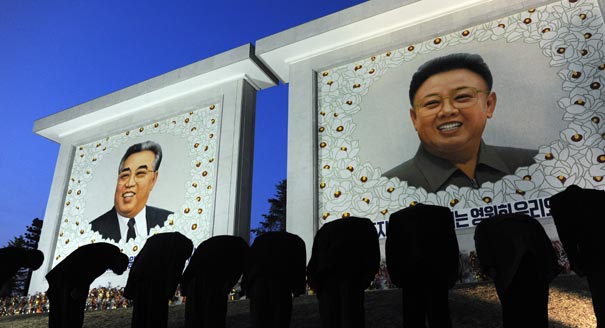
The 1959 movie The Mouse That Roared offers a useful metaphor for understanding North Korea.
I am usually a pretty serious guy and I try to treat my nuclear security threats fairly soberly. North Korea does terrible things to its people and uses threats of annihilation to extract aid from potential victims—sort of like the mafia—but big time.
But the metaphor that has worked for me for years to understand North Korea is the 1955 novel and 1959 movie, The Mouse that Roared. In it, the tiny European Grand Duchy of Fenwick decides to escape from dire economic straits by declaring war on the United States, hoping for speedy defeat and with it the benefits of a new Marshall Plan. The Grand Duchess Gloriana (played by Peter Sellers) dispatches Field Marshall Tully Bascombe (also played by remarkably look-alike Peter Sellers) and 23 men bearing medieval armor and bows and arrows to attack New York City.
In a twist of fate, they find New York’s streets deserted during a public security drill. They stumble into an unguarded weapons lab and discover and take a new secret weapon of mass destruction, the Q Bomb. Their armor persuades civil guards to believe they are from Mars and therefore dangerous.
With the Q Bomb safely back in Fenwick, the Grand Duchess, advised by her Prime Minster Count Rupert Mountjoy (also resembling close relation Peter Sellers), decides to set terms for peace. All nuclear nations must be subjected to international inspection of their nuclear arsenal and a group of the “Tiny Twenty” nations must be formed to balance the big powers. When the Duchess proceeds to marry Tully, the bomb is discovered by its creator to be a dud, but the secret is maintained to preserve world peace.
With North Korea, you have the makings of another enduring comedy. There is the whacko family with some obvious hints of inbreeding. There is an unreliable weapon of mass destruction that nonetheless inspires prudent fear. The country is undoubtedly impoverished and has recently experienced a much witnessed “failure to launch.” Yet it harbors grand expectations to be well rewarded—or else.
Roll ‘em.
Distinguished Fellow, Asia Program
Paal previously served as vice chairman of JPMorgan Chase International and as unofficial U.S. representative to Taiwan as director of the American Institute in Taiwan.
Recent Work
Douglas H. Paal


Douglas H. Paal, Tong Zhao, Chen Qi, …
Carnegie does not take institutional positions on public policy issues; the views represented herein are those of the author(s) and do not necessarily reflect the views of Carnegie, its staff, or its trustees.
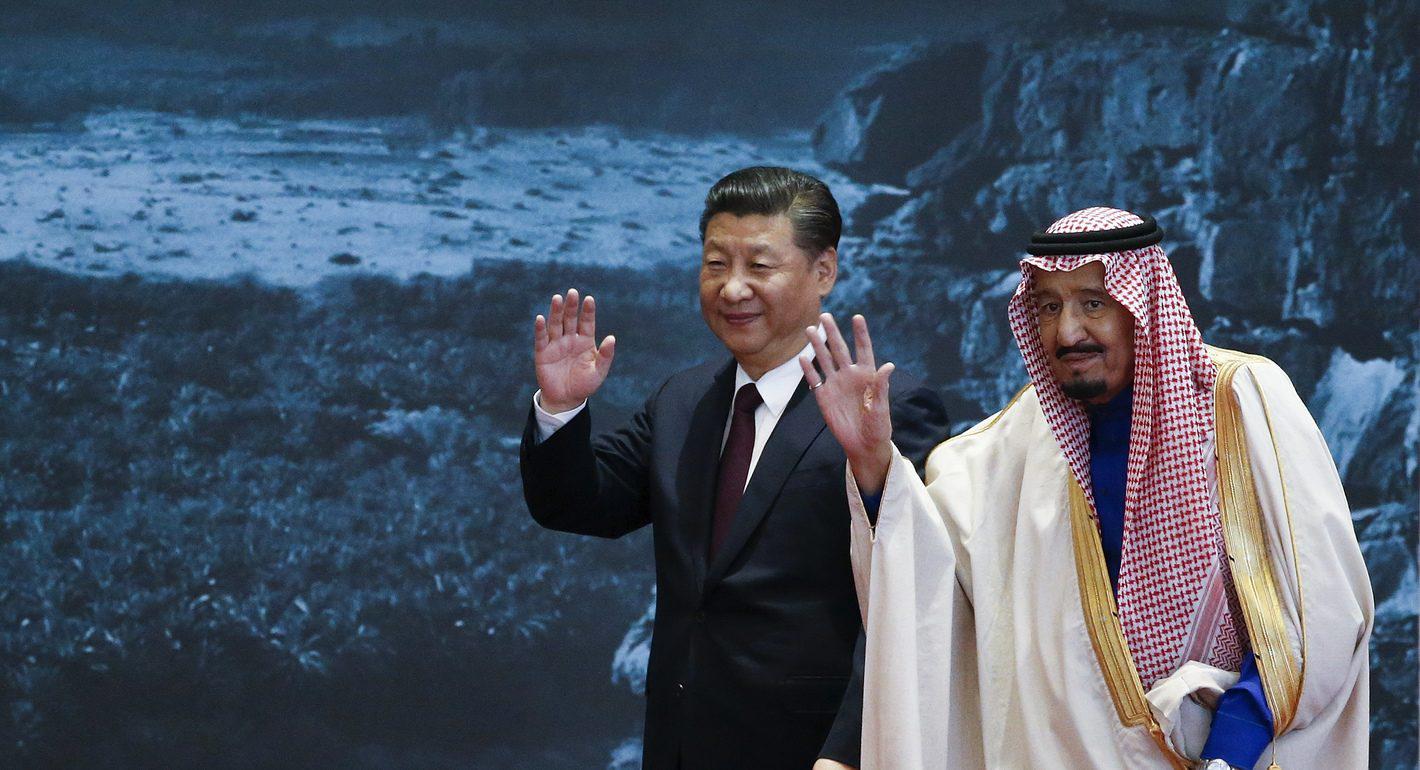
The advantage that China has over other global powers, especially America, is that its foreign policy is closely aligned with those of many of the Middle Eastern countries.



Jin Liangxiang, Maha Yahya, Hesham Alghannam
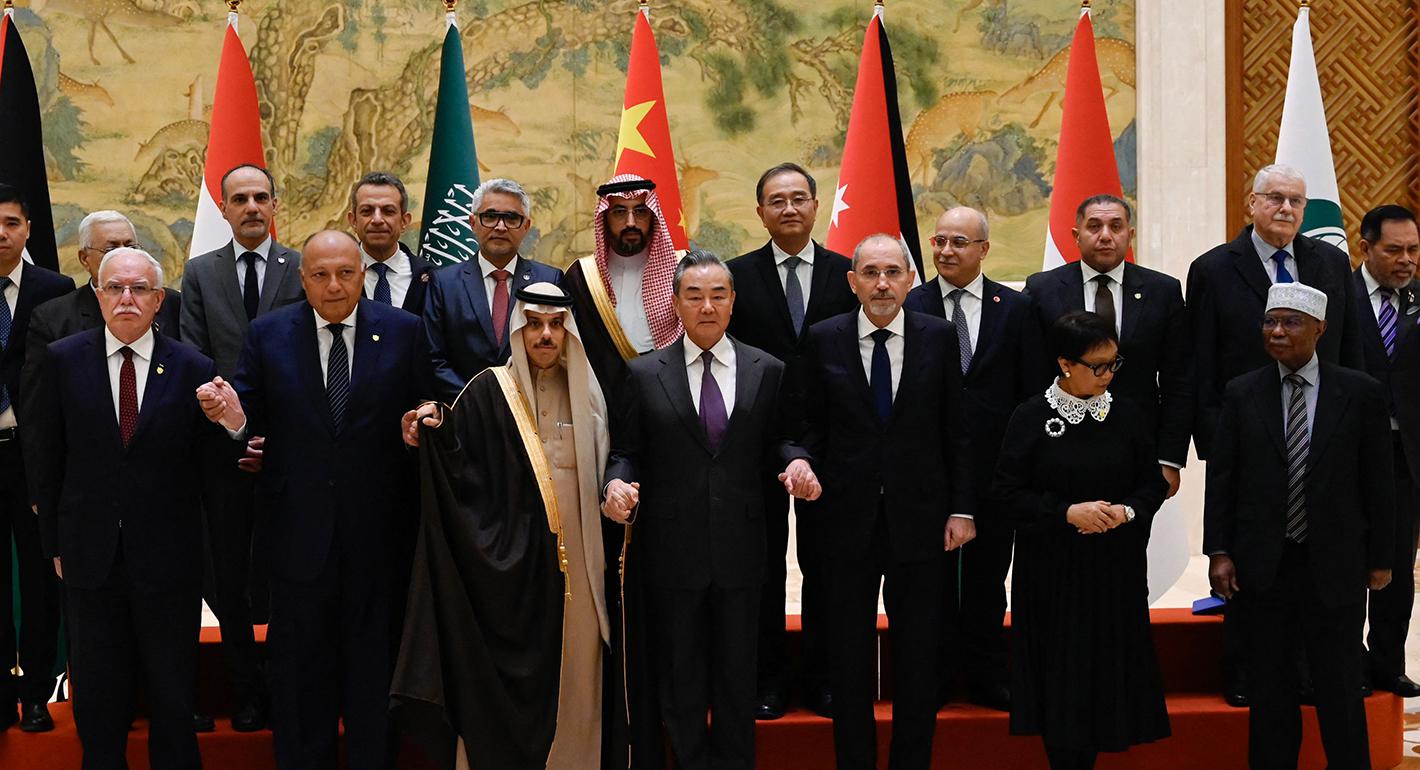
To create an environment more conducive to cooperation and development, U.S. and Chinese efforts should seek the endorsement of neighboring countries and regional organizations. Otherwise, regional and geopolitical rivalries will remain barriers.
Abdullah Baabood
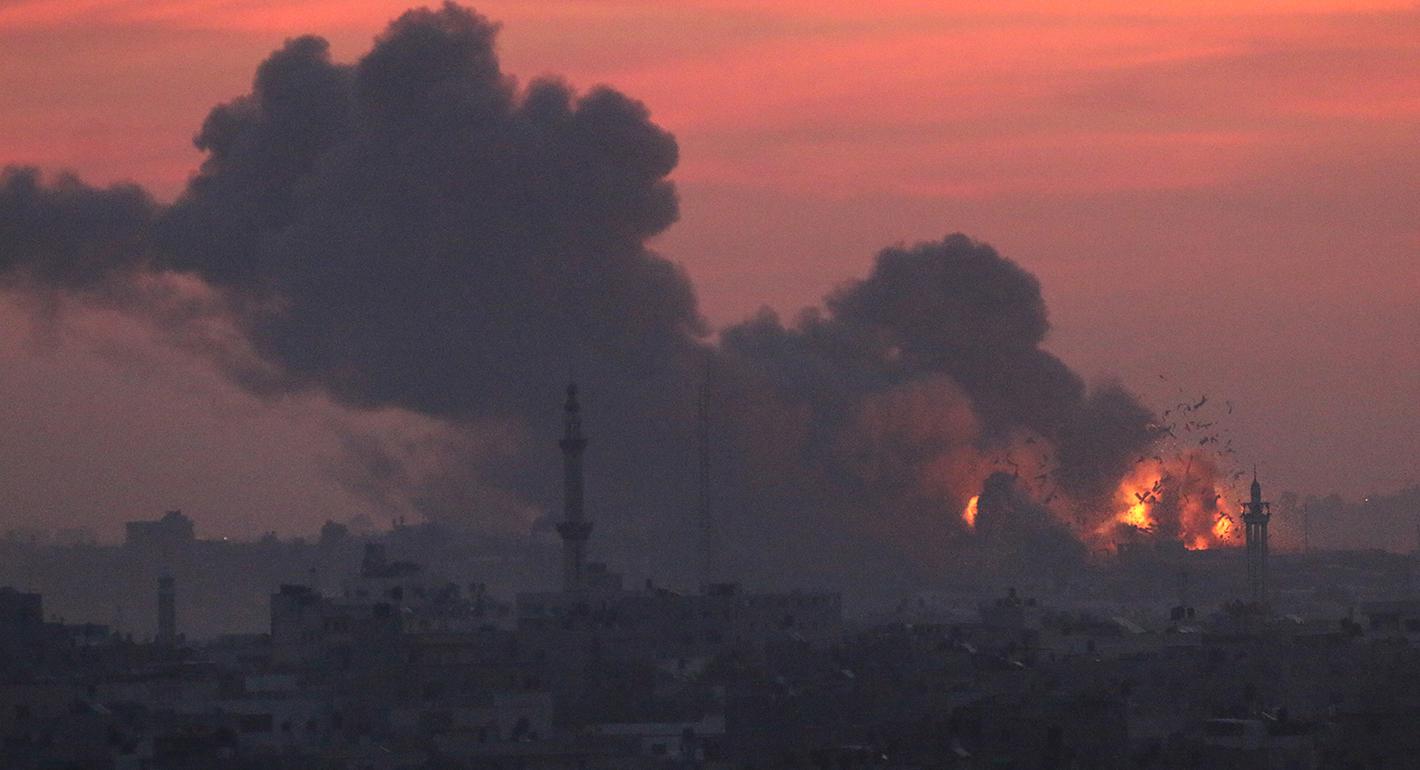
Scholars from Carnegie’s global network comment on how the ongoing conflict between Israelis and Palestinians is affecting their areas of interest, and what the implications of this may be.


Maha Yahya, Rosa Balfour, Judy Dempsey, …
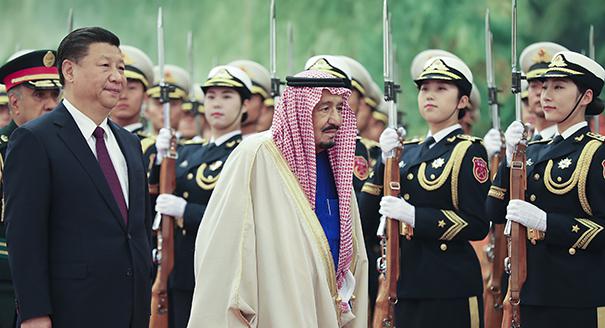
In an interview, Abdullah Baabood discusses Beijing’s evolving role in the Gulf region, where its priority is stability.

Michael Young

Because of its reliance on the Gulf region for much of its oil and gas, China has a strong interest in preserving security in the region, an early example of which was its mediation of the recent Saudi Arabia-Iran reconciliation.
Abdullah Baabood