

Commentary
As talks begin between Washington and Tehran, Beirut has an opening to advance a regional plan for the party’s disarmament.
Michael Young
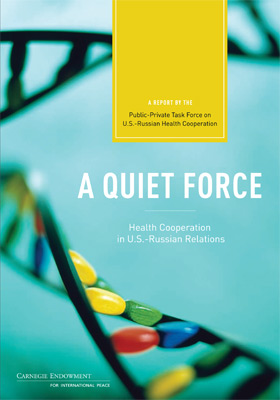
U.S.-Russian public health cooperation has led to extraordinary achievements, from the development and production of the Sabin polio vaccine to the eradication of smallpox. But the full potential of this collaboration has not yet been achieved.
U.S.-Russian public health cooperation has led to extraordinary achievements, from the development and production of the Sabin polio vaccine to the eradication of smallpox. But the full potential of this collaboration has not yet been achieved. Deeper bilateral engagement could drive innovation and economic growth for both countries and the world. Unlocking this latent power requires leadership, resources, know-how, and strong institutional foundations.
Transform the relationship into one of equal partners. Russia and the United States should move past their post-Soviet donor-recipient relationship and address global health challenges as equal partners.
Find areas where interests align. Focusing on issues that affect multiple stakeholders, such as noncommunicable diseases, will attract the resources and know-how to advance the relationship.
Maintain the momentum of cooperation. Collaboration on a regular basis, not just during times of crisis, will help ensure effective responses at critical times.
Recognize the importance of Track II activities. Facilitating interactions such as peer-to-peer exchanges will build relationships that can produce real outcomes.
Encourage public-private cooperation. Collaboration across sectors will generate the optimal combination of political leadership, technological know-how, and resources.
Take advantage of regional- and state-level strengths. Establishing cooperative relationships at the state level in the United States and the regional level in Russia may help accelerate progress.
Carnegie does not take institutional positions on public policy issues; the views represented herein are those of the author(s) and do not necessarily reflect the views of Carnegie, its staff, or its trustees.
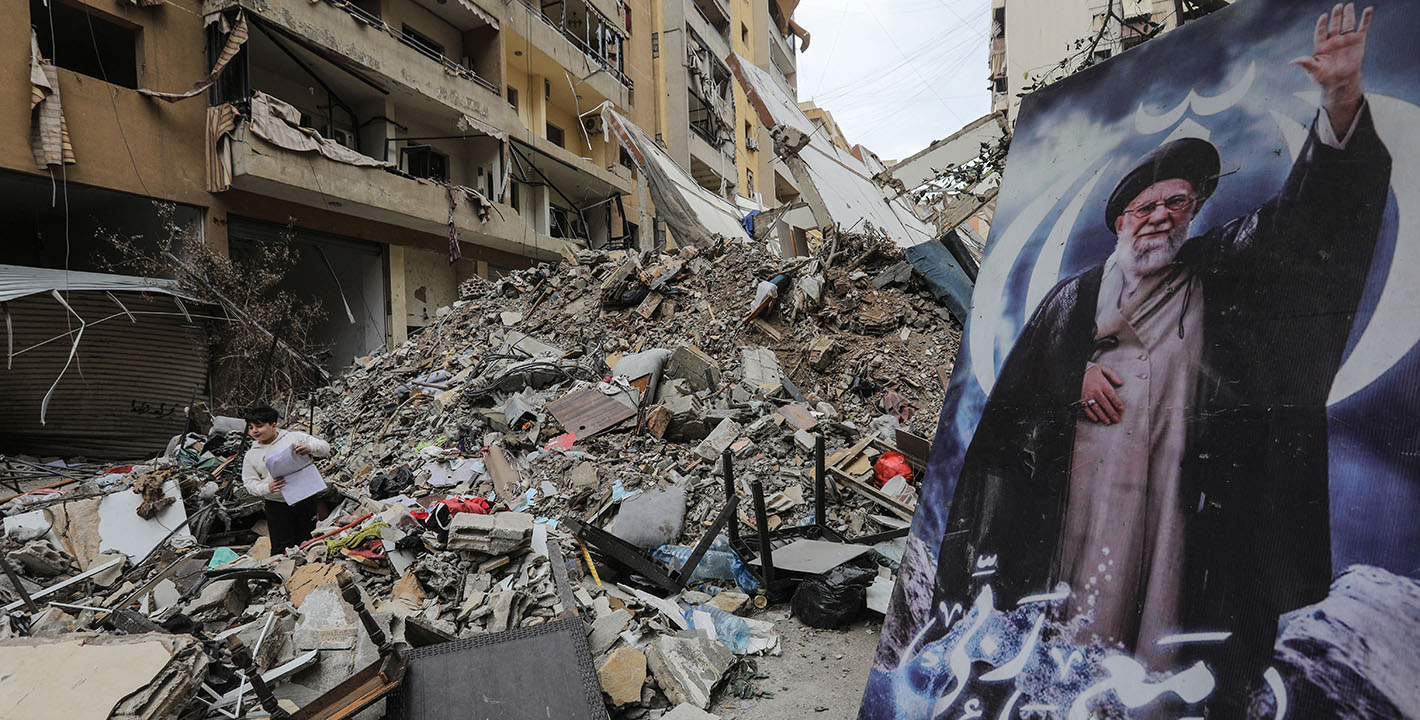
As talks begin between Washington and Tehran, Beirut has an opening to advance a regional plan for the party’s disarmament.

Michael Young
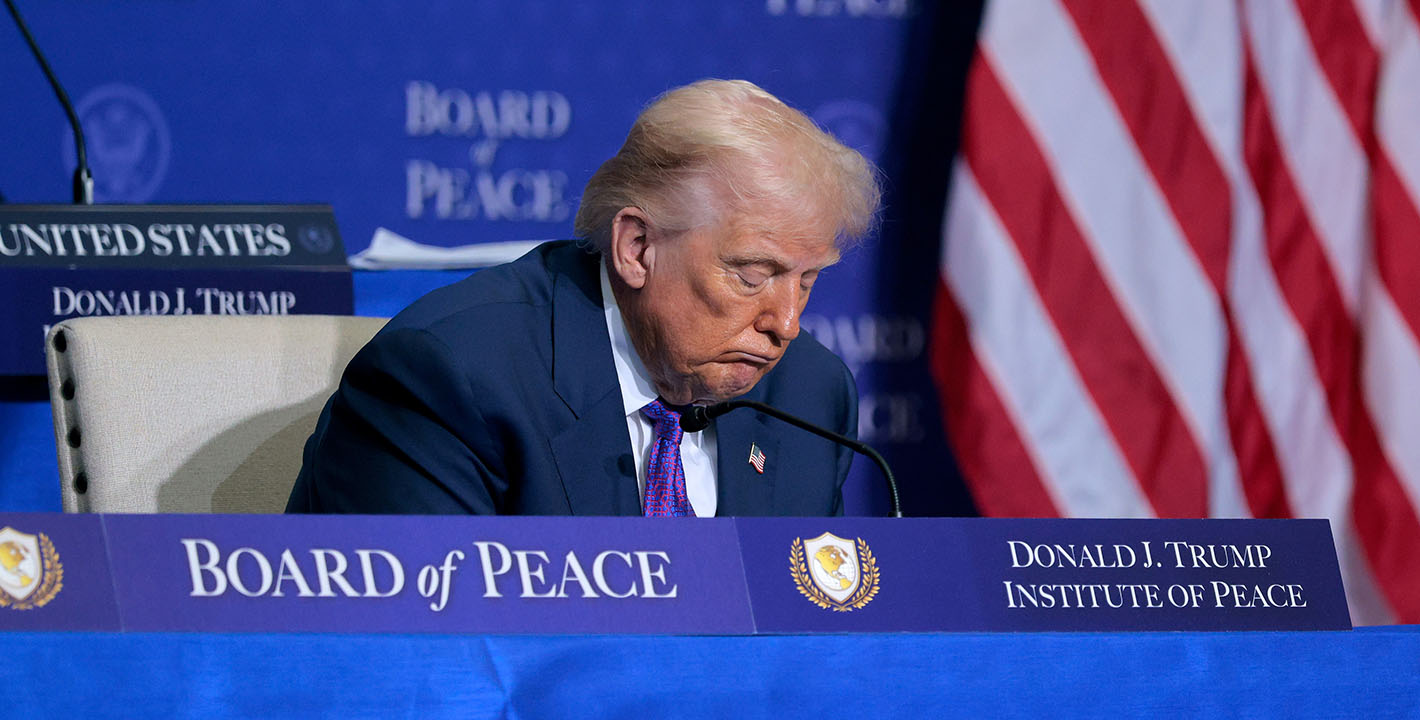
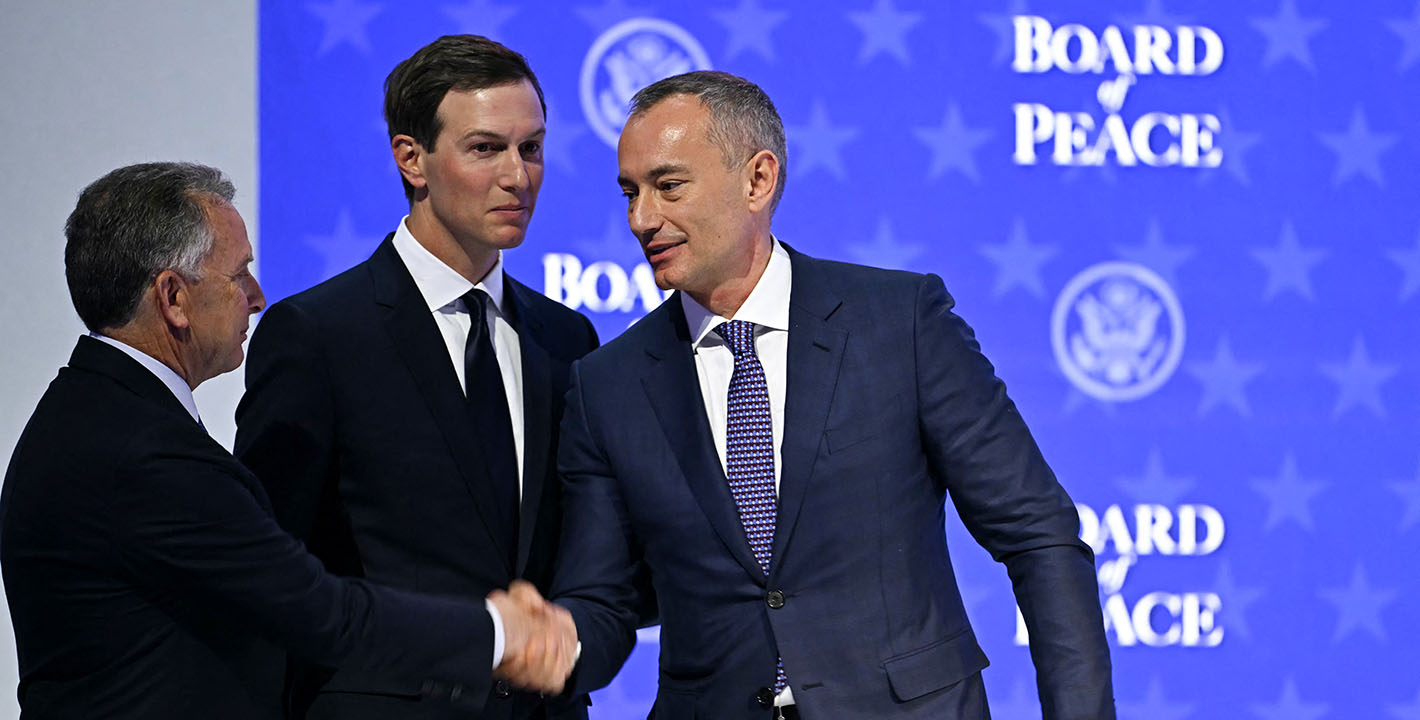
What is behind Marco Rubio’s announcement that the body is now an international nongovernmental organization?
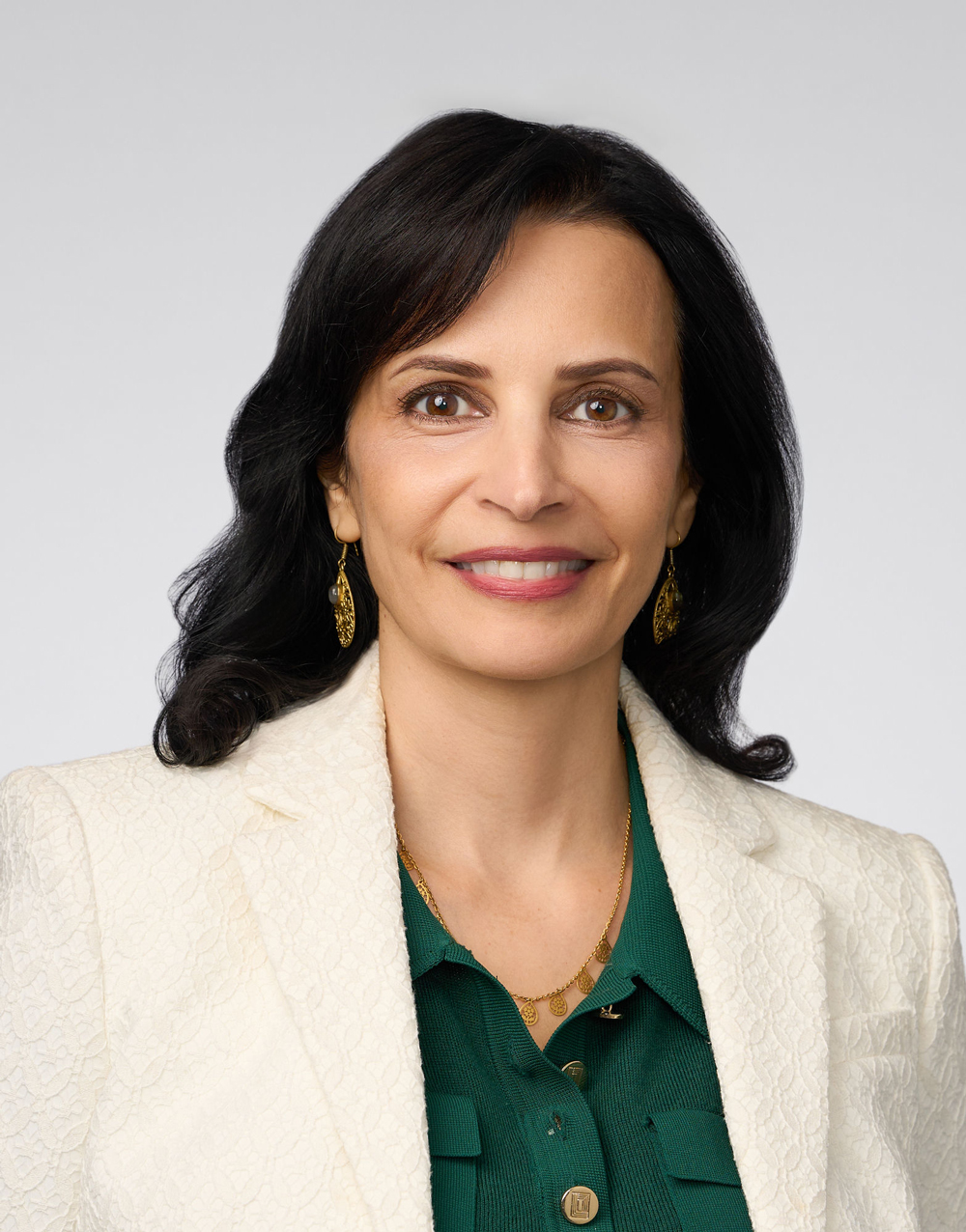
Zaha Hassan
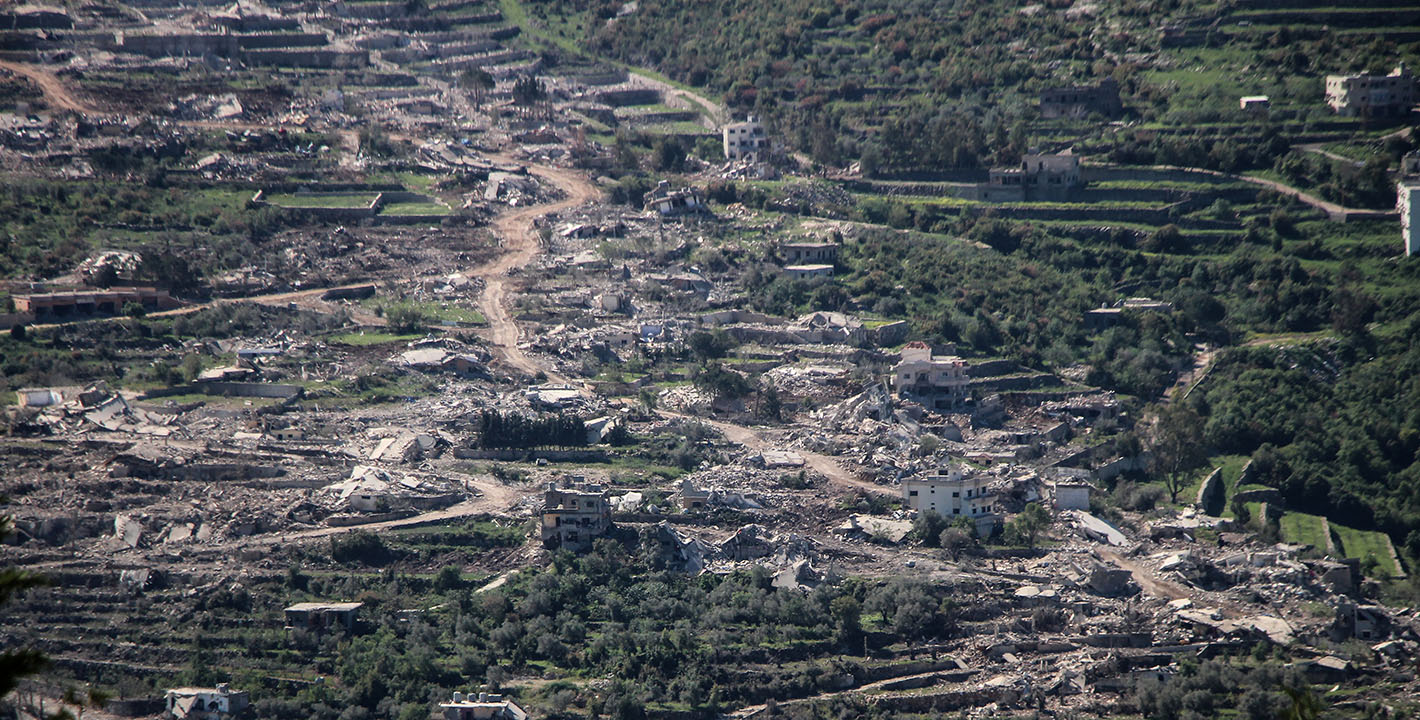
Policy discussion is ignoring that the Palestinian national project is hollowed out and apartheid is a present danger.

Nathan J. Brown
As negotiations with Iran and Lebanon continue, chaos is at the heart of the Netanyahu government’s calculations.
Michael Young
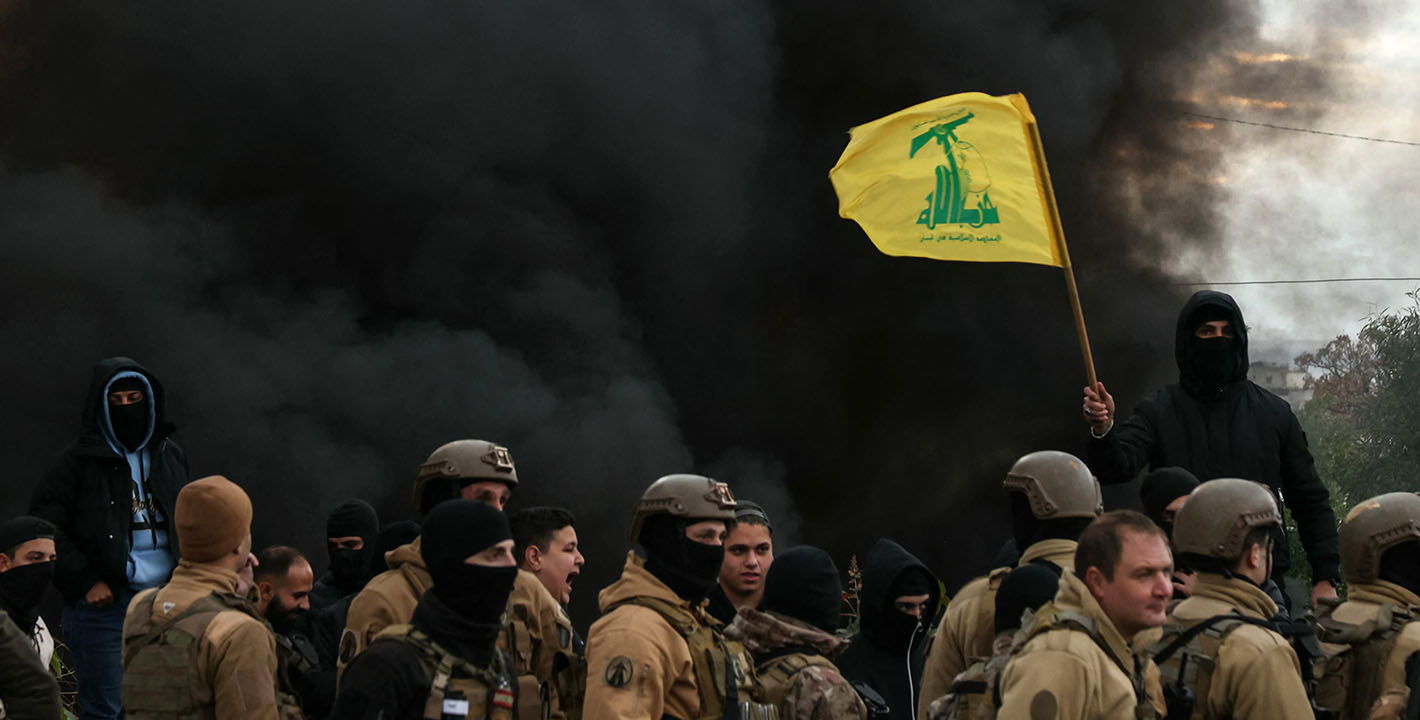
The party’s domestic and regional roles have changed, so Lebanon should devise a disarmament strategy that encompasses this.
Michael Young