

Commentary
Richard Youngs
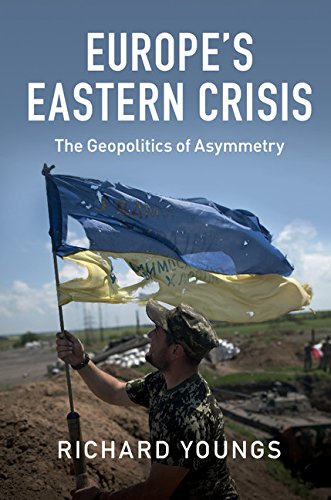
In recent years, a series of crises have erupted on the European Union’s eastern borders. In response, the EU has begun to map its own form of “liberal-redux geopolitics” that combines various strategic logics.
Source: Cambridge University Press
In recent years, a series of crises have erupted on the European Union’s eastern borders. Russia’s annexation of Crimea and the subsequent conflict in eastern Ukraine presented the EU with a major foreign policy challenge, both in Ukraine and across the other countries of the Eastern Partnership. In response, the EU has begun to map its own form of “liberal-redux geopolitics” that combines various strategic logics. This book traces the effect of these crises on the foreign policy of the EU, examining the changes in policies toward the countries on its eastern borders, the EU’s review of the Eastern Partnership, as well as the EU’s relations with Russia overall. It goes on to uncover whether the EU has contained the crisis or if it has set up new conditions for more instability in the future.
“Richard Youngs’s new account of the complex geopolitical context in the Eastern Partnership region provides a nuanced, sophisticated, and empirically rich study that is invaluable in taking into account the opinions of diplomats, policymakers, and civil society in the EaP states themselves.”
—Eka Tkeshelashvili, head of EU Anti-Corruption Initiative in Ukraine, former Georgian foreign minister, and president of the Georgian Institute for Strategic Studies
“Ukraine and other states between these two ‘empires’ feel the heat again, and Richard Youngs’s book expertly maps a complex mosaic of power, ambition, and brinkmanship. Youngs’s engaging and balanced analysis is indispensable reading for everyone trying to comprehend the ongoing geopolitical turn and the evolution of the EU’s foreign and security policy.”
—Jan Zielonka, professor of European Politics, University of Oxford

Senior Fellow, Democracy, Conflict, and Governance Program
Richard Youngs is a senior fellow in the Democracy, Conflict, and Governance Program, based at Carnegie Europe. He works on EU foreign policy and on issues of international democracy.
Recent Work
Richard Youngs


Richard Youngs, ed., Elena Viudes Egea, Zselyke Csaky, …
Carnegie does not take institutional positions on public policy issues; the views represented herein are those of the author(s) and do not necessarily reflect the views of Carnegie, its staff, or its trustees.
In an interview, Roger Diwan discusses where the global economy may be going in the third week of the U.S.-Israeli war with Iran.

Nur Arafeh
In an interview, Andrew Leber discusses the impact the U.S. and Israeli war against Iran is having on Arab Gulf states.

Michael Young
In an interview, Sergei Melkonian discusses Armenia’s and Azerbaijan’s careful balancing act among the United States, Israel, and Iran.

Armenak Tokmajyan
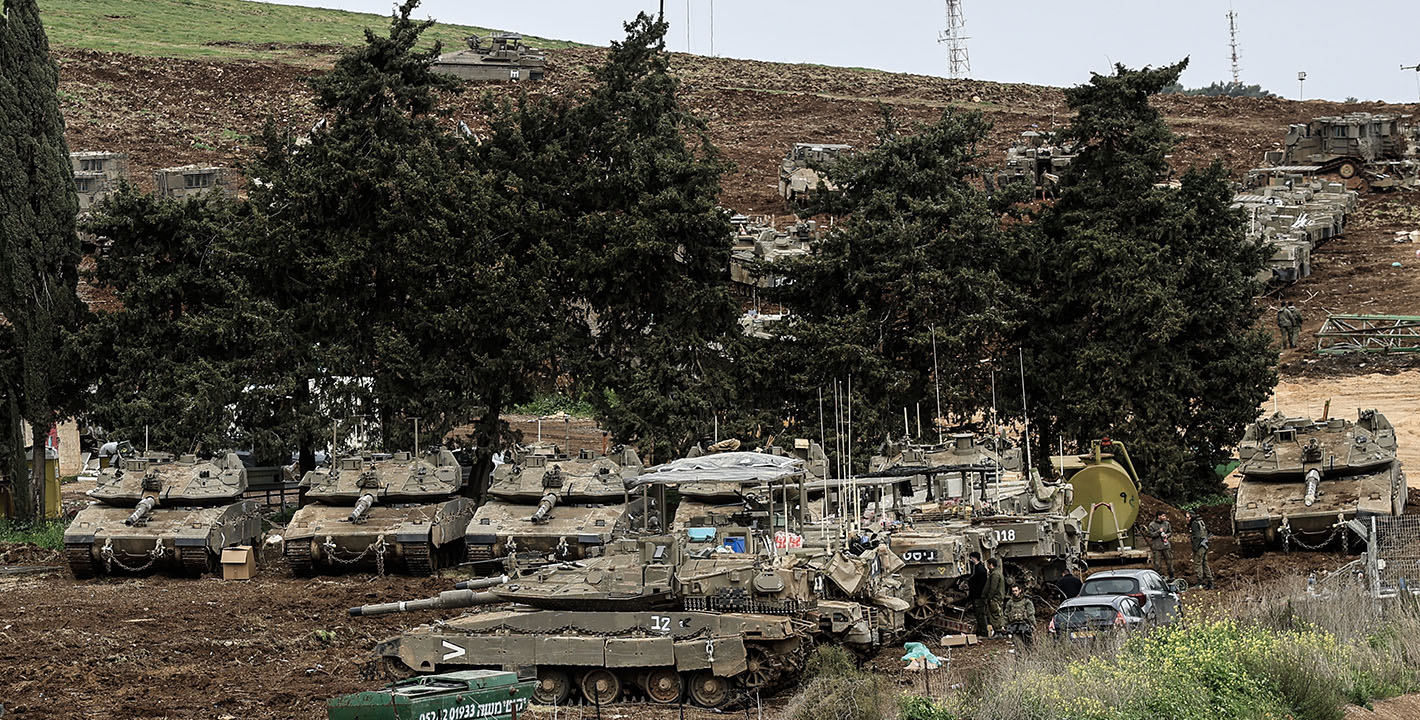
The country’s strategy is no longer focused on deterrence and diplomacy, it’s about dominance and degradation.

Nathan J. Brown
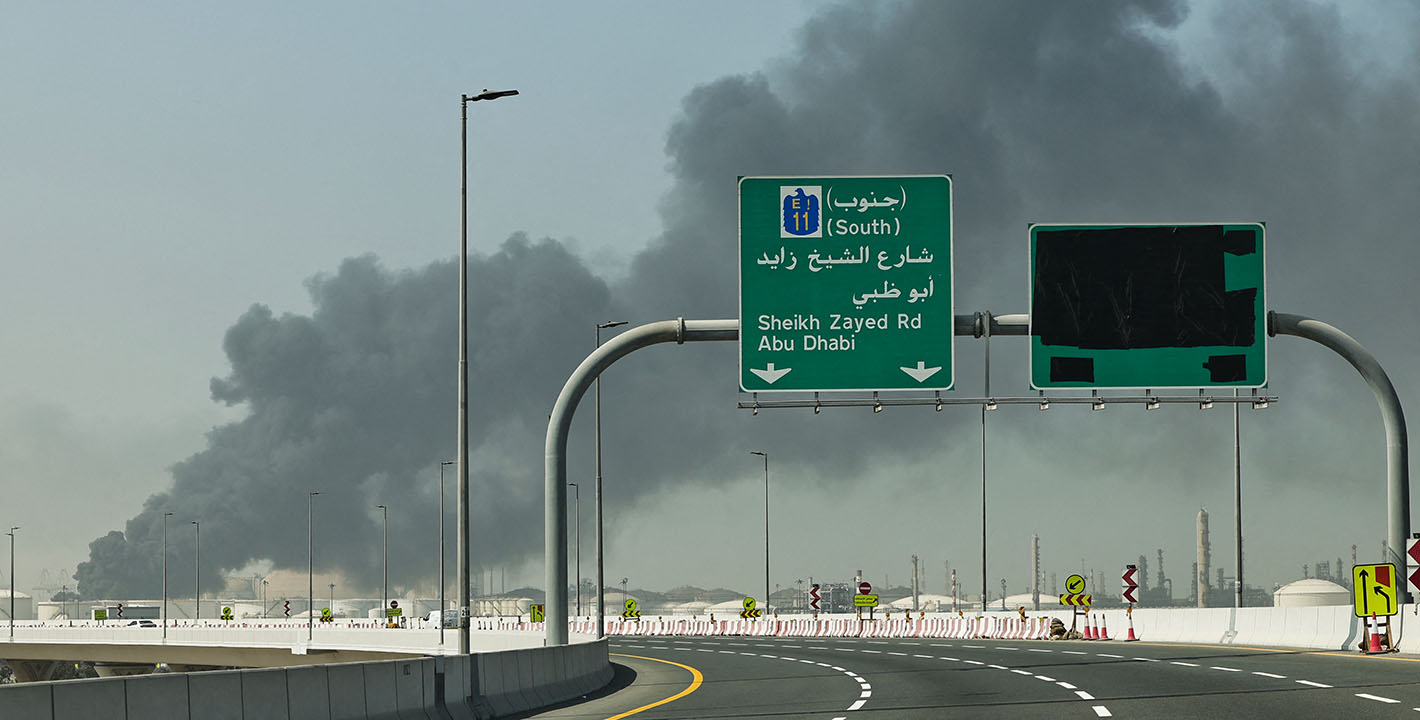
The countries in the region are managing the fallout from Iranian strikes in a paradoxical way.

Angie Omar