

Article
By ensuring that Russia’s war is operationally pointless, Ukraine can survive, adapt, and achieve success, no matter how prolonged the war.
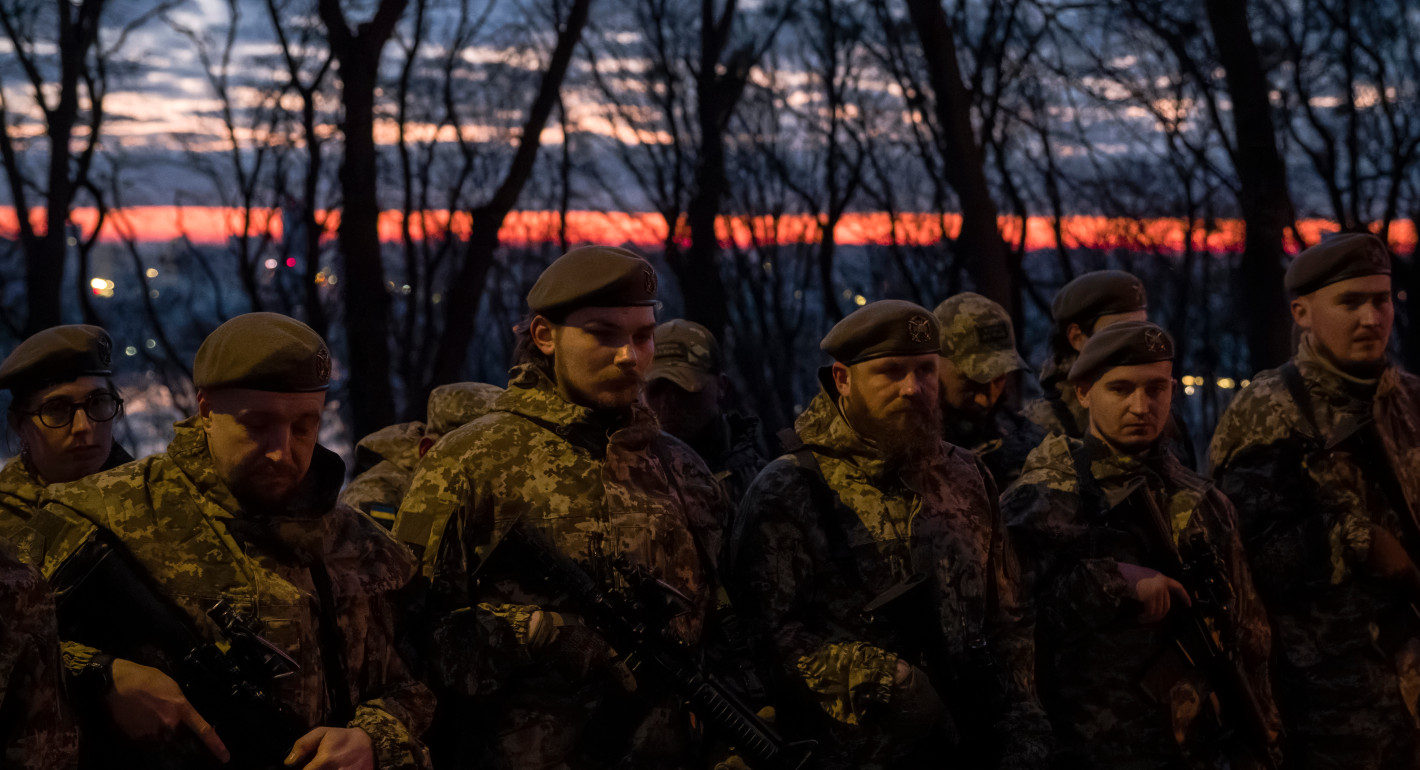
Source: Getty
Strategy and force design are key to solving Kyiv’s persistent manning and readiness problems.
Ukraine is facing an increasingly acute military manpower challenge. Severe shortages in frontline units, reduced voluntary recruitment, fatigue among long-serving personnel, record rates of absence without leave, and growing public unease with mobilization practices have become defining features of the war. But these pressures are not evidence of a collapse in Ukraine’s national will to fight: Ukraine continues to field a large and resilient force under sustained pressure from a numerically superior adversary. Rather, the manning crisis reflects a system that is operating under extreme strain while simultaneously adapting to a rapidly changing form of warfare. Recognizing this reality is a prerequisite for understanding how Ukraine can improve and adapt its force generation process.
Ukraine’s manpower challenges are not primarily demographic. Even after accounting for casualties, medical and other exemptions, and outmigration, Ukraine retains a substantial pool of military-age citizens: enough to fill the armed forces’ ranks and to sustain a credible defense. However, it has become much harder under wartime conditions to convert the country’s demographic potential into trained and motivated military personnel. Ukrainian authorities have acknowledged these pressures and initiated a range of long-overdue corrective measures, including legal reforms to the mobilization framework, efforts to professionalize recruitment institutions, expanded use of digital tools, and initiatives aimed at improving training and conditions of service.
At the same time, improving Ukraine’s mobilization policy will not be enough on its own to resolve the country’s persistent manning and readiness problems. The government’s ability to deliver additional recruits is not the only factor underpinning the effectiveness and readiness of military units. This article argues that effective and sustainable force generation in Ukraine depends on a strategic force development approach based on a credible theory of victory, effective operating concepts, fast adaptation, and robotization.
Improving Ukraine’s mobilization policy will not be enough on its own to resolve the country’s persistent manning and readiness problems.
Ukraine and its partners must have strategic clarity about what constitutes military success and how it can realistically be achieved, including by means of automation in some operations. That clarity must be translated into doctrines and concepts that reflect the transformed battlefield environment, provide necessary technologies and equipment, enable successful adaptations to be scaled across the force, and offer better and more survivable conditions of service for soldiers.1 Only within such a framework can Ukraine’s recruitment, retention, and mobilization policies transition from solely managing the manpower crisis to building a durable military capability.
Over the past several years, public and policy debates on Ukraine’s manpower situation have focused on deficiencies in the country’s mobilization policy and its implementation as the primary factors underpinning manning shortfalls along the front lines. Common recommendations include improving the legal framework governing conscription, professionalizing recruitment institutions, curbing abuses and corruption, expanding incentives for voluntary service, and strengthening training pipelines. Each of these proposals—some of which the Ukrainian government has already adopted—is aimed at addressing real and well-documented shortcomings, particularly those that have damaged public trust in the mobilization system.
After Ukraine concluded its last major offensive operation in 2023, voluntary inflows declined sharply. Efforts to compensate through coercive recruitment have frequently resulted in lower-quality intake, exacerbating discipline, fitness, and motivation problems inside units and increasing the burden on already overstretched commanders.
Highly visible cases of abusive practices, legal overreach, and selective enforcement of mobilization have undermined Ukrainians’ perception of the process’s legitimacy, increased public anxiety, and provided fertile ground for Russian information operations. The military’s growing reliance on coercive enforcement practices has even led to the coining of a new term, “busification,” to refer to the forcible detention of military-age men on the street and their transport by bus to enlistment centers.2 While most mobilization actions occur without incident, the reputational damage inflicted by a smaller number of high-profile cases has been significant. The Ukrainian government has sought to fix the image of the recruitment system, but more work needs to be done.
Manning outcomes are shaped not only by intake mechanisms, but also by conditions inside the force itself.
Even still, Ukraine’s experience over the past two years suggests that improvements in the country’s mobilization policy, while necessary, are not sufficient on their own. Even where legal authority exists and enforcement mechanisms are strengthened, personnel shortages persist across many military units. Conversely, some units operating under the same national mobilization framework have been more successful in attracting and retaining personnel. This divergence indicates that manning outcomes are shaped not only by intake mechanisms, but also by conditions inside the force itself.
Within the force, the number of cases of absence without leave (AWOL) has risen considerably. But the rise in AWOL cases has more to do with the varying, often inadequate, conditions of service than with a declining willingness to fight. Many service members cite combat exhaustion, uncertainty about rotation or demobilization timelines, questionable competence of commanders, and misalignment between expectations and service realities as reasons for going AWOL. A subset of those who go AWOL eventually return to service after a temporary respite, whether to their original unit or to a different one with better conditions of service.
Lowering the mobilization age or expanding the pool of conscripts may increase numbers on paper, but without addressing how personnel are trained, employed, and sustained, such measures risk accelerating attrition rather than stabilizing force strength. Mobilization policy governs intake; it is far less effective at determining retention or effectiveness. Without a broader framework that explains where the war is going, how success is defined, and how individual service contributes to that outcome, mobilization reforms will keep Ukraine in survival mode without helping it transition to a more sustainable long-term force model.
To solve its manning challenges, Ukraine must treat personnel not as a stand-alone resource, but rather as one element within a broader military capability. Modern armed forces do not generate effectiveness simply by assembling people; they convert human resources into combat power through an integrated system encompassing doctrine, organization, training, materiel, leadership, personnel management, and supporting infrastructure. In U.S. and NATO terminology, this is referred to as the DOTMLPF framework. Ukraine has adopted and begun implementing this formula as part of its NATO reform.
Seen through this lens, manpower availability is best understood as an outcome of how well these elements function together rather than as an independent variable to be managed in isolation. Where capability components are coherent and mutually reinforcing, personnel shortages tend to be less severe and more manageable. Where they are not, manning problems persist regardless of demographic potential or mobilization policy.
Successful units offer conditions of service that, while demanding, are perceived as professional, purposeful, and survivable.
This relationship is not merely theoretical. A consistent empirical pattern emerges among units of the Ukrainian armed forces that are widely regarded as effective.3 Commanders of such units tend to approach capability holistically rather than as a collection of disconnected inputs. They look at leadership, training, internal organization, equipment, doctrine, and force protection in parallel. Successful units employ personnel in ways that reflect new battlefield realities rather than legacy doctrines. As a result, these units offer conditions of service that, while demanding, are perceived as professional, purposeful, and survivable.
By contrast, weaknesses in any part of the capability system manifest quickly as manpower stress. Inadequate training, a mismatch between doctrine and the operational environment, poor coordination, or ineffective leadership increase casualty rates, accelerate exhaustion, and undermine confidence. Mobilization may temporarily fill gaps in such units, but it does not resolve the underlying causes of attrition in them. Personnel flow becomes reactive, with continuous intake required simply to sustain minimal force levels.
Differences in manning levels across the Armed Forces of Ukraine are not random. They reflect a pattern of revealed preference: Personnel consistently seek assignment to units that demonstrate coherent capability and predictable force employment, even when those units operate in high-risk environments. Units such as the 13th Khartiia Brigade, the 3rd Separate Assault Brigade, or the 412th Unmanned Systems Brigade “Nemesis” illustrate this dynamic. While differing in missions and organizational histories, they share an approach to capability development that centers around combat effectiveness and personnel survivability.
The Khartiia Brigade of the National Guard of Ukraine was formed in 2022 and widely regarded as one of the most forward-thinking formations in the force. Built with substantial private support and drawing on experienced personnel from across the armed forces, it has deliberately adopted NATO-aligned organizational practices, developed a strong non-commissioned officer corps, and invested heavily in reconnaissance, situational awareness, and the integration of unmanned systems. This coherent, cross-dimensional approach to capability—combining leadership, doctrine, training, and technology—has translated into both strong battlefield performance and sustained attractiveness for personnel.
The 3rd Assault Brigade demonstrates that motivated, combat-effective formations can sustain manpower by building their own parallel recruitment infrastructure, brand identity, and screening pipelines, rather than relying solely on Ukraine’s centrally managed mobilization systems. The brigade’s ability to attract several hundred volunteers per month—including experienced soldiers seeking transfer from other units—shows how a unit’s reputation and internal culture can materially improve force generation even under prolonged war conditions.
The 412th Unmanned Systems Brigade, also known as “Nemesis,” demonstrates how very high-tech, mission-focused formations can attract motivated personnel by offering recruits the chance to negotiate their terms and locations of service in advance, receive advanced technical training, and participate in cutting-edge drone warfare. The rapid growth of Nemesis from a battalion into a brigade highlights how operational relevance, visible battlefield impact, and a strong performance-based reputation can translate into sustained manpower generation even under severe mobilization pressure.
Crucially, all of these units do not merely execute legacy doctrines; each has developed its own successful doctrines. Through continuous experimentation, fast adaptation, and internal learning, they articulate a central idea of how they fight under current conditions. This operating-concept-driven approach shapes training, tasking, force protection, continuous equipment improvement, and personnel management. Over time, it becomes internalized as unit-level doctrine.
These units’ high rates of recruitment also show that enough Ukrainians are willing to accept the high risks associated with combat when their training is credible, they can trust their leadership, the internal culture of their unit is professional, and they can count on high-quality post-injury or post-loss support for soldiers and families. From an individual’s perspective, gravitating toward such units is a rational response to uneven capability across the force. Systemically, however, this self-sorting deepens disparities across the force, draining weaker units and amplifying overall manning stress. The Ukrainian military leadership’s ongoing efforts to build corps-level formations on the basis of the most successful brigades could serve to alleviate such challenges, but Ukraine still needs to fill gaps in officers trained to operate at higher-level commands.
Ukrainians are willing to accept the high risks associated with combat when their training is credible, they can trust their leadership, the internal culture of their unit is professional, and they can count on high-quality post-injury or post-loss support.
The technological character of the battlefield has changed profoundly. Unmanned systems, electronic warfare, sensor transparency, precision fires, and rapid adaptation cycles have fundamentally altered how combat power is generated and how personnel are exposed to risk. In this environment, doctrine becomes decisive. Effective doctrine is a key element of any successful capability. How forces fight matters more than how many soldiers they field. Units that adapt doctrine to new environments—integrating dispersion, concealment, reconnaissance, and unmanned systems—generate greater operational effect per soldier while reducing attrition.
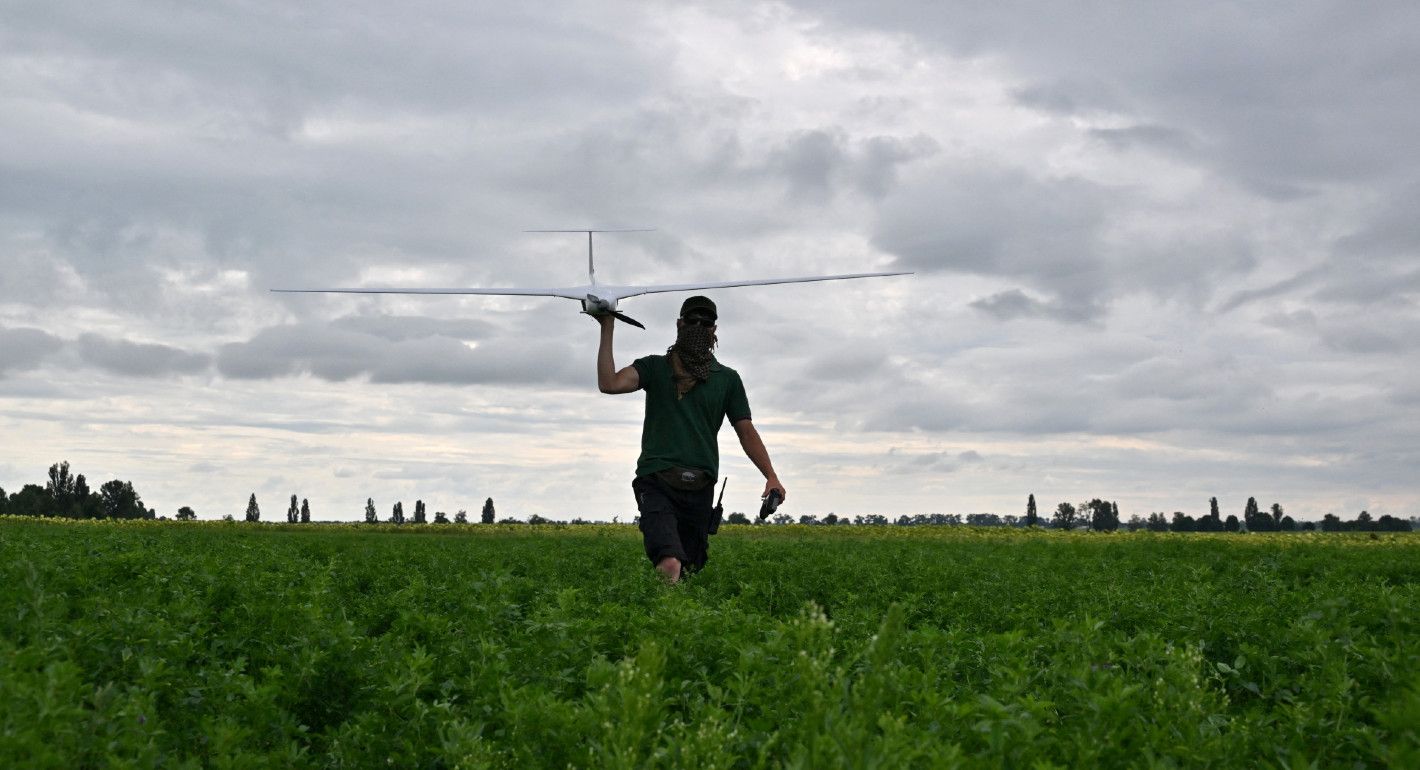
Ukraine’s drone-enabled units provide the clearest illustration. They account for a substantial share of Russian casualties while operating with comparatively limited personnel exposure. Their effectiveness lies not simply in technology, but in operating concepts that focus on disrupting Russian forces’ movement and imposing continuous pressure without the need for constant physical presence. In that way, these units are able to extend the so-called “kill zone”: the area of the front in which coordinated offensives are impossible due to pervasive overhead surveillance. Ukraine’s successful operations in late 2025 in and around Kupyansk offer a vivid example. By systematically targeting Russian units through the coordinated use of drones, artillery, and other remote fires, Ukraine was able to halt and reverse Russia’s offensive while minimizing the number of soldiers required at the point of contact. This operation reinforced the criticality of technology and doctrine as manpower multipliers.
Scaling these operating concepts has the potential to reshape manpower economics in Ukraine’s favor. According to Ukraine’s new defense minister, Mykhailo Fedorov, Ukraine is planning to create dedicated drone assault units—formations built around unmanned and semi-autonomous strike systems—as part of a shift toward conducting offensive operations with substantially fewer personnel exposed to direct combat risk.
Infantry remains indispensable, but how it fights matters more than sheer presence. Units such as the 2nd International Legion have demonstrated that doctrinal adaptation can significantly reduce casualties while sustaining effectiveness. The unit, which was disbanded and merged into a larger assault brigade in late 2025, had an experimental operational model resembling light cavalry that employed shock tactics. Its unique doctrine was developed by Ukrainian professional military officers with prior combat experience. Although the experiment is unfinished, it offers valuable lessons for other units.
The 429th Unmanned Systems Brigade, known as “Achilles,” illustrates how high-tech, performance-based units with their own operational concepts and doctrinal approaches can attract and retain personnel, sustain morale, and increase combat impact, offering a useful counterpoint to traditional conscript-centric manpower narratives. The Achilles Regiment is one of several units that deploy unmanned ground vehicles (UGVs) and robotic systems not only for logistics and evacuation but also for direct combat roles, such as approaching enemy positions, detecting forces, and engaging targets. This operating concept reduces infantry exposure in high-risk scenarios. The Achilles Regiment is at the forefront of testing and integrating UGVs so that they can partially take over duties traditionally done by humans, easing the pressure on limited personnel resources.
By enabling machines to perform hazardous missions that would otherwise require human soldiers, robotic technologies are preserving manpower and reducing the strain on recruitment and frontline staffing.
The use of robotic units—both aerial and ground-based—has contributed to a significant reduction in soldier casualties, with Ukrainian military officials assessing that losses could be cut by roughly 30 percent through robotic integration in combat units. By enabling machines to perform hazardous missions that would otherwise require human soldiers, robotic technologies are preserving manpower and reducing the strain on recruitment and frontline staffing.
Ukraine must also focus on developing more robust strike capabilities targeted to the operational depths: the area between 30 and 300 kilometers from the line of contact. Russia has been able to generate disproportionate operational effects through its “Rubikon” program, which systematically integrates medium-range strikes against Ukraine’s logistics, command nodes, and support infrastructure. Ukraine is drawing on its own battlefield experience to develop and field “middle-strike” drones that can target Russia’s operational depths, especially its logistics, air defense, and command nodes, in order to reduce pressure on frontline infantry.
In the maritime domain, Ukraine lacks large, crewed warships and has instead adopted unmanned surface vessels and other robotic maritime platforms as a key part of its naval campaign, enabling persistent strike and reconnaissance operations in the Black Sea without risking personnel aboard expensive, vulnerable vessels. The success of drones like Sea Baby and MAGURA shows how robotization can reduce the demand for traditional manpower at sea and reshape naval doctrine around distributed, low-risk autonomous systems rather than large crewed fleets.
Some observers argue that the modern order of battle in Ukraine is increasingly becoming drone-networked, with unmanned systems forming an integrated sensor-to-shooter architecture rather than serving as auxiliary tools. This evolution enables smaller numbers of personnel to generate disproportionate combat effects, reinforcing the idea that technology, networking, and doctrine are now central components of manpower effectiveness.
Ukraine’s armed forces have demonstrated extraordinary bottom-up adaptive capacity. Under combat conditions, many units have experimented with new tactics, organizational arrangements, and technology-personnel combinations. Units that adapt faster tend to survive better. But this adaptation remains largely unit-centric. Successful practices are rarely evaluated, refined, and translated into force-wide guidance. As a result, adaptation remains fragmented. Without a formal mechanism to scale innovation, mobilization policy is expected to compensate for doctrinal and force-design gaps by supplying personnel to inefficient employment models. The result is uneven manpower demand and persistent shortages where capability development lags most.
In NATO practice, doctrine follows operating concepts, not the other way around. Operating concepts are developed through systematic analysis, experimentation, operational design, and force design. This process is not yet institutionalized in Ukraine. What exists instead is an uneven ecosystem of “micro-doctrines” developed under fire.
At the same time, the persistence of unit-level doctrinal diversity reflects not only institutional gaps, but also the tempo of adaptation imposed by the war. The pace of technological and operational change has been so rapid that many Ukrainian units have been compelled to develop and refine their own methods of fighting in real time, rather than waiting for centrally developed doctrine to be disseminated and implemented. This has produced a highly decentralized, bottom-up model of innovation, in which brigades and even battalion-level formations adapt independently to ensure survivability and effectiveness, resulting in significant variation across the force. While this diversity creates uneven outcomes and challenges for standardization, it also reflects a functional response to a conflict in which the speed of adaptation is often decisive; indeed, elements of this approach are increasingly attracting attention within NATO as militaries seek to reconcile centralized force design with the need for faster, more distributed innovation.
Adaptation and force design cannot be sustained without strategic direction. Personnel endurance depends as much on survivability as it does on soldiers’ understanding of whether their service has a purpose and how it contributes to successful battlefield outcomes. A theory of victory provides this linkage. It defines an acceptable military end state and explains how ongoing operations are expected to produce that end state over time. Such a theory need not be public or rigid, but it must exist and shape force design and operating concepts.
Personnel endurance depends as much on survivability as it does on soldiers’ understanding of whether their service has a purpose and how it contributes to successful battlefield outcomes.
Since late 2023, Ukraine’s war effort has relied increasingly on local initiative and short-term problem-solving. While effective tactically, this firefighting approach makes it harder to explain to soldiers how their sacrifices accumulate toward success. Concepts such as strategic neutralization—denying the adversary decisive operational results rather than pursuing narrowly defined territorial objectives—illustrate how such a framework could operate. Where there is clear alignment between operating concepts and strategic effects, manpower problems are minimized. Ukraine’s asymmetric success in the Black Sea demonstrates this logic in practice.
By ensuring that Russia’s war is operationally pointless, Ukraine can survive, adapt, and achieve success, no matter how prolonged the war.
Notably, disparate Ukrainian professional communities all echo this conclusion when reflecting on Ukraine’s asymmetric successes: Ukraine needs a clearer, articulated strategy for how the war is meant to be won. This convergence itself is telling. When voices from analysis, the front line, and operational command independently arrive at the same diagnosis, it underlines that manpower, technology, and adaptation ultimately depend on something higher-order: a shared understanding of purpose, direction, and the expected pathway to success.
Mobilization reform remains essential for Ukraine. Legal clarity, institutional integrity, predictable rotation, and better training pipelines are indispensable. But their effectiveness depends on the environment into which personnel are introduced.
A capability-based approach reframes mobilization as a downstream function of force design. Aligning recruitment and retention with operating concepts and strategic purpose allows manpower policy to reinforce, rather than compensate for, military effectiveness. Where forces are coherently designed, doctrine is adapted, and service is connected to a credible path toward success, manning pressures ease. Where these conditions are absent, mobilization mechanisms are forced into permanent crisis management. Addressing Ukraine’s manning challenge is therefore inseparable from aligning strategy, operating concepts, and force design—so that human effort is not merely expended, but converted into enduring military capability.
Viktor Kevliuk
Colonel (ret.), Armed Forces of Ukraine; Fellow, Centre for Defence Strategies
Viktor Kevliuk, Colonel (ret.), is a fellow at the Centre for Defence Strategies in Kyiv. During his thirty-four-year career in the Armed Forces of Ukraine, he served in a wide range of positions, from platoon commander to brigade chief of staff. He held multiple roles in reserve and mobilization management as well as in the planning and execution of operations during the Russo-Ukrainian War.
Olesya Favorska
Fellow, Centre for Defence Strategies
Olesya Favorska is a fellow at the Centre for Defence Strategies in Kyiv. She previously served as an adviser to the minister of defense of Ukraine and headed the Reforms Project Office at the Ministry of Defense (2019–2020). Favorska holds a master of arts from Georgetown University’s Edmund A. Walsh School of Foreign Service and focuses on defense management and Euro-Atlantic security.
Nonresident Scholar, Russia and Eurasia Program
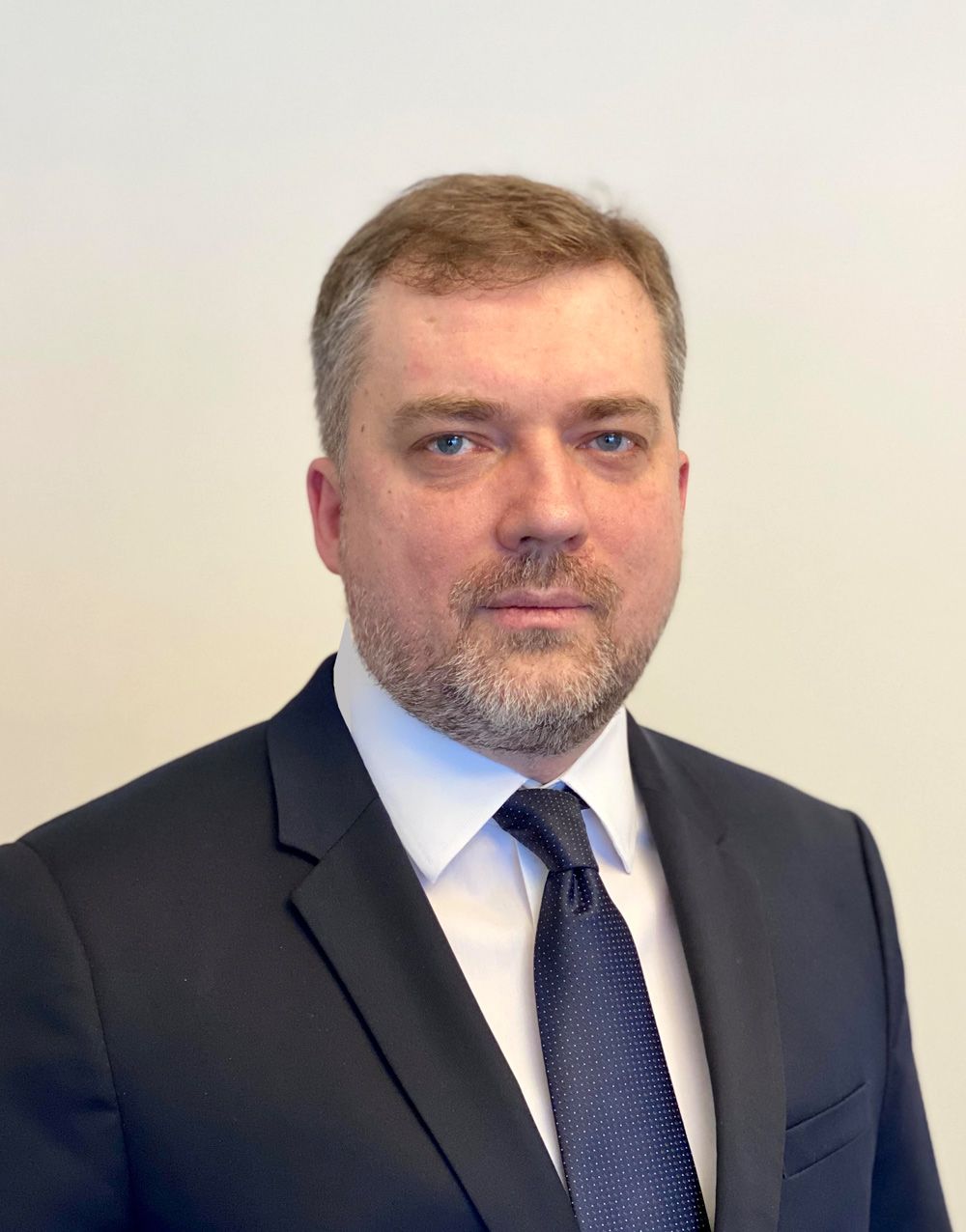
Andriy Zagorodnyuk is a nonresident scholar in the Russia and Eurasia Program at the Carnegie Endowment for International Peace. He served as the defense minister of Ukraine from 2019 to 2020. He currently chairs the Centre for Defence Strategies, a security think tank based in Kyiv that he co-founded.
Gulf states such as Saudi Arabia and the UAE have determined that their national security goes beyond their physical borders. It is just as important to shield their airspace, territorial waters, and even maritime trade routes.
Abdullah Baabood

Antony Blinken took his guitar to Kyiv to lift the spirits of Ukrainians, but Arabs are apparently denied his tunes.

Michael Young
After the latest outbreak of violence, the country’s transition to democracy appears to be a pipedream.

Amr Hamzawy
The landmark agreement is far from a peace deal, but both countries now have vested economic interests in maintaining calm along their common border regions.

Maha Yahya
Some of Russia’s war tactics in Ukraine mirror the strategies Moscow has employed in Syria. The international community should apply the lessons learned then to limit devastation and casualties now.

Emma Beals