

Commentary
The acknowledgment has sparked fears of a new arms race with China and Russia.
Chris O’Meara
{
  "authors": [
    "Stephen Tankel",
    "Ryan Evans",
    "Erin Simpson",
    "Francis Gavin"
  ],
  "type": "legacyinthemedia",
  "centerAffiliationAll": "dc",
  "centers": [
    "Carnegie Endowment for International Peace"
  ],
  "collections": [],
  "englishNewsletterAll": "ctw",
  "nonEnglishNewsletterAll": "",
  "primaryCenter": "Carnegie Endowment for International Peace",
  "programAffiliation": "SAP",
  "programs": [
    "South Asia"
  ],
  "projects": [],
  "regions": [
    "South Asia"
  ],
  "topics": [
    "Foreign Policy"
  ]
}
Source: Getty
Is scholarship relevant to the policymaker? Is the academy preparing people to go into the policy world?
Source: War on the Rocks
The Schoolhouse series of the War on the Rocks podcast is concerned with the intersection between policy and the academy. Is scholarship relevant to the policymaker? Is the academy preparing people to go into the policy world? Guests grappled with these questions and more, telling their own stories of how they came be involved as scholars in the policy world, in the field in Afghanistan, and the private sector. This episode had Frank Gavin of MIT, Erin Simpson of Caerus Associates, and Stephen Tankel of American University. Gavin noted that the incentives for graduate students work against getting involved in policy early in their careers. Simpson discussed the role that her experience working in Afghanistan had in her intellectual and career development, and Tankel explained how a policy fellowship in the Pentagon made him a better researcher.
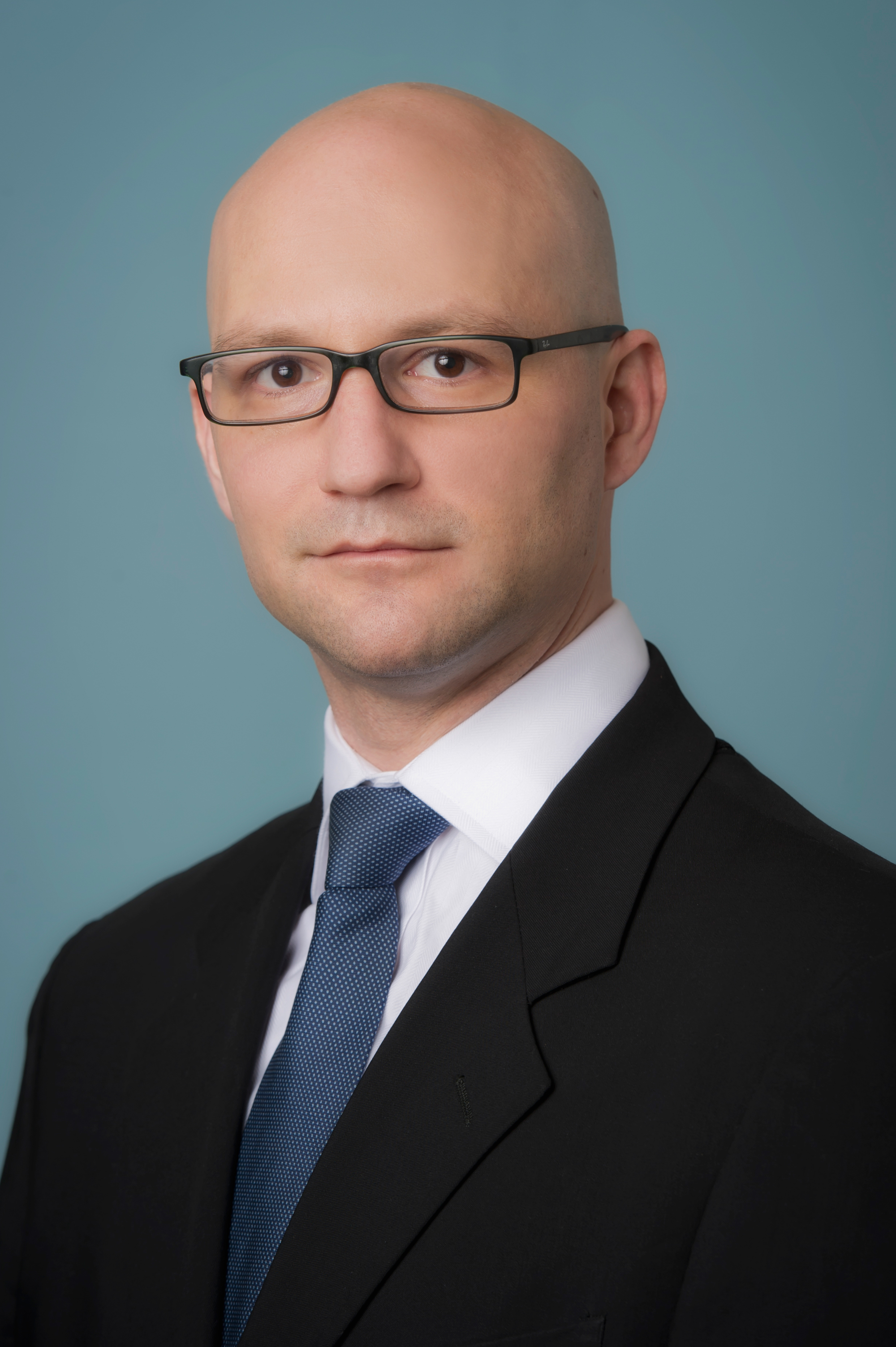
Former Nonresident Scholar, South Asia Program
Tankel was a nonresident scholar at the Carnegie Endowment, where his research focuses on insurgency, terrorism, and the evolution of nonstate armed groups.
Ryan Evans
War on the Rocks
Erin Simpson
Caerus Associates
Francis Gavin
MIT
Carnegie does not take institutional positions on public policy issues; the views represented herein are those of the author(s) and do not necessarily reflect the views of Carnegie, its staff, or its trustees.

The acknowledgment has sparked fears of a new arms race with China and Russia.

Chris O’Meara

Smaller powers cannot go it alone, but Canadian history shows that integration with the United States will not always be benign.
Paul Samson

The European Commissioner for Trade is headed to China. But after President Xi’s bridge-building visit to Washington, can a more isolated EU overcome Beijing’s stranglehold on critical raw materials? Who will blink first?

Rym Momtaz, ed.
The summit may be remembered as a fatal blunder, when Washington, Beijing, and the AI industry collectively chose ceremony over action.
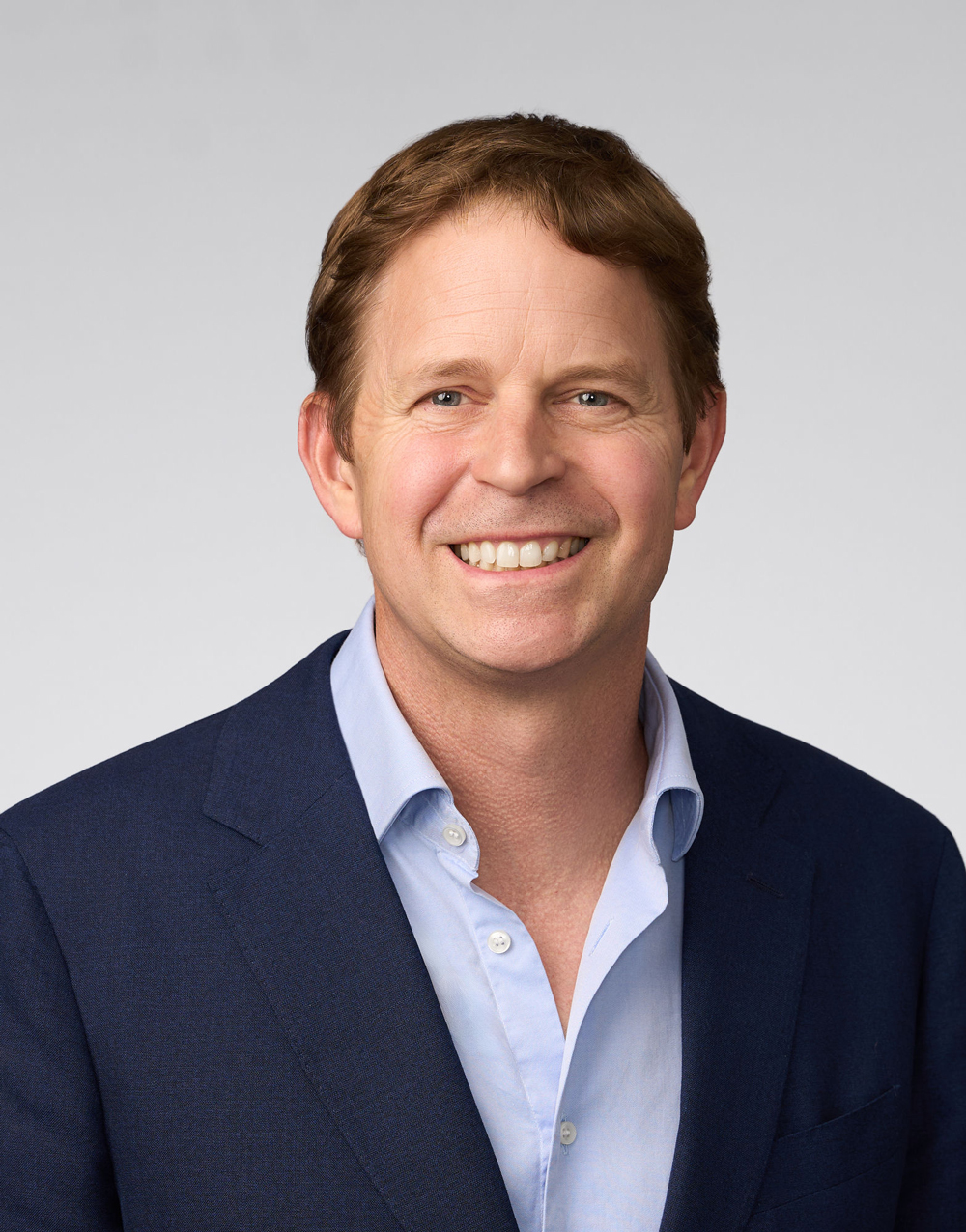
Jeffrey Prescott

European NATO countries are wrestling with the possibility of U.S. disengagement from the alliance. With the continent’s security increasingly uncertain, governments must restore the credibility of their collective defense.



Hans-Dieter Lucas, Adam Thomson, Pierre Vimont