

Комментарий
Никита Смагин
{
  "authors": [
    "Никита Смагин"
  ],
  "type": "commentary",
  "blog": "Carnegie Politika",
  "centerAffiliationAll": "dc",
  "centers": [
    "Carnegie Endowment for International Peace",
    "Берлинский центр Карнеги"
  ],
  "collections": [],
  "englishNewsletterAll": "ctw",
  "nonEnglishNewsletterAll": "",
  "primaryCenter": "Берлинский центр Карнеги",
  "programAffiliation": "russia",
  "programs": [
    "Russia and Eurasia"
  ],
  "projects": [],
  "regions": [
    "Ближний Восток",
    "Россия",
    "Россия и Кавказ"
  ],
  "topics": [
    "Внешняя политика США",
    "Экономика"
  ]
}
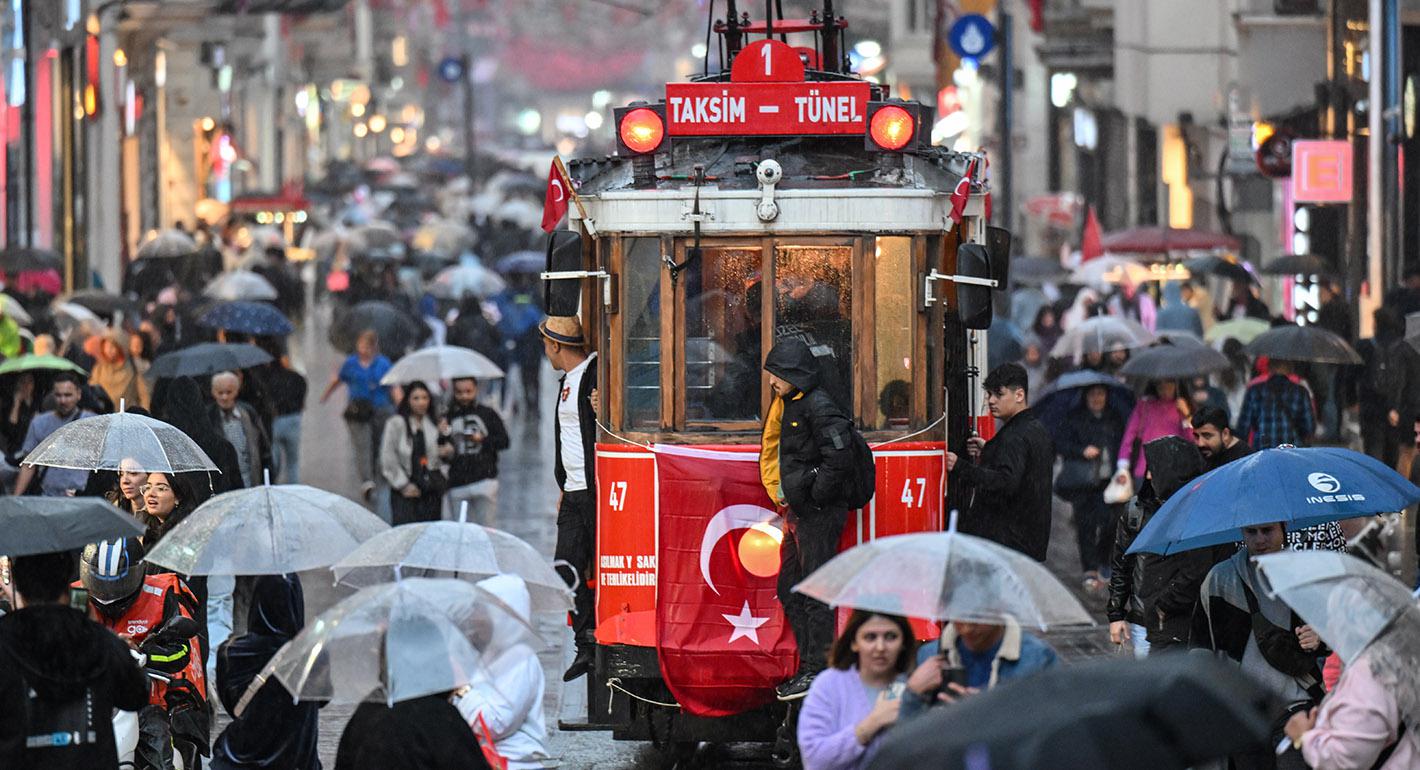
Источник: Getty
После распада СССР Россия активно заимствовала западные, прежде всего европейские, практики в судопроизводстве и работе бюрократического аппарата. Но теперь европейский вектор, похоже, окончательно угас и на смену ему идут другие образцы
После начала российского вторжения в Украину и разрыва Москвы с Западом Ближний Восток стал занимать все больше места в политике и экономике России, превратившись во второго по значению партнера после Китая. Торговля с ближневосточными странами быстро растет, через них в Россию прокладываются новые транспортные коридоры, в регионе с местными ВНЖ и паспортами оказались сотни тысяч россиян, бежавших от войны и мобилизации, а российские СМИ и соцсети много и охотно обсуждают ближневосточные конфликты. Чем дальше, тем больше новая роль Ближнего Востока трансформирует саму Россию, которая постепенно перенимает ближневосточные практики.
Россия вышла на ближневосточную арену еще несколько лет назад — в 2015 году, когда начала военную кампанию в Сирии. С тех пор Москва из пассивного наблюдателя превратилась в одного из активных участников политических процессов в регионе.
Однако до 2022 года Ближний Восток был для России лишь одним из многих направлений во внешней политике. Все изменила война с Украиной: последовавшая за ее началом изоляция со стороны Запада заставила Россию спешно искать альтернативных партнеров в самых разных сферах, и всего через год ближневосточные страны стали уступать по своему значению для Москвы разве что Китаю.
Больше всего впечатляет торгово-экономический скачок в отношениях с Турцией. Товарооборот с ней за 2022 год вырос примерно в два раза, приблизившись к $70 млрд. Больше РФ теперь торгует только с КНР. К тому же Турция стала для России незаменимым партнером в самых разных сферах — от авиаперелетов до высокотехнологичного импорта.
Качественно изменились отношения с Ираном, который выступает важным военным союзником России в украинском конфликте. Помимо наделавших шуму дронов, иранцы поставляли российской стороне бронежилеты, каски, снаряды, ракеты для систем залпового огня и патроны.
Резко выросло значение Объединенных Арабских Эмиратов. Мало того, что торговый оборот вырос на 68%, до $9 млрд, страна стала важным звеном в цепочках параллельного импорта электроники, в первую очередь микрочипов, а также одним из главных направлений для эмигрирующих и просто выезжающих за рубеж российских граждан.
Новую важность обрели отношения с Саудовской Аравией. Москва теперь координирует с Эр-Риядом и свою стратегию в экспорте нефти, и подходы к ближневосточным конфликтам.
Сюда можно добавить целый ряд масштабных проектов России на Ближнем Востоке, которые уже реализуются или будут запущены в ближайшее время. Это, например, транспортный коридор «Север — Юг» через Азербайджан и Иран к Индийскому океану и газовый хаб в Турции.
Наконец, никуда не делась и Сирия, где по-прежнему находится единственная военная база России за пределами постсоветского пространства. Москва вольно или невольно остается непосредственным участником урегулирования многолетнего сирийского конфликта.
Еще одним новым обстоятельством в отношениях России с Ближним Востоком стало появление в регионе огромной российской диаспоры. В 2022 году в первую десятку стран по числу российских релокантов вошли Турция и ОАЭ. Точной статистики количества переехавших нет, но одна только Турция за прошлый год выдала гражданам России более 150 тысяч видов на жительство. В 2023 году получить или продлить этот документ стало значительно сложнее, но число россиян в стране все равно остается на порядок больше, чем в довоенные годы.
В ОАЭ в 2022-2023 годах в разы выросло не только количество российских туристов и релокантов, но и число зарегистрированных россиянами компаний. Еще одним важным направлением стал Израиль, куда с начала 2022-го по середину 2023 года репатриировалось в общей сложности более 60 тысяч россиян. В целом же война в Украине привела к тому, что несколько сотен тысяч россиян переехали жить на Ближний Восток.
Неудивительно, что российские СМИ начали гораздо активнее обсуждать ближневосточные конфликты. В регионе проживает много россиян, а у них в России осталось еще больше друзей и родственников, для которых Ближний Восток теперь гораздо ближе.
Правда, война заставила Москву радикально изменить свой подход к конфликтам в регионе. Если раньше она стремилась занимать равноудаленную позицию, то теперь сдвигается к одной из сторон. Риторика российских властей пока не стала откровенно антиизраильской, но Москва все больше солидаризируется с исламскими странами Ближнего Востока. И это тоже неслучайно, учитывая их растущее значение для России.
Результаты этого проявляются самым неожиданным и временами шокирующим образом. Толпа агрессивных демонстрантов под антиизраильскими лозунгами громит посольства и аэропорты с криками «Такбир» — обычно такие сюжеты приходят в мировые СМИ именно из стран Ближнего Востока. А теперь еще и с российского Северного Кавказа.
Обилие связей на различных уровнях, большая диаспора россиян, возросшая роль региона для России — все это делает взаимное влияние неизбежным. Ближневосточная культура в самом широком ее понимании неизбежно будет проникать в Россию больше и глубже, чем когда-либо ранее.
В 2000-е годы поток побывавших в Турции и Египте российских туристов узнал о кальянах, которые быстро появились в ресторанах по всей России. А сейчас речь идет о гораздо более масштабном движении людей, которые погружаются в ближневосточную реальность намного глубже залетных туристов. Так что дело не ограничится арабскими ресторанами или восточной музыкой.
Вместе с участившимися контактами будет перениматься бизнес-культура, а также специфика финансового сектора. К последствиям уже можно отнести эксперимент по внедрению исламского банкинга, который стартовал в России 1 сентября. Экономическая составляющая проекта сомнительна, зато не вызывает вопросов его символическое значение. Еще важнее то, как ведутся переговоры, каким образом выстраивается рабочая иерархия, как решаются спорные вопросы — все это аспекты, которые будут испытывать влияние ближневосточного вектора.
Контакты с Ближним Востоком участились не только среди российских релокантов и бизнесменов, но и среди чиновников. Иными словами, влияние будет ощущаться и в государственных институтах.
После распада СССР Россия активно заимствовала западные, прежде всего европейские, практики в судопроизводстве и работе бюрократического аппарата. Но теперь европейский вектор, похоже, окончательно угас и на смену ему идут другие образцы. Авторитарная модернизация в Саудовской Аравии, ОАЭ и Катаре вполне может восприниматься в России как опыт, достойный подражания. Не говоря уже о том, что весь 2022 год российские эксперты и чиновники усердно изучали опыт Ирана в обходе санкций.
Во взаимодействии разных обществ действуют те же закономерности, что на уровне отдельных людей: с кем вы больше общаетесь, тот на вас больше и влияет. Резкий поворот России к традиционным ценностям сюда хорошо вписывается. Отношение к семье, религии, роли женщины в обществе — на Ближнем Востоке есть что позаимствовать в рамках этого курса. А растущая из-за демографии и миграции доля мусульман в российском обществе создает еще более благоприятную почву для заимствований ближневосточных реалий.
Наконец, для жителей России Ближний Восток превращается еще и в социальный лифт. Если бизнес и государство переориентировались с Запада на Турцию, ОАЭ и Иран, то туда же отправляются и молодые кадры в поисках зарубежной карьеры. Спрос рождает предложение, а значит, востоковедческие специальности будут обеспечены желающими на годы вперед. Так что новая эпоха может подарить России талантливых арабистов, иранистов, тюркологов. Правда, получится это, только если ослабленные утечкой мозгов высшее образование и наука не будут окончательно перемолоты авторитаризмом, доминирующим и на Ближнем Востоке, и в России.

Востоковед
Недавние работы
Никита Смагин
Никита Смагин
Карнеги не занимает институциональных позиций по вопросам государственной политики; изложенные здесь взгляды принадлежат автору(ам) и не обязательно отражают взгляды Карнеги, его сотрудников или попечителей.

После 30 лет критики американской гегемонии Лукашенко теперь сам страдает от ее ослабления: добиться желаемого ему мешает в том числе снижение влияния Вашингтона в Европе.

Артем Шрайбман
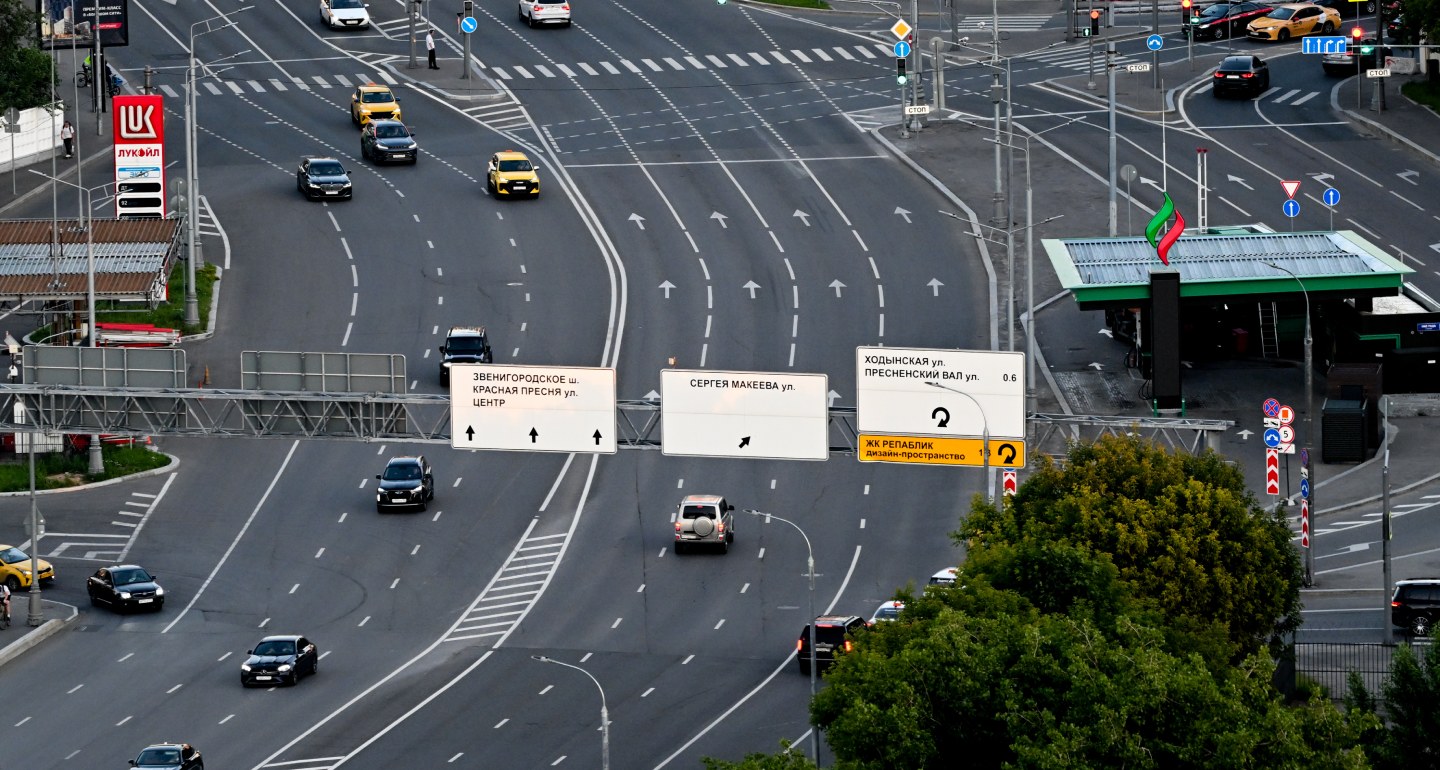
При значительном дефиците предложения бензина единственный механизм, приводящий рынок в равновесие, — это разрушение спроса и уменьшение автомобильного трафика. То есть масштабы снижения российской нефтепереработки можно оценить на основе того, насколько меньше россияне стали ездить на автомобилях.

Сергей Вакуленко

Путин пригодился бы партии власти как ее покровитель, который находится где-то далеко от выборов и не привлекает к агитации излишнего внимания. Но как активный фронтмен, навязывающий обществу свои взгляды, он оказался вреден и для «Единой России», и для правящей системы в целом.

Андрей Перцев

Эмигрантские раздоры и нападки на Горького встречались в высших московских кабинетах улыбками одобрения: все было на правильном пути, Буревестник в меру запачкан, окольцован и отлучен от враждебной кормушки.

Иван Толстой
В ретроспективе 1989 год оказывается не совсем тем поворотным пунктом, каким мы его считали.

Сергей Радченко