

Комментарий
Рассказ, задуманный как подтверждение исторической силы и суверенитета России, превращается в историю ее хронической пассивности, слабости и уязвимости.
Алексей Уваров
{
  "authors": [
    "Федор Тертицкий"
  ],
  "type": "commentary",
  "blog": "Carnegie Politika",
  "centerAffiliationAll": "",
  "centers": [
    "Carnegie Endowment for International Peace",
    "Берлинский центр Карнеги"
  ],
  "englishNewsletterAll": "",
  "nonEnglishNewsletterAll": "",
  "primaryCenter": "Берлинский центр Карнеги",
  "programAffiliation": "",
  "programs": [],
  "projects": [],
  "regions": [
    "Россия",
    "северная Корея"
  ],
  "topics": [
    "Контроль над вооружениями",
    "Мировой порядок",
    "Внешняя политика США",
    "Безопасность"
  ]
}
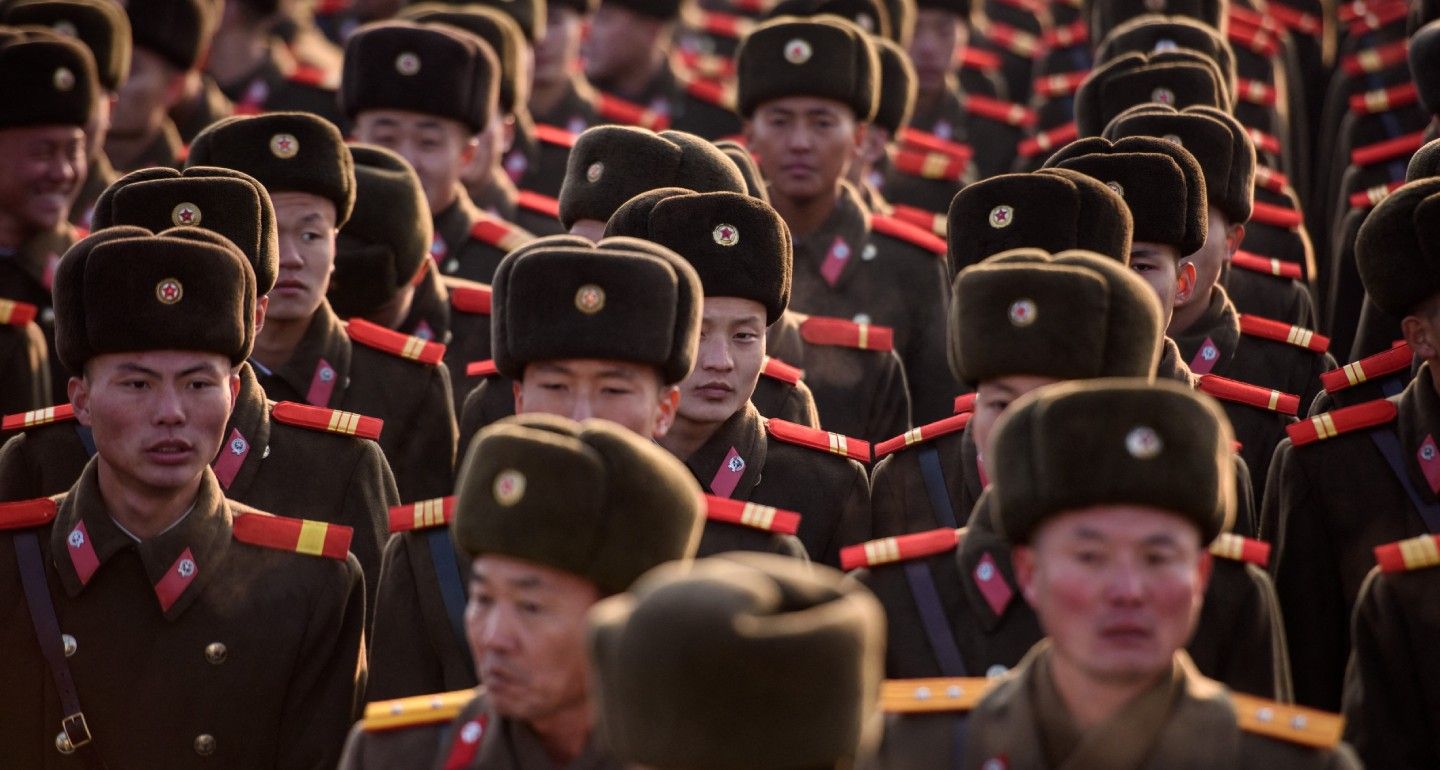
Фото: Ed Jones / AFP via Getty Images
Российско-украинская война в очередной раз продемонстрировала свою непредсказуемость, когда выяснилось, что в боевые действия на стороне России то ли уже вступили, то ли готовятся вот-вот вступить формирования Корейской народной армии КНДР. Событие беспрецедентное — никогда за свою историю Северная Корея не занималась военными интервенциями за границей. Это заставляет задуматься о причинах, подтолкнувших Пхеньян порвать с многолетней традицией, а также о возможных последствиях столь радикального шага.
Опасения военного переворота оставались одним из главных страхов северокорейского руководства почти с самого появления этого государства. Поэтому вожди КНДР активно работали над тем, чтобы минимизировать его вероятность.
Одной из превентивных мер была максимальная информационная изоляция солдат. На протяжении всего долгого срока службы в армии (служат там 7–8 лет, а в былые годы служили и 13) северокорейских бойцов, как правило, ни разу не отпускают домой.
За границу разрешают выезжать только немногим старшим офицерам, отобранным для поездок лично вождем или его наследником. Как правило, выезды проводились для обучения — в СССР, КНР или ГДР, а также для помощи дружественным странам. Помощь эта заключалась в посылке инструкторов — в Сирию, Зимбабве или Северный Вьетнам, или пилотов — в тот же Северный Вьетнам.
Целые военные формирования, да и вообще военных не в офицерском звании КНДР за границу не посылала никогда. Причина проста — за границей боец может набраться неправильных идей. Например, задуматься о том, почему все соседние страны живут гораздо богаче, чем КНДР, почему в них никто не служит в армии по 7–8 лет, а обычные граждане пользуются такими благами, которые в Северной Корее не доступны почти никому. Вернувшись домой, такой боец мог бы решить, что настоящий патриотический долг воина Народной армии — повернуть оружие против Вождя-отца.
Опасения эти совершенно не напрасны — ведь даже проверенные и лично утвержденные Любимым руководителем офицеры все равно подвергались тлетворному влиянию заграницы, что порой приводило к опасным для режима последствиям. Например, в 1992 году северокорейскому руководству чудом удалось предотвратить попытку военного переворота, который собирались устроить учившиеся в перестроечной Москве северокорейские выпускники Военной академии имени Фрунзе.
Возникает закономерный вопрос — почему Ким Чен Ын решил все же порвать с этой традицией и пойти на рискованную отправку в Россию целых воинских формирований?
Несмотря на схожесть антизападной риторики Москвы и Пхеньяна, непохоже, что идеологические мотивы сыграли сколь-нибудь заметную роль в этом решении. В Северной Корее практически нет никакой идеологии, кроме культа вождя, а сам Ким Чен Ын никогда не производил впечатление человека идейного. Его эмоциональные порывы сводились к тому, чтобы расстрелять непонравившегося чиновника или приглушить культ отца и деда, которых он, судя по всему, недолюбливает. Но во внешней политике Ким всегда вел себя предельно прагматично.
Не просматривается за отправкой войск и особой краткосрочной выгоды. КНДР и без того стала получать от России столь нужные ей продовольствие, нефть и деньги в качестве оплаты за поставки боеприпасов.
Конечно, Пхеньян хотел бы добавить к набору еще и авиатехнологии (об этом свидетельствует большое количество северокорейских делегаций, регулярно посещающих различные российские институты, имеющие отношение к авиации), а также поддержку в разработке ракетно-ядерного оружия. Но пока Москва не спешит делиться такими технологиями — иначе северокорейцы не пытались бы добыть их по частям за счет визитов в условный МАИ.
Наконец, отправляя войска в Украину, Ким, по всей видимости, рассчитывает инвестировать в будущее. Еще с 1990 года, когда СССР перестал оказывать КНДР экономическую помощь, целью Пхеньяна было вернуть все назад — в старые добрые времена холодной войны, когда Советский Союз щедро делился с «народной Кореей» ресурсами.
Больше 30 лет северокорейские дипломаты пытались этого добиться, но терпели неудачу за неудачей. И вот наконец у Пхеньяна есть ощущение, что в отношениях с Москвой наступила белая полоса.
Этой полосой Пхеньян теперь старается пользоваться, выстраивая все новые связи с Россией. Так, чтобы союз с Россией сохранялся, даже если необходимость сотрудничества по какому-то отдельному вопросу для Москвы отпадет. Сейчас Северная Корея налаживает взаимоотношения с Россией по всем фронтам — торговля, туризм, обмены, солдаты, рабочие — чтобы союзничество с Москвой и поступающая от нее помощь продолжались, даже если война с Украиной закончится.
Ради этого Пхеньян готов не только отправлять солдат под Курск, но и идти на другие серьезные риски. Например, приглашать российских школьников в детские лагеря в КНДР, хотя те могут рассказать северокорейским сверстникам, что в России можно скачать иностранный фильм из интернета и съездить за границу без выездной визы.
Другое дело, что взаимодействие российских и северокорейских войск вряд ли будет гладким. По сообщениям южнокорейской разведки, в Россию отправлены формирования сил специальных операций КНДР, которых отличает довольно высокий уровень военной подготовки. В отличие от обычной пехоты, они не посвящают большую часть времени помощи колхозам, участию в стройках и прочим трудовым обязанностям.
Также силы специальных операций КНДР получают нормальное снабжение, чего живущий впроголодь рядовой состав пехоты часто лишен. А в целом эти формирования хорошо подходят для главной потребности России на нынешнем этапе войны — для штурма украинских позиций.
Однако реализовать это на практике будет не так просто. Одна из проблем, с которой любое формирование из КНДР столкнется в ходе боевых действий, — это то, что северокорейские уставы и распорядки писались не для повышения эффективности армии, а для предотвращения военного переворота. Поэтому в армии Северной Кореи отсутствует нормальная командная цепь, основанная на принципе единоначалия.
В 1969 году в северокорейской армии появился институт военных политработников — политруков и комиссаров. Любой приказ командира формирования от роты и выше должен быть одобрен политработником. Соответственно, приказ политрука или комиссара тоже должен быть заверен командиром. Попытки отдельных генералов КНА реформировать эту систему в 1980-х годах натолкнулись на вето Ким Ир Сена.
В результате последующих реформ и компромиссов в северокорейской армии сформировалась еще более сложная структура отдачи приказов. Приказы, касающиеся повседневной жизни формирования, командир может отдавать самостоятельно. Вопросы идеологии и приема в партию находятся в исключительном ведении политруков и комиссаров.
А вот важные приказы — например, о начале учений — требуют согласования сразу трех человек: командира, политработника и безопасника (так в северокорейской армии называют особистов, то есть представителей военной полиции). Для повышения в звании нужно согласие сразу пяти человек — командира, политработника, безопасника и начальников оперативного и кадрового отделов формирования.
Будет ли эта сложная и громоздкая система изменена специально для войны в Украине — открытый вопрос. В том числе потому, что такое решение вряд ли возможно без согласования лично с Ким Чен Ыном.
Помимо запутанной командной цепи, перед северокорейскими отрядами неизбежно встанут и другие проблемы. Например, отсутствие боевого опыта, хотя воевать им придется против опытных частей ВСУ в условиях современной войны. Далеко не факт, что бойцов из КНДР учили, например, как воевать против беспилотников. В этот список также можно добавить языковой барьер: в армии КНДР не так много офицеров, знающих на приличном уровне русский, а в российской армии офицеров, знающих корейский, особенно в его северном изводе, еще меньше.
Также радужную картину восстановленной дружбы России и Северной Кореи может испортить реакция на нее соседей КНДР. Китай происходящее сближение Москвы и Пхеньяна пока, очевидно, устраивает — иначе оно бы не происходило. Отправка северокорейских войск снижает вероятность нежелательного для Пекина поражения России, а то, что Кремль готов поддерживать экономику Северной Кореи, означает, что на такой поддержке может сэкономить китайский бюджет.
Тем не менее в Пекине вряд ли обрадуются излишнему наращиванию оборотов российско-северокорейской дружбы — особенно если дело дойдет до передачи Пхеньяну российских ракетно-ядерных технологий. Китай по возможности старается тормозить развитие стратегического оружия КНДР. В Пекине не хотят дальнейшего распространения таких технологий и эскалации в регионе, а также понимают, что существуют сценарии, в которых это оружие может быть применено против самого Китая — например, если Северная Корея начнет сползать в хаос и китайцам придется вводить туда войска.
А вот со стороны Южной Кореи реакция может быть гораздо более острой. Больше всего в Сеуле опасаются, что активное сотрудничество Москвы и Пхеньяна может привести к тому, что КНДР получит российские военные технологии, которые в перспективе могут быть использованы против Южной Кореи.
Также Сеул намерен воспользоваться ситуацией, чтобы преодолеть тот информационный голод относительно КНДР, в котором южнокорейские спецслужбы оказались после начала пандемии. После закрытия северокорейских границ количество беженцев из КНДР сократилось в десятки раз — а именно эти люди служат для южан основным источником информации о Севере.
Теперь появление северокорейских солдат на украинском фронте означает, что кто-то из них может попасть в плен и стать ценнейшим источником информации. Киев в этом тоже заинтересован — южнокорейцы куда лучше украинцев разбираются в северокорейской армии и знают, какие вопросы нужно задавать военнопленным.
О том, что украинско-южнокорейское сотрудничество уже началось, косвенно свидетельствует выступление представителя Украины в ООН Сергея Кислицы. Он, с одной стороны, называл трех северокорейских генералов, которые, по данным Киева, присутствуют на фронте, а с другой — запутался в имени одного из них: генерал-майора Син Гынчхоля Кислица называл «Шин Гем Чхоль». Вряд ли это можно объяснить чем-то, кроме как ошибкой перевода в материалах, предоставленных Киеву Сеулом.
Беспокойство Южной Кореи можно понять. Северокорейский режим становится все менее предсказуемым, а значит — менее стабильным. Военная интервенция за рубежом — не первое табу, которое нарушил Ким Чен Ын за последние годы. В 2020-х он стал менять сразу несколько ключевых элементов системы, оставшихся ему от отца и деда.
Например, в 2021 году Ким Чен Ын фактически сместил покойного отца с положенной ему посмертно должности «вечного генерального секретаря» партии, сделав генсеком себя самого. В конце 2023 года Ким Чен Ын разрешил людям голосовать «против» на местных выборах.
В начале этого года Пхеньян убил еще одну давнюю традицию — отказался от идеи мирного объединения с Югом, которая была краеугольным камнем северокорейской идеологии. 13 октября этого года Ким Чен Ын упразднил календарь чучхе, введенный в честь его дедушки Ким Ир Сена. И, наконец, он решился на то, что его отец и дед считали слишком рискованным — на отправку полноценных, обученных формирований северокорейской армии за границу.
Пока, на ноябрь 2024 года, непохоже, что все эти действия грозят обрушить северокорейский режим. Но не следует забывать, что диктатор, как и сапер, ошибается только один раз.
Ссылка, которая откроется без VPN, — здесь.

Федор Тертицкий
Кореевед
Карнеги не занимает институциональных позиций по вопросам государственной политики; изложенные здесь взгляды принадлежат автору(ам) и не обязательно отражают взгляды Карнеги, его сотрудников или попечителей.
Рассказ, задуманный как подтверждение исторической силы и суверенитета России, превращается в историю ее хронической пассивности, слабости и уязвимости.

Алексей Уваров

По отдельности плохие новости этого года читаются как не более чем проблемы конкретных отраслей. Но вместе они показывают, что государство отказывается от собственных правил, потому что больше не может им следовать — правила мешают управлять в ручном режиме.

Александра Прокопенко
В то время как Запад требует от Telegram большей ответственности как посредника по передаче информации, Россия требует от Дурова полного подчинения любым требованиям властей.

Мария Коломыченко
Россия уже не первое десятилетие настаивает на преимуществах откровенных разговоров за закрытыми дверями. Но на деле Москва на всех уровнях давно практикует то, в чем обвиняет других, — стирание разницы между публичной и непубличной риторикой.

Александр Баунов
Решение сделать это пришло кому-то в голову только через четыре с лишним года после начала большой войны против Украины. То есть оно не было спонтанным, и главное — никакой надобности в «обретении» не было, пока ожидалась легкая победа.
Александр Занемонец