

Комментарий
Сергей Вакуленко
{
  "authors": [
    "Сергей Вакуленко"
  ],
  "type": "commentary",
  "blog": "Carnegie Politika",
  "centerAffiliationAll": "",
  "centers": [
    "Carnegie Endowment for International Peace",
    "Берлинский центр Карнеги"
  ],
  "collections": [
    "Politika-2025: избранное"
  ],
  "englishNewsletterAll": "",
  "nonEnglishNewsletterAll": "",
  "primaryCenter": "Берлинский центр Карнеги",
  "programAffiliation": "",
  "programs": [],
  "projects": [],
  "regions": [
    "Россия",
    "Соединенные Штаты Америки"
  ],
  "topics": [
    "Торговля",
    "Экономика",
    "Внешняя политика США",
    "Мировой порядок"
  ]
}
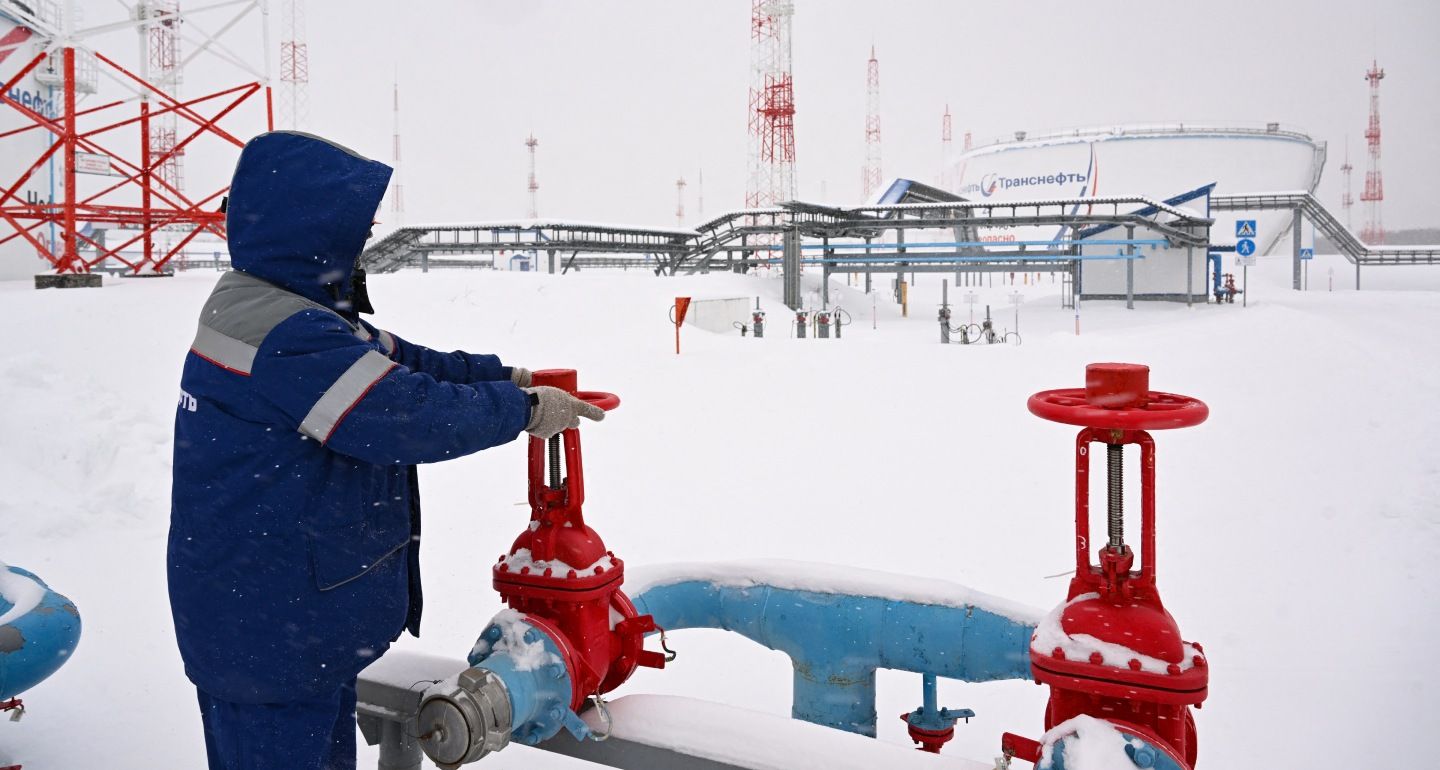
Source: Getty Images
Чтобы заставить Кремль совершить определенные действия, оружие направляют не на него, не на российские нефтяные компании и даже не на тех, кто покупает у них нефть, а на тех, кто экспортирует свои товары в США, работая при этом в одной стране с теми, кто покупает российскую нефть.
Похоже, что Дональд Трамп и его администрация нашли новое универсальное средство для решения всех проблем — пошлины. Мир еще не пришел в себя от первого масштабного даже не применения, а объявления о применении этого чудо-средства для улучшения торгового баланса США, а американское руководство уже грозится сделать еще один резкий шаг в этой области — ввести вторичные штрафные пошлины против тех стран, кто покупает российскую нефть, чтобы принудить Россию к содержательным переговорам с Украиной.
Предложения Трампа о прекращении огня звучат туманно и явно далеки от идеала обеих воюющих сторон. Поэтому и Москва, и Киев скорее лишь изображают добрую волю, на деле стараясь нанести противнику напоследок как можно больше ущерба, чтобы усилить свои позиции на переговорах о долгосрочном мире. В такой ситуации Трампу приходится искать способы принудить две страны к реальному диалогу, а не имитации.
В случае с Украиной инструменты принуждения понятны — это угроза приостановить военную помощь и обмен разведывательной информацией, которая незаменима для успешного обстрела беспилотниками. Но что может послужить эффективным способом давления на Россию? Эту роль, по словам Трампа, должны выполнить вторичные штрафные пошлины против стран, закупающих российскую нефть. Аналогичную меру Вашингтон уже ввел недавно против Венесуэлы, а теперь такой же законопроект против России обсуждают в Сенате по инициативе сенатора Линдси Грэма.
За три года войны США испробовали немало разных способов ограничить сырьевые доходы России. За это время стало понятно, что на ситуацию почти невозможно повлиять с помощью санкций против российских нефтяников и тех, кто обеспечивает торговлю нефтью, предоставляя суда, страховку и прохождение платежей. Возможно, дело в том, что США и другие страны Запада не были готовы наложить всеобъемлющие санкции на закупки российской нефти третьими странами — вплоть до того, что даже Япония и некоторые европейские страны до сих пор покупают нефть у РФ.
Сложный механизм ценового потолка, устанавливающий максимальную цену для нефтяного экспорта России, тоже толком не заработал. У покупателей и посредников всегда была возможность найти правдоподобные оправдания и объяснения собственной добросовестности. Уничтожить спрос на российскую нефть за рамками санкционного механизма так и не получилось.
До недавнего времени Запад не был готов вводить санкции против китайских, индийских и турецких нефтепереработчиков. Ведь это, как правило, крупные компании, важные для национальных экономик и связанные с государством, поэтому введение против них санкций означало бы серьезный кризис в отношениях с ведущими мировыми державами.
Однако теперь новаторский подход Трампа со вторичными штрафными пошлинами должен перевернуть прежнюю осторожную логику с ног на голову. Новое руководство США предлагает наказывать за покупку российской нефти не конкретную компанию, а сразу всю страну, где эта компания работает. Если законопроект примут, то штрафные пошлины будут взиматься со всего экспорта в США из того государства, где кто-то купил российскую нефть.
То есть Вашингтон таким образом перекладывает трудности, связанные с наказанием покупателя подсанкционного сырья, с себя на ту страну, где этот покупатель зарегистрирован. Хирургические санкции заменяются на ковровые бомбардировки штрафными пошлинами, которые к тому же не требуют от США расходов на санкционное администрирование, а, наоборот, генерируют дополнительный доход от торговой войны.
У такого метода, однако, есть несколько очевидных проблем. Прежде всего, пошлины — это средство широкого и долгосрочного действия. Этот громоздкий и сложный в настройке инструмент, затрагивающий сразу огромное количество отраслей, плохо подходит для решения такой узкой и тактической задачи, как принуждение к переговорам о прекращении огня.
Еще больше вопросов вызывает последовательность событий, которая, по задумке авторов штрафных пошлин, должна привести к желаемому результату. Чтобы заставить Кремль совершить определенные действия, оружие направляют не на него, не на российские нефтяные компании и даже не на тех, кто покупает у них нефть, а на тех, кто экспортирует свои товары в США, работая при этом в одной стране с теми, кто покупает российскую нефть. Чтобы штрафные пошлины достигли цели, сигнал должен пройти по всей этой цепочке в обратном порядке. При этом к тому времени, когда это произойдет, обстоятельства могут успеть несколько раз измениться, а сообщение — потерять актуальность.
Пошлины — в целом средство с эффективностью, снижающейся от массированного применения. Например, в Вашингтоне так и не уточнили, будут ли штрафные пошлины назначаться в дополнение к уже существующим и тем, о которых Трамп объявил 2 апреля.
Уже сейчас есть сильные опасения, что даже объявленных 2 апреля пошлин будет достаточно, чтобы привести к масштабному распаду цепочек поставок и навредить американским покупателям не меньше, чем иностранным продавцам. А если поверх них добавятся еще и пошлины за покупку российской нефти, то штрафными они вполне могут оказаться не столько для россиян, сколько для американских потребителей, которым придется оплачивать еще одно повышение цен на импортные товары.
Также неясно, каким будет механизм отмены штрафных пошлин. Не случится ли так, что они продолжат действовать, нанося урон всем вовлеченным сторонам, даже после того, как страна перестанет закупать российскую нефть.
Наконец, остается самый сложный вопрос, на который уже три года не могут ответить авторы санкционной политики. Если штрафные пошлины вдруг окажутся успешны и действительно смогут отпугнуть покупателей от российской нефти, то все равно неясно, сможет ли мир обойтись без нефтяного экспорта из РФ.
А что, если Россия воспримет введение штрафных пошлин как приглашение к новой эскалации в экономической войне и попробует пошантажировать мировую экономику полной остановкой своего нефтяного экспорта? Конечно, потеря выручки от нефти создаст множество проблем самой РФ, но не поставит ее на колени в одночасье.
Глобальный дефицит нефти в таком случае может быть лишь отчасти компенсирован Саудовской Аравией и ОАЭ и все равно будет весьма ощутим для всего мира. А создаваемые этим дефицитом убытки могут оказаться достаточно сильным стимулом, чтобы убедить ряд стран опять покупать нефть у России, несмотря на опасность разгневать США, — либо для облегчения собственного топливного кризиса, либо в надежде на сверхдоходы.
Если это произойдет, будут ли США готовы применить штрафные пошлины против всех отступников, с учетом того, что решение придется принимать в условиях стремительно углубляющегося глобального кризиса? Если да, то велик риск усугубить этот кризис еще больше, вызвав недовольство и у союзников США, и у американского общества. А если нет, то бездействие уничтожит угрозу неотвратимости наказания вместе с репутацией США и сделает санкционное оружие менее эффективным в будущем. Все это выглядит как дилемма, из которой нет достойного выхода и перед которой лучше просто не оказываться. Тем более — не ставить себя перед ней добровольно.
Ссылка на статью, которая откроется без VPN, — здесь.

Старший научный сотрудник
Сергей Вакуленко — старший научный сотрудник Берлинского центра Карнеги по изучению России и Евразии.
Недавние работы
Сергей Вакуленко
Сергей Вакуленко
Карнеги не занимает институциональных позиций по вопросам государственной политики; изложенные здесь взгляды принадлежат автору(ам) и не обязательно отражают взгляды Карнеги, его сотрудников или попечителей.

На руку кремлевской ИИ-пропаганде играет то, как раздробленно, хаотично и временами алогично она работает. Если одна из задач — подорвать доверие к достоверной информации, противоречивость сообщений не обязательно мешает.

Илья Клишин

Масштабы идеологического замаха Кремля в образовании не соответствуют социальным реалиям захваченных территорий, которые теперь населяют в основном военные и пенсионеры.

Константин Скоркин

На каждый бюджетный рубль, который в 2027 году потратят на социальную политику, здравоохранение и образование, придется два рубля на армию, полицию, Росгвардию и спецслужбы.

Александра Прокопенко
При всей помпезности встречи двух лидеров, на прошедшем саммите США и Китай не продвинулись в решении ни одного из вопросов, а только застыли друг перед другом, широко улыбаясь и подавая перемирие как прорыв.

Темур Умаров

Европейские крайне правые, возможно, не смогут развернуть политику ЕС в нужное России русло. Но они способны создать внутри Европы достаточно конфликтов, чтобы эффективно нейтрализовать любые ее геополитические амбиции. С точки зрения Кремля, это совсем неплохой результат.

Димитар Бечев