

Research
- +10
Rosa Balfour, Frances Z. Brown, Yasmine Farouk, …
{
  "authors": [
    "Moisés Naím"
  ],
  "type": "legacyinthemedia",
  "centerAffiliationAll": "",
  "centers": [
    "Carnegie Endowment for International Peace"
  ],
  "collections": [],
  "englishNewsletterAll": "",
  "nonEnglishNewsletterAll": "",
  "primaryCenter": "Carnegie Endowment for International Peace",
  "programAffiliation": "",
  "programs": [],
  "projects": [],
  "regions": [
    "United States"
  ],
  "topics": [
    "Economy",
    "Trade"
  ]
}
REQUIRED IMAGE
Source: Carnegie
Time (Canada), February 21, 2000
The 1990s began in Berlin and ended in Seattle. In Berlin, a crowd tore down a wall built to contain democracy and free markets. In Seattle, another crowd marched in protest against the World Trade Organization in an effort to rebuild the walls that might protect them against ills unleashed by globalization. Put another way, the bricks people collected as souvenirs from the Berlin Wall in 1989 were thrown through the windows of McDonald's in 1999. Thus a decade that began with great hopes about the global spread of capitalism ended with widespread apprehension toward it. What happened?
A "backlash against globalization" is the standard answer. After all, the world has witnessed a "boom in busts," with 10 large emerging economies crashing since 1994. George Soros likened these financial crises to a global wrecking ball that traveled from country to country, leaving economies in shambles. But the backlash is fueled by more than a fear of footloose capital. Many resist globalization because they fear the loss of their jobs to countries where labor is cheaper. Critics of globalization blame it, variously, for poverty, inequality, environmental decay, corruption and cultural degradation. They also argue that even the U.S. recognizes these costs and is therefore becoming more isolationist. In Europe too, they say, a backlash is under way, led by new socialist governments, while everywhere else protectionism is on the rise.
Some of these concerns are based on long-standing realities. Three billion people live on the equivalent of $ 2 a day, inequality is increasing, and the world's environmental problems are obvious. But the other "facts" commonly used as evidence of a backlash against globalization do not hold up so well. The economic crashes of the 1980s brought years of high inflation, stagnation, protectionism and a decade-long debt crisis in much of the developing world. In some countries they brought on authoritarian regimes. By contrast, after market reforms that produced more fiscally robust and open economies, the crises of the 1990s brought almost instant recoveries. In some countries they also induced more democracy. Mexico, Indonesia and South Korea are more democratic at present than before their economies crashed.
The global leftward shift of politics as a reaction against globalization also needs to be taken with a grain of salt. The policies of Europe's socialist governments often seem inspired more by Federal Reserve Chairman Alan Greenspan and the success of Silicon Valley than by Karl Marx and Friedrich Engels. And in the U.S., isolationism is belied by the pro-globalization platforms of all the leading presidential candidates. Protectionist threats are common everywhere, but worldwide tariffs on industrial goods continue to decline steadily and currently average an irrelevant 1.5%, while a growing proportion of goods is traded without any tariffs at all. Although nontariff barriers are still pervasive, world trade has been growing rapidly and is expected to reach another record level this year. International investment is also booming, driven in large part by mergers and acquisitions. So far, the manifestations of a backlash are more likely to be found in speeches than in legislative or executive behavior.
Could it be that today's protests are the early-warning sign of a backlash still to come? Freer trade and investment have indeed exacerbated some of our problems. But many of the world's most pressing and persistent problems will not be cured by limiting trade, shutting down the WTO or choking the International Monetary Fund.
Indeed, focusing the debate about globalization on international trade, finance and business reflects a certain myopia. True, globalization facilitates--even forces--the merger of large corporations, thus creating even larger ones that sometimes wield too much power. But globalization has also helped small groups of activists use the Internet to stop powerful governments from passing an international investment treaty or deploying land mines. Yes, globalization means that foreign cultural imports like videos and fast-food chains "interfere" with local customs and disrupt cherished traditions. But globalization also means that when Austria allowed a party led by an alleged Nazi sympathizer to join the government, street protests erupted in Oslo and London, and other countries threatened diplomatic sanctions, thereby "interfering" with Austria's local politics. One suspects many Seattle demonstrators sympathize with globalism thus defined.
More important, these examples have nothing to do with trade. They illustrate how globalization may create as many opportunities to build a better world as it does possibilities to make things worse. Globalization is not a preference but a way of talking about reality. "Globalization is happening one way or another, and it can't be stopped," says U.S. labor leader John Sweeney, "but it must be made to work for workers." He's right. But we have to make sure we understand why, and especially where, globalization isn't working before going to war-or riot--against it.

Distinguished Fellow
Moisés Naím is a distinguished fellow at the Carnegie Endowment for International Peace, a best-selling author, and an internationally syndicated columnist.
Recent Work



Rosa Balfour, Frances Z. Brown, Yasmine Farouk, …
Moisés Naím
Carnegie does not take institutional positions on public policy issues; the views represented herein are those of the author(s) and do not necessarily reflect the views of Carnegie, its staff, or its trustees.
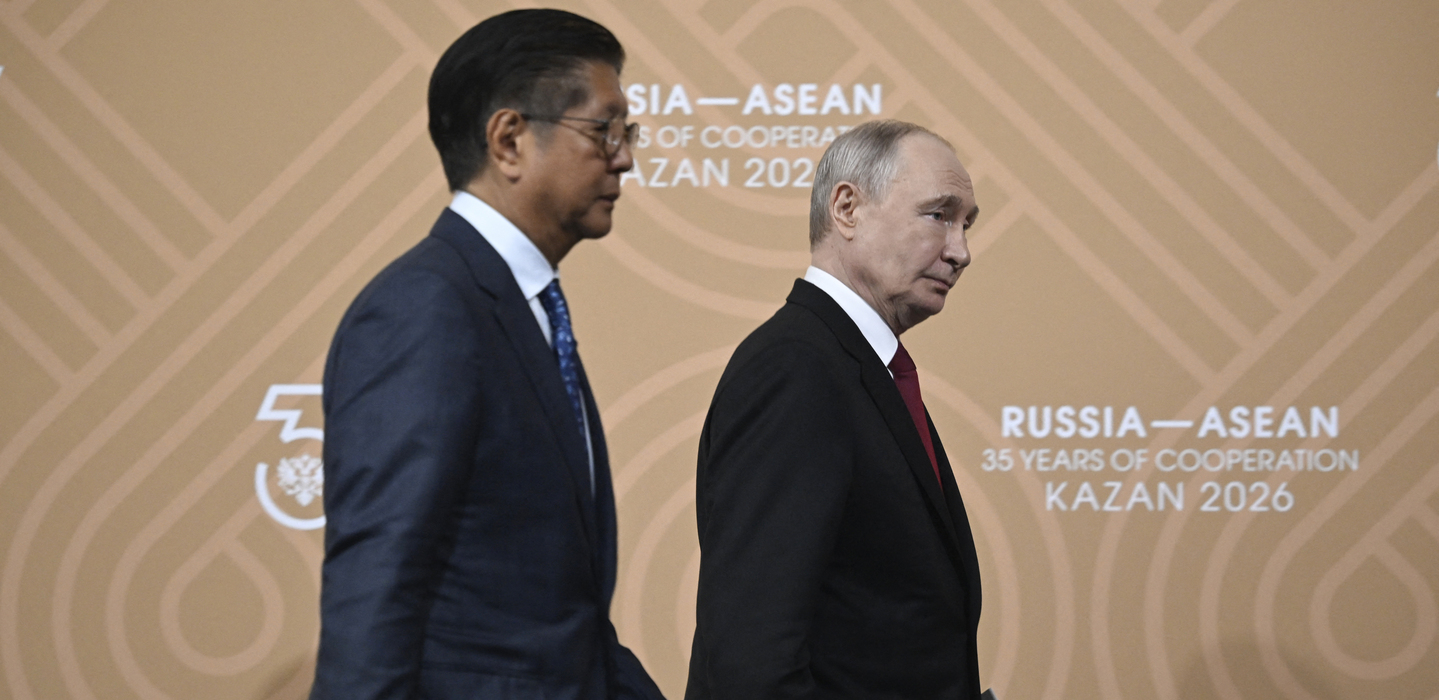
Russia looks set to reap economic benefits from closer ties with Southeast Asian countries that are keen to find reliable energy suppliers and diversify trade ties.

Alexander Gabuev
Ongoing uncertainty in the Middle East allows Moscow to both increase its influence in Tehran and continue to enjoy the financial windfall of higher oil prices.

Nikita Smagin
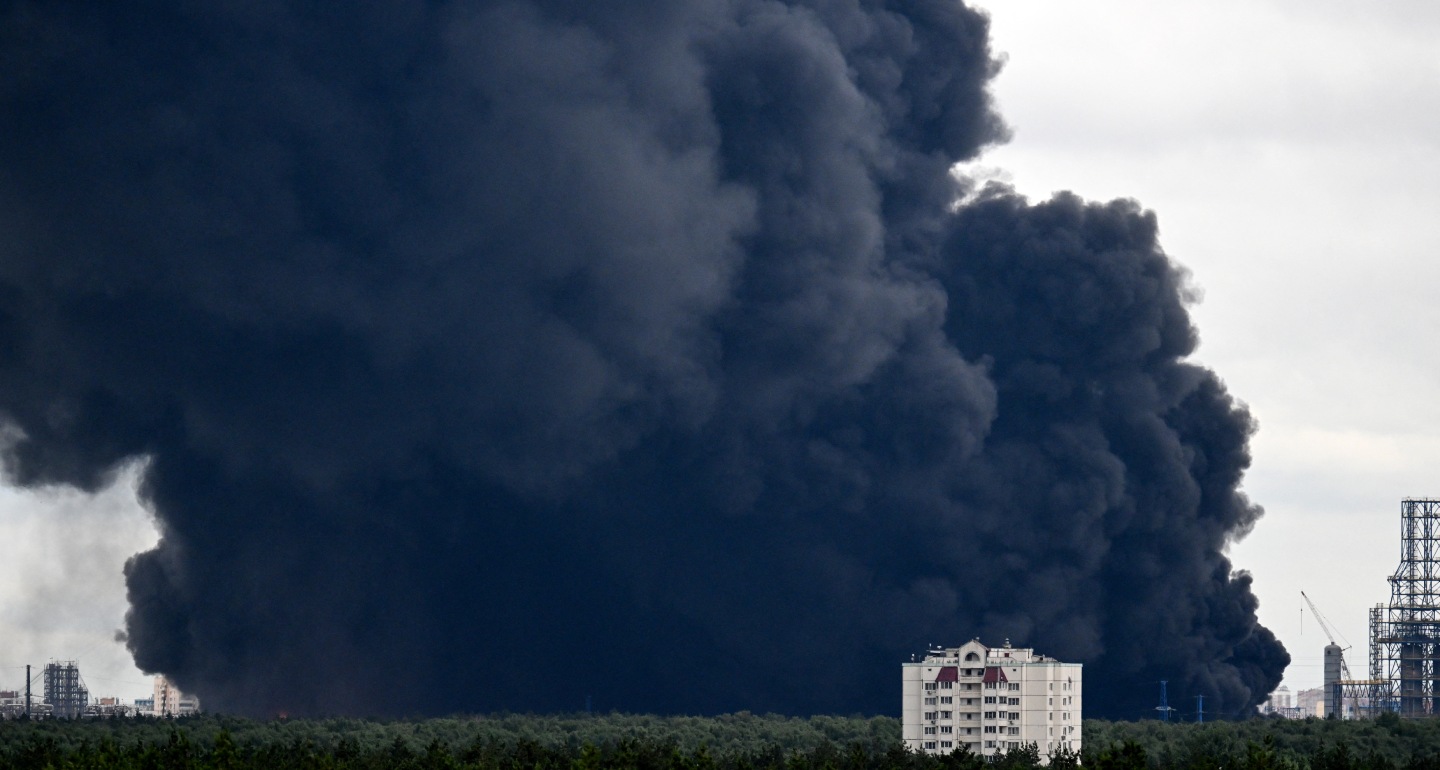
If it proves impossible for the Russian authorities to avoid a gasoline deficit, the question then becomes how they will organize the distribution of a scarce resource.

Sergey Vakulenko
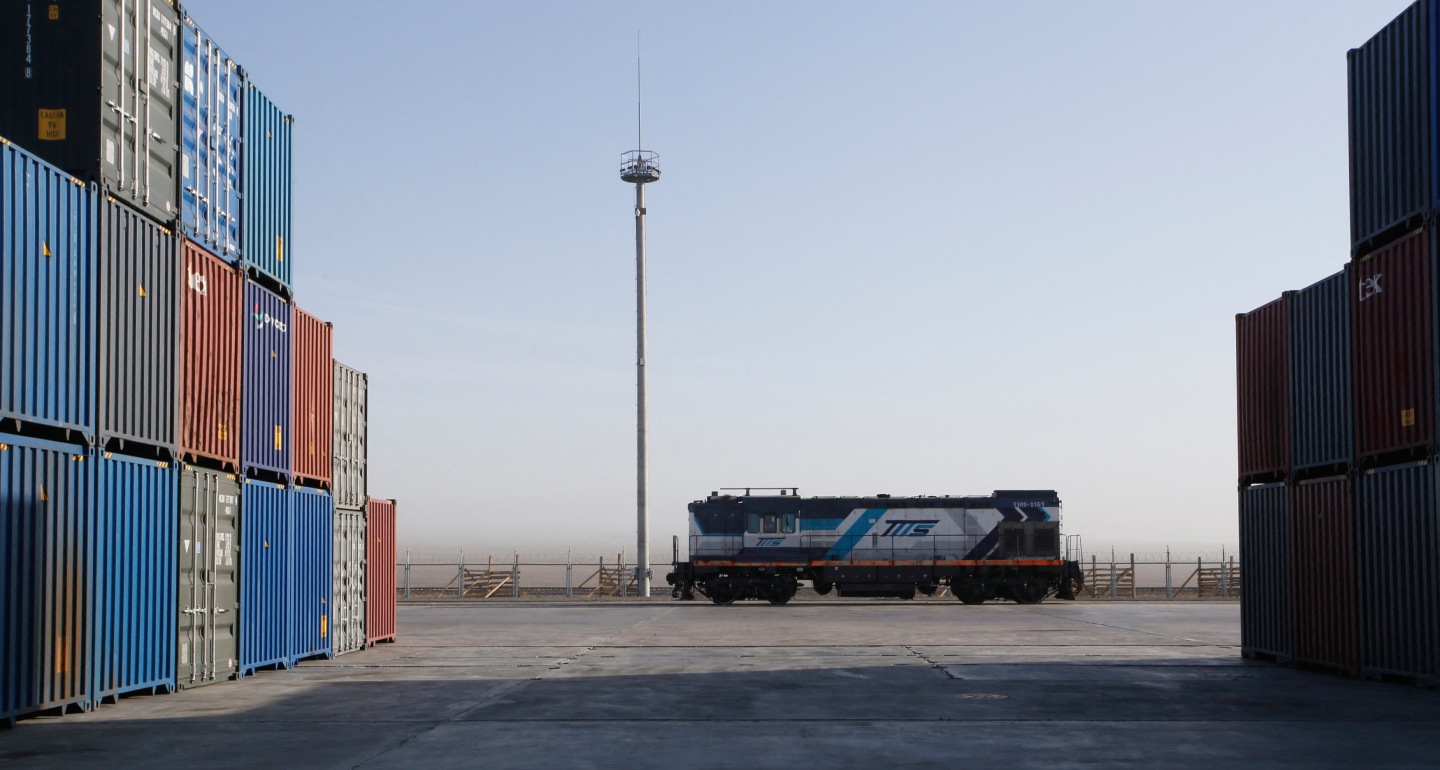
This year’s wars have made alternative routes to transit through Russia no less risky for Central Asian countries.

Galiya Ibragimova
A much-discussed disagreement over internet restrictions in Russia was never an existential threat for Putin: It was about elite groups protecting their interests.

Alexandra Prokopenko