

In The Media
Michele Dunne, Robert Kagan
{
  "authors": [
    "Robert Kagan"
  ],
  "type": "legacyinthemedia",
  "centerAffiliationAll": "",
  "centers": [
    "Carnegie Endowment for International Peace"
  ],
  "collections": [],
  "englishNewsletterAll": "",
  "nonEnglishNewsletterAll": "",
  "primaryCenter": "Carnegie Endowment for International Peace",
  "programAffiliation": "",
  "programs": [],
  "projects": [],
  "regions": [],
  "topics": [
    "Foreign Policy"
  ]
}
REQUIRED IMAGE
Source: Carnegie
Reprinted from the Washington Post, August 13, 2000
It may be impolite to bring this up right now, but just for the record: Joseph Lieberman thinks the Clinton administration's foreign policy during the past seven years has been feckless, inept and immoral.
Lieberman has never put it quite that way, of course, at least not in public. And now that he's Al Gore's running mate, don't expect even this Mr. Integrity to admit any differences with the Clinton-Gore administration. But a quick look at Lieberman's record in the Senate leaves no doubt what he thinks of the way Bill Clinton has managed some of the biggest foreign policy crises of his presidency.
Lieberman thinks the Clinton administration has been inept in dealing with Saddam Hussein and downright deceptive about implementing legislation to aid Iraqis who seek Saddam's ouster. A couple of years ago Lieberman was so dissatisfied with Clinton's Iraq policy that he joined Trent Lott in sponsoring legislation to provide Saddam's opponents with $ 97 million worth of aid. Clinton officials, of course, hated the idea, but it passed the Senate overwhelmingly.
Now Lieberman thinks the Clinton administration is trying to avoid carrying out the law. In May he wrote Secretary of State Madeleine Albright that he was "deeply concerned that only a small percentage of the resources made available by the Congress for anti-Saddam activities . . . have been tapped by the administration."
Lieberman thinks that thousands of innocent Muslim men, women and children were needlessly slaughtered in Bosnia because from 1993 to 1995 a politically timid Clinton would neither defend them nor let them defend themselves. For two years a frustrated Lieberman worked with Bob Dole to try to force the administration to lift a U.N. embargo against supplying weapons to the Bosnian Muslims, but the Clinton team fought him every step of the way.
Lieberman thinks Clinton made a tragic and cowardly misjudgment when he ruled out the use of American ground troops during last year's Kosovo war. As a result, the war dragged on longer than necessary and NATO forces failed to prevent the "ethnic cleansing" of thousands of Kosovar civilians. Lieberman was one of a handful of senators who cosponsored John McCain's bill to give Clinton authority to send ground troops to Kosovo. The administration killed it. Lieberman also joined Mitch McConnell on a bill to provide $ 25 million worth of arms to the Kosovars to defend themselves. Clinton officials deep-sixed that one, too.
Lieberman thinks the administration was too slow to send American troops to East Timor last year, and then sent too few on too limited a mission. "When we are presented with a humanitarian crisis," he said at the time, "we cannot sit back like some immense couch potato."
Lieberman thinks the Clinton administration's Russia policy--the one Gore boasts ownership of--has been far too accommodating, especially when it comes to weapons proliferation. He's been dismayed by the administration's failure to get tough with Moscow on Russian sales of missiles and nuclear weapons technology to Iran. So dismayed that he proposed legislation (again with Lott) to impose sanctions on Russia, and exclude Russians from the U.S. space program, if the Russian-Iranian connection was not severed. Senior Clinton officials, including Gore, did all they could to torpedo the bill.
Lieberman thinks the Clinton administration seriously bungled its investigation into Chinese spying from 1995 through 1999. As ranking Democrat on the Senate Government Affairs Committee, he coauthored a report with Fred Thompson last year accusing the administration's investigators of "compound missteps." He publicly faulted Clinton's top advisers, including Leon Panetta and Sandy Berger, for waiting two years to inform the president of evidence they had received about Chinese espionage. And he was the first Democrat to contradict the administration and insist that in 1996: "There was, in fact, a Chinese government plan to move money into America's congressional elections--with the clear intent to affect America's policy toward China."
Lieberman does not oppose the Clinton administration on all foreign policy issues, of course. He cheerfully supports the administration's unwavering embrace of the Beijing dictatorship, for instance. Like other foreign policy moralists, such as Albright, Lieberman's moralism stops at the international dateline. Yet the list of areas where Lieberman has vigorously opposed the timidity or immorality of administration foreign policy is surprisingly long.
Put all his specific criticisms together and a pretty clear picture emerges. Lieberman wishes the Clinton administration had been a lot more willing to use force abroad and a lot more willing to let moral concerns shape American policy. He also wishes the president had a bit more political courage and a lot more personal integrity.
So what does Gore's choice mean? Well, it could mean that foreign policy is so irrelevant to today's politics that Gore didn't even notice he was picking an administration critic as his running mate.
Or perhaps we should consider a more intriguing possibility. Maybe Gore actually knew what he was doing. Maybe his choice of Lieberman reflects Gore's own disapproval of the way Clinton has conducted American foreign policy. Maybe this is Gore's way of recapturing the mantle of Harry Truman and Scoop Jackson and fulfilling the promise of muscular moralism abroad that Clinton, ever preoccupied with his political fortunes at home, consistently betrayed. Maybe it means Gore wants a tougher policy on Iraq and in the Balkans. Maybe Lieberman's selection means that a Gore foreign policy really would be different from a Clinton foreign policy.
Naaah.
Former Senior Associate
Kagan, author of the recent book, The Return of History and the End of Dreams (Knopf 2008), writes a monthly column on world affairs for the Washington Post and is a contributing editor at both the Weekly Standard and the New Republic.
Recent Work

Michele Dunne, Robert Kagan
Robert Kagan, Michele Dunne
Carnegie does not take institutional positions on public policy issues; the views represented herein are those of the author(s) and do not necessarily reflect the views of Carnegie, its staff, or its trustees.

Although Ukrainian strikes have led to a noticeable decline in the physical volume of Russian oil exports, the rise in prices has more than made up for it.

Sergey Vakulenko
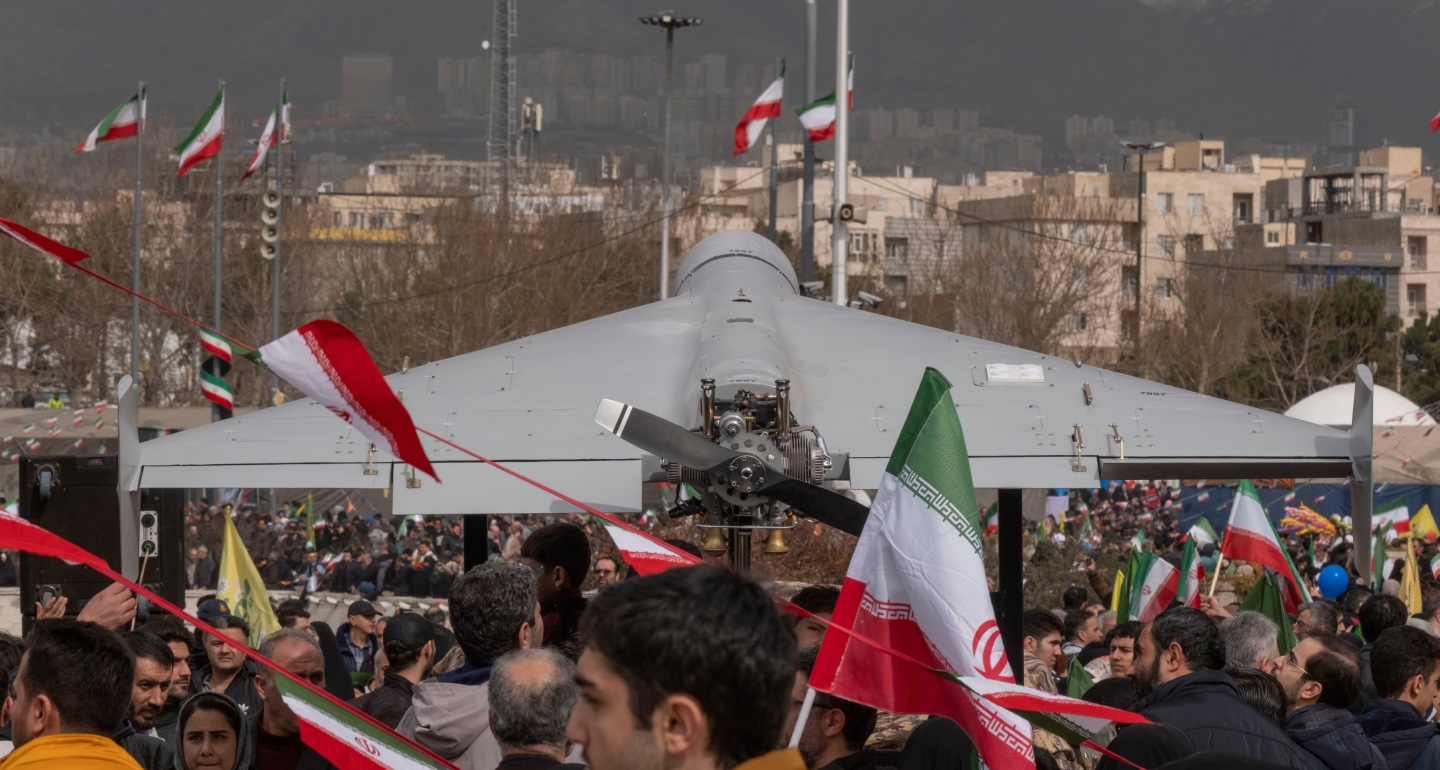
The Russian leadership wants to avoid a dangerous precedent in which it is squeezed out of Iran by the United States and Israel—and left powerless to respond in any meaningful way.

Nikita Smagin

Orbán created an image for himself as virtually the only opponent of aid to Ukraine in the entire EU. But in reality, he was simply willing to use his veto to absorb all the backlash, allowing other opponents to remain in the shadows.

Maksim Samorukov

Central Asia’s digital ambitions are achievable, but only if policy is aligned with the region’s physical constraints.

Aruzhan Meirkhanova
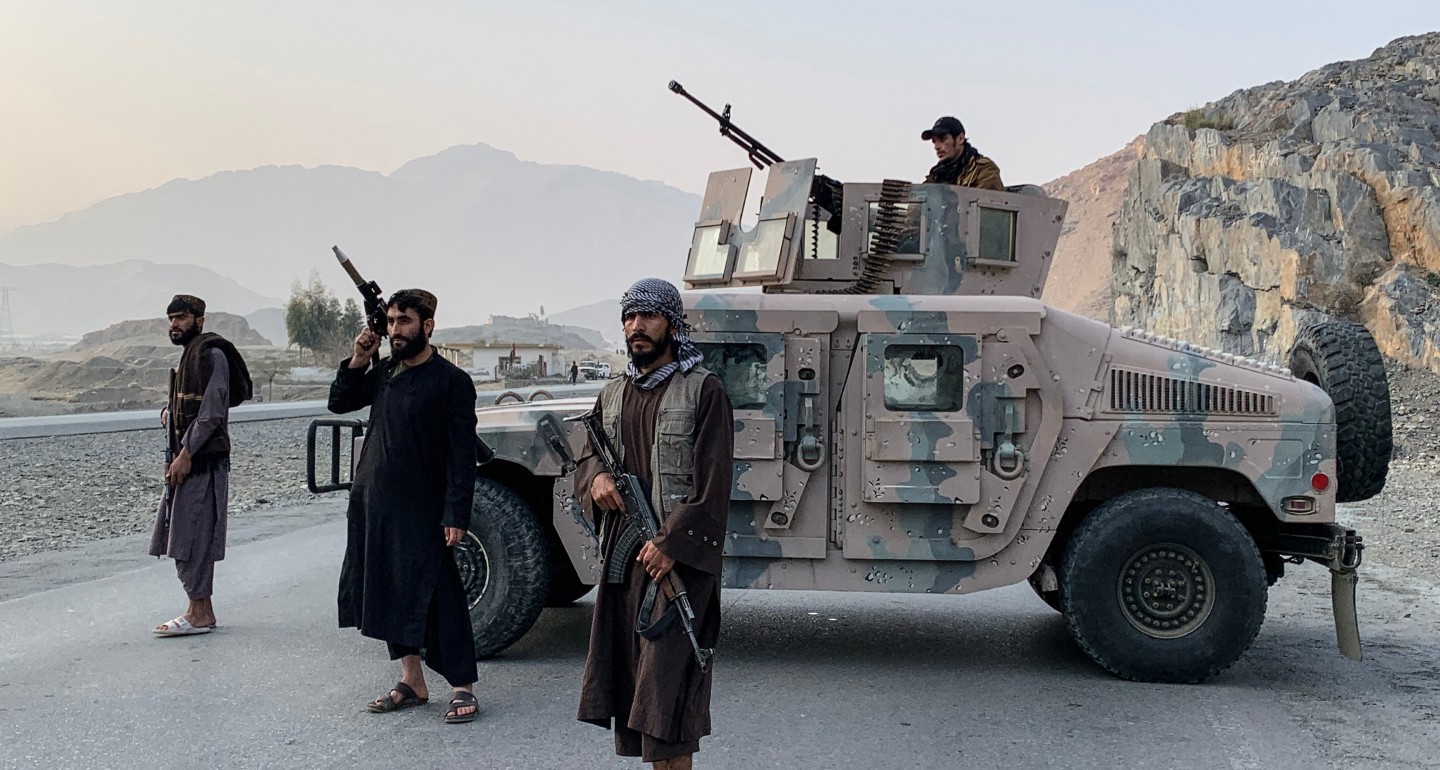
Not only does the fighting jeopardize regional security, it undermines Russian attempts to promote alternatives to the Western-dominated world order.

Ruslan Suleymanov