

Commentary
Trump has promised Belarus a massive potash deal. But Minsk is seeking something greater: restored Western transit and greater room for maneuver from Russia.
Balázs Jarábik
{
  "authors": [
    "Ann M. Florini",
    "Robert Johnson"
  ],
  "type": "legacyinthemedia",
  "centerAffiliationAll": "",
  "centers": [
    "Carnegie Endowment for International Peace"
  ],
  "collections": [],
  "englishNewsletterAll": "",
  "nonEnglishNewsletterAll": "",
  "primaryCenter": "Carnegie Endowment for International Peace",
  "programAffiliation": "",
  "programs": [],
  "projects": [],
  "regions": [],
  "topics": [
    "Economy",
    "Trade"
  ]
}
REQUIRED IMAGE
Source: Carnegie
Transform Trade
By Ann Florini and Robert Johnson
Copyright The Miami Herald, reprinted with permission, November 21, 2001
The United States has a golden chance to bring new legitimacy to the global trading system. But U.S. policymakers seem determined to squander the opportunity.
Two months ago, the prospects for further trade liberalization seemed dim. Then came Sept. 11. With soaring approval ratings, President Bush's chances of winning trade-promotion authority from Congress have improved. Abroad, sympathy for the United States has generated political capital where animosity existed before.
As the global economy slows, developing countries are more desperate than ever for increased access to developed country markets. Instead of gearing up for a busy autumn at the IMF/ World Bank meetings and at the World Trade Organization Ministerial in Doha, Qatar, the ``anti-globalization'' movement has fallen largely silent. Indeed, the political fallout of Sept. 11 has opened new channels for dialogue and progress.
But instead of bringing people together to build consensus, trade ``insiders'' are re-polarizing the debate. Claiming that trade policy is an anti-terrorism tool, leading officials and pro-trade spokesmen such as U.S. Trade Representative Robert Zoellick are smearing their opponents, asserting that the protestors have ``intellectual connections with,'' if not ``moral responsibility for,'' the totally unrelated acts of terror. They seem to believe that this tactic will help achieve the launch of a new trade round at the WTO Ministerial.
Such a victory would be Pyrrhic indeed. Not only do these cheap shots inflame all parts of the diverse international protest movement, they also erode the fleeting opportunity to mobilize the political center that recognizes the potential value of trade but remains deeply concerned about the form that economic integration takes. For everyone except the hard-core anti-capitalists and anarchists, the question is not whether trade is good; the question is what terms and rules for trade are good.
Only such a public discussion can foster stronger public support and legitimacy for trade liberalization, in part by forcing policymakers to address the trading system's significant shortcomings.
The trade rules that have been negotiated over the last couple of decades are stacked against poor countries. Where poor countries could compete, in goods such as textiles, labor-intensive manufacturing or agriculture, trade barriers in developed countries remain high. At the same time, WTO rules now prohibit developing countries from implementing many of the ``infant industry'' protections (such as subsidized credit and domestic content requirements) that served the East Asian countries well in their drive to develop.
Rich corporations too easily can finagle special protections such as those given to certain kinds of intellectual-property rights. And the processes for making trade rules and resolving trade disputes are far too impervious to input from the public.
If trade advocates want to promote trade liberalization, they should reach out to the skeptics and critics, transforming what had become a bitterly polarized clash into a genuine public debate. There is right on both sides. The case for trade isn't always strong, and trade liberalization is no magic bullet for poverty reduction.
AN OPEN DEBATE
The links between trade, environment and labor standards are very real, and the virtues of free trade must be balanced against other legitimate values. Yet the continued reduction of trade barriers is a worthy goal that could serve the interests of rich and poor alike.
Trade negotiators often liken their task to riding a bicycle: They have to keep negotiations moving forward, or they will fall over. Achieving that legitimacy requires an honest, open debate over the virtues and flaws of the existing global trading rules, not a smear campaign directed against anyone who dares to challenge the existing order.
Ann Florini is senior associate at the Carnegie Endowment for International
Peace in Washington, D.C. Robert Johnson is a Marshall scholar at the London
School of Economics.
Former Senior Associate
Robert Johnson

Trump has promised Belarus a massive potash deal. But Minsk is seeking something greater: restored Western transit and greater room for maneuver from Russia.

Balázs Jarábik

Depleted financial reserves and a shrinking tax base mean it is no longer possible to simultaneously deliver high defense spending, price stability, and economic growth.

Alexandra Prokopenko

When faced with fuel shortages in the past, Central Asian governments could always count on additional supplies from Moscow. That safety net no longer exists.

Galiya Ibragimova
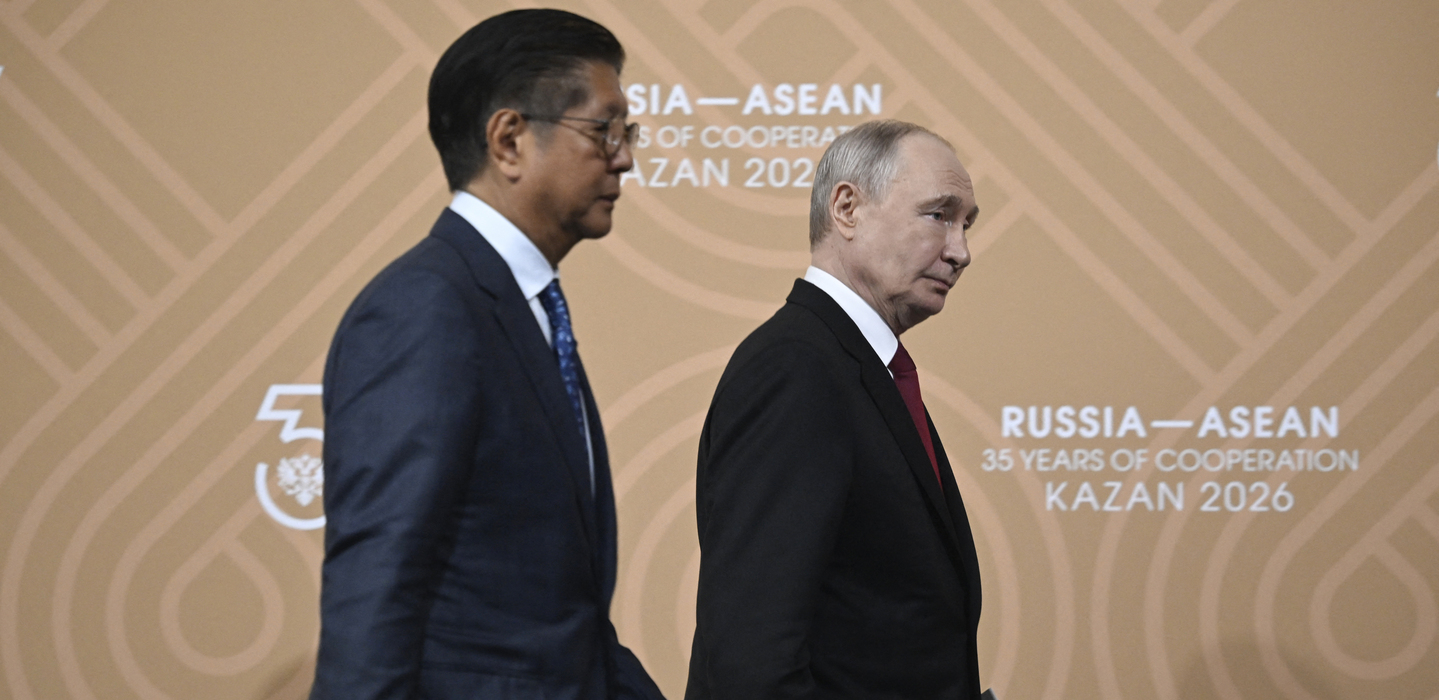
Russia looks set to reap economic benefits from closer ties with Southeast Asian countries that are keen to find reliable energy suppliers and diversify trade ties.

Alexander Gabuev
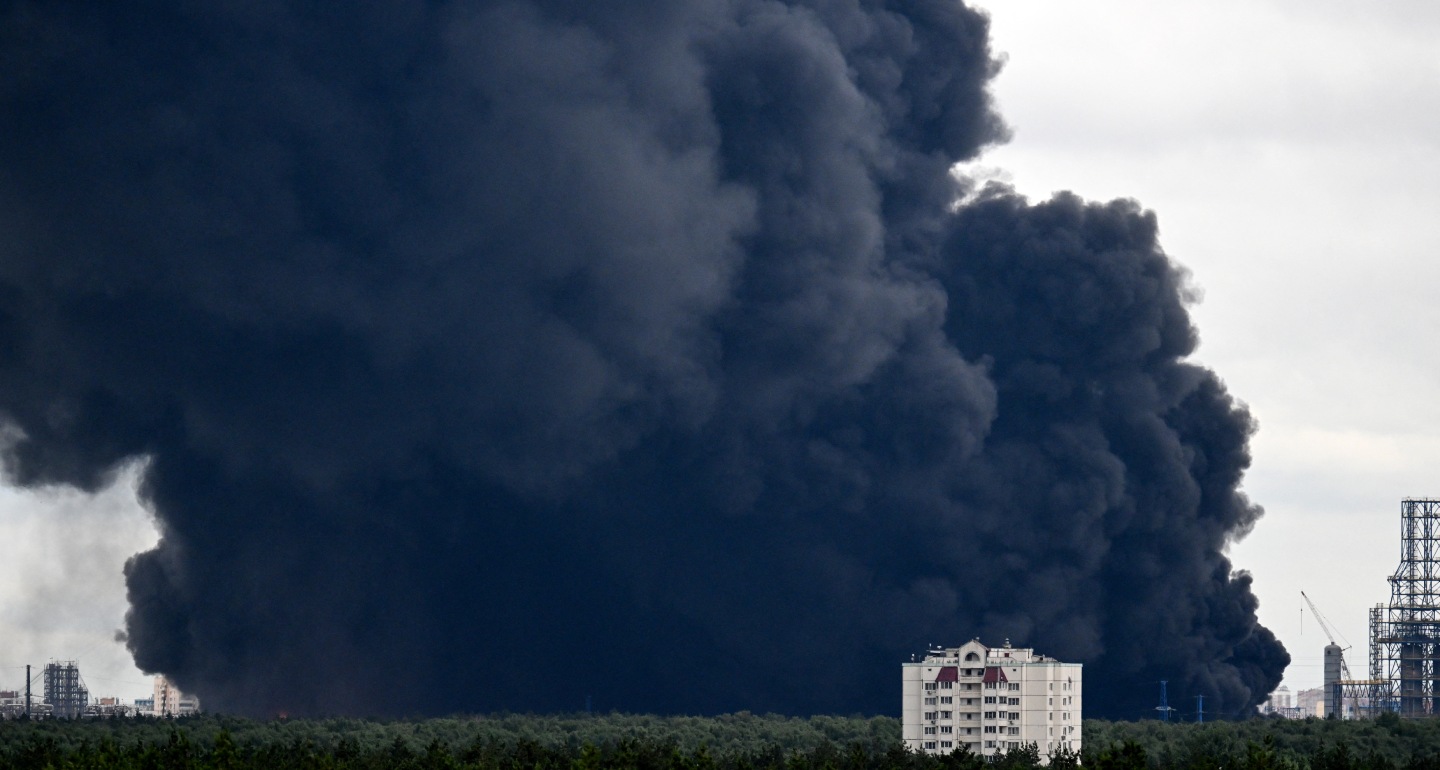
If it proves impossible for the Russian authorities to avoid a gasoline deficit, the question then becomes how they will organize the distribution of a scarce resource.

Sergey Vakulenko