

Q&A
John Hewko
{
  "authors": [
    "John Hewko"
  ],
  "type": "legacyinthemedia",
  "centerAffiliationAll": "dc",
  "centers": [
    "Carnegie Endowment for International Peace"
  ],
  "collections": [],
  "englishNewsletterAll": "democracy",
  "nonEnglishNewsletterAll": "",
  "primaryCenter": "Carnegie Endowment for International Peace",
  "programAffiliation": "DCG",
  "programs": [
    "Democracy, Conflict, and Governance"
  ],
  "projects": [],
  "regions": [
    "North America",
    "South America"
  ],
  "topics": [
    "Trade"
  ]
}
REQUIRED IMAGE
The roots of Argentina's recent crisis go well beyond the current debate about the failings of a particular economic policy or multilateral institution. The principal fault for Argentina's woes lies squarely with the country's political and economic elite.
Source: Carnegie
No Need to Cry for Argentina
In a January 26, 2002 Boston Globe op-ed, Carnegie Visiting Scholar John Hewko writes that the roots of Argentina's recent crisis go well beyond the current debate about the failings of a particular economic policy or multilateral institution. The principal fault for Argentina's woes lies squarely with the country's political and economic elite. Click here to read the article.
Former Nonresident Senior Associate, Democracy and Rule of Law Program
Hewko was a nonresident senior associate with the Carnegie Endowment’s Democracy and Rule of Law Program. His research focuses on international development issues, democracy promotion, and the countries of the former Soviet Union.
Recent Work
John Hewko
Carnegie does not take institutional positions on public policy issues; the views represented herein are those of the author(s) and do not necessarily reflect the views of Carnegie, its staff, or its trustees.

When faced with fuel shortages in the past, Central Asian governments could always count on additional supplies from Moscow. That safety net no longer exists.

Galiya Ibragimova
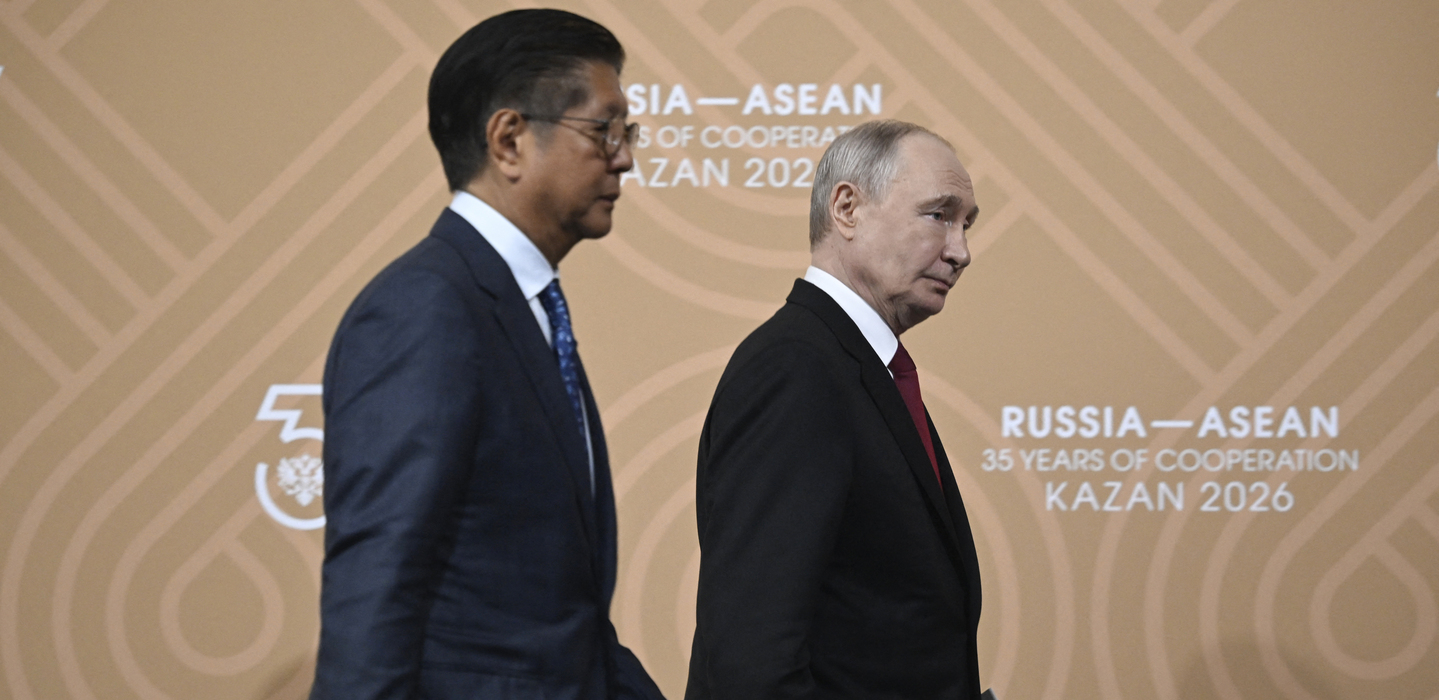
Russia looks set to reap economic benefits from closer ties with Southeast Asian countries that are keen to find reliable energy suppliers and diversify trade ties.

Alexander Gabuev
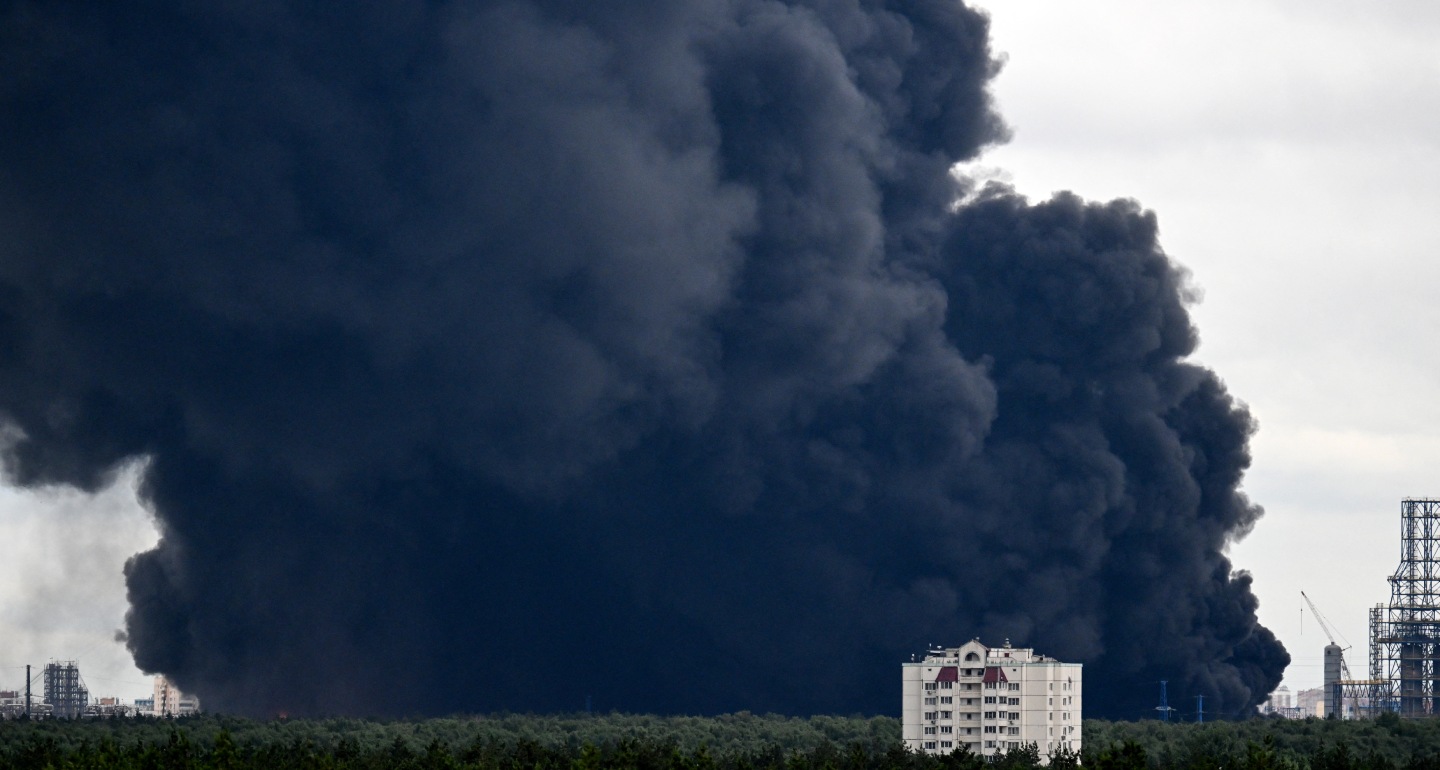
If it proves impossible for the Russian authorities to avoid a gasoline deficit, the question then becomes how they will organize the distribution of a scarce resource.

Sergey Vakulenko
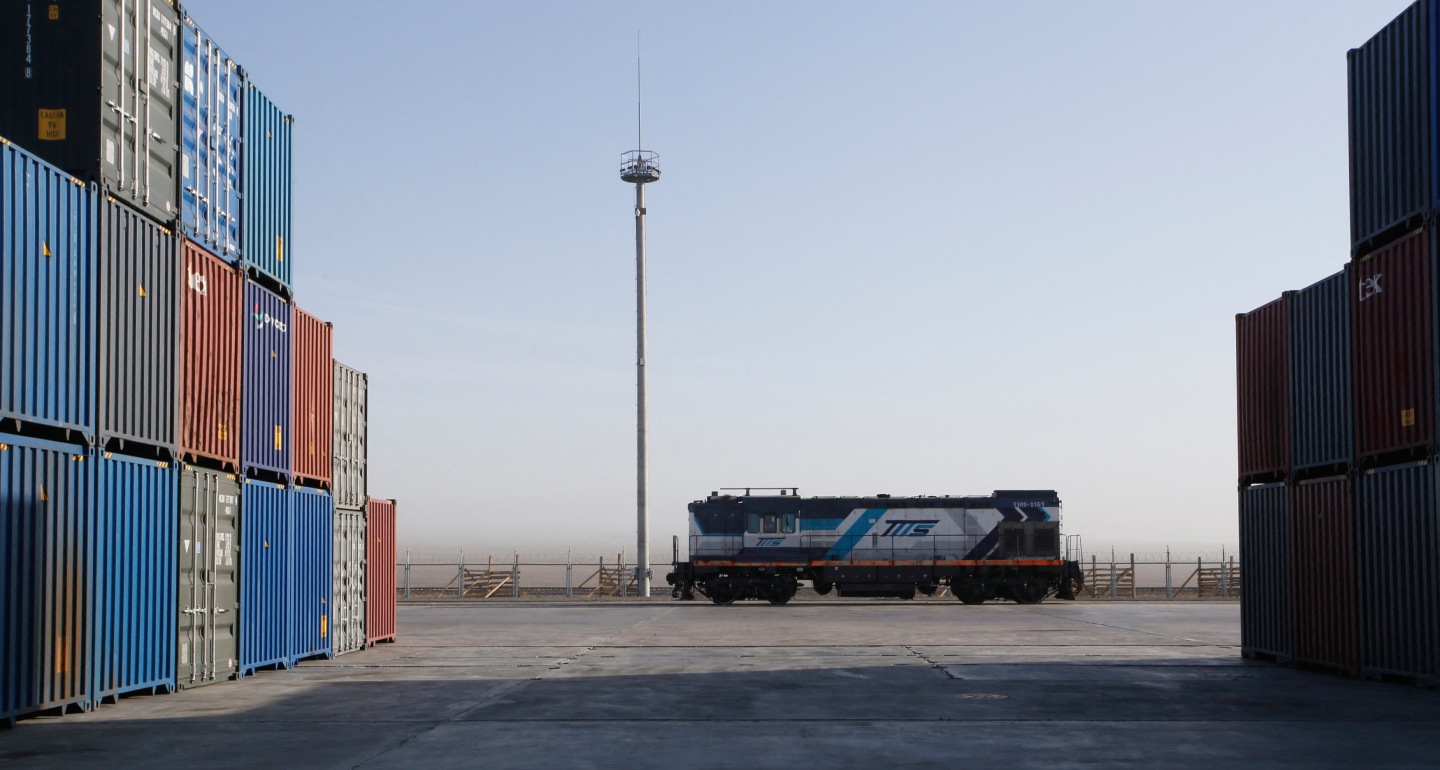
This year’s wars have made alternative routes to transit through Russia no less risky for Central Asian countries.
Galiya Ibragimova
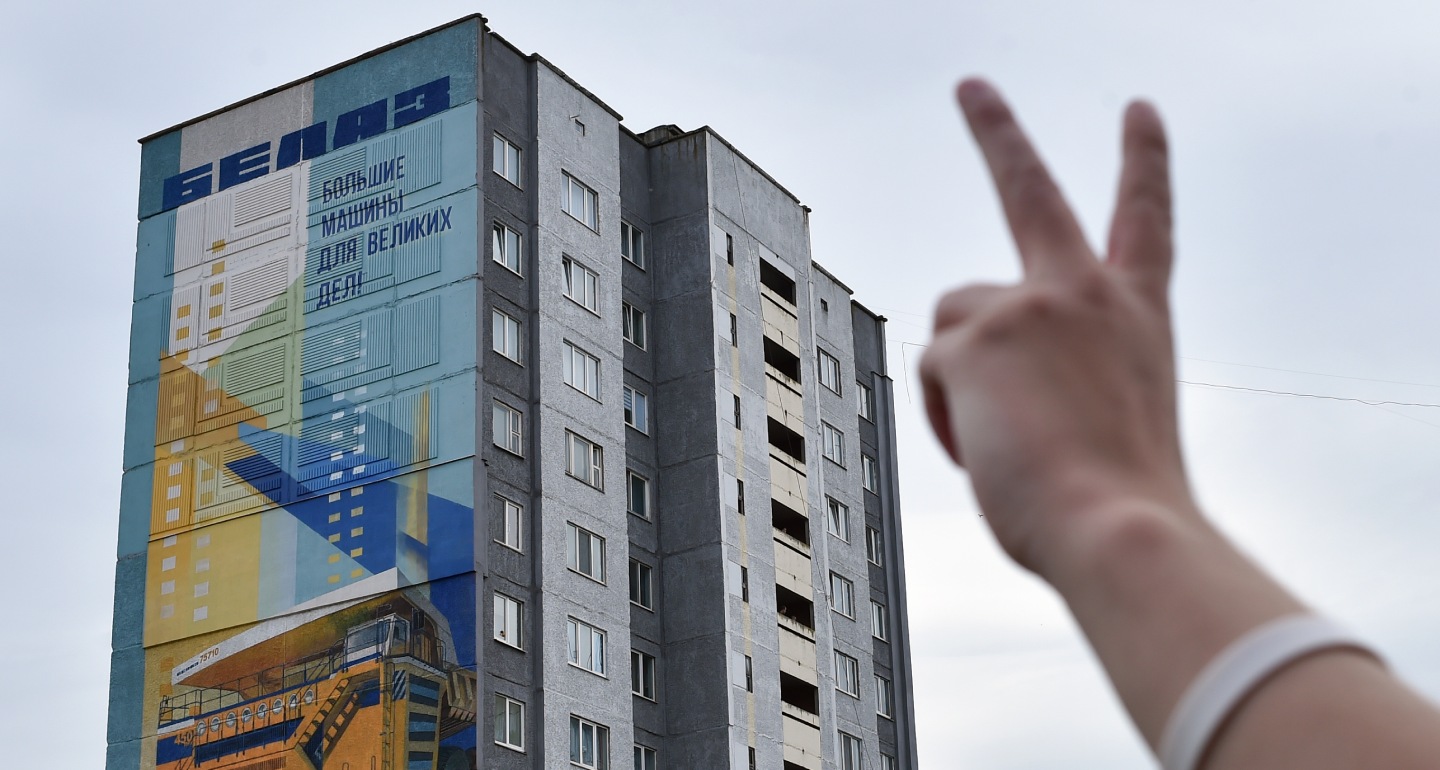
Minsk’s faith in the future of its larger neighbor’s economy is fading as Belarusian firms in Russia see record losses.

Olga Loiko