

Paper
Mr. Daniel Brumberg
{
  "authors": [
    "Daniel Brumberg"
  ],
  "type": "legacyinthemedia",
  "centerAffiliationAll": "dc",
  "centers": [
    "Carnegie Endowment for International Peace"
  ],
  "collections": [],
  "englishNewsletterAll": "democracy",
  "nonEnglishNewsletterAll": "",
  "primaryCenter": "Carnegie Endowment for International Peace",
  "programAffiliation": "DCG",
  "programs": [
    "Democracy, Conflict, and Governance"
  ],
  "projects": [],
  "regions": [
    "Iran",
    "Afghanistan"
  ],
  "topics": [
    "Political Reform",
    "Foreign Policy"
  ]
}
REQUIRED IMAGE
Source: Carnegie
Published July/September 2002 in The International Spectator .
Read the full text on The International Spectator website.
While the unhappy course of US-Iranian relations reflects the fragmented nature of foreign policy making in both Washington and Tehran., such divisions have proven especially costly in Iran because they echo a power struggle over the very nature of Iran's Islamic Republic. The case of Afghanistan demonstrates how a push by reformists for improved US-Iranian relations can alarm hardliners and thus invite a crackdown. Yet the Bush administration has hurt the reformists by adopting the bellicose language of Washington's own hardliners. Paradoxically, the best way to strengthen moderates in both Washington and Tehran may be for Europe to stop playing "good cop" to the America's "bad cop." A tougher line on human rights, WMD, terrorism, and Palestine will signal that Tehran can no longer play Europe and the US off and thus avoid hard foreign policy choices.
Former Senior Associate
Recent Work
Mr. Daniel Brumberg

Thomas Carothers, Marina Ottaway, Ms. Amy Hawthorne, …
Carnegie does not take institutional positions on public policy issues; the views represented herein are those of the author(s) and do not necessarily reflect the views of Carnegie, its staff, or its trustees.
Most of Moscow’s military resources are tied up in Ukraine, while Beijing’s foreign policy prioritizes economic ties and avoids direct conflict.


Alexander Gabuev, Temur Umarov
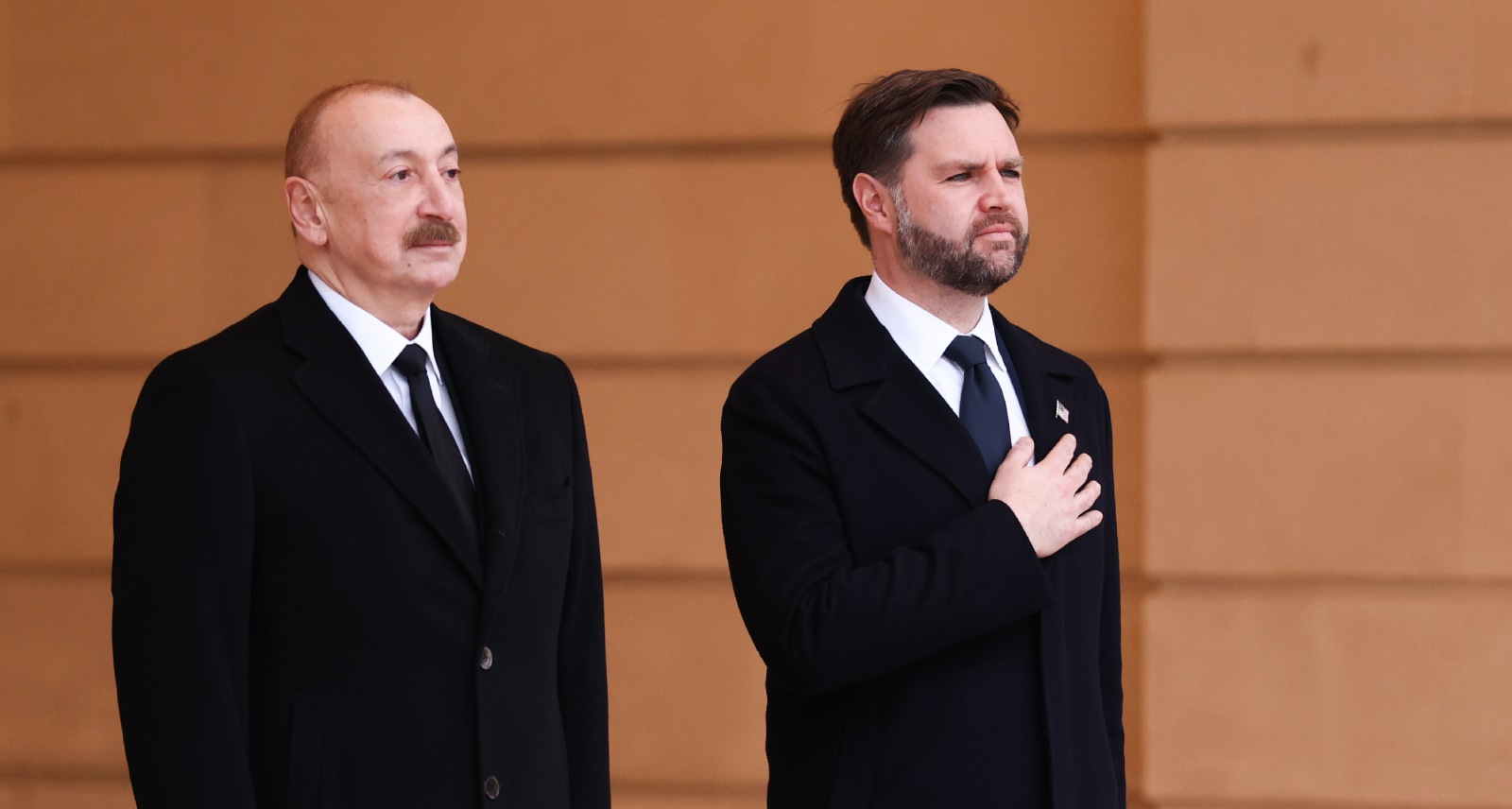
With the White House only interested in economic dealmaking, Georgia finds itself eclipsed by what Armenia and Azerbaijan can offer.

Bashir Kitachaev
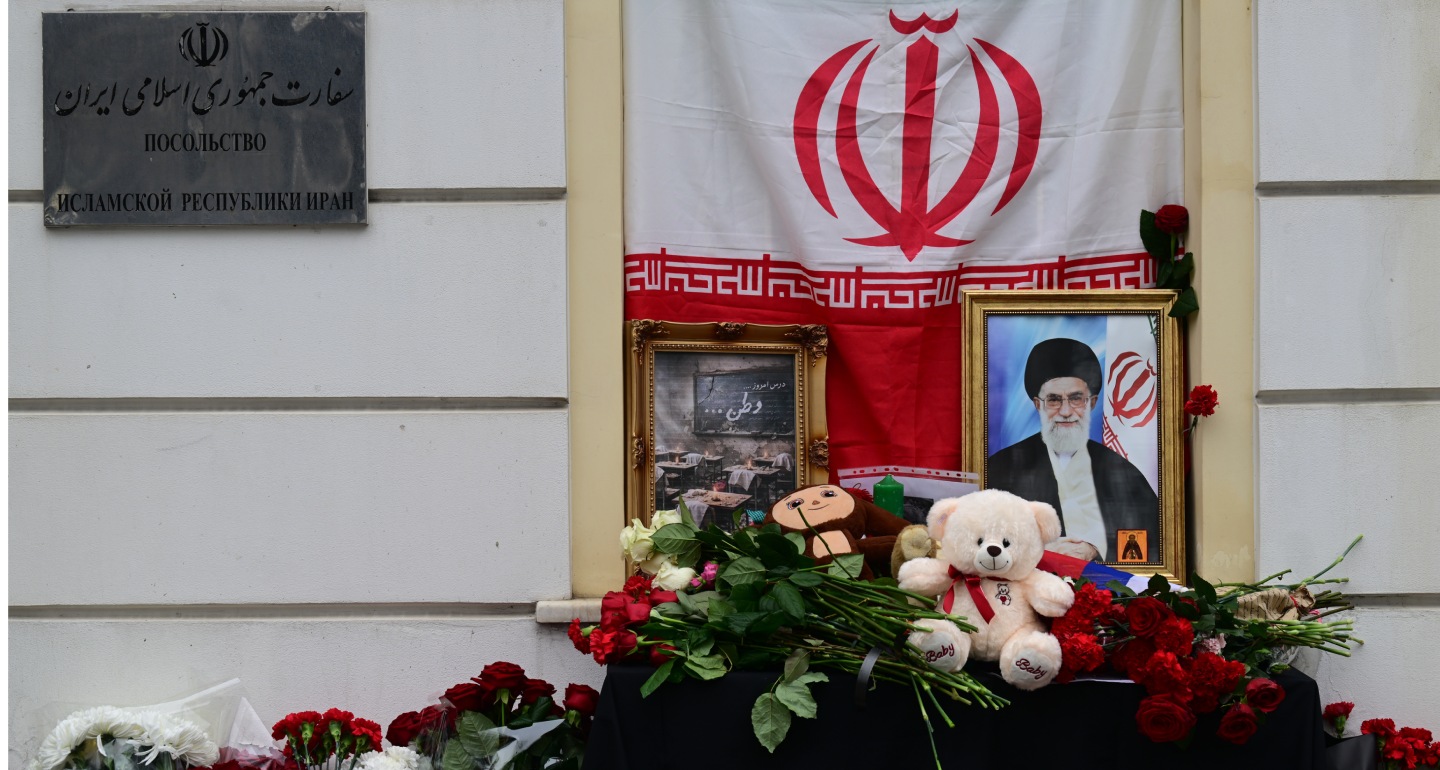
If the regime in Tehran survives, it could be obliged to hand Moscow significant political influence in exchange for supplies of weapons and humanitarian aid.

Nikita Smagin
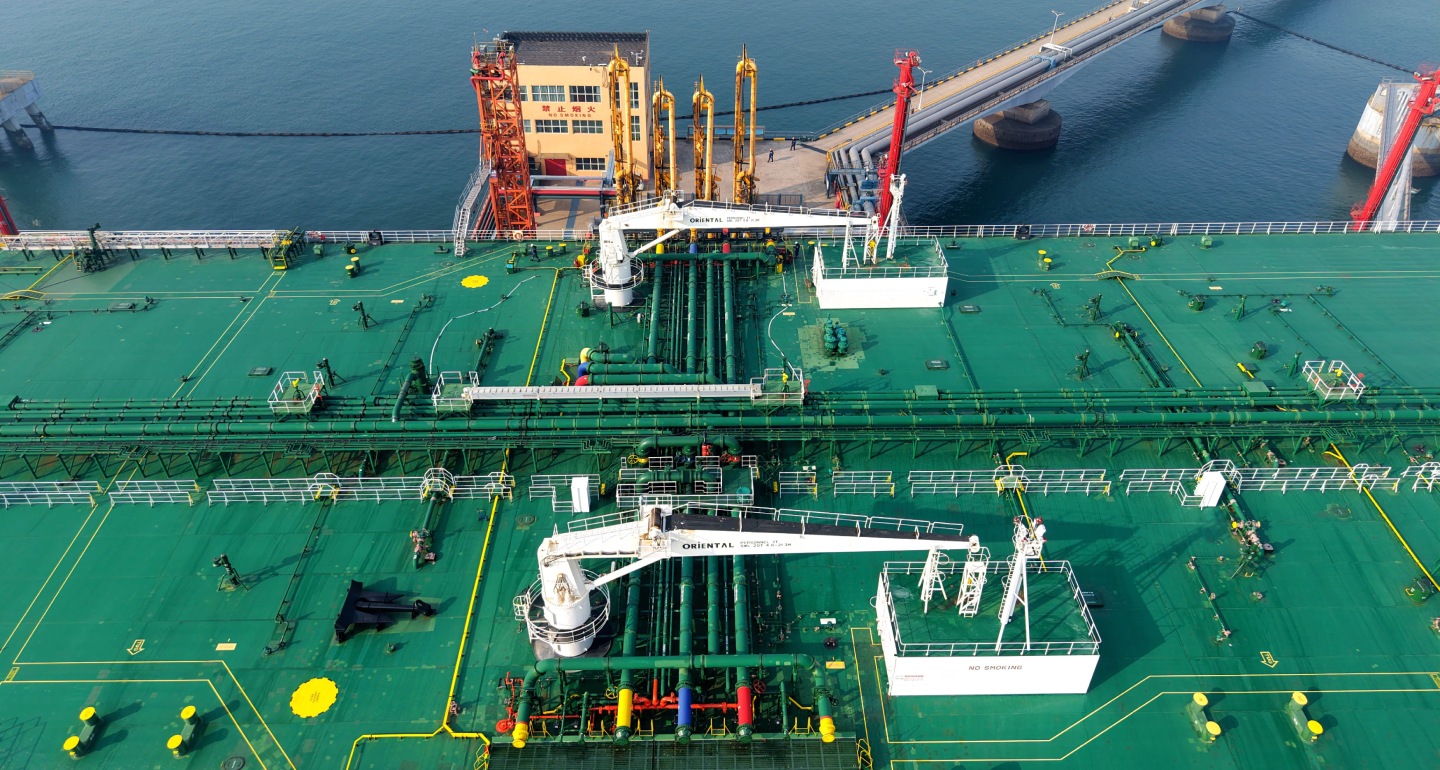
The interventions in Iran and Venezuela are in keeping with Trump’s strategy of containing China, but also strengthen Russia’s position.

Mikhail Korostikov
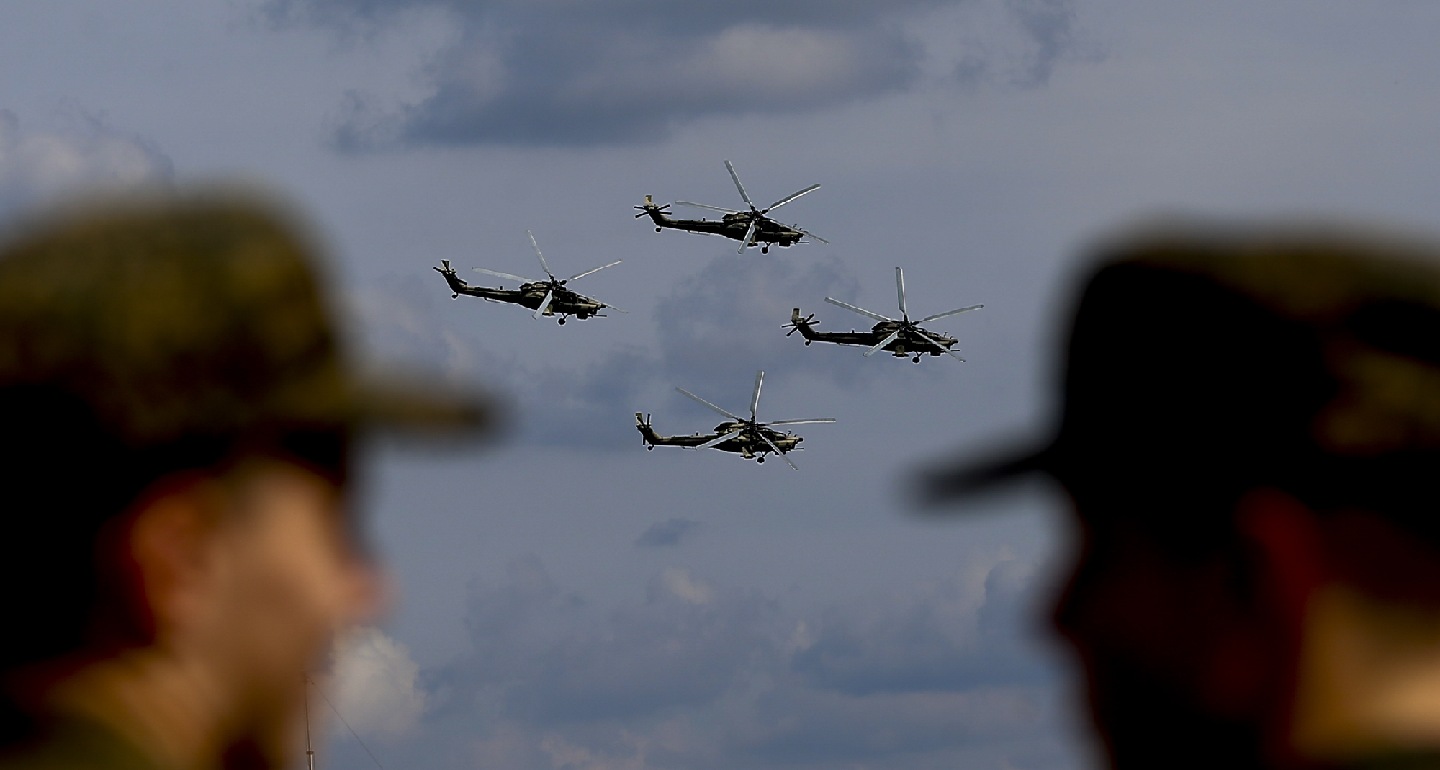
Arms supplies from Russia to Iran will not only continue, but could grow significantly if Russia gets the opportunity.
Nikita Smagin