

Commentary
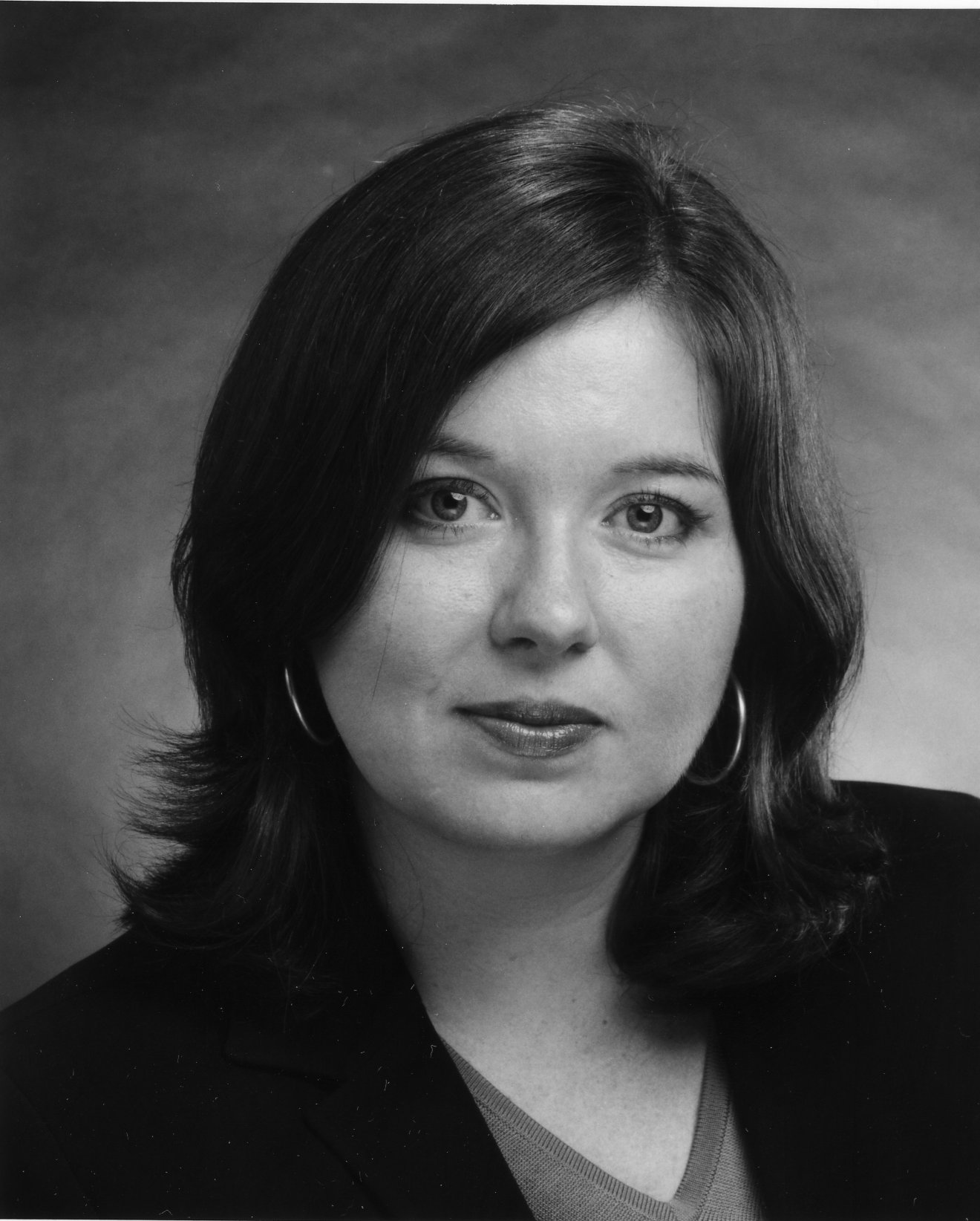
Ms. Amy Hawthorne
{
  "authors": [
    "Amy Hawthorne"
  ],
  "type": "legacyinthemedia",
  "centerAffiliationAll": "dc",
  "centers": [
    "Carnegie Endowment for International Peace"
  ],
  "collections": [],
  "englishNewsletterAll": "democracy",
  "nonEnglishNewsletterAll": "",
  "primaryCenter": "Carnegie Endowment for International Peace",
  "programAffiliation": "DCG",
  "programs": [
    "Democracy, Conflict, and Governance"
  ],
  "projects": [],
  "regions": [
    "United States",
    "Middle East"
  ],
  "topics": [
    "Political Reform",
    "Democracy",
    "Foreign Policy"
  ]
}
REQUIRED IMAGE
Source: Carnegie
Current History, January, 2003.
Click here to read view a pdf of the full text.
The Arab world's democracy deficit has finally captured Washington's attention. Despite this high-level interest, the Bush administration has yet to formulate a realistic democracy-promotion strategy for the Middle East. Ambitious plans to replace current regimes with democratic successors have been proposed for some leaders the United States opposes; elsewhere, a more low-key approach seems to be emerging. What is needed is a sustained policy of high-level engagement with Arab governments, along with support for openings that would bolster reformist groups, and a willingness to accept that genuine political change will be bumpy. Even this modest policy would represent a dramatic and difficult shift for the United States, especially as regional tensions increase.
Former Associate
Recent Work
Ms. Amy Hawthorne
Ms. Amy Hawthorne, Hesham Nasr
Carnegie does not take institutional positions on public policy issues; the views represented herein are those of the author(s) and do not necessarily reflect the views of Carnegie, its staff, or its trustees.
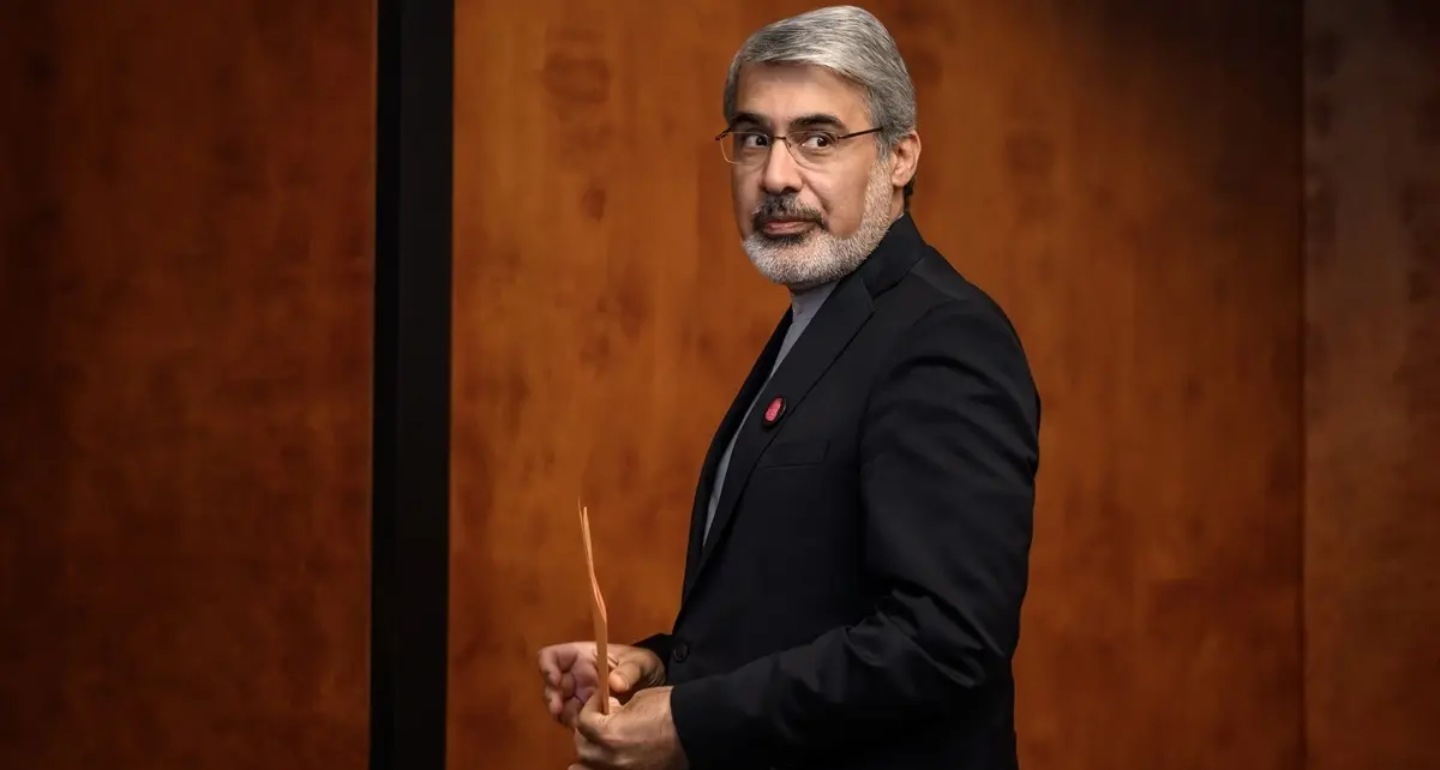
Ongoing uncertainty in the Middle East allows Moscow to both increase its influence in Tehran and continue to enjoy the financial windfall of higher oil prices.

Nikita Smagin

This year’s wars have made alternative routes to transit through Russia no less risky for Central Asian countries.

Galiya Ibragimova
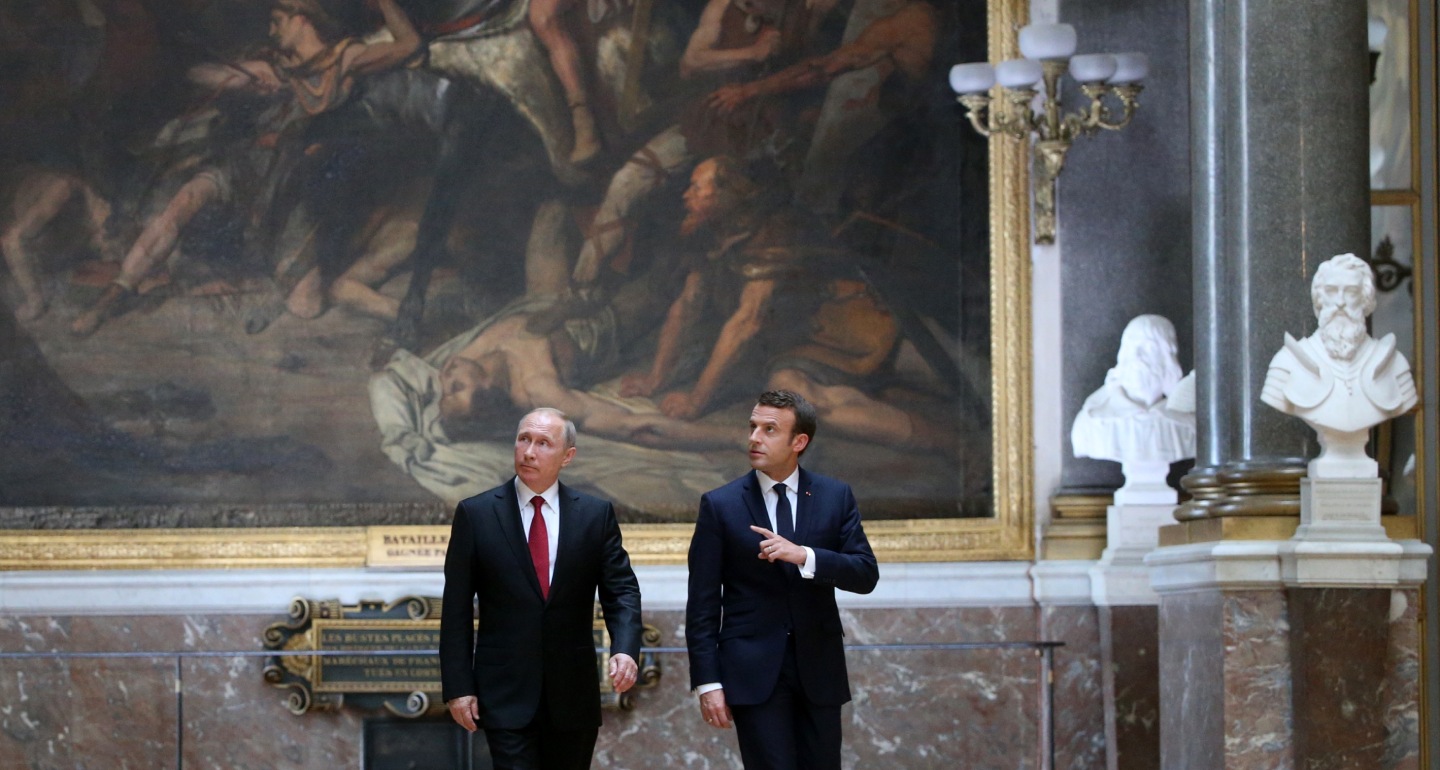
Reestablishing a dialogue with Moscow is not a goal in its own right. The goal is to guarantee the independence of Ukraine and the peace and security of Europe.
Arkady Moshes
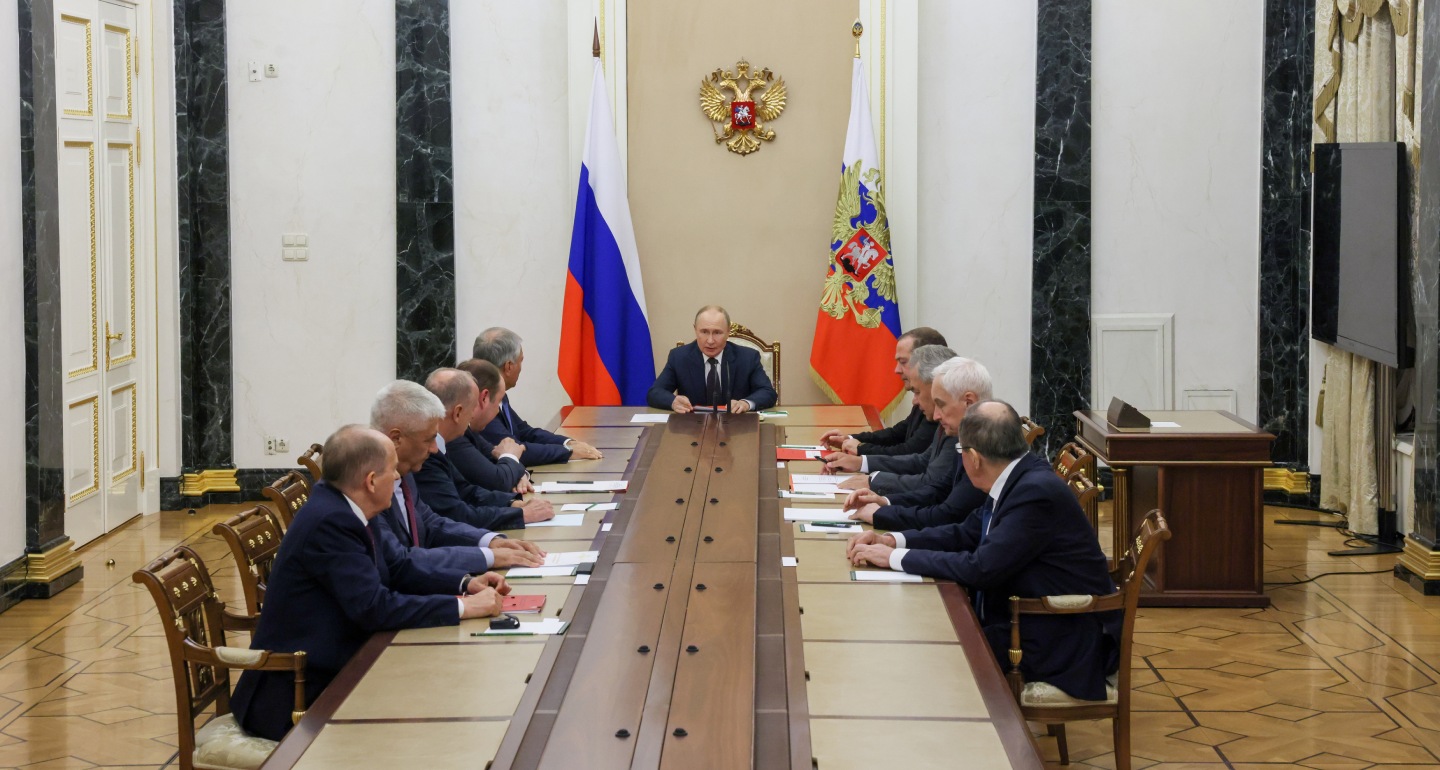
The ruling elites in contemporary Russia are not a political class, but a community of managers who are not subject to competition or public accountability. The state is becoming an operating apparatus without any internal autonomy.

Alexandra Prokopenko

Pashinyan’s pro-European party has been re-elected with a decisive victory. But the pro-Russian opposition could still slow Armenia’s progress toward peace with Azerbaijan and rapprochement with Europe.
Mikayel Zolyan