

Commentary
Ms. Amy Hawthorne, Hesham Nasr
{
  "authors": [
    "Amy Hawthorne"
  ],
  "type": "commentary",
  "blog": "Sada",
  "centerAffiliationAll": "",
  "centers": [
    "Carnegie Endowment for International Peace"
  ],
  "collections": [],
  "englishNewsletterAll": "",
  "nonEnglishNewsletterAll": "",
  "primaryCenter": "Carnegie Endowment for International Peace",
  "programAffiliation": "",
  "programs": [],
  "projects": [],
  "regions": [
    "North Africa",
    "Egypt"
  ],
  "topics": [
    "Political Reform"
  ]
}

REQUIRED IMAGE
With its July 2005 establishment of supposedly autonomous commissions to oversee this fall's presidential and parliamentary elections, Egypt joined several Arab countries that have created election management bodies. The ruling National Democratic Party has touted the commissions, headed by judicial figures, as enhancing constitutionally-mandated judicial supervision of the electoral process.
With its July 2005 establishment of supposedly autonomous commissions to oversee this fall's presidential and parliamentary elections, Egypt joined several Arab countries that have created election management bodies. The ruling National Democratic Party (NDP) has touted the commissions, headed by judicial figures, as enhancing constitutionally-mandated judicial supervision of the electoral process. The new bodies help soften the image of voting in a country where the Ministry of Interior has long been the intimidating public face of elections, and contain the seeds of meaningful institutions. But as currently structured, the commissions lack the power and independence required for more fair and transparent elections. In fact, the commissions' setting-up illustrates the current dynamic in Egypt: opposition forces can press the regime to enact reforms, but are too weak to influence the substance of those reforms.
The role of the Presidential Election Commission that oversaw the September 7 vote included vetting candidates, setting campaign dates, encouraging citizen participation, supervising campaign spending and access to state-run broadcast media, overseeing balloting and vote-counting, and declaring the results. The Parliamentary Election Commission has similar tasks for upcoming elections, and in future elections will advise the government on updating the voter registry and redrawing constituencies. While these duties are a step in the right direction, the commissions do not have authority to tackle the most serious problems plaguing Egyptian election administration: a deeply flawed registry that should be fully revamped, a poorly-trained election bureaucracy often loyal to the regime (and by extrapolation the ruling party), and widespread public ignorance of registration and voting procedures.
Commissions are instead confined to advising the Interior Ministry and other agencies that do the actual preparations for elections and to supervising the final stages of the process. NDP officials explain that the commissions are based on the French model, in which a judicial committee oversees the government's implementation of elections. Such a model is unsuitable for Egypt, however, which lacks France's professional civil service and needs an overhaul of election infrastructure by a neutral body. In addition, the commissions' last-minute formation and inadequate resources hinder them from executing even their assigned duties; the presidential commission reportedly met only twice before election day.
More important, the commissions' membership does not meet the minimum standard for independence. The judicial officials selected are not known for taking public stances against the government; the Minister of Justice, who heads the parliamentary commission, is an executive branch employee. The other members—retired judges and nonpartisan public figures hastily chosen by the NDP-dominated parliament—have little political clout. Thus Egypt's commissions lack what is most essential: strong figures who can push back against executive-branch interference.
Indeed, key decisions taken by the presidential commission did little to project an image of impartiality. Chairman Mamdouh Marei (head of Egypt's Supreme Constitutional Court) prevented domestic election monitors from playing any meaningful role, disqualified one thousand judges (who had criticized past elections and pushed for judicial reforms) from overseeing polling stations, and devised a patently nontransparent vote-counting system. Most troubling, by law the commission's decisions cannot be appealed, thereby inoculating President Hosni Mubarak's landslide against being overturned by the courts.
A few other Arab countries have recently established electoral commissions, but none has a perfect record. Algeria has a judicial commission much like Egypt's, along with a party-based committee that mainly receives complaints and monitors media access. Morocco has a similarly toothless committee. Only Iraq, Palestine, and Yemen have fully-empowered commissions. In contrast to the situation in Egypt, these three emerged in a context of state formation, in which no one group could control election management. Iraq's nonpartisan commission displayed admirable competence in organizing the January 2005 vote under extremely trying circumstances. It remains to be seen, however, if it can withstand pressure from powerful Shiite and Kurdish parties to manipulate upcoming votes. And the commission is unlikely to be emulated by other Arab governments, who would view the extensive U.S. and UN involvement in its operations as a violation of their sovereignty. The committee that oversaw unified Yemen's first elections, in 1993, was the region's most striking experiment in pluralistic election administration. The main parties were represented at all levels, an approach that caused gridlock as they had to agree upon every decision, but that fostered public confidence. Regrettably, in recent years the ruling party has stacked the commission with loyalists.
Palestine's commission is perhaps the most promising. It features a mix of partisan and technocratic members and has built a skilled staff who successfully revised the voter registry. Allegations of some commissioners' favoritism toward the ruling Fatah party in the recent presidential contest, however, have marred its reputation. Nonetheless, Palestine remains a relative bright spot in a region where electoral commissions are becoming more common, but are not yet necessarily making a critical difference in the freedom and fairness of elections.
Amy Hawthorne, the former editor of the Arab Reform Bulletin, is currently an independent consultant specializing in Middle East political reform.
Former Associate
Recent Work
Ms. Amy Hawthorne, Hesham Nasr
Ms. Amy Hawthorne
Carnegie does not take institutional positions on public policy issues; the views represented herein are those of the author(s) and do not necessarily reflect the views of Carnegie, its staff, or its trustees.
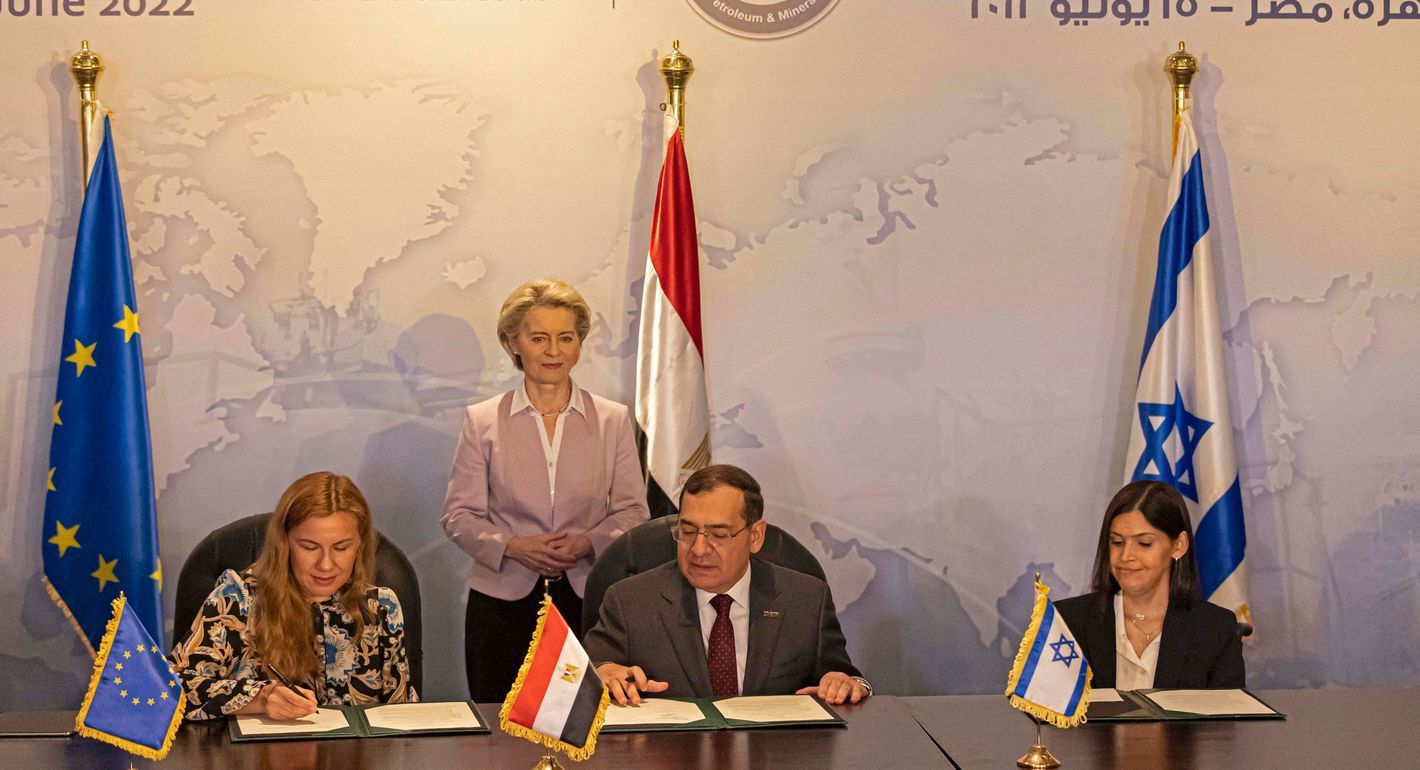
Can economic ties help contain conflict between Egypt and Israel, or do they simply postpone confrontation? Drawing on the German-Russian experience, the article examines how the gas deal creates mutual dependence, keeps channels of cooperation open, and raises the cost of conflict, without necessarily delivering lasting peace.

Nourhan Hefzy
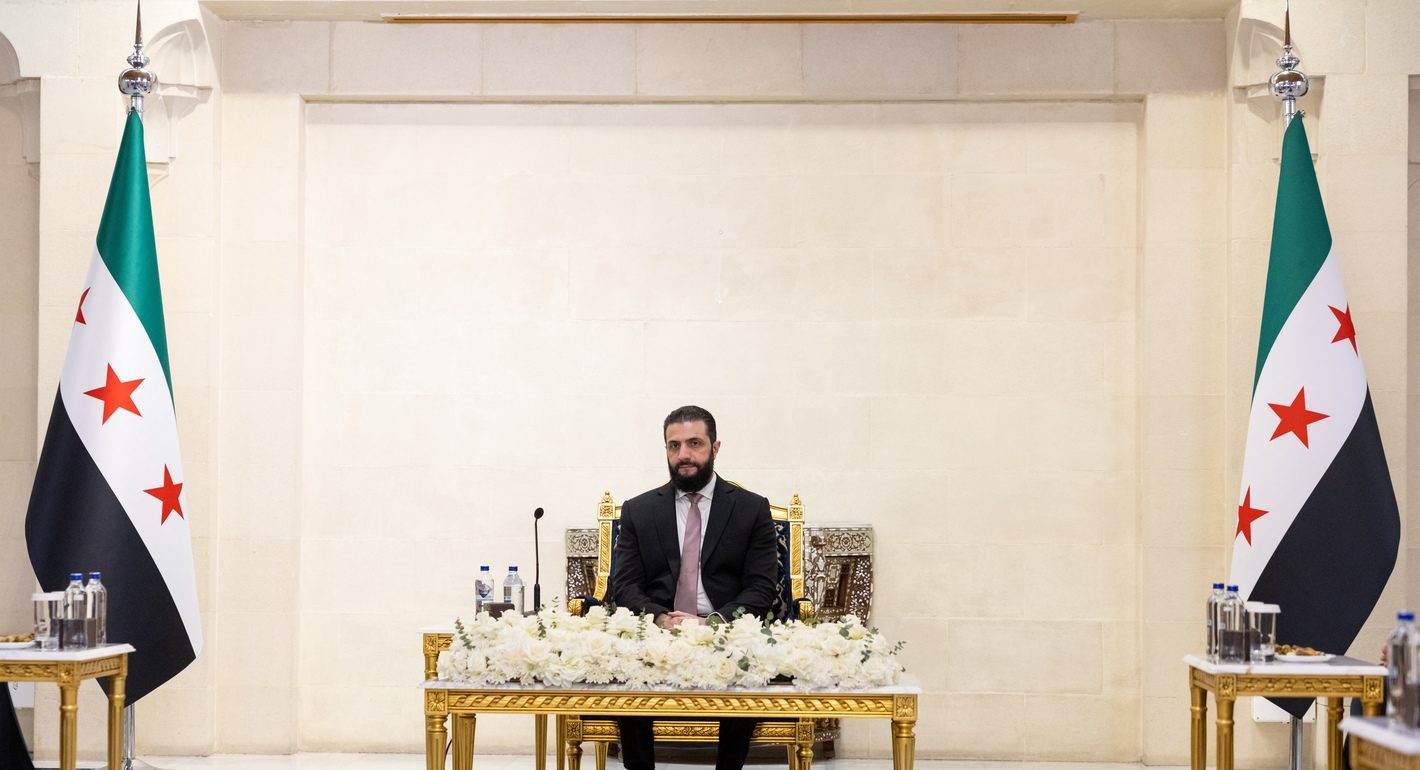
Syria's transition promised a fresh start. But are old habits of power making a comeback? This analysis looks at the warning signs and what it will take to build a more accountable state.

Sima Beitinjaneh
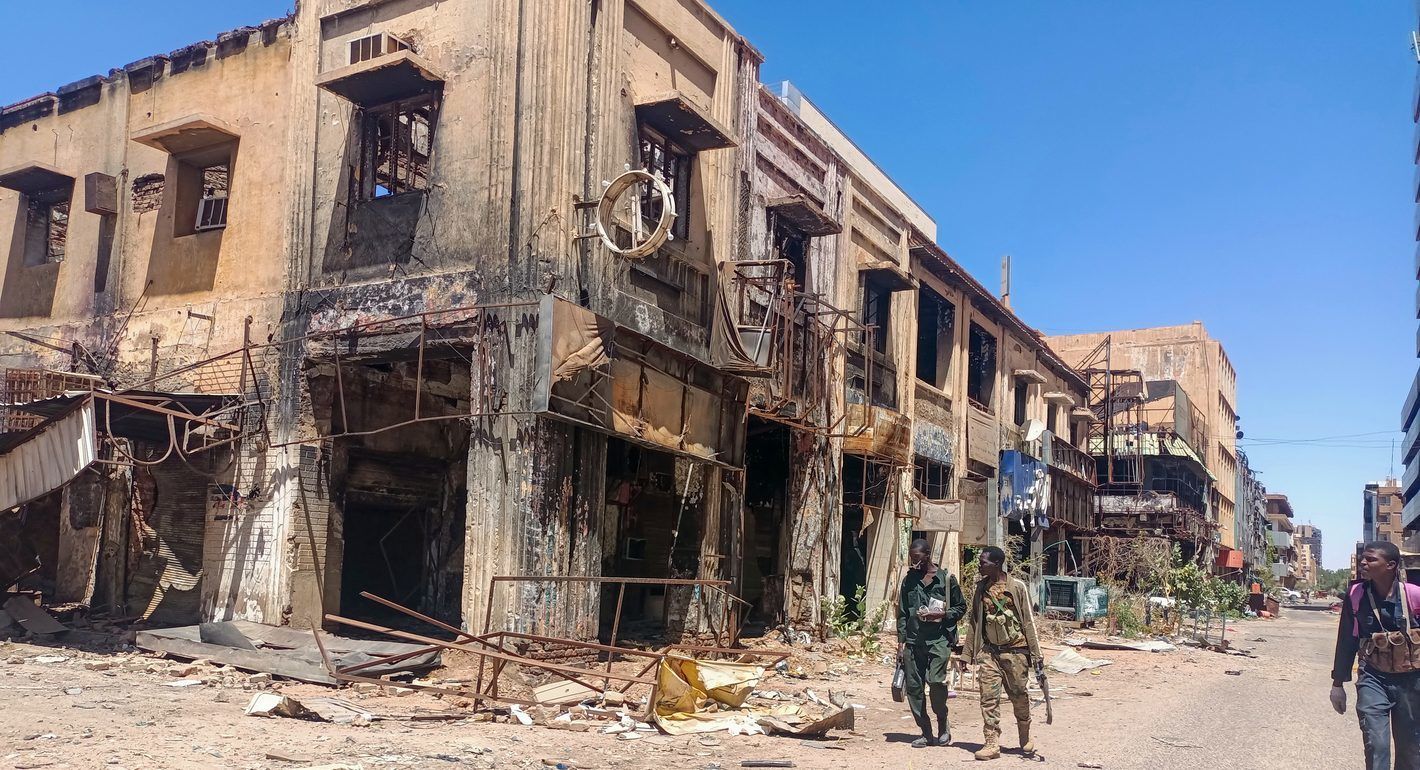
Hate speech has spread across Sudan and become a key factor in worsening the war between the army and the Rapid Support Forces. The article provides expert analysis and historical background to show how hateful rhetoric has fueled violence, justified atrocities, and weakened national unity, while also suggesting ways to counter it through justice, education, and promoting a culture of peace.
Samar Sulaiman
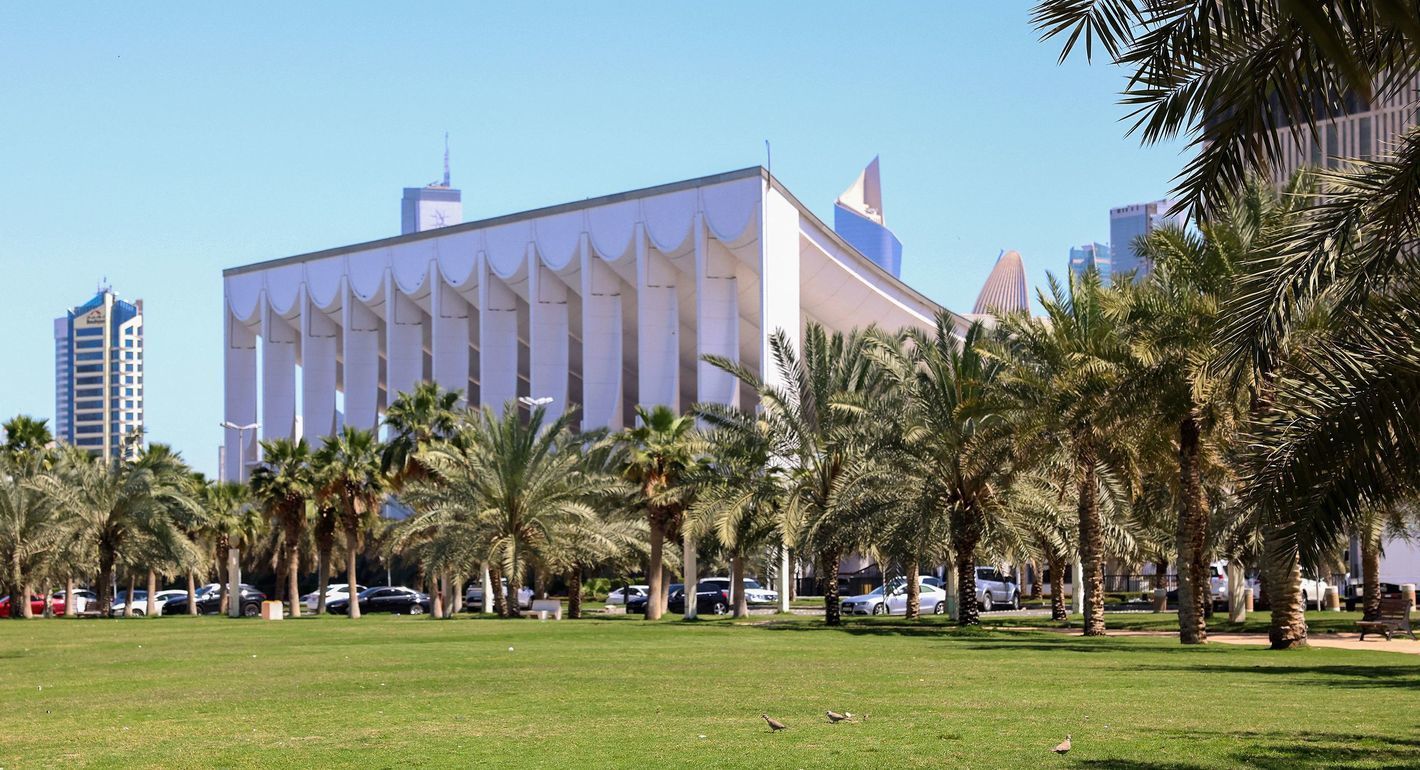
Kuwait’s government has repeatedly launched ambitious reforms under Kuwait Vision 2035, yet bureaucratic inefficiency, siloed institutions, and weak feedback mechanisms continue to stall progress. Adopting government analytics—real-time monitoring and evidence-based decision-making—can transform reform from repetitive announcements into measurable outcomes.
Dalal A. Marafie
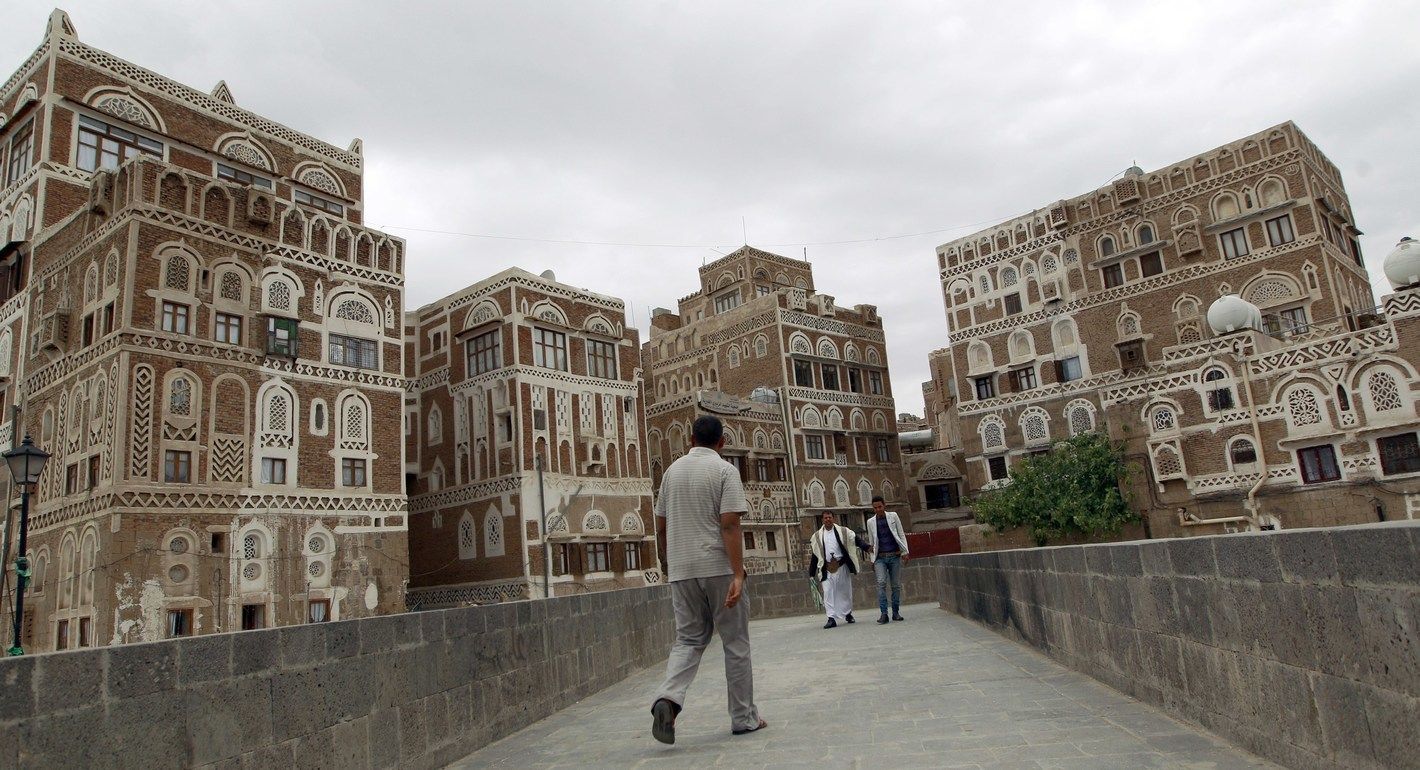
The chaos of street naming in Sana’a reflects the deep weakness of the Yemeni state and its failure to establish a unified urban identity, leaving residents to rely on informal, oral naming systems rooted in collective memory. This urban disorder is not merely a logistical problem but a symbolic struggle between state authority and local community identity.
Sarah Al-Kbat