

Commentary
A leak of Russian gas price data helps establish that China is paying Russia far less than Central Asian countries and Gazprom’s former European customers.
Sergey Vakulenko
{
  "authors": [
    "John Audley",
    "George Perkovich",
    "Sandra Polaski",
    "Scott Vaughan"
  ],
  "type": "other",
  "centerAffiliationAll": "",
  "centers": [
    "Carnegie Endowment for International Peace"
  ],
  "collections": [],
  "englishNewsletterAll": "",
  "nonEnglishNewsletterAll": "",
  "primaryCenter": "Carnegie Endowment for International Peace",
  "programAffiliation": "",
  "programs": [],
  "projects": [],
  "regions": [],
  "topics": [
    "Economy",
    "Trade"
  ]
}
REQUIRED IMAGE
WTO negotiators will meet in Cancun, Mexico, in September amid competing claims regarding what steps are necessary to make trade serve development goals. The authors outline the policies that governments and international institutions will need to avoid a debacle at Cancun and to assist developing countries in achieving long-lasting growth.
Following the riotous 1999 meeting in Seattle, and a near failure in Doha in 2001, the World Trade Organization dedicated the current round of trade liberalization talks to "development." Negotiators will meet in Cancun, Mexico, in September amid competing claims regarding what steps are necessary to make trade serve development goals. The catch phrases of international trade—"comparative advantage," "the development round," "trade not aid," and "level playing field"—hide tough choices for both developing and developed country governments. Getting trade rules right is not sufficient for development, but getting them wrong can cripple it. The authors outline the policies that governments and international institutions will need to avoid a debacle at Cancun and to assist developing countries in achieving long-lasting growth.
A limited number of print copies are available.
Request a copy
About the Authors
John Audley is senior associate at the Carnegie Endowment, where he directs the Trade, Equity, and Development Project.
George Perkovich is vice president for studies at the Carnegie Endowment.
Sandra Polaski is senior associate in the Trade, Equity, and Development Project and Scott Vaughan is a visiting scholar with the Project.
Former Senior Associate

Japan Chair for a World Without Nuclear Weapons, Senior Fellow
George Perkovich is the Japan Chair for a World Without Nuclear Weapons and a senior fellow in the Carnegie Endowment for International Peace’s Nuclear Policy Program. He works primarily on nuclear deterrence, nonproliferation, and disarmament issues.
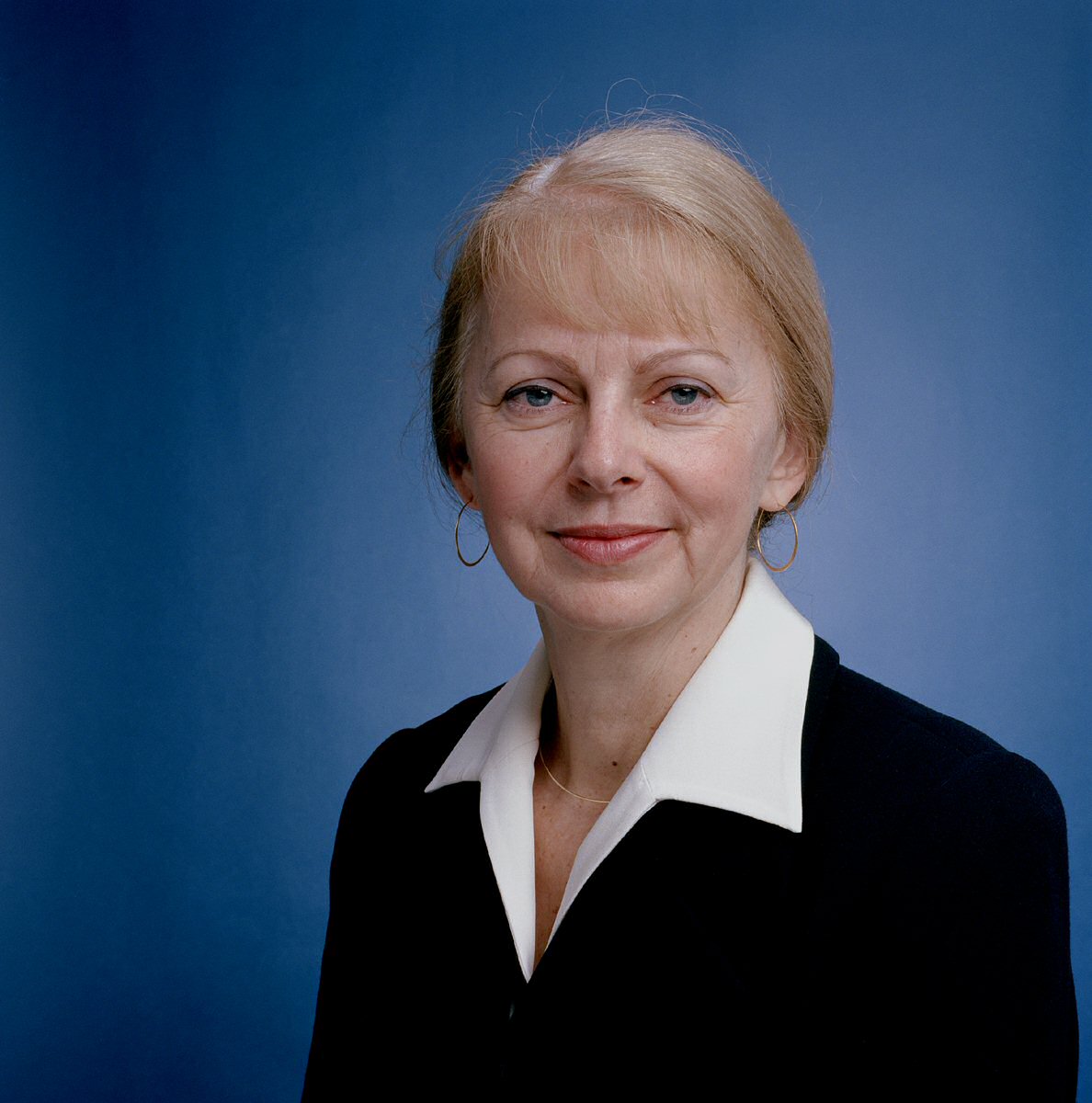
Former Senior Associate, Director, Trade, Equity and Development Program
Until April 2002, Polaski served as the U.S. Secretary of State’s Special Representative for International Labor Affairs, the senior State Department official dealing with such matters.
Former Visiting Scholar
A leak of Russian gas price data helps establish that China is paying Russia far less than Central Asian countries and Gazprom’s former European customers.

Sergey Vakulenko

Without a ceasefire with Ukraine on attacking each other’s energy infrastructure—to which the Kremlin is unlikely to agree—the diesel agreement between Putin and Trump is largely for show, rather than representing a genuine increase in the volumes of Russian diesel on the global market.
Sergey Vakulenko

Russian strikes are weakening the economy sustaining Ukraine’s war effort. Closing the growing funding gap will require more European support and politically contentious reforms in Kyiv.

Balázs Jarábik

For every ruble allocated to social policy, health, and education in 2027, double that amount is earmarked for the army, the police, and the security services.

Alexandra Prokopenko

Cargo traffic through Russia’s Northern Sea Route has increased because of the disruption caused by the conflict in the Middle East, the Ukraine war, and U.S.-China tensions.

Mikhail Korostikov