

Commentary
Maria Lipman
{
  "authors": [
    "Maria Lipman"
  ],
  "type": "legacyinthemedia",
  "centerAffiliationAll": "",
  "centers": [
    "Carnegie Endowment for International Peace",
    "Carnegie Russia Eurasia Center"
  ],
  "collections": [],
  "englishNewsletterAll": "",
  "nonEnglishNewsletterAll": "",
  "primaryCenter": "Carnegie Russia Eurasia Center",
  "programAffiliation": "",
  "programs": [],
  "projects": [],
  "regions": [
    "Caucasus",
    "Russia"
  ],
  "topics": []
}
REQUIRED IMAGE
Source: Carnegie
The Legacy of 1993By Masha Lipman
Originally published in The Washington Post, October 3, 2003
Ten years ago I was standing in front of the Moscow mayor's office feeling horror and despair. The space around me was filled with an infuriated crowd that looked ready for violence. Suddenly a heavy truck burst through the glass doors of the Moscow municipal offices, smashing everything in its way. People in the crowd cheered, hailing the destruction. The day was Oct. 3, 1993. Two years after the collapse of communism, discontent was turning into counterrevolution.
The crowd around me hated everything that was the new Russia. What was freedom to me was to them the work of a regime that was against the people. We were enemies. What was happening around me was a mini-civil war.
People rushed into the municipal building. Political opponents of President Boris Yeltsin excitedly called for their supporters to seize the Kremlin and the television center. The police all but disappeared. In buses and trucks people headed across town for Ostankino, the state TV company. A few hours later dozens were killed there in a bloody battle.
Yegor Gaidar, the top economic reformer in Yeltsin's first cabinet, was the most prominent and effective figure in the president's camp. He was the first to realize the need for public support. He called for Muscovites to help defend the city, and a pro-Yeltsin crowd promptly began to rally in downtown Moscow. Gaidar wrote in his memoir that on Oct. 3 he thought back to the days of the Bolshevik revolution in October 1917. "I couldn't understand how could tens of thousands of St. Petersburg intelligentsia, people of high honor, many of them [military] officers, allow a not-too-big group of extremists to seize power." Driven by those thoughts Gaidar was prepared to give out weapons to regular Muscovites ("I strongly hoped that the weapons would not be needed," he wrote in his memoir. They weren't.)
The events of October '93 followed a months-long standoff between the anti-reform Supreme Soviet and the Kremlin. The legislators had blocked virtually all Kremlin initiatives; no Cabinet decision could be implemented. In late September Yeltsin issued a decree disbanding the legislature. The deputies ignored it and barricaded themselves inside the "White House," as their building was commonly called. It soon was filled with armed thugs of various strains. The legislators declared Yeltsin deposed and claimed full power in the country.
The revolt died out after the memorable shelling of the White House the next day. No one among the legislators or the leaders of the mutiny was killed or wounded. There were casualties among onlookers, victims of gunfire from unidentified sources, some of it from inside the White House. The official death toll of the days of the revolt was about 150. The civil war of 1993 proved to be short-lived, confined to a few spots in the capital.
It was nothing like the fratricidal war that followed the 1917 Bolshevik coup.
Then, Russians kept killing each other for four years, and when the Bolsheviks finally won, the country was in ruins. Yeltsin's opponents surrendered quickly, and they have not attempted to use force since. The nation -- thank God -- did not become engaged in a real civil war. Maybe, after all the tragedies and bloodshed of its 20th century history, Russia had no more energy left for violence. It turned out it did not have energy for radical democratic change either.
The liberal constituency was not anxious to punish the mutineers. Apparently shocked by the sight of open violence, Russian democrats weren't inclined to settle scores, much less celebrate victory. The opposition leaders were arrested as the White House was recaptured by government forces, but they were released a few months later.
The use of force dramatically weakened Yeltsin's popular support. Many of those who voted for him as a democratic leader distanced themselves from him, reluctant to share responsibility with the president who had to resort to extreme measures and shed blood to defend Russian democracy.
Yeltsin grew apathetic; he lacked the willpower to take advantage of the defeat of his enemies. He did not venture to get rid of those officials who had sympathized with the mutineers. He failed to invigorate the reforms that had been seriously impeded by the anti-reform legislature.
Anti-Yeltsin forces may have lost their battle, but they won quite a few points in public opinion. Few wanted to regard the events of 1993 as the suppression of a mutiny. "The Shooting of the Parliament" is to this day the most common way to describe them in Russia.
While the civil war of October 1993 may have been small-scale, its murky outcome has taken a heavy toll on Russia's subsequent development. In two consecutive parliamentary elections, Russians tended to give their votes to those forces that stayed away from the '93 civil crisis: In December 1993 Vladimir Zhirinovsky, an unparalleled master of nationalist rhetoric, won an astounding 23 percent of the vote; in 1995 the Communists came in first.
Soon after the October crisis, Yeltsin's inner circle came to be dominated by characters who were anything but proponents of democracy. His personal bodyguard, the informal leader of the group, was playing a growing role in Russian politics; his clique is largely responsible for the worst mistake of Yeltsin's first term, the unleashing of the war in Chechnya, as well as for granting huge and unaccounted-for economic privileges to obscure groups and companies and other instances of blatant corruption. Chechnya and corruption remain Russia's major problems up till this day.
Another consequence of 1993 is that it has left the Russian people passive and uninvolved in the reform process, uncertain about their national goals or values, unwilling to think clearly about the Soviet or recent Russian past. When President Vladimir Putin moved to intensify economic reform, he entrusted the bureaucracy with management of the country. Democratic institutions and independent media were deemed redundant and even an impediment. It was easy to get them out of the way -- the society didn't care.
The legacy of 1993, the mistrust, cynicism and indifference, linger on.
Masha Lipman, editor of the Carnegie Moscow Center's Pro et Contra Journal, writes a monthly column for The Post.
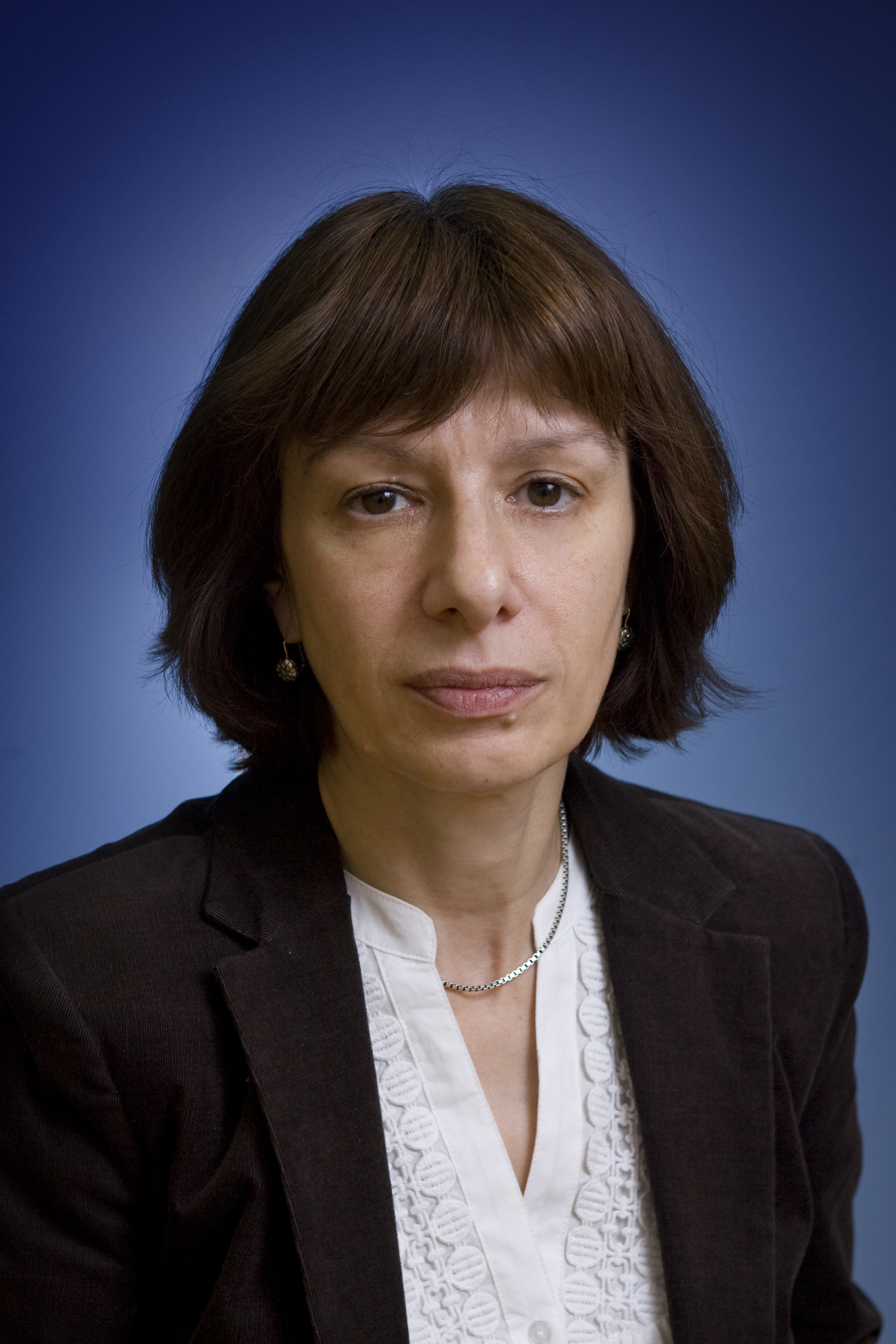
Former Scholar in Residence, Society and Regions Program, Editor in Chief, Pro et Contra, Moscow Center
Lipman was the editor in chief of the Pro et Contra journal, published by the Carnegie Moscow Center. She was also the expert of the Carnegie Moscow Center’s Society and Regions Program.
Recent Work
Maria Lipman
Maria Lipman
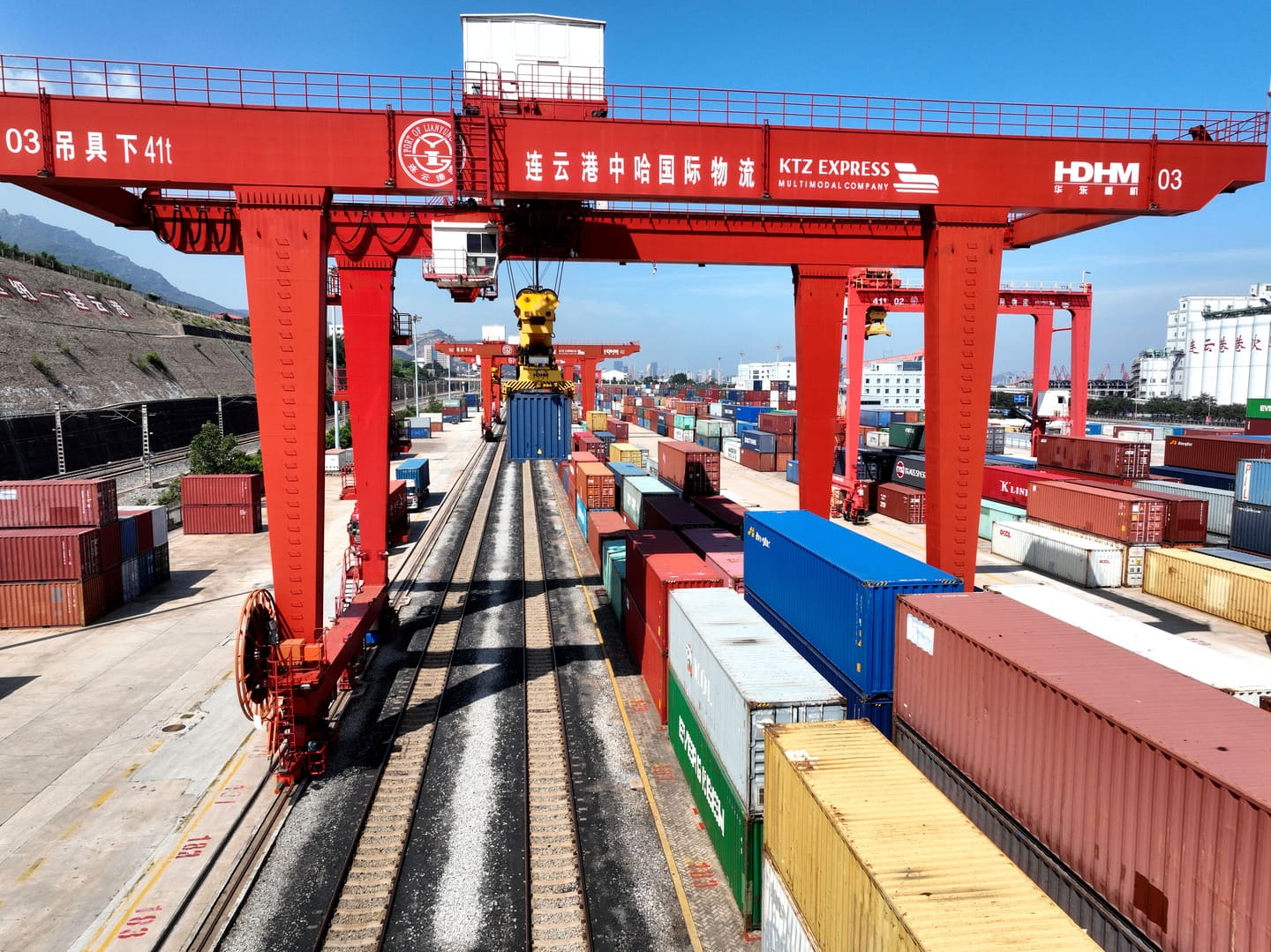
For the Middle Corridor to fulfill its promises, one of these routes must become scalable. At present, neither is.
Friedrich Conradi
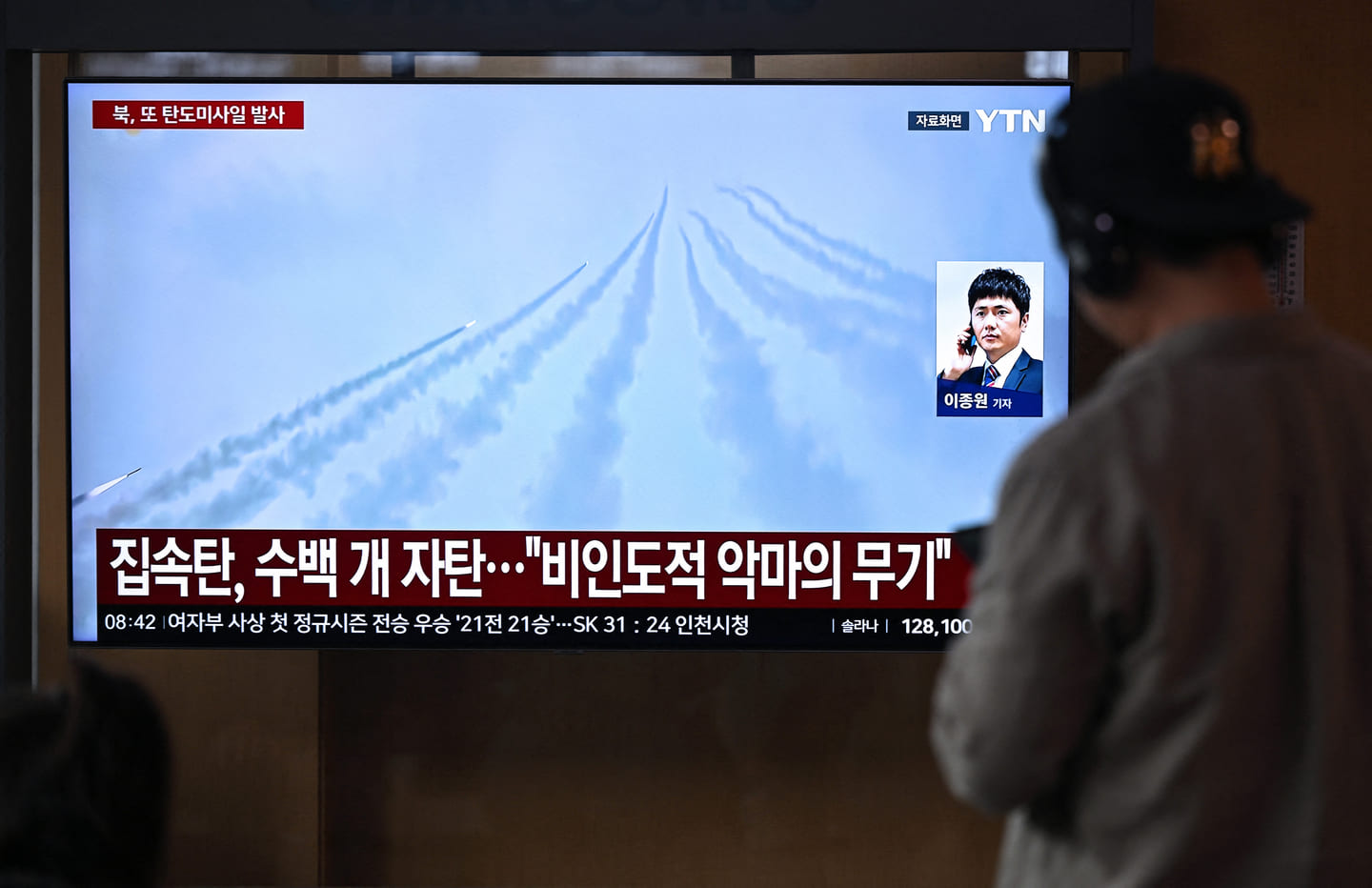
Troubled by the growing salience of nuclear debates in East Asia, Moscow has responded in its usual way: with condemnation and threats. But by exacerbating insecurity, Russia is forcing South Korea and Japan to consider radical security options.

James D.J. Brown
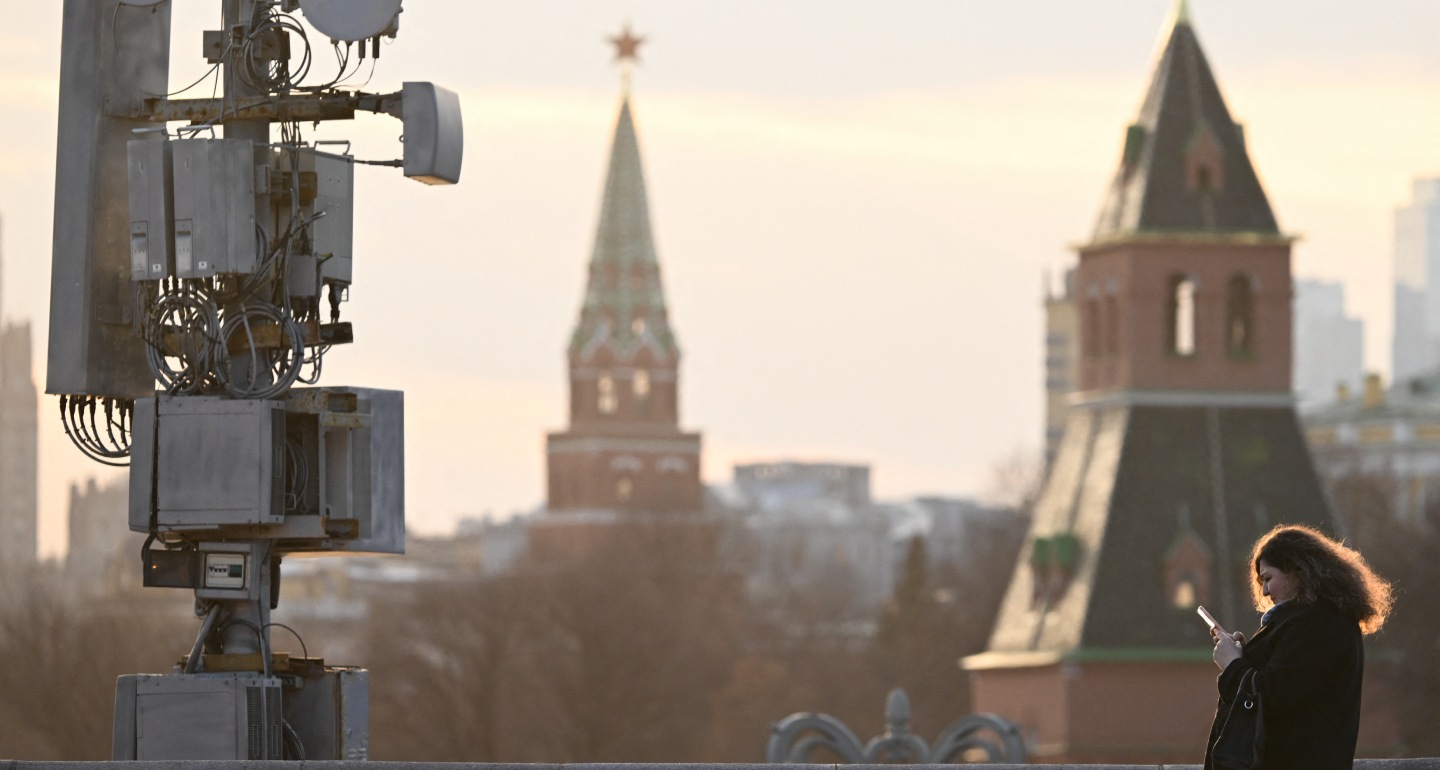
The Russian state has opted for complete ideological control of the internet and is prepared to bear the associated costs.

Maria Kolomychenko
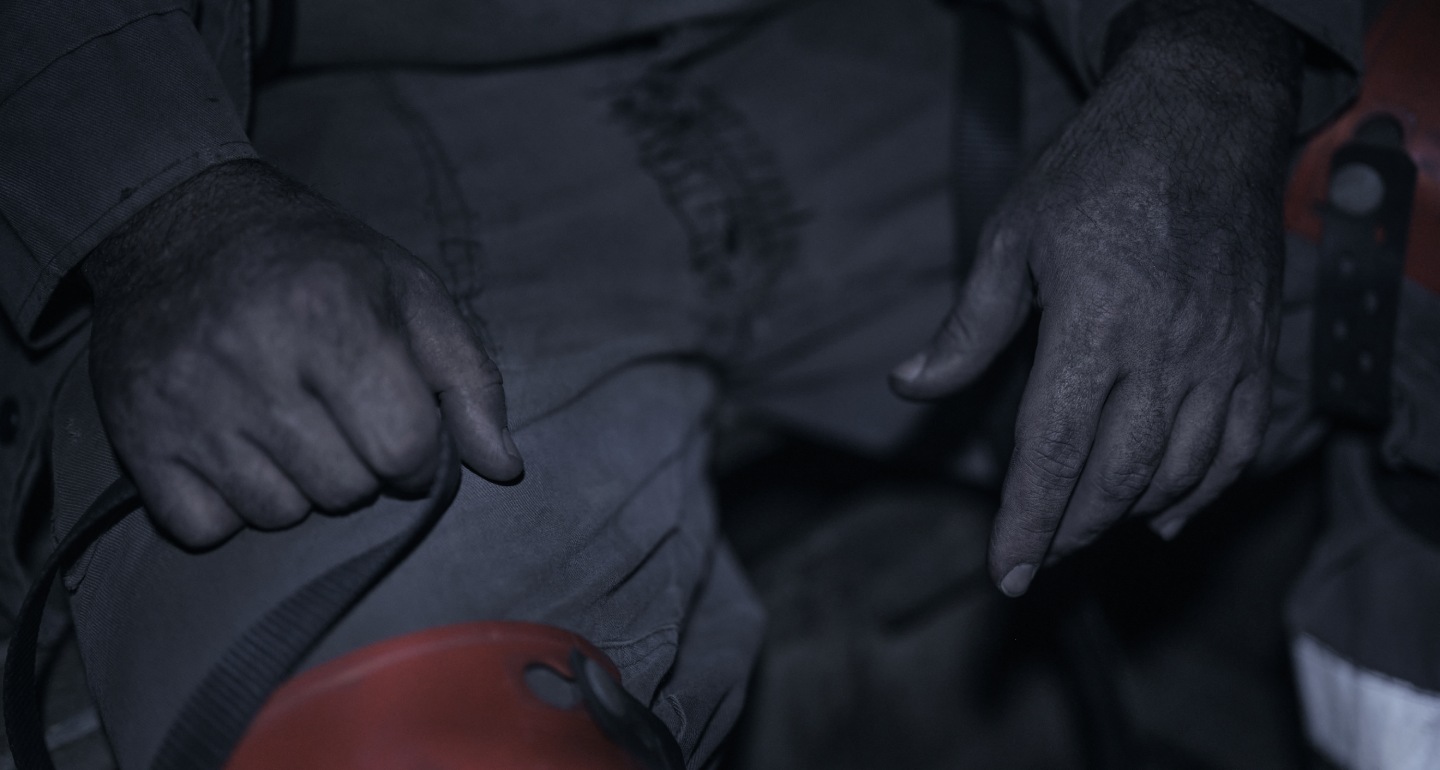
Powerful lobbyists and inertia led to Russia’s coal-mining sector missing an excellent opportunity to solve its structural problems.
Alexey Gusev
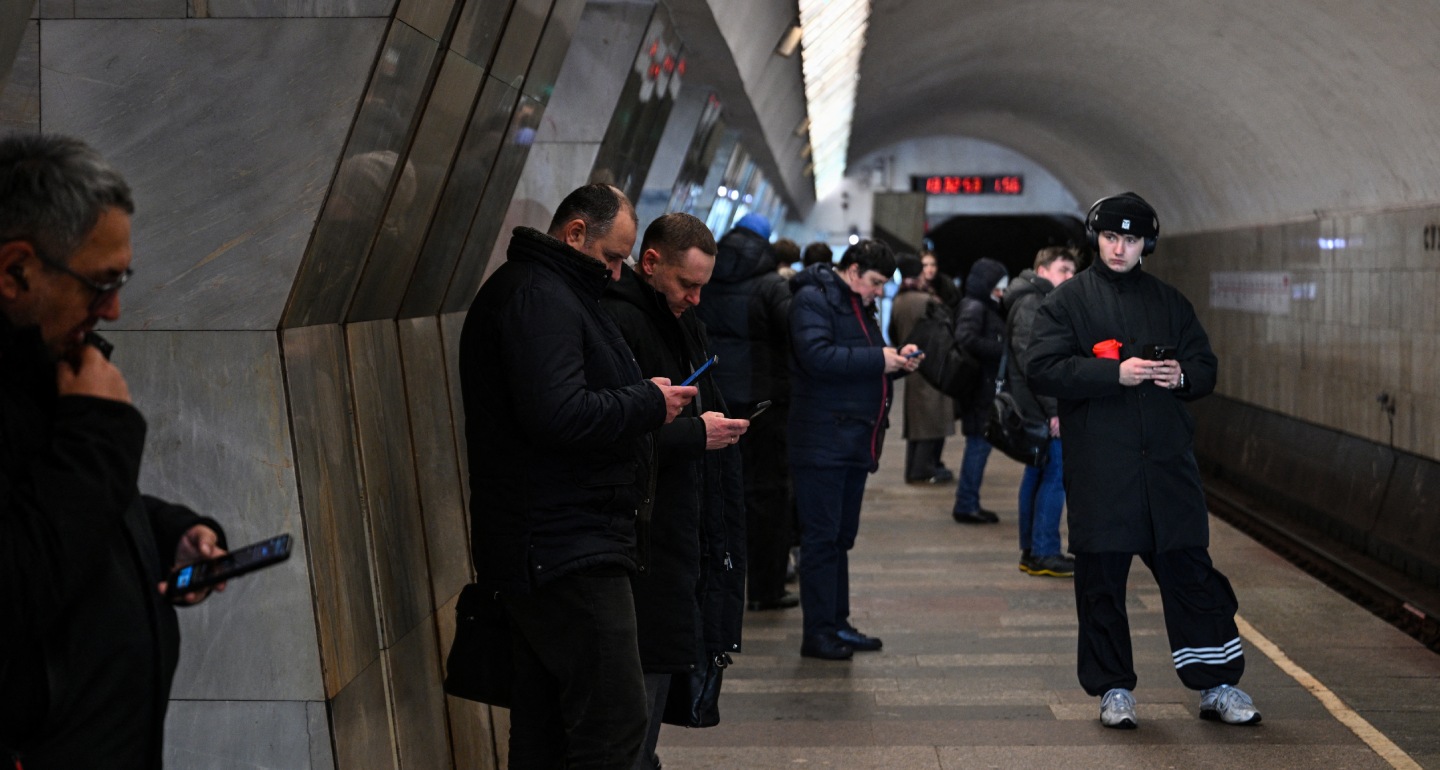
After four years of war, there is no one who can stand up to the security establishment, and President Vladimir Putin is increasingly passive.

Tatiana Stanovaya