

Commentary
A leak of Russian gas price data helps establish that China is paying Russia far less than Central Asian countries and Gazprom’s former European customers.
Sergey Vakulenko
{
  "authors": [],
  "type": "pressRelease",
  "centerAffiliationAll": "dc",
  "centers": [
    "Carnegie Endowment for International Peace"
  ],
  "collections": [],
  "englishNewsletterAll": "asia",
  "nonEnglishNewsletterAll": "",
  "primaryCenter": "Carnegie Endowment for International Peace",
  "programAffiliation": "AP",
  "programs": [
    "Asia"
  ],
  "projects": [],
  "regions": [
    "East Asia",
    "China"
  ],
  "topics": [
    "Political Reform",
    "Democracy",
    "Military"
  ]
}
REQUIRED IMAGE
As Hong Kong nears its September 12th legislative elections, the city’s democrats and the United States need to take cautious steps to ensure democratization takes hold in Hong Kong.
Source: Carnegie
4 August 2004
FOR IMMEDIATE RELEASE
As Hong Kong nears its September 12th legislative elections, the city’s democrats and the United States need to take cautious steps to ensure democratization takes hold in Hong Kong, warns Veron Hung, associate in the China Program of the Carnegie Endowment for International Peace. In a new policy brief, Getting to Democracy in Hong Kong, Hung offers specific recommendations: Hong Kong democrats must get out the vote in September and tone down their demands; the United States must reject the punitive economic measures against Hong Kong currently being considered by the U.S. Congress; and both parties must better understand Beijing’s fears and respond to its efforts to reach out to Hong Kong democrats. Access Carnegie’s new policy brief, at www.CarnegieEndowment.org/china. A Mandarin translation will be available on September 1st.
Stakes are high in the struggle for Hong Kong’s democratization. Its course will be an indicator of how Greater China may politically adapt in the future, especially with regard to Taiwan. In addition, approximately 1,100 U.S. firms with more than $38.5 billion invested operate in Hong Kong. These interests must be protected by fair, accountable political and legal systems, and certainly would be threatened by political crisis.
To democratize peacefully, Hung recommends that Hong Kong democrats drop their demand for universal suffrage in 2007-08 but require commensurate concessions from Beijing—specifically, a blueprint and timetable for democratization—and refocus on the 2012 elections. Yet, in order to gain this leverage with Beijing, democrats must win at the polls in September; many estimate that voter turnout needs to be at a challenging 70-80 percent to achieve this goal. Since Beijing will likely attempt to divide and conquer the candidates, it is imperative that democrats mobilize voters and sharpen their political skills to stay united.
The United States also has a critical role to play. Contrary to views of critics in Congress, the United States should not suspend Hong Kong’s current special treatment under the U.S.-Hong Kong Policy Act. Instead, the United States should practice low-profile diplomacy, quietly reminding Beijing that international criticism of the ban on universal suffrage could overshadow the 2008 Olympics. U.S. NGOs can also help advise Hong Kong’s less-experienced democrats and monitor the coming elections.
Veron Hung is an associate in the China Program of the Carnegie Endowment for International Peace. She is admitted as a barrister in England, Wales, and Hong Kong, and is a member of the New York and D.C. Bars. A native of Hong Kong, Hung has worked in private practice and academia, and as a consultant for the United Nations Office of the High Commissioner for Human Rights.
Carnegie does not take institutional positions on public policy issues; the views represented herein are those of the author(s) and do not necessarily reflect the views of Carnegie, its staff, or its trustees.
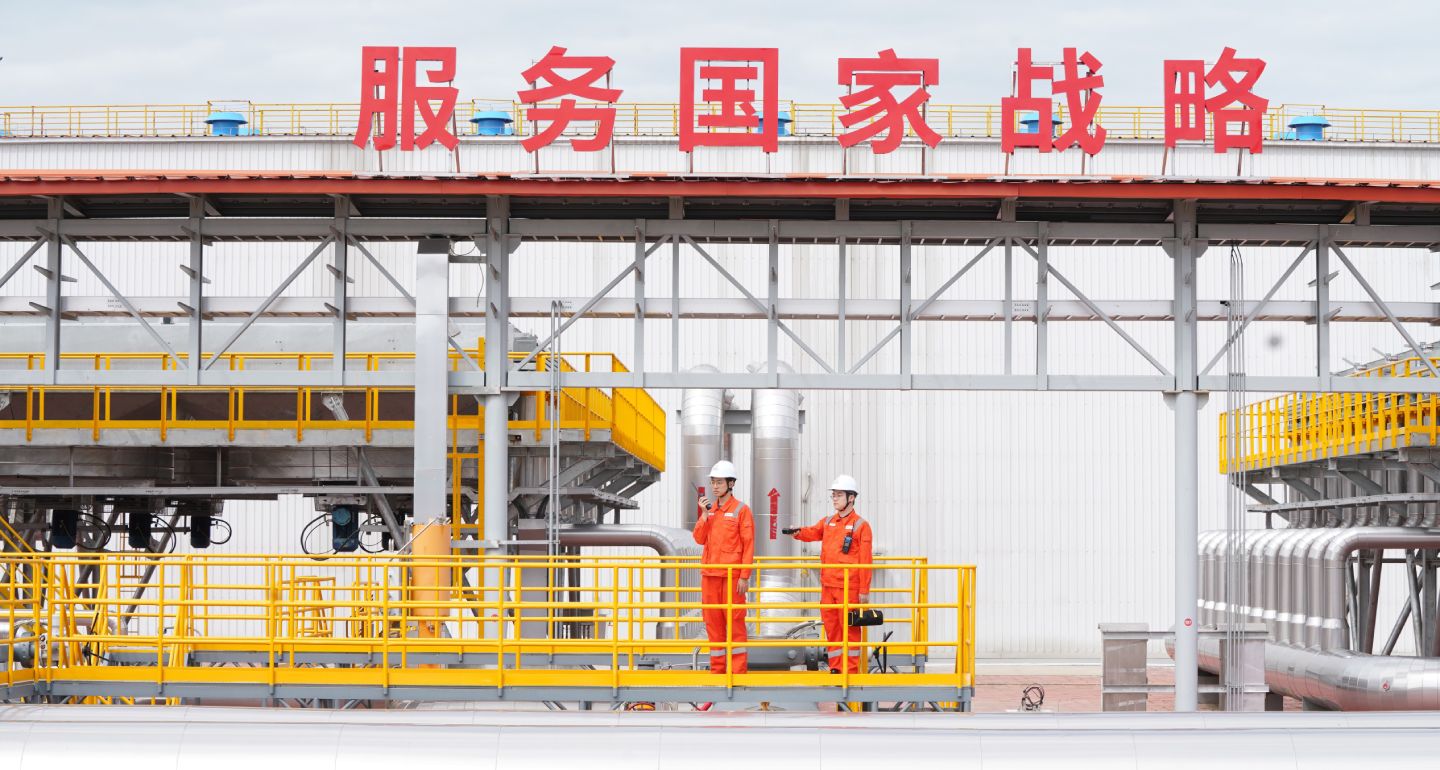
A leak of Russian gas price data helps establish that China is paying Russia far less than Central Asian countries and Gazprom’s former European customers.
Sergey Vakulenko
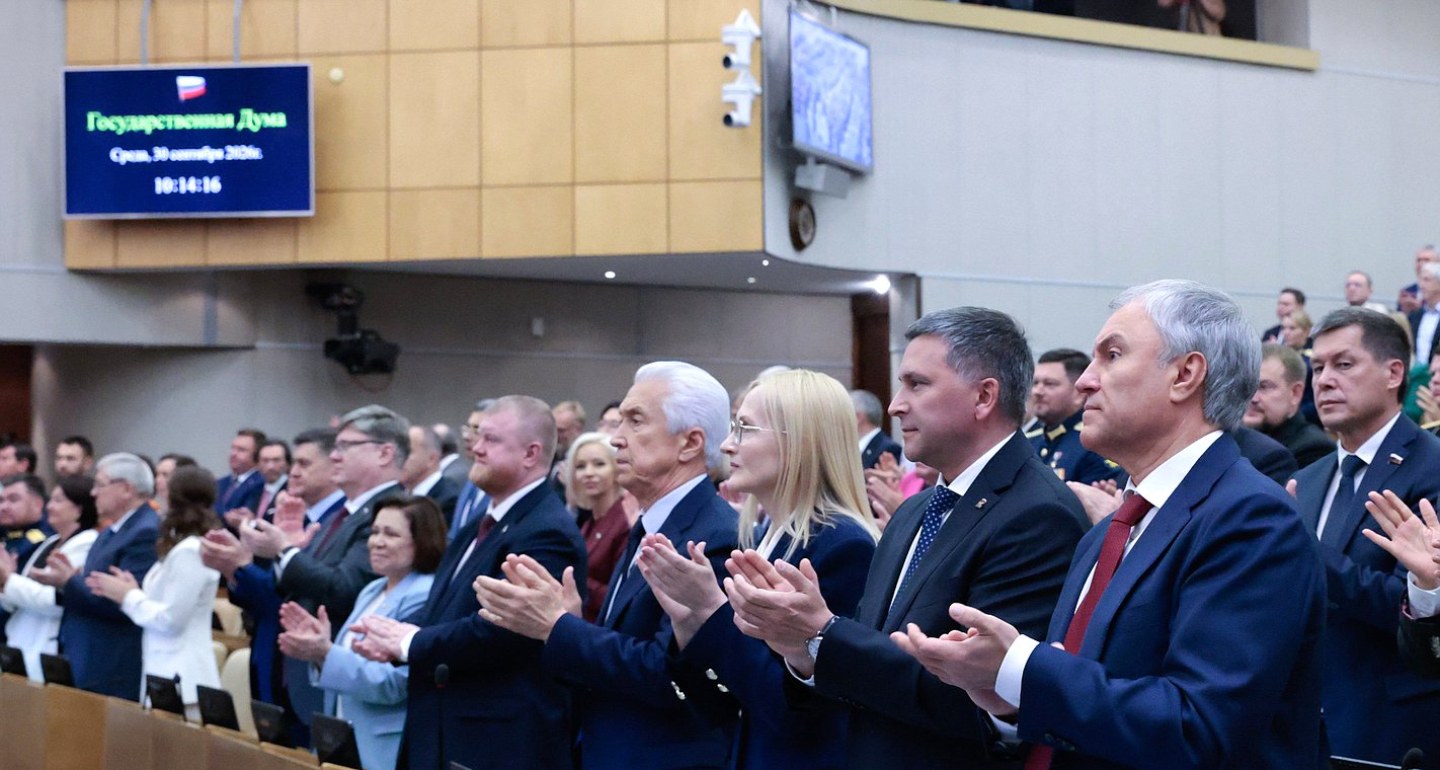
Putin’s conservative staffing policies and search for ever greater control have cemented parliament’s transformation into a bureaucratic appendage of the executive branch.
Andrey Pertsev
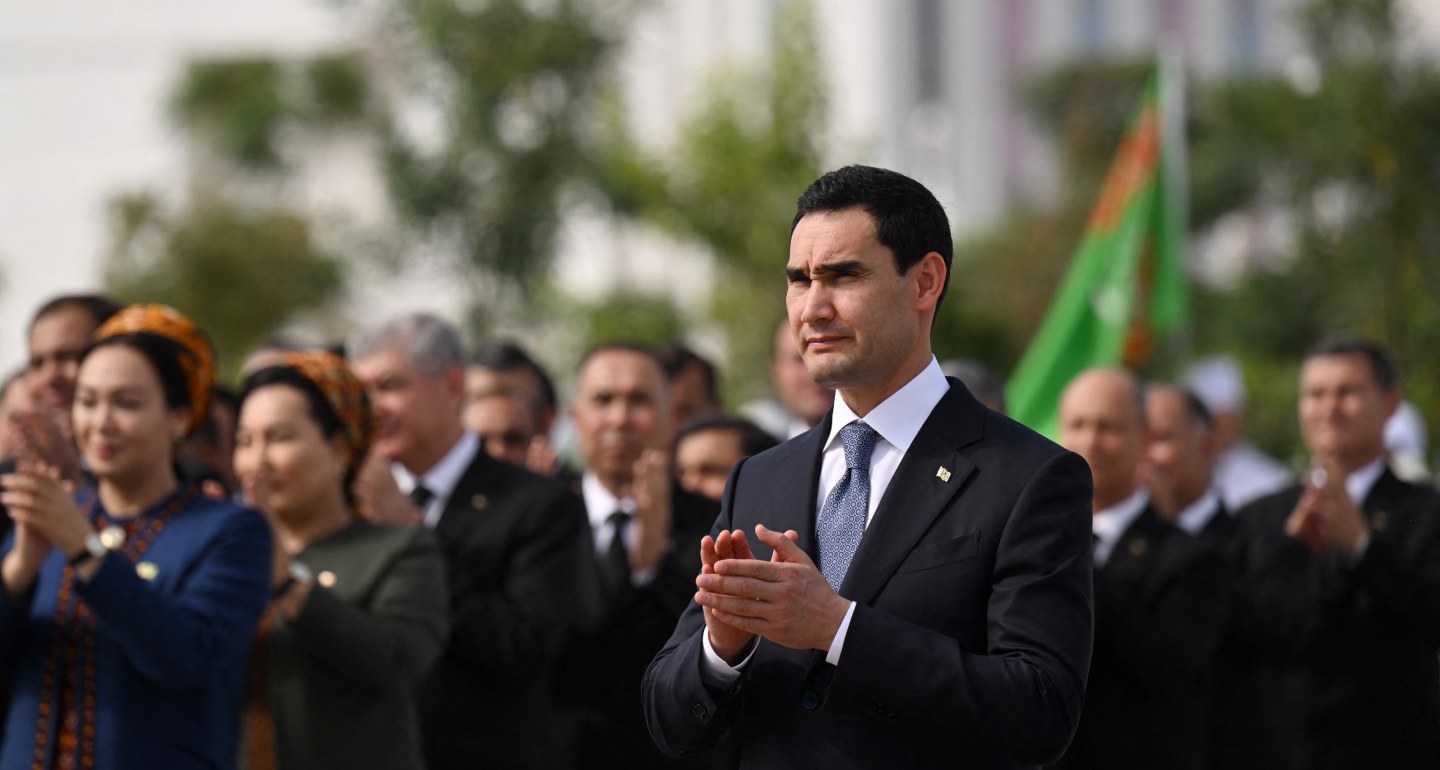
Ex-president Gurbanguly Berdimuhamedov remains interested in politics, but his son Serdar, Turkmenistan’s current president, is becoming increasingly independent and willing to break with his father’s legacy. If their covert rivalry goes too far, both risk losing power.
Galiya Ibragimova
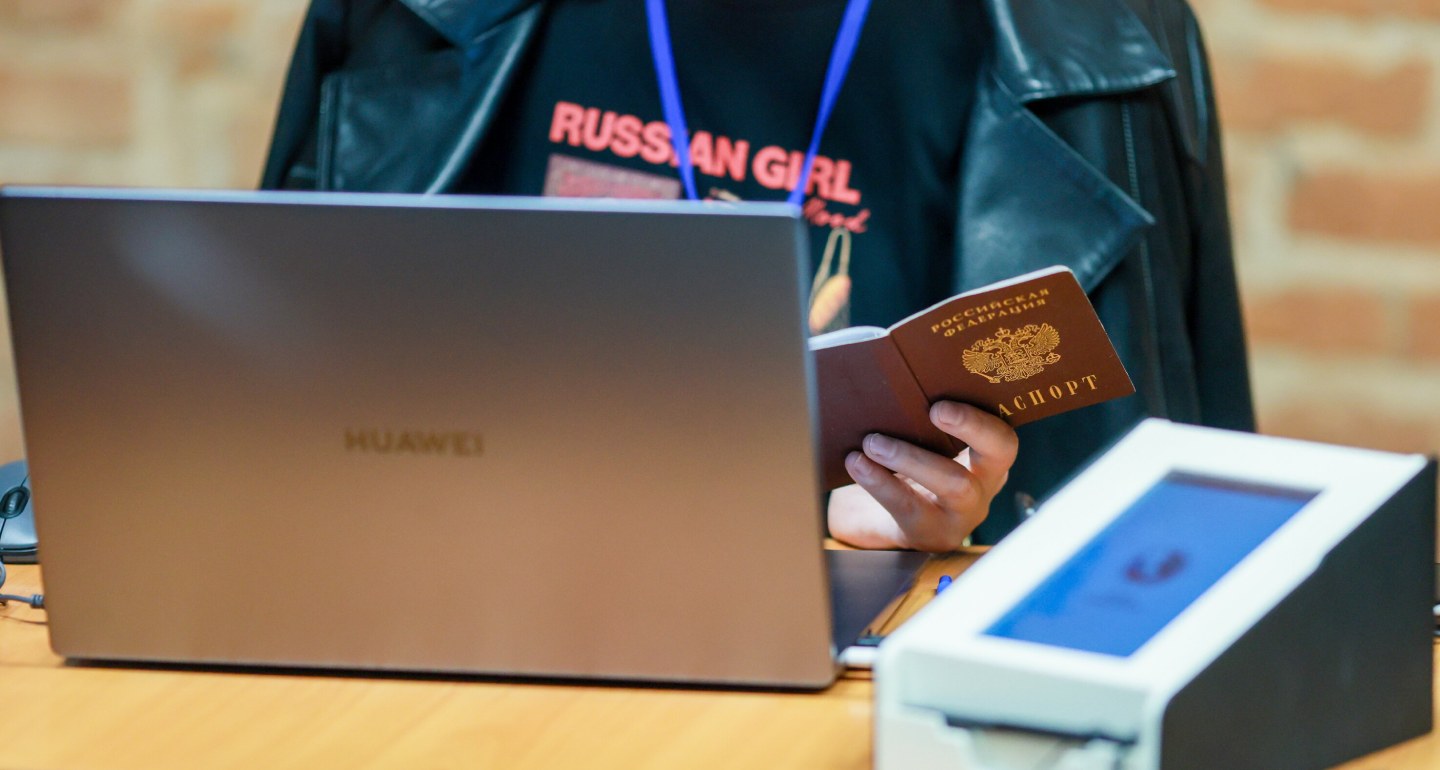
Sergei Kiriyenko used Russia’s parliamentary vote to further hone his strategy of corporate mobilization that is designed to maximize votes for United Russia.
Andrey Pertsev
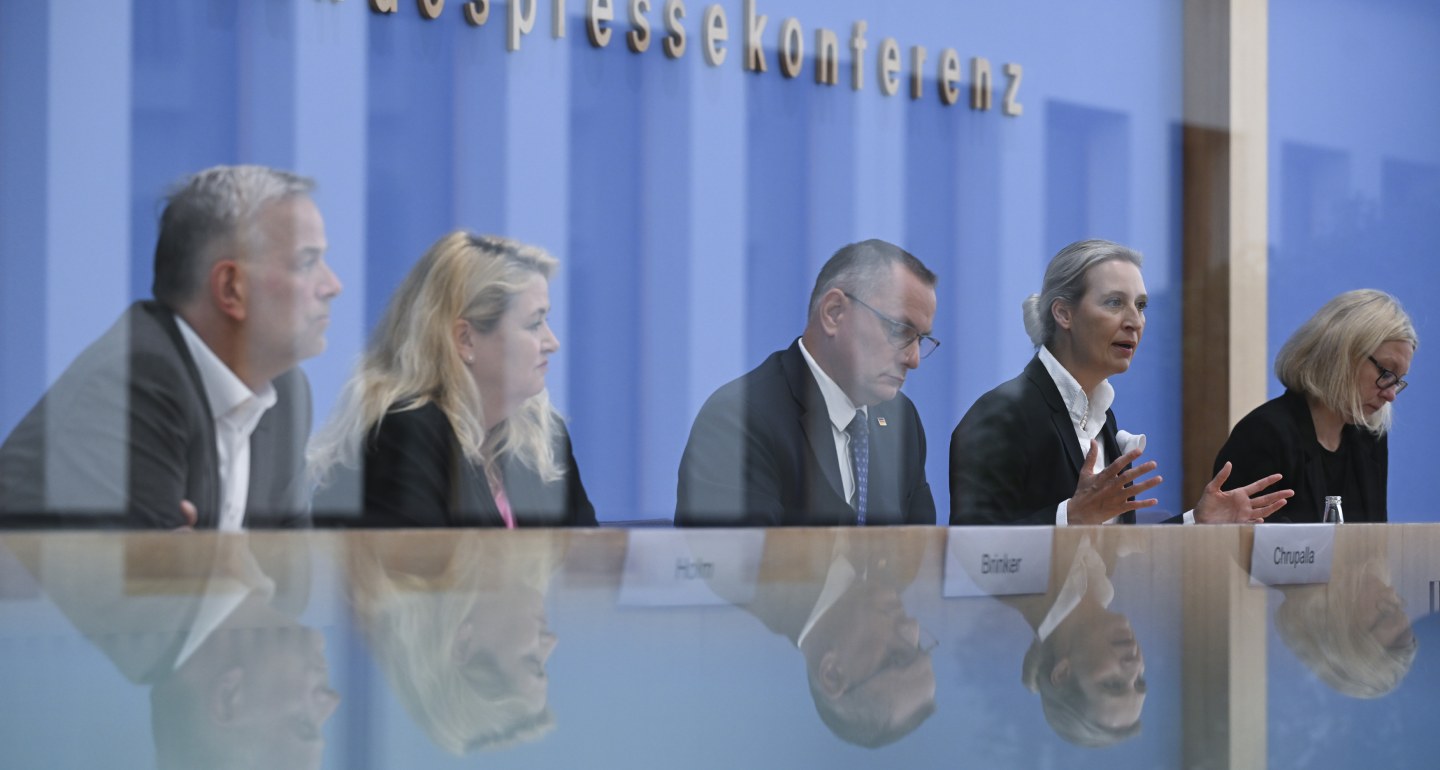
The European far right might fail to steer EU policy in the direction Russia wants, but they will create enough chaos inside Europe to benefit the Kremlin.

Dimitar Bechev