

Report
- +4
Ms. Sandra Polaski, Joaquim Bento de Souza Ferreir, Janine Berg, …
{
  "authors": [
    "Sandra Polaski"
  ],
  "type": "legacyinthemedia",
  "centerAffiliationAll": "",
  "centers": [
    "Carnegie Endowment for International Peace"
  ],
  "collections": [],
  "englishNewsletterAll": "",
  "nonEnglishNewsletterAll": "",
  "primaryCenter": "Carnegie Endowment for International Peace",
  "programAffiliation": "",
  "programs": [],
  "projects": [],
  "regions": [],
  "topics": [
    "Economy",
    "Trade"
  ]
}
Source: Getty
In an article in the Journal of International Law and Policy, Sandra Polaski analyzes labor clauses in trade agreements to identify approaches that are most likely to achieve the goals of improved working conditions and greater rights for workers. She finds that one key to success involves aligning the incentives facing private firms with those facing governments.
Source: Journal of International Law and Policy
Click here for full text.
In a new article in the Journal of International Law and Policy, Sandra Polaski analyzes labor clauses in trade agreements to identify approaches that are most likely to achieve the goals of improved working conditions and greater rights for workers. She finds that one key to success involves aligning the incentives facing private firms with those facing governments.
Click here for a version of this article available in Portuguese, published in Revista Brasileira de Comércio Exterior,Ano XVIII, No. 79, Abril/Junho de 2004.
A limited number of print copies are available of both English and Portuguese versions. Contact pubs@ceip.org.

Former Senior Associate, Director, Trade, Equity and Development Program
Until April 2002, Polaski served as the U.S. Secretary of State’s Special Representative for International Labor Affairs, the senior State Department official dealing with such matters.
Recent Work
Ms. Sandra Polaski, Joaquim Bento de Souza Ferreir, Janine Berg, …
Ms. Sandra Polaski
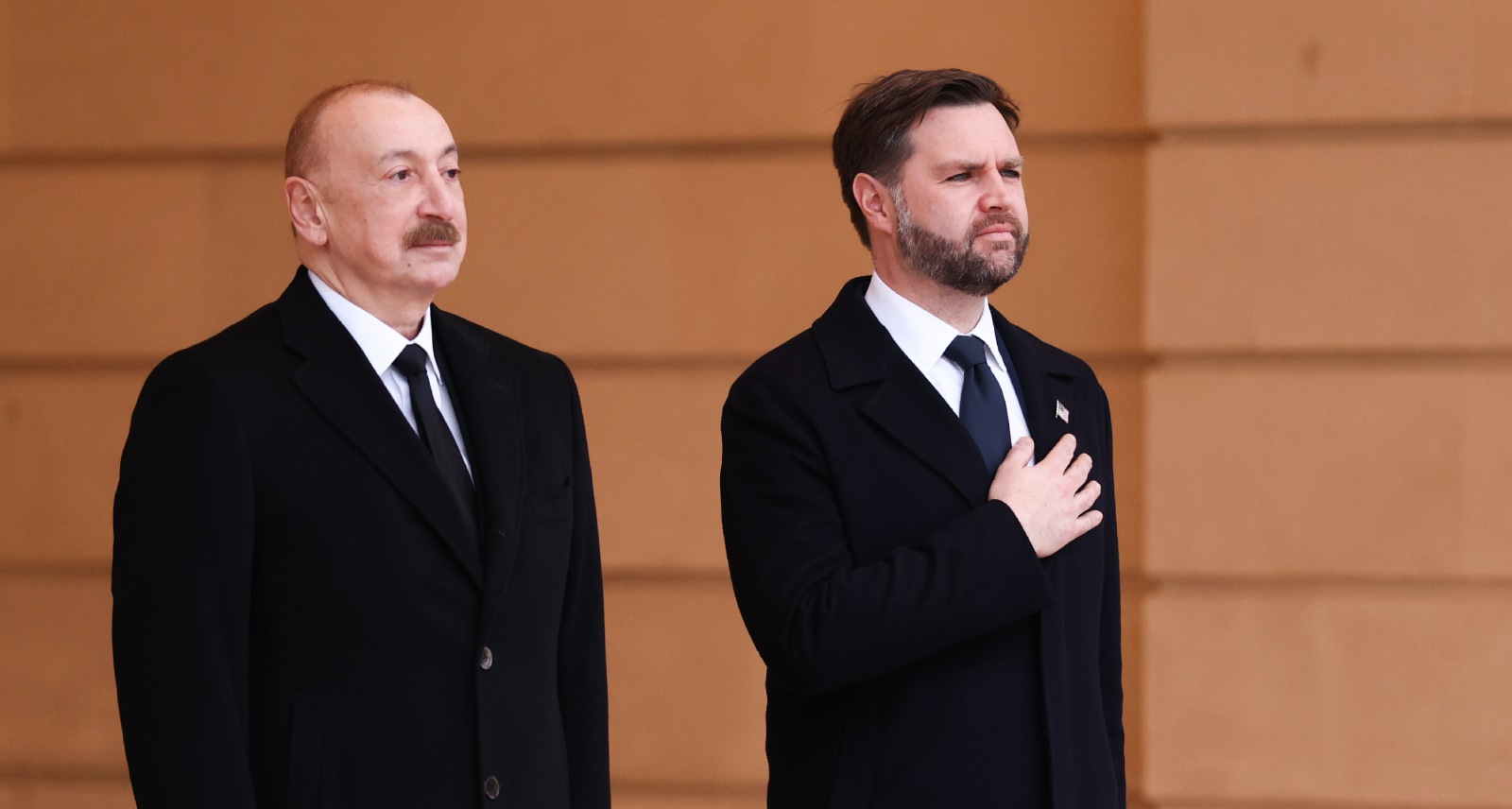
With the White House only interested in economic dealmaking, Georgia finds itself eclipsed by what Armenia and Azerbaijan can offer.

Bashir Kitachaev
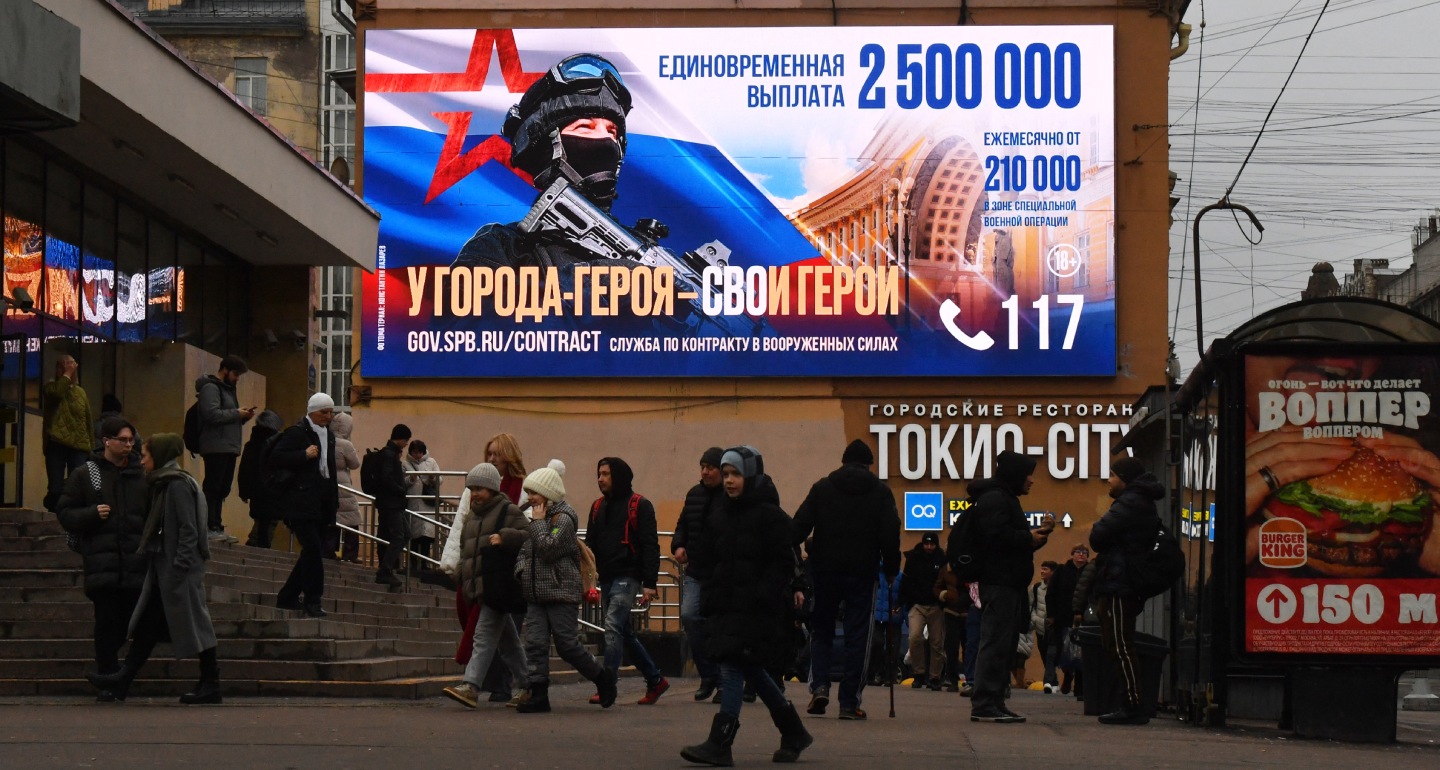
The Russian army is not currently struggling to recruit new contract soldiers, though the number of people willing to go to war for money is dwindling.

Dmitry Kuznets
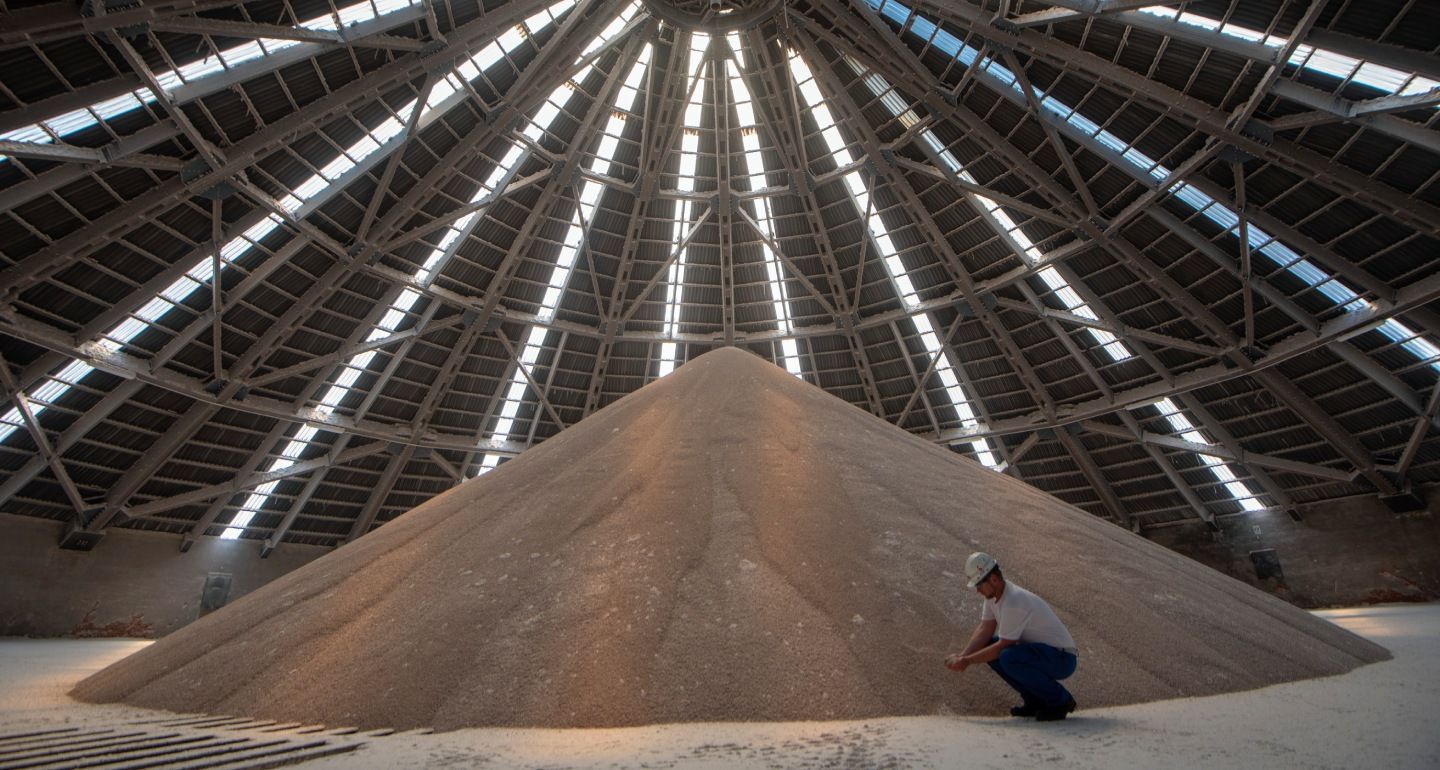
What should happen when sanctions designed to weaken the Belarusian regime end up enriching and strengthening the Kremlin?

Denis Kishinevsky

Geological complexity and years of mismanagement mean the Venezuelan oil industry is not the big prize officials in Moscow and Washington appear to believe.

Sergey Vakulenko
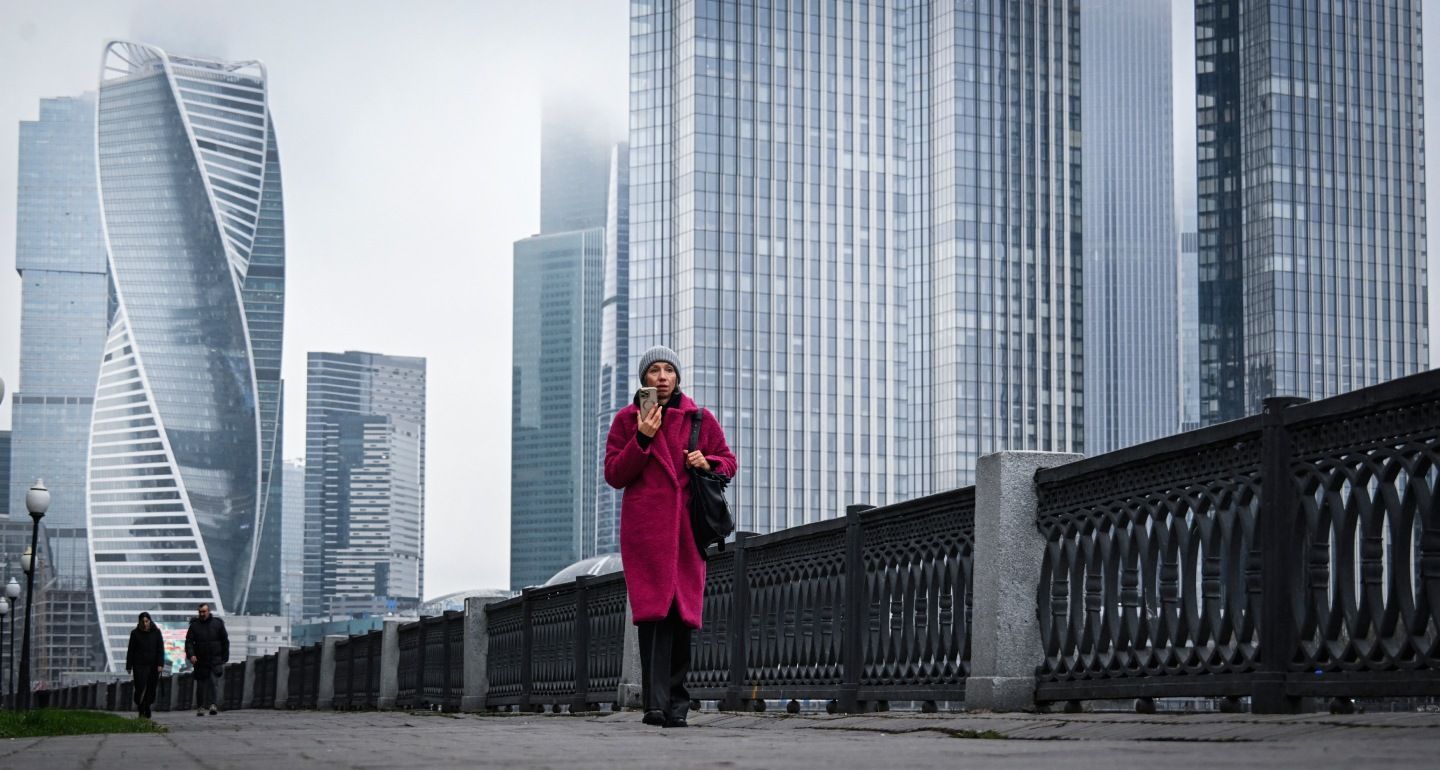
The paradox of the European Commission’s decision is that the main victims will not be those it formally targets. Major Russian businesses associated with the Putin regime have long adapted to sanctions with the help of complex schemes involving third countries, offshore companies, and nonpublic entities.
Alexandra Prokopenko