

Commentary
In the discussions made possible by the State Duma election campaign, one question is being asked more and more loudly. “What next?”
Andrey Pertsev
{
  "authors": [],
  "type": "pressRelease",
  "centerAffiliationAll": "dc",
  "centers": [
    "Carnegie Endowment for International Peace"
  ],
  "collections": [],
  "englishNewsletterAll": "ctw",
  "nonEnglishNewsletterAll": "",
  "primaryCenter": "Carnegie Endowment for International Peace",
  "programAffiliation": "russia",
  "programs": [
    "Russia and Eurasia"
  ],
  "projects": [],
  "regions": [
    "Caucasus",
    "Russia",
    "Eastern Europe",
    "Western Europe"
  ],
  "topics": [
    "Political Reform",
    "Security",
    "Foreign Policy"
  ]
}
REQUIRED IMAGE
The Carnegie Endowment announces a Carnegie Paper by visiting scholar Rolf Schuette that argues that relations between the E.U. and Russia cannot develop into a full-fledged "strategic partnership," if they are based only on common interests and not also on common values and mutual trust.
Contact: Carmen MacDougall, 202-939-2319, cmacdougall@CarnegieEndowment.org
For Immediate Release: December 21, 2004
This fall European criticism of Russian President Vladimir Putin’s policies reached a new high, as critics saw the political measures he announced after the Beslan terrorist attack as exploiting the events to further curtail democracy. Doubts about Russia’s commitment to “common European values,” one of the bedrocks of the partnership between the two actors, are gaining momentum. Visiting scholar Rolf Schuette argues that relations between the E.U. and Russia cannot develop into a full-fledged “strategic partnership,” if they are based only on common interests and not also on common values and mutual trust. Read E.U. - Russia Relations: Interests and Values – A European Perspective here.
The Carnegie Paper reviews E.U.-Russia relations from a European perspective, examining how the common values of democracy, human rights, and rule of law have figured in the relationship. The first section analyzes the formulation of E.U. policy towards Russia and then outlines the structure and four main areas of E.U.-Russian cooperation. Schuette points out that the E.U. and Russia have a unique relationship based on years of intensive dialogue and geographical proximity. Natural partners, they complement each other most clearly in the areas of trade, investment and energy. Though recent developments seem discouraging, the E.U. should not give up its efforts to counter troublesome trends that contradict the common values to which Russia previously committed.
Specifically, Schuette suggests that the E.U. send a clear, consistent message in its dialogue with Russia, saying that:
Rolf Schuette was a visiting scholar in the Russia and Eurasia Program at the Carnegie Endowment during the fall of 2004. He is a career diplomat in the German Foreign Service and was also the head of the Russia, Ukraine, Belarus, and Moldova division in the Foreign Office in Berlin. The paper expresses his personal opinion and not official position.
Carnegie does not take institutional positions on public policy issues; the views represented herein are those of the author(s) and do not necessarily reflect the views of Carnegie, its staff, or its trustees.

In the discussions made possible by the State Duma election campaign, one question is being asked more and more loudly. “What next?”

Andrey Pertsev
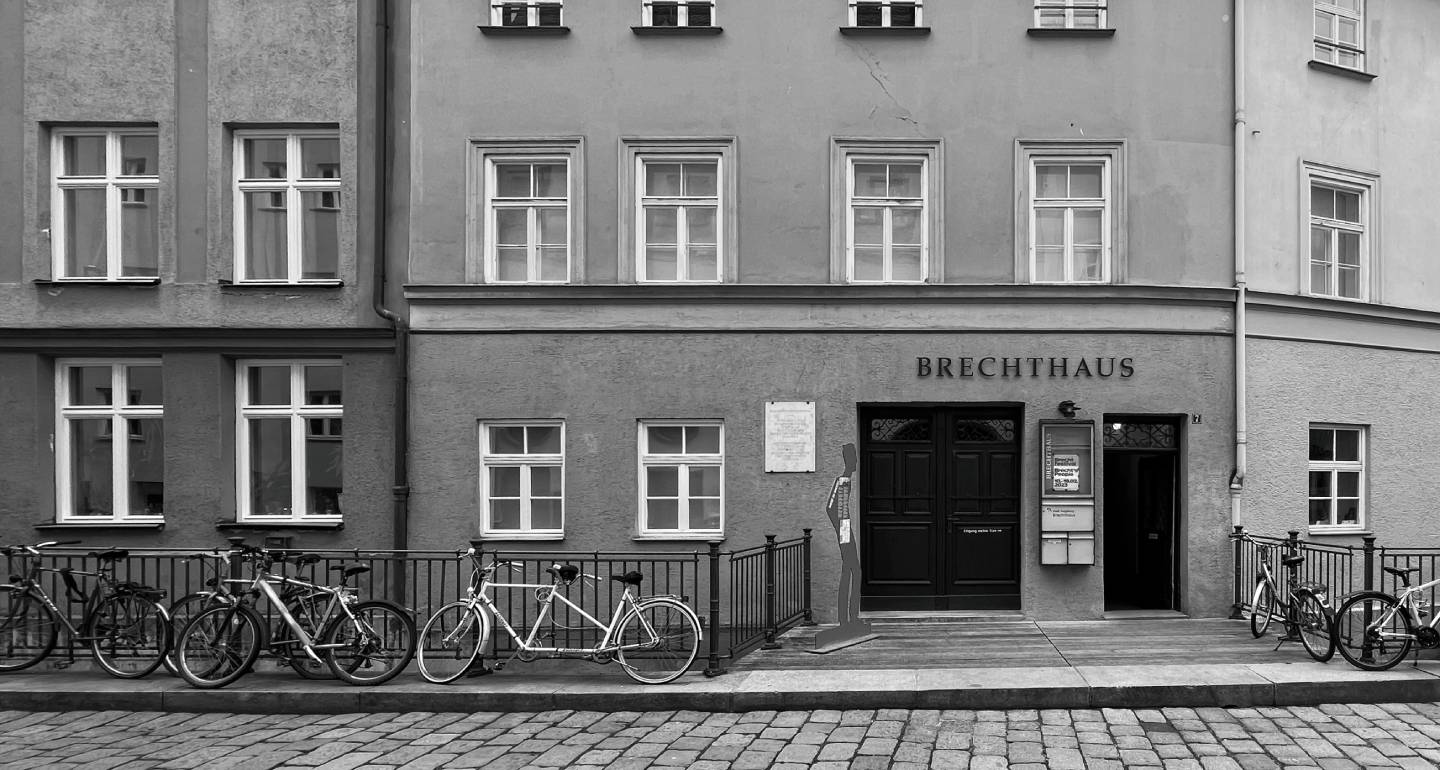
While the Nazis rushed ahead in a revolutionary fervor, Russia’s modern crusaders against enemies of the state work methodically, giving their targets time to adjust to restrictions before closing the loopholes.

Leonid Bershidsky

When faced with fuel shortages in the past, Central Asian governments could always count on additional supplies from Moscow. That safety net no longer exists.

Galiya Ibragimova
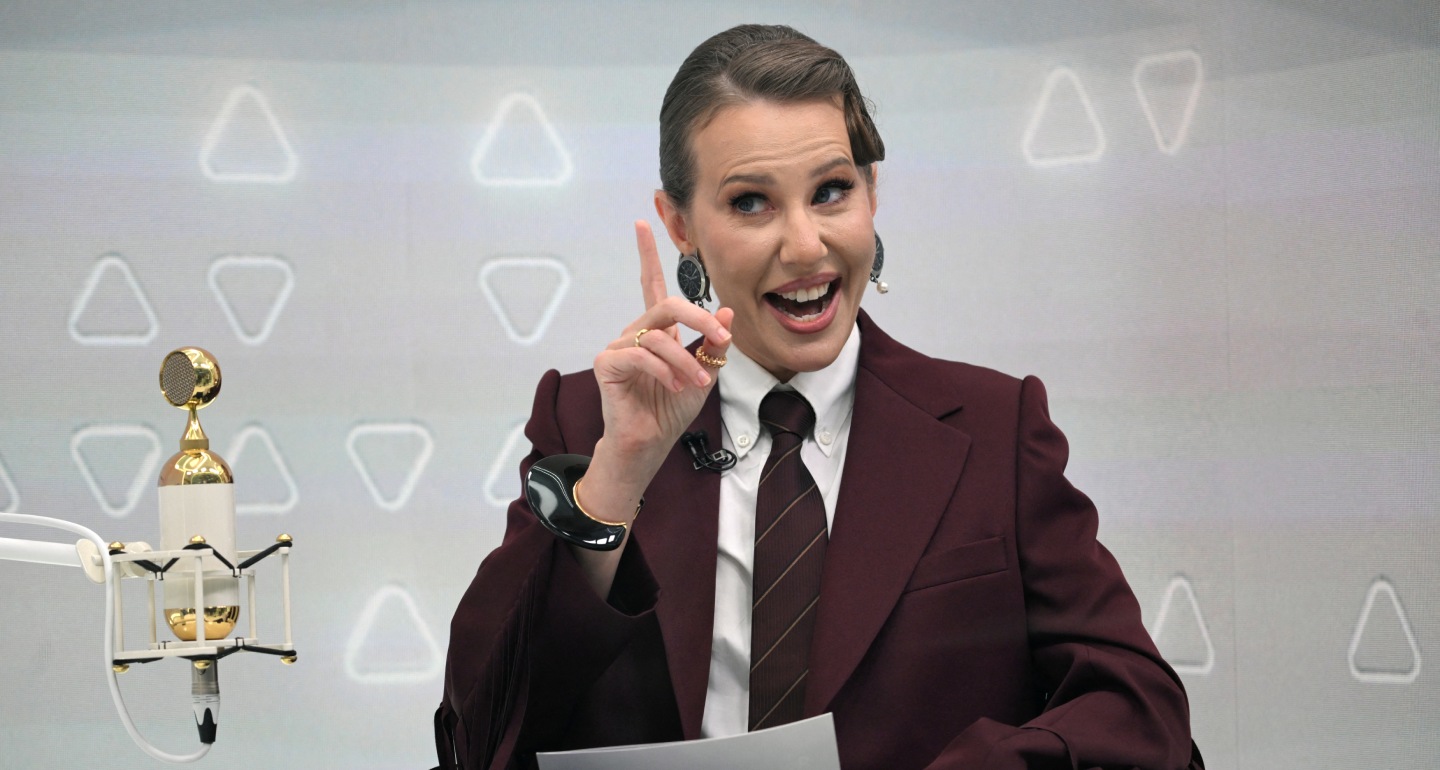
Reading the purported correspondence of celebrity Ksenia Sobchak sheds light on her role within the system, and how journalism and politics function in Putin’s Russia.
Vladislav Gorin

When political power is concentrated in the hands of a small circle of people, a country invariably ends up with technological stagnation.
Aleksei Kiselev