

Commentary
With the growth in points of friction between the great powers, organizations like the SCO will continue to play a role in the strategic adaptation of the smaller powers caught between them.
Temur Umarov
{
  "authors": [],
  "type": "pressRelease",
  "centerAffiliationAll": "dc",
  "centers": [
    "Carnegie Endowment for International Peace"
  ],
  "collections": [
    "U.S. Nuclear Policy"
  ],
  "englishNewsletterAll": "ctw",
  "nonEnglishNewsletterAll": "",
  "primaryCenter": "Carnegie Endowment for International Peace",
  "programAffiliation": "NPP",
  "programs": [
    "Nuclear Policy",
    "South Asia",
    "Middle East"
  ],
  "projects": [],
  "regions": [
    "North America",
    "United States",
    "Middle East",
    "Iran"
  ],
  "topics": [
    "Foreign Policy",
    "Nuclear Policy"
  ]
}
REQUIRED IMAGE
For Immediate Release: June 27, 2006
Contact: Jennifer Linker, +1 (202) 939-2372, jlinker@CarnegieEndowment.org
Tellis Analyzes Exaggerated Threat of Expanding Indian Nuclear Arsenal
New Report Refutes Assumptions Underlying Claims of Rapidly Expanding Nuke Stockpile
Among the most serious criticisms leveled at the U.S.-Indian nuclear cooperation initiative is that it would enable India to rapidly expand its nuclear arsenal. Ashley J. Tellis, senior associate at the Carnegie Endowment for International Peace, challenges these criticisms in a new report, Atoms for War? U.S.-Indian Civilian Nuclear Cooperation and India’s Nuclear Arsenal. Tellis argues that, contrary to current assumptions, India is not trying to construct the largest nuclear stockpile possible in South Asia, nor is its capacity to produce a large nuclear arsenal affected by the U.S.-Indian civilian nuclear agreement.
Tellis asserts that the evidence shows that the government of India is in no hurry to build the biggest nuclear stockpile it could construct based on material factors alone. The research in this report concludes that India already has the indigenous reserves of natural uranium necessary to develop the largest possible nuclear arsenal it may seek and, consequently, the U.S.-Indian civilian nuclear cooperation initiative will not materially contribute towards New Delhi's strategic capacities in any consequential way. Furthermore, that the current shortage of natural uranium in India is caused principally by constrictions in its mining and milling capacity but this is a transient problem that is in the process of being redressed.
Tellis also gives seven critical reasons why New Delhi views the U.S.-Indian nuclear cooperation agreement as vital to ensuring India’s energy security, and how it provides meaningful technical alternatives to Homi Bhabha’s “three-stage plan.”
To access a PDF file of the report, go to: www.CarnegieEndowment.org/AtomsforWar.
Ashley J. Tellis is a senior associate specializing in international security, defense, and Asian strategic issues at the Carnegie Endowment for International Peace. He is the co-editor of Strategic Asia 2005-06: Military Modernization in an Era of Uncertainty. He is also author of the Carnegie Report India as a New Global Power: An Action Agenda for the United States.
Press Contact:
Jennifer Linker, Tel: 202/939-2372, jlinker@CarnegieEndowment.org
###
Carnegie does not take institutional positions on public policy issues; the views represented herein are those of the author(s) and do not necessarily reflect the views of Carnegie, its staff, or its trustees.

With the growth in points of friction between the great powers, organizations like the SCO will continue to play a role in the strategic adaptation of the smaller powers caught between them.

Temur Umarov

When faced with fuel shortages in the past, Central Asian governments could always count on additional supplies from Moscow. That safety net no longer exists.

Galiya Ibragimova

Despite unhappiness on the ground, Moscow is determined to use both carrot and stick to ensure there is record support for United Russia in occupied Ukraine.

Konstantin Skorkin
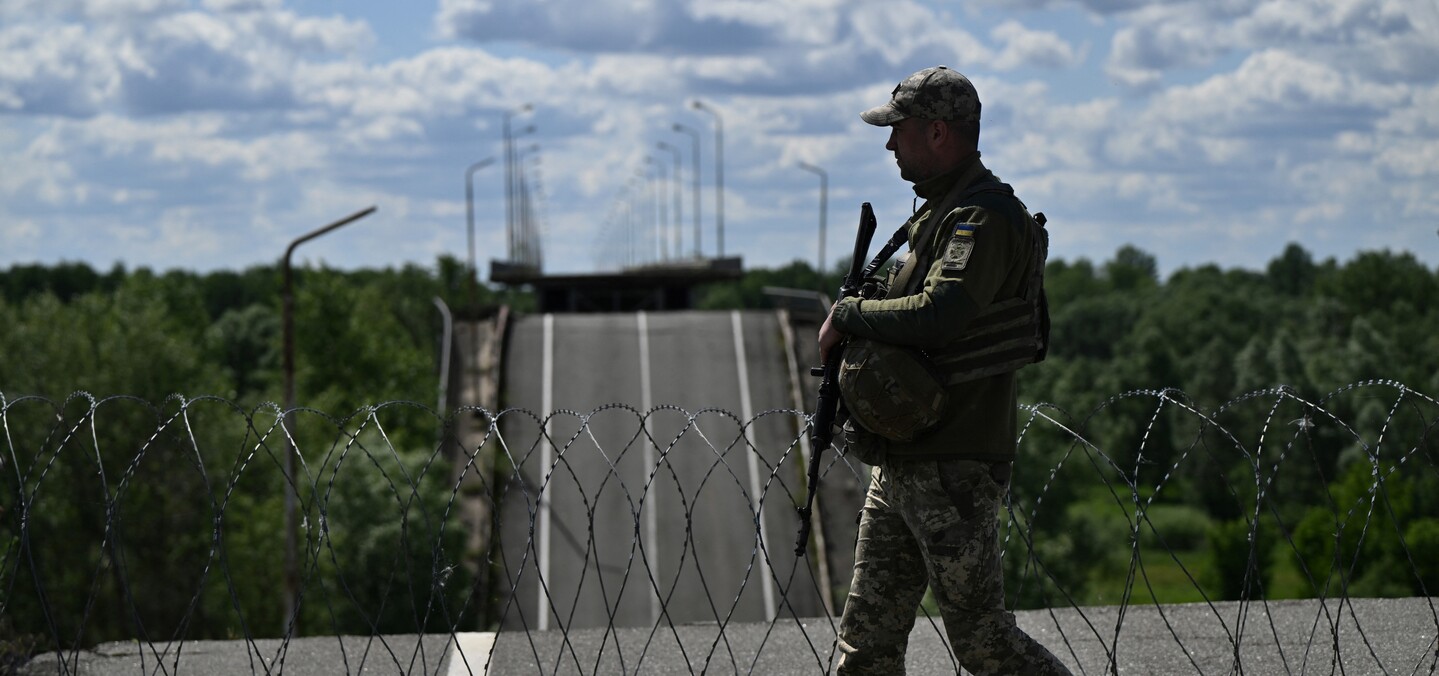
The recent damage inflicted by Ukrainian drones and missiles on Russia has made Belarus aware of its own vulnerabilities—and surprisingly amenable to Kyiv’s demands.

Artyom Shraibman
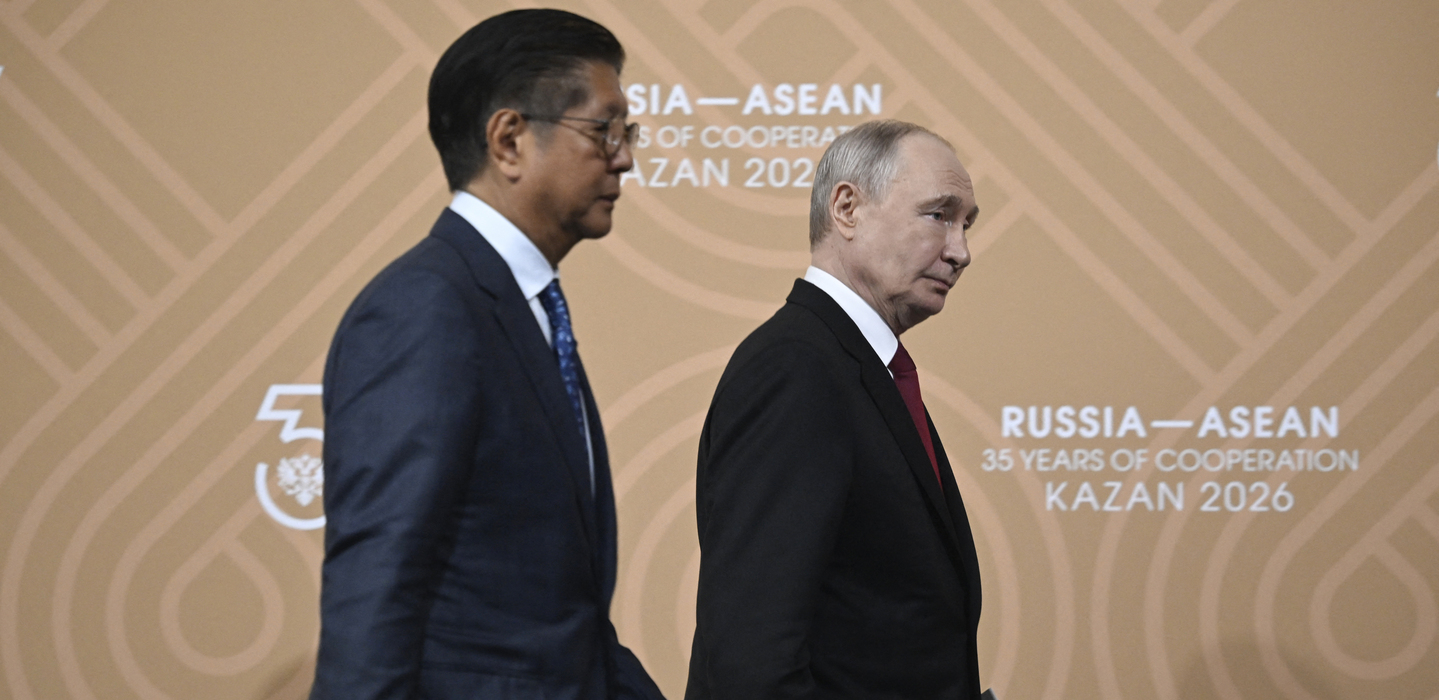
Russia looks set to reap economic benefits from closer ties with Southeast Asian countries that are keen to find reliable energy suppliers and diversify trade ties.

Alexander Gabuev