

Commentary
Depleted financial reserves and a shrinking tax base mean it is no longer possible to simultaneously deliver high defense spending, price stability, and economic growth.
Alexandra Prokopenko
{
  "authors": [],
  "type": "pressRelease",
  "centerAffiliationAll": "",
  "centers": [
    "Carnegie Endowment for International Peace"
  ],
  "collections": [],
  "englishNewsletterAll": "",
  "nonEnglishNewsletterAll": "",
  "primaryCenter": "Carnegie Endowment for International Peace",
  "programAffiliation": "",
  "programs": [],
  "projects": [],
  "regions": [
    "China"
  ],
  "topics": [
    "Economy",
    "Trade"
  ]
}
REQUIRED IMAGE
FOR IMMEDIATE RELEASE: April 17, 2007
- NEWS RELEASE -
A new report by the Carnegie Endowment and China’s Development Research Center shows that the health of China’s economy and trade over the next 15 years will have more impact on China’s rural poor than any other segment of Chinese society. The report also finds that while WTO accession has generally benefited China’s economy, it has further increased the already pronounced economic disparity between Chinese urban and rural households. Accession to the WTO has added only a net thirteen million jobs while an estimated 300 million jobs are needed to create full employment in China.
In China’s Economic Prospects 2006-2020, Sandra Polaski, Li Shantong, and He Jianwu use general equilibrium models to probe three possible economic paths for China—one projecting a benign international and domestic environment, one a continuation of recent trends, and one higher risk scenario.
The authors argue that poor rural households would see fewer job opportunities in the cities and continued low wages if trade tensions rise. As more farmers stay on the land and incomes rise less, China would import fewer agricultural products from the rest of the world, disappointing farm exporters.
The authors point to challenges that Chinese policymakers must address if they are to optimize China’s development to broadly benefit its population. They also suggest that some current approaches of China’s trade partners could be counterproductive for their own export interests.
The authors recommend policies that raise incomes widely, particularly for rural households, to generate broad-based domestic demand and reduce the economy’s reliance on trade. They suggest an emphasis on service sector development, particularly of education and health care services, to generate more labor-intensive jobs to absorb surplus labor from the agriculture sector.
Notes:
The Carnegie Endowment for International Peace is a private, nonprofit organization dedicated to advancing cooperation between nations and promoting active international engagement by the United States. Founded in 1910, its work is nonpartisan and dedicated to achieving practical results.
###

Depleted financial reserves and a shrinking tax base mean it is no longer possible to simultaneously deliver high defense spending, price stability, and economic growth.

Alexandra Prokopenko

With the growth in points of friction between the great powers, organizations like the SCO will continue to play a role in the strategic adaptation of the smaller powers caught between them.

Temur Umarov

When faced with fuel shortages in the past, Central Asian governments could always count on additional supplies from Moscow. That safety net no longer exists.

Galiya Ibragimova
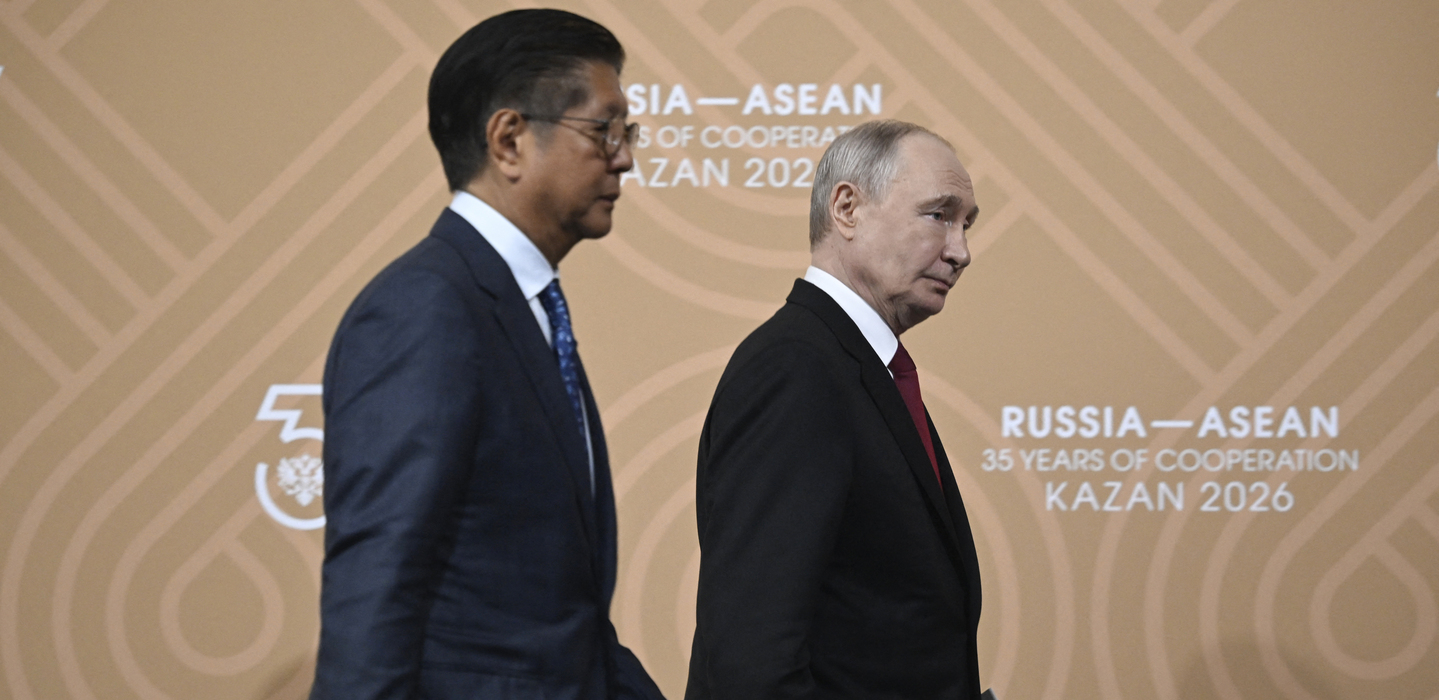
Russia looks set to reap economic benefits from closer ties with Southeast Asian countries that are keen to find reliable energy suppliers and diversify trade ties.

Alexander Gabuev
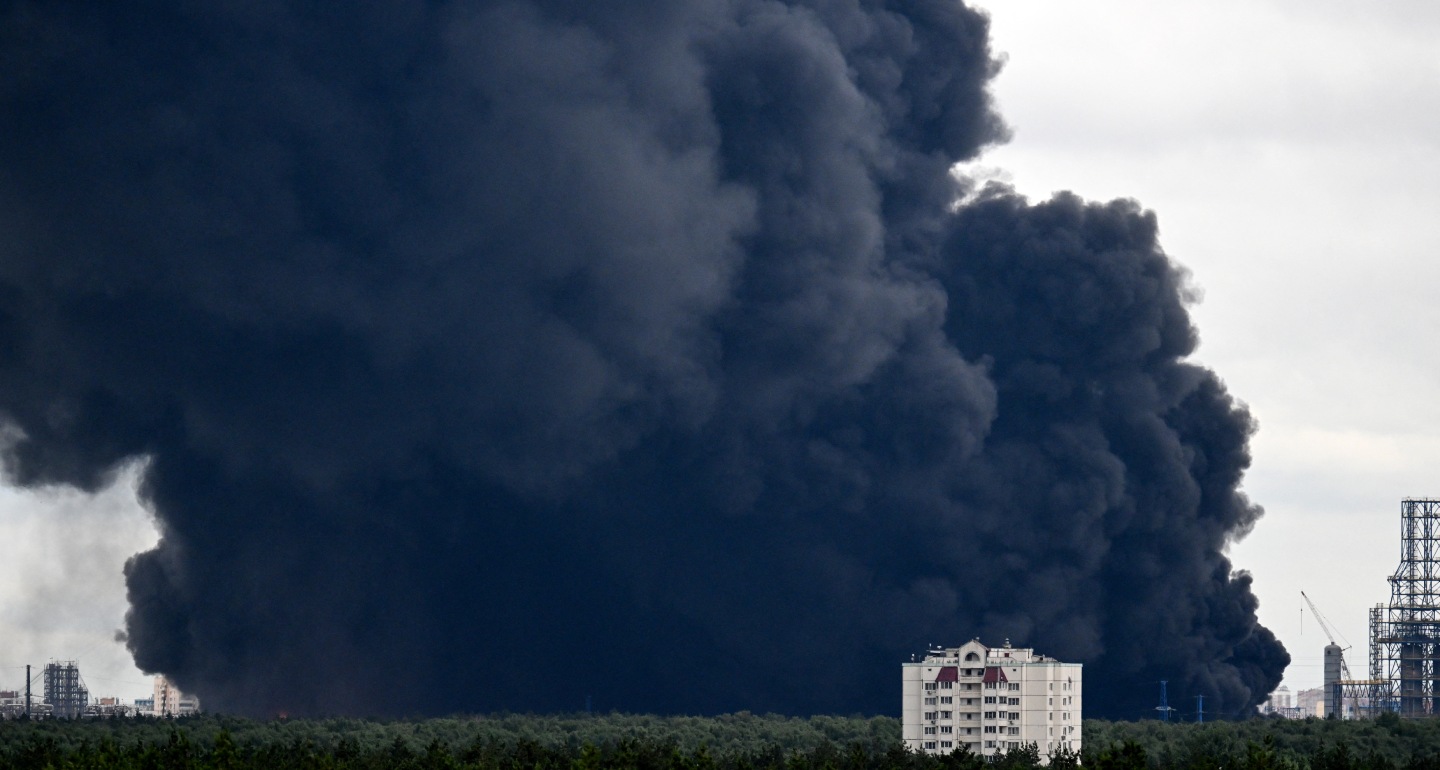
If it proves impossible for the Russian authorities to avoid a gasoline deficit, the question then becomes how they will organize the distribution of a scarce resource.

Sergey Vakulenko