

Commentary
A leak of Russian gas price data helps establish that China is paying Russia far less than Central Asian countries and Gazprom’s former European customers.
Sergey Vakulenko
{
  "authors": [],
  "type": "pressRelease",
  "centerAffiliationAll": "dc",
  "centers": [
    "Carnegie Endowment for International Peace"
  ],
  "collections": [],
  "englishNewsletterAll": "asia",
  "nonEnglishNewsletterAll": "",
  "primaryCenter": "Carnegie Endowment for International Peace",
  "programAffiliation": "AP",
  "programs": [
    "Asia"
  ],
  "projects": [],
  "regions": [
    "China"
  ],
  "topics": []
}
REQUIRED IMAGE
FOR IMMEDIATE RELEASE: May 31, 2007
- NEWS RELEASE -
A new report from Carnegie Endowment Senior Associate Albert Keidel finds that China’s rapid growth over the past quarter century has not been export-led but rather is driven by domestic demand, even in recent years when China’s global trade surplus has rapidly expanded. The report also concludes that China’s management of its economic fluctuations since the 1980s has systematically disadvantaged the rural economy.
China’s Economic Fluctuations and Their Implications for its Rural Economy, which analyzes both fast-growth and slow-growth phases of China’s rapid expansion since 1978, shows that shifts in domestic demand, and not shifts in exports, explain growth patterns.
Other key findings include:
“The report’s analysis points unambiguously to a greater need to consider the rural implications of standard macroeconomic policy making—not just because worsening rural welfare affects poverty levels and the risk of rural social unrest, but also because the rural economy has the potential to emerge as a vast pool supporting macroeconomic stability and sustained growth based on high levels of both domestic consumption and investment,” concludes the report.
This report was produced in collaboration with Dr. Jianxing Liu of the International Cooperation Center in China’s National Development and Reform Commission, with substantial support from the Ford Foundation
Notes:
###
Carnegie does not take institutional positions on public policy issues; the views represented herein are those of the author(s) and do not necessarily reflect the views of Carnegie, its staff, or its trustees.
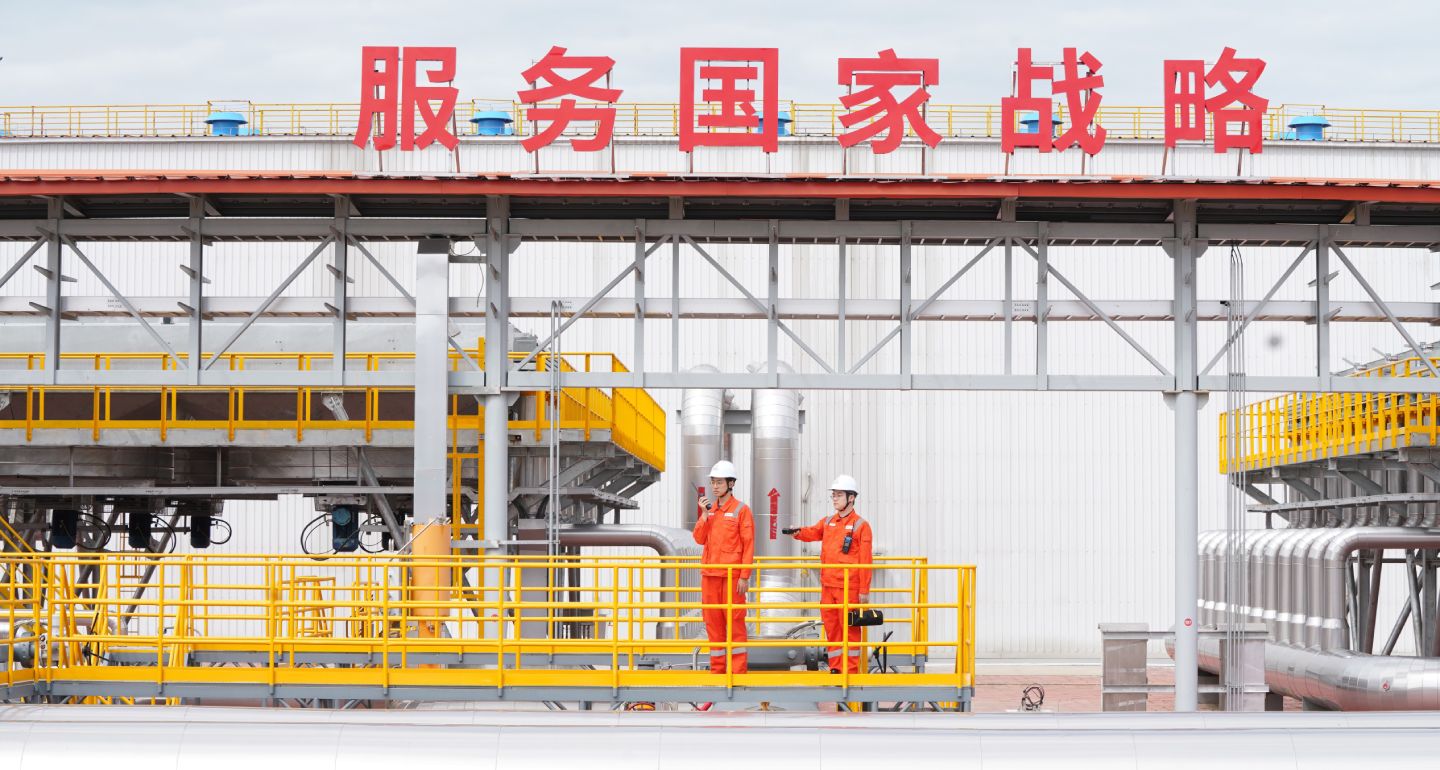
A leak of Russian gas price data helps establish that China is paying Russia far less than Central Asian countries and Gazprom’s former European customers.

Sergey Vakulenko

With the growth in points of friction between the great powers, organizations like the SCO will continue to play a role in the strategic adaptation of the smaller powers caught between them.

Temur Umarov
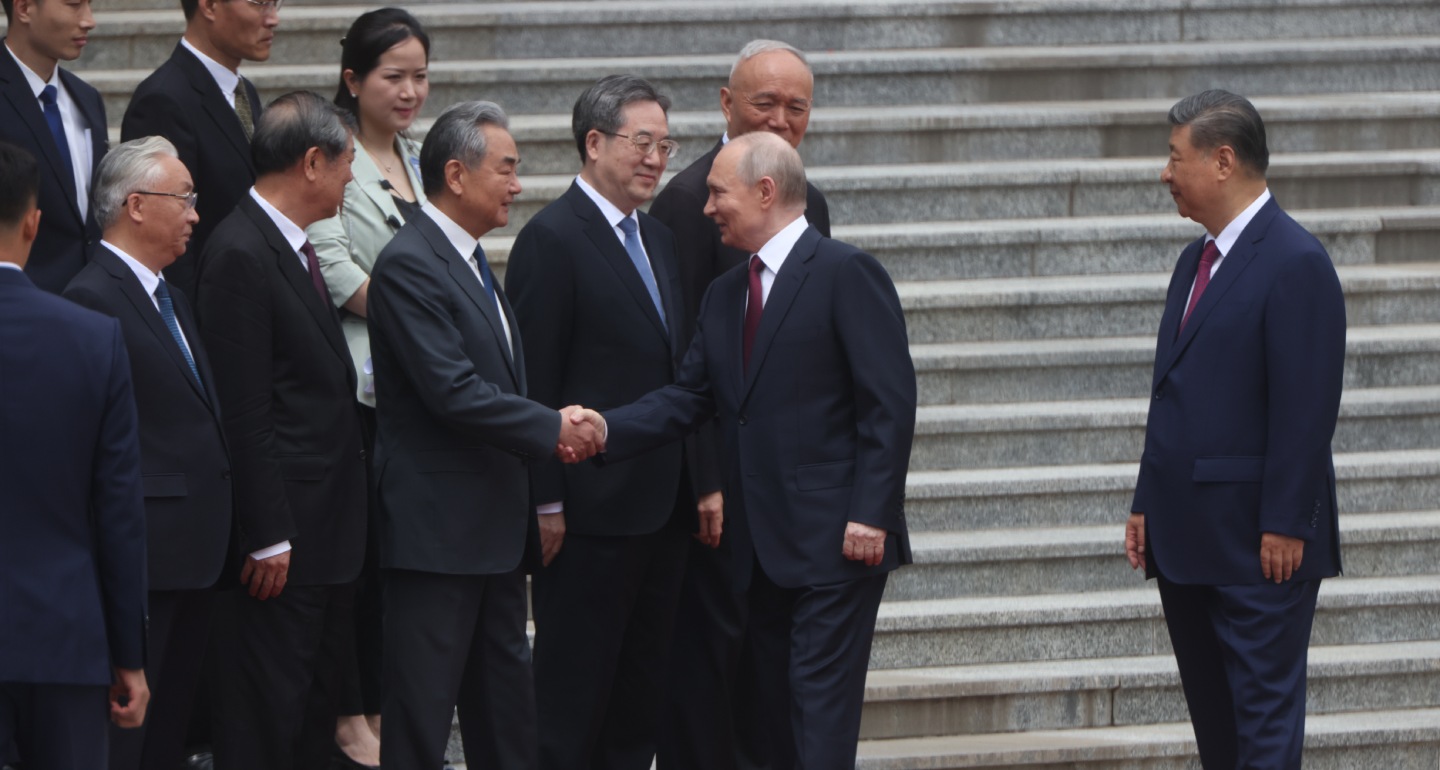
With no key agreement signed on the Power of Siberia 2 gas pipeline, there is a risk that the window of opportunity for Russia will close if Chinese power generation becomes so green that new gas sources are no longer of any interest to Beijing.

Alexander Gabuev
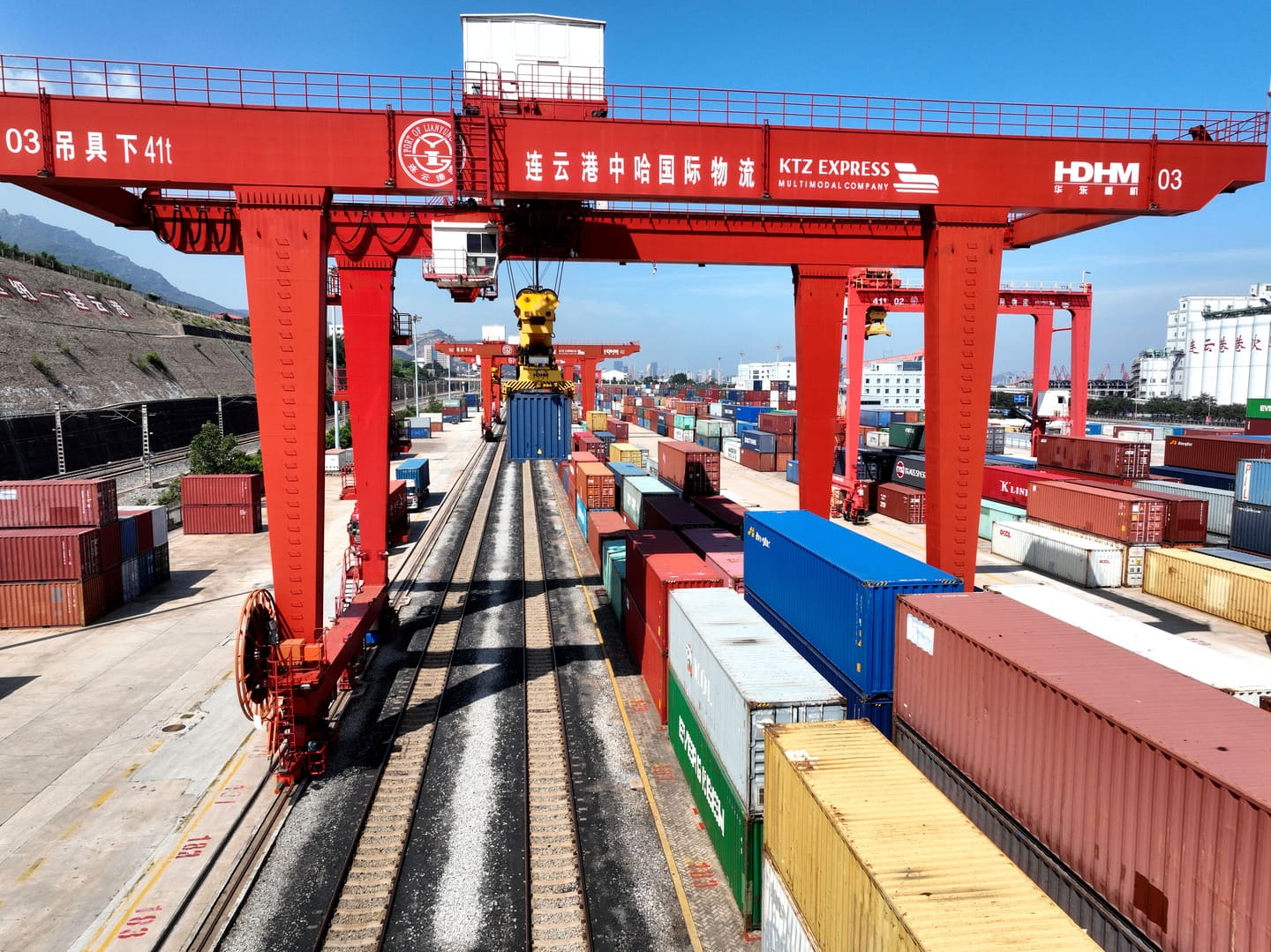
For the Middle Corridor to fulfill its promises, one of these routes must become scalable. At present, neither is.

Friedrich Conradi

Most of Moscow’s military resources are tied up in Ukraine, while Beijing’s foreign policy prioritizes economic ties and avoids direct conflict.
Alexander Gabuev, Temur Umarov