

Commentary
Russia looks set to reap economic benefits from closer ties with Southeast Asian countries that are keen to find reliable energy suppliers and diversify trade ties.
Alexander Gabuev
{
  "authors": [],
  "type": "pressRelease",
  "centerAffiliationAll": "dc",
  "centers": [
    "Carnegie Endowment for International Peace"
  ],
  "collections": [],
  "englishNewsletterAll": "ctw",
  "nonEnglishNewsletterAll": "",
  "primaryCenter": "Carnegie Endowment for International Peace",
  "programAffiliation": "SAP",
  "programs": [
    "South Asia"
  ],
  "projects": [],
  "regions": [
    "North America",
    "United States",
    "China"
  ],
  "topics": [
    "Military",
    "Foreign Policy",
    "Nuclear Policy"
  ]
}
REQUIRED IMAGE
FOR IMMEDIATE RELEASE: June 22, 2007
- NEWS RELEASE -
WASHINGTON, June 22--In a provocative new policy brief, Ashley J. Tellis challenges the conventional wisdom that China’s antisatellite test (ASAT) was a protest against U.S. space policy, arguing instead that it was part of a loftier strategy to combat U.S. military superiority and one that China will not trade away in any arms-control regime.
Far from a response to assertive U.S. space policies, Tellis contends in Punching the U.S. Military’s “Soft Ribs”: China’s Antisatellite Weapon Test in Strategic Perspective that the ASAT test was part of a more ambitious goal—namely defeating superior U.S. conventional forces, both in a potential war over Taiwan, as well as other long-term, geopolitical scenarios. The author states that Chinese analyses of U.S. military operations since Dessert Storm concluded that U.S. military might depends inordinately on space-based systems for its operational effectiveness and hence must be targeted if China is to be able to stand up to the enormity of U.S. conventional military power.
Key conclusions:
Notes:
###
Carnegie does not take institutional positions on public policy issues; the views represented herein are those of the author(s) and do not necessarily reflect the views of Carnegie, its staff, or its trustees.
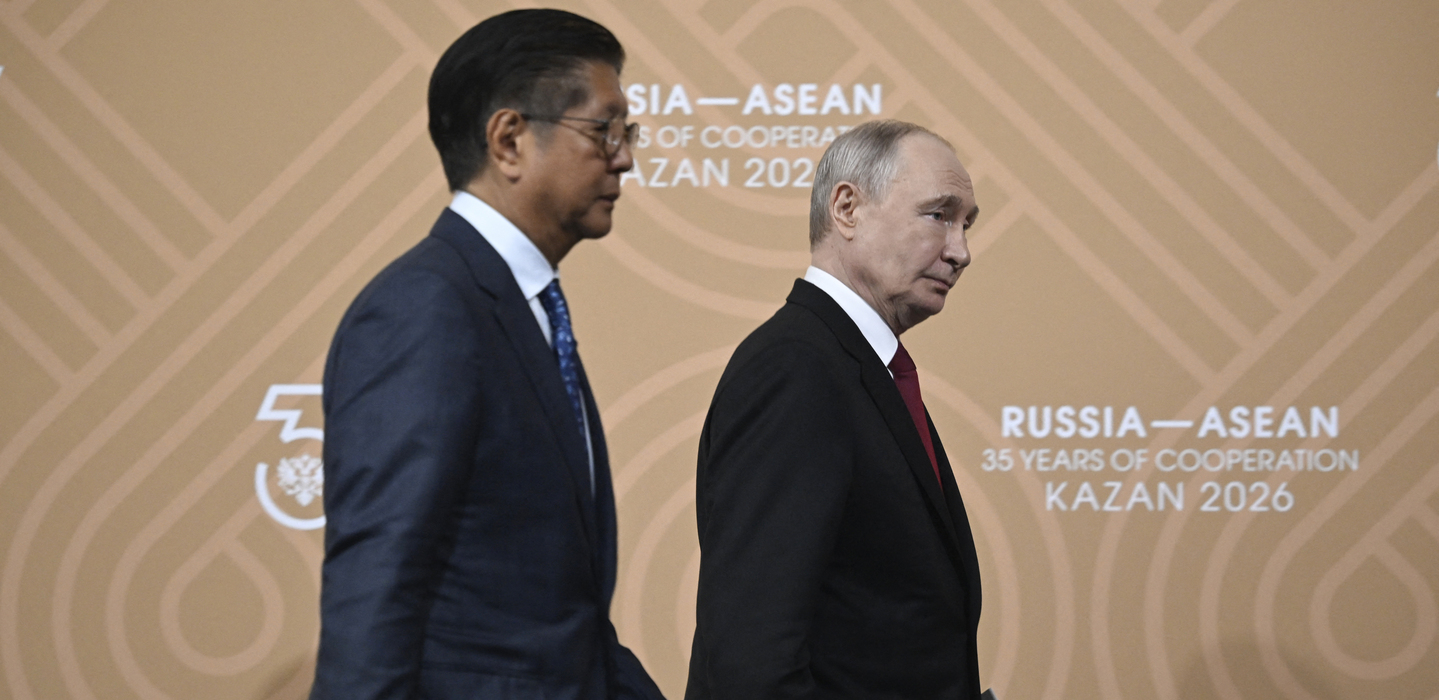
Russia looks set to reap economic benefits from closer ties with Southeast Asian countries that are keen to find reliable energy suppliers and diversify trade ties.

Alexander Gabuev
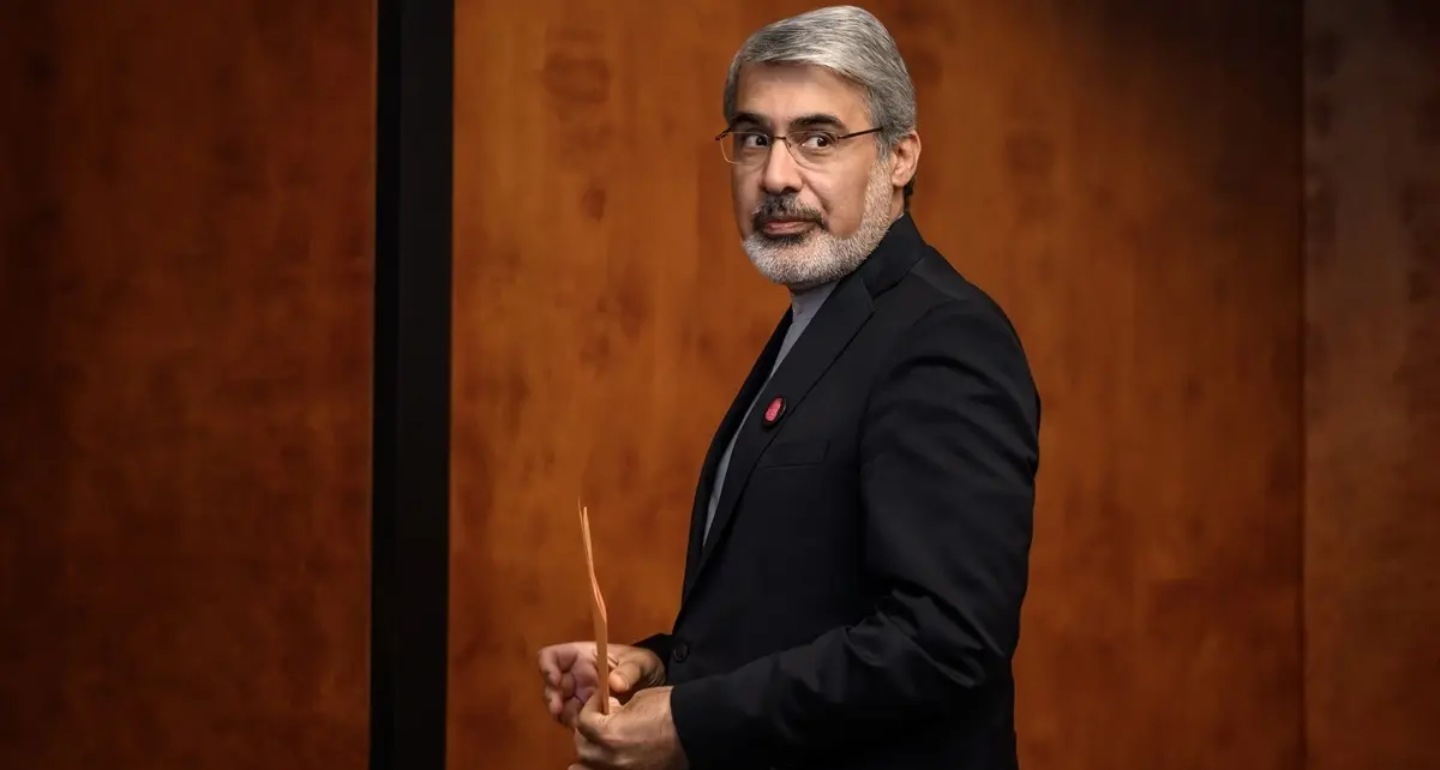
Ongoing uncertainty in the Middle East allows Moscow to both increase its influence in Tehran and continue to enjoy the financial windfall of higher oil prices.

Nikita Smagin
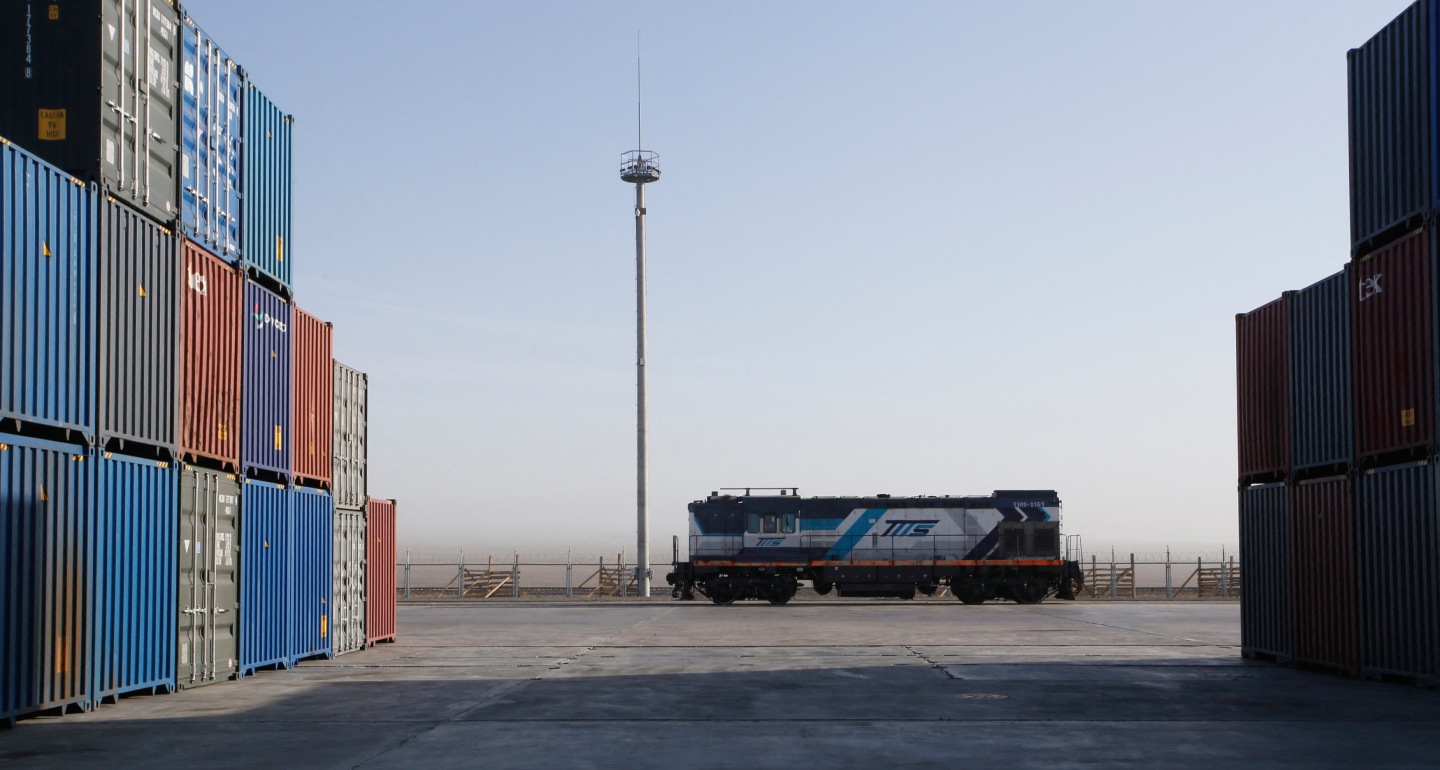
This year’s wars have made alternative routes to transit through Russia no less risky for Central Asian countries.

Galiya Ibragimova
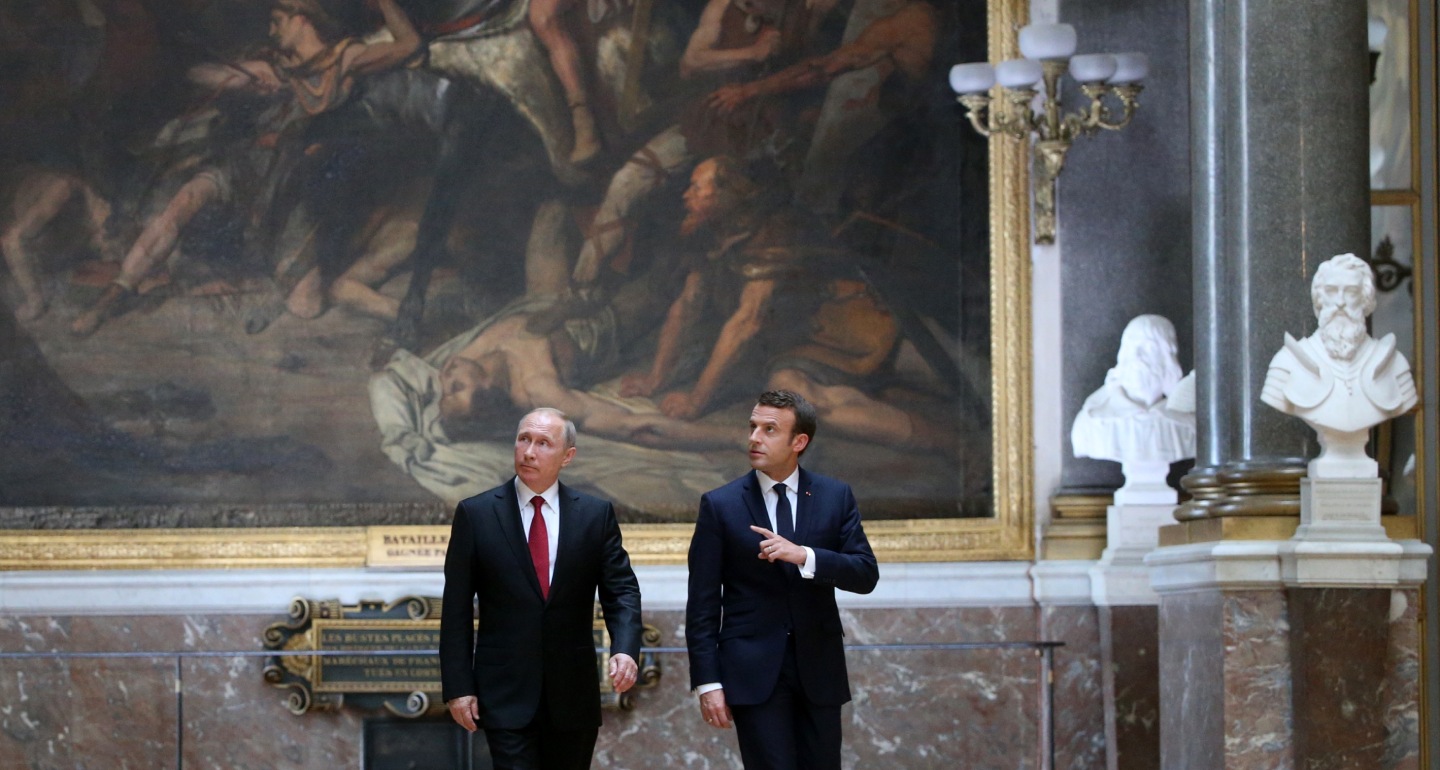
Reestablishing a dialogue with Moscow is not a goal in its own right. The goal is to guarantee the independence of Ukraine and the peace and security of Europe.
Arkady Moshes

By fueling the arguments of both supporters and opponents of Armenian Prime Minister Nikol Pashinyan, Azerbaijan wants to ensure he is re-elected with a weaker mandate.

Bashir Kitachaev