

Commentary
The Russian leadership wants to avoid a dangerous precedent in which it is squeezed out of Iran by the United States and Israel—and left powerless to respond in any meaningful way.
Nikita Smagin
{
  "authors": [
    "Faleh Jabar"
  ],
  "type": "other",
  "centerAffiliationAll": "dc",
  "centers": [
    "Carnegie Endowment for International Peace"
  ],
  "collections": [],
  "englishNewsletterAll": "menaTransitions",
  "nonEnglishNewsletterAll": "",
  "primaryCenter": "Carnegie Endowment for International Peace",
  "programAffiliation": "MEP",
  "programs": [
    "Middle East"
  ],
  "projects": [],
  "regions": [
    "Middle East",
    "Iraq"
  ],
  "topics": [
    "Political Reform",
    "Foreign Policy"
  ]
}
REQUIRED IMAGE
As the U.S. “surge” in Iraq enters its sixth month, a new Carnegie Policy Outlook reflects on the full history of the Iraq war and examines the viability of the current strategy.
Source: Carnegie Endowment
As the U.S. “surge” in Iraq enters its sixth month, a new Carnegie Policy Outlook reflects on the full history of the Iraq war and examines the viability of the current strategy.
The invasion and occupation of Iraq constituted the greatest nation-building challenge the United States has faced since World War II. As has become painfully clear, however, the realities of Iraq proved far more challenging than military planners had expected. Wars and sanctions only served to exacerbate stresses and tensions inherent under Saddam Hussein—there were no social forces to act as agents of change and no regional environment supportive of such change. The announcement of the surge in January 2007 revealed a sober recognition of how far U.S. strategy was removed from hard realities.
While this new U.S. strategy may have seemed plausible, it suffers from the same flawed assumptions and challenges that have plagued the entire war. The resolution of the Iraqi crisis can only come about through the construction of an inclusive, pluralistic, and federal polity with broad participation and strong political and security institutions. The Iraqi government must wean itself from U.S. military support, reinforce its own institutional and law-enforcement capacities, and take seriously the need for inclusive representational and decision-making institutions.
Click on the link above for the full text of this Carnegie publication.
This is a web-only publication.
About the Author
Faleh A. Jabar is the Director of the Iraq Institute for Strategic Studies (IIST) in Beirut,
Lebanon.
Faleh Jabar
Carnegie does not take institutional positions on public policy issues; the views represented herein are those of the author(s) and do not necessarily reflect the views of Carnegie, its staff, or its trustees.
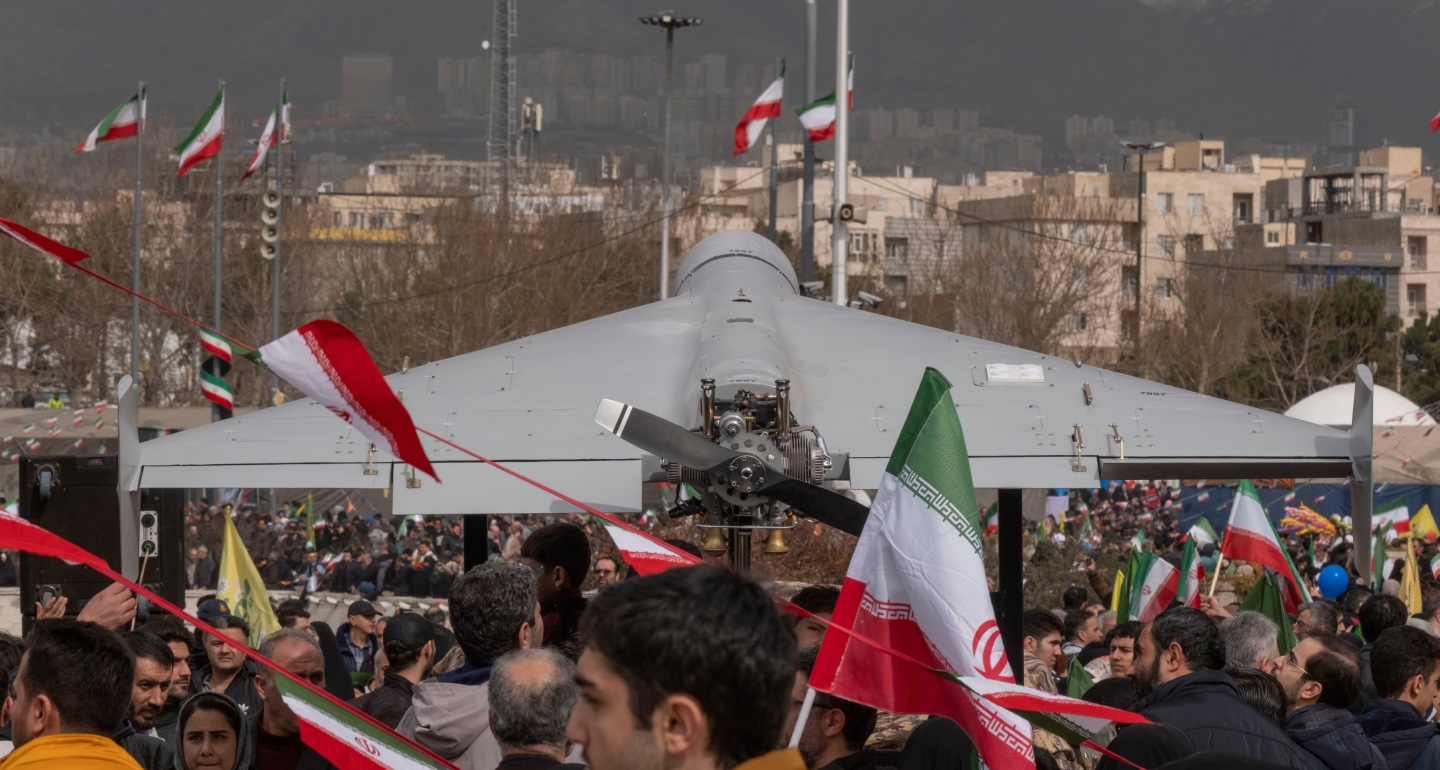
The Russian leadership wants to avoid a dangerous precedent in which it is squeezed out of Iran by the United States and Israel—and left powerless to respond in any meaningful way.

Nikita Smagin
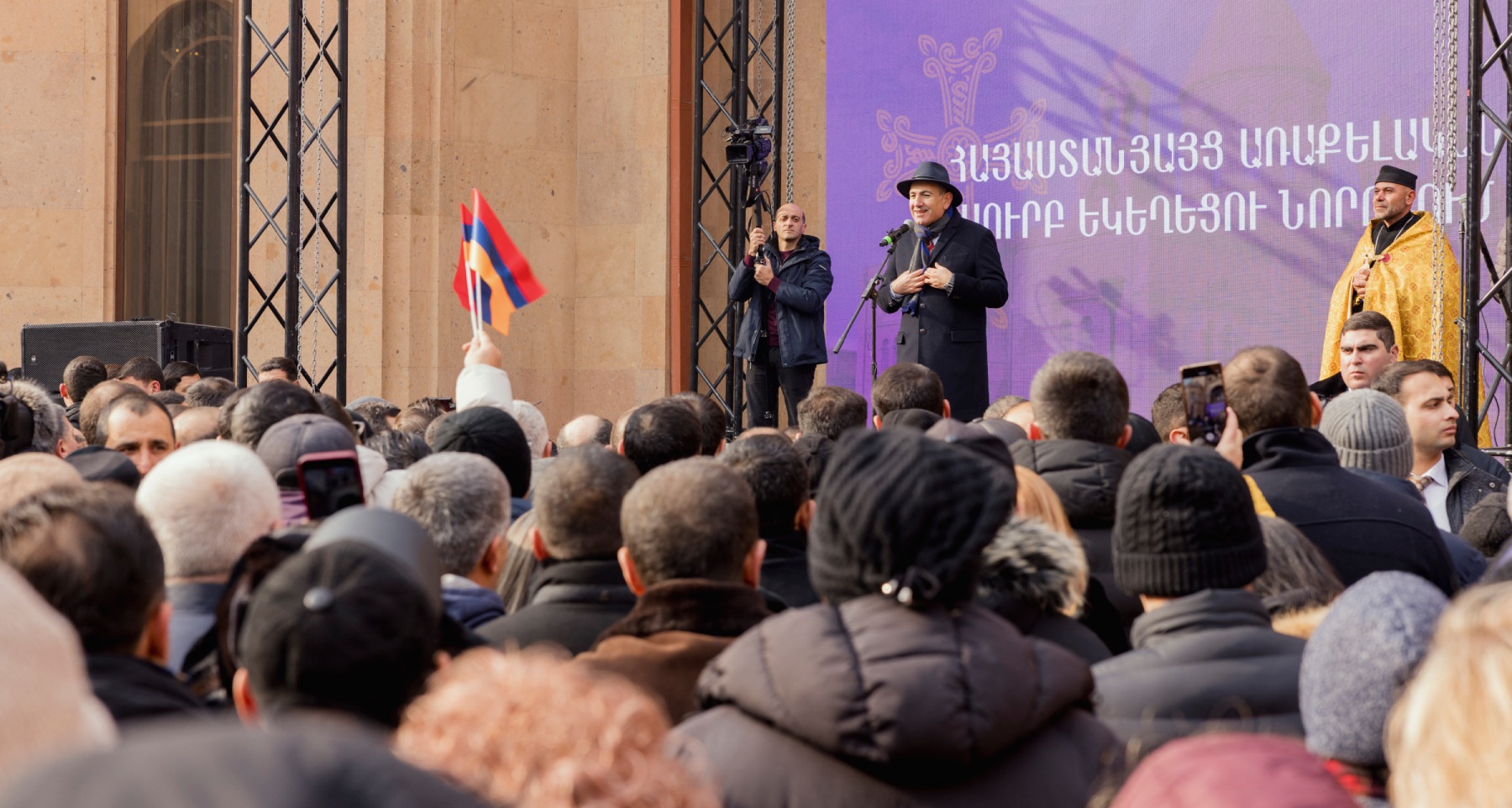
It’s true that many Armenians would vote for anyone just to be rid of Pashinyan, whom they blame for the loss of Nagorno-Karabakh, but the pro-Russia opposition is unlikely to be able to channel that frustration into an electoral victory.
Mikayel Zolyan

Orbán created an image for himself as virtually the only opponent of aid to Ukraine in the entire EU. But in reality, he was simply willing to use his veto to absorb all the backlash, allowing other opponents to remain in the shadows.
Maksim Samorukov

Central Asia’s digital ambitions are achievable, but only if policy is aligned with the region’s physical constraints.

Aruzhan Meirkhanova
Not only does the fighting jeopardize regional security, it undermines Russian attempts to promote alternatives to the Western-dominated world order.

Ruslan Suleymanov