

Commentary
With the growth in points of friction between the great powers, organizations like the SCO will continue to play a role in the strategic adaptation of the smaller powers caught between them.
Temur Umarov
{
  "authors": [],
  "type": "pressRelease",
  "centerAffiliationAll": "dc",
  "centers": [
    "Carnegie Endowment for International Peace"
  ],
  "collections": [],
  "englishNewsletterAll": "ctw",
  "nonEnglishNewsletterAll": "",
  "primaryCenter": "Carnegie Endowment for International Peace",
  "programAffiliation": "russia",
  "programs": [
    "Russia and Eurasia"
  ],
  "projects": [],
  "regions": [
    "Caucasus",
    "Russia"
  ],
  "topics": []
}
REQUIRED IMAGE
— NEWS RELEASE —
WASHINGTON, Sept 18—Valery Tishkov, former Russian Minister for Nationalities and current director of the Institute of Ethnology and Anthropology at the Russian Academy of Sciences, has joined the Carnegie Endowment for International Peace as a visiting scholar with the Carnegie Russia and Eurasia Program, the Endowment announced today.
Welcoming the announcement, Ambassador James F. Collins, director of the Russia and Eurasia Program, said, “We are delighted to be expanding the collaboration between Valery Tishkov and the Carnegie Endowment that began at our Moscow Center and continues here in Washington, D.C. Dr. Tishkov, a distinguished expert on nationalism and ethnic identity in Russia, has made major contributions to understanding questions of political culture and ethnicity in Russia. His work with Carnegie will provide unique and valuable insights for the policy and scholarly communities in Washington and internationally.”
Tishkov, an expert on Russia ethnic and civic identity, previously served on the advisory board for the United Nations High Commissioner for Refugees, was a member of the Russian State Committee on Migration Policy, and chairman of the State Committee for Nationality Affairs in the Russian government.
###
Notes:

With the growth in points of friction between the great powers, organizations like the SCO will continue to play a role in the strategic adaptation of the smaller powers caught between them.

Temur Umarov

The war in Ukraine and a change in ownership led VK to neglect its commercial ventures in favor of implementing the Kremlin’s online agenda. Now it’s been sanctioned by the EU.

Maria Kolomychenko
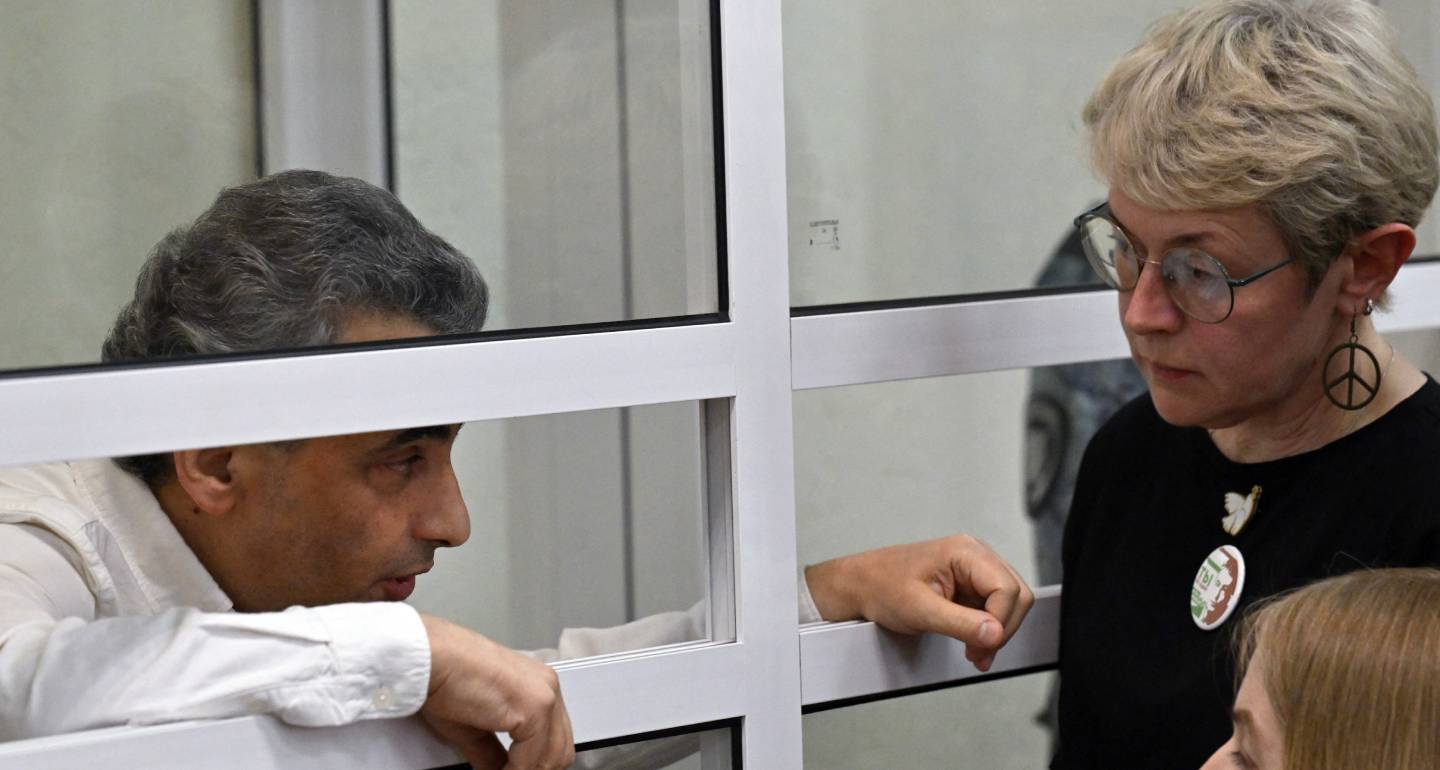
A regime founded on force, coercion, and repression does not want its propaganda, with all its flaws of logic, omissions, and outright lies, to be competing with the most simple of all messages: Thou shalt not kill.

Leonid Bershidsky
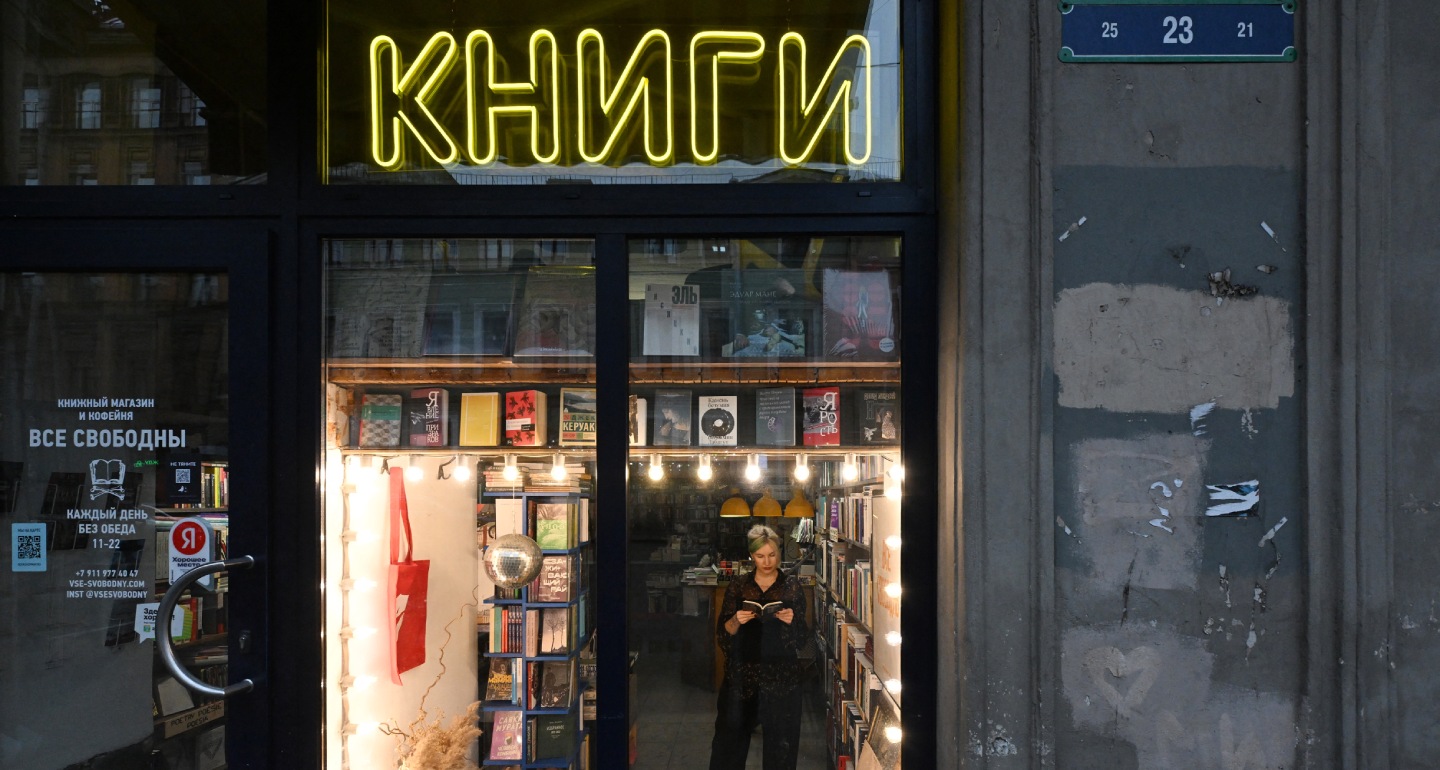
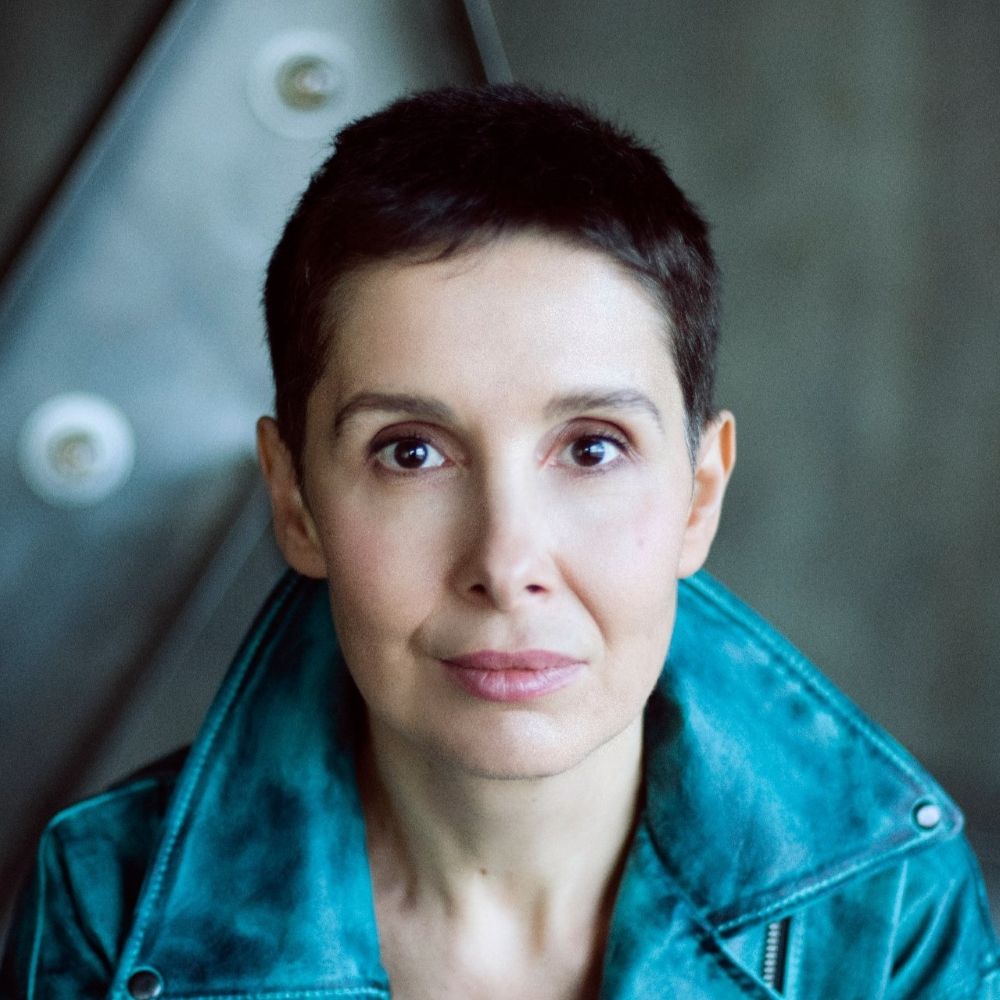
Political pressure and economic headwinds are closely intertwined problems for Russian publishers and booksellers. Together, they risk propelling Russia into a “post-literate” era.
Galina Yuzefovich

In the discussions made possible by the State Duma election campaign, one question is being asked more and more loudly. “What next?”

Andrey Pertsev