

Paper
Thomas Carothers
{
  "authors": [
    "Thomas Carothers"
  ],
  "type": "legacyinthemedia",
  "centerAffiliationAll": "dc",
  "centers": [
    "Carnegie Endowment for International Peace"
  ],
  "collections": [],
  "englishNewsletterAll": "democracy",
  "nonEnglishNewsletterAll": "",
  "primaryCenter": "Carnegie Endowment for International Peace",
  "programAffiliation": "DCG",
  "programs": [
    "Democracy, Conflict, and Governance"
  ],
  "projects": [],
  "regions": [
    "North America",
    "United States"
  ],
  "topics": [
    "Political Reform",
    "Democracy"
  ]
}
Source: Getty
America's standing as a global symbol of democracy and human rights has been crippled by the many U.S. abuses of the rule of law in the war on terrorism. The glaring gap between the president's sweeping rhetoric about a freedom agenda and his administration's many efforts to secure economic and security favors from autocratic allies around the world multiplies the cynicism and confusion.
Source: washingtonpost.com's Think Tank Town

As the leading U.S. presidential candidates unfold their foreign-policy visions, they have touched on democracy promotion, but not yet gone deeply into what they would do to put it back on track. It is commendable that none has urged an isolationist retreat, yet mere affirmations of a determination to renew America's commitment to advancing democracy are not enough. Although the United States can and should be a force for democracy in the world, repairing the damage and recovering such a role will require deep-reaching changes.
To start with, the close association between democracy promotion and U.S.-led military interventions and forcible regime change policies must be ended. If the United States needs to use military force to defend its national security in the future it should do so on these terms and not attempt to justify its actions as a democratizing mission. Doing so builds no substantial support abroad for the intervention and only taints the democracy promotion concept.
Just as importantly, the United States must clean up its act with regard to respecting the rule of law in the war on terrorism. This means many things, including ending torture and other abuses of all detainees and prisoners, closing the prison camp at Guantanamo Bay, abolishing extraordinary rendition to torture-practicing foreign intelligence agencies, ending the practice of holding "ghost prisoners," and closing secret prisons. Any post-Bush effort to relaunch democracy promotion without regaining the power of the positive U.S. example will be stillborn.
Inconsistencies in the application of democracy policies must be reduced. The complexity of U.S. interests in the world inevitably limits the role of ideals in U.S. foreign policy. Nevertheless, the United States can show the world it takes democracy seriously if it demonstrates a willingness to apply genuine pressure for democratic change, not only on hostile regimes but on some friendly tyrants as well, such as Pakistan and Egypt.
Democracy promotion will need to be repositioned in the war on terrorism, away from the role of rhetorical centerpiece. It's an appealing notion that democratization will undercut the roots of violent Islamic radicalism. Yet democracy is not an antiterrorist elixir. At times democratization empowers political moderates over radicals, but it can also have the opposite effect. Established democracies from Spain and Great Britain to Indonesia, India, and the Philippines struggle with domestic terrorism. Under dictatorship, Iraq had no al-Qaeda problem. With a weak elected government, it does. Moreover, casting the war on terrorism as a global campaign for democracy plays badly in Muslim societies where suspicions about U.S. political interventionism are fierce.
Finally, U.S. democracy promotion must be made less America-centric. Many established democracies and international organizations are engaged in democracy support around the world. When U.S. politicians speak about democracy promotion, they should take note of this fact and not portray the United States as the lone eagle of global democracy promotion. U.S. pro-democracy diplomacy and aid should give greater attention to working jointly with such partners. The more U.S. democracy promotion is seen as part of a broad-based global effort rather than a special American cause, the more effective it will be.
Recovering credibility on democracy promotion will not be easy or fast. Reputational damage on foreign policy takes only a short time to accrue but years to overcome. And the international context, quite apart from U.S. policy woes, is far from the heady days of the fall of the Berlin wall and democracy's post Cold War surge. China and Russia are prospering through what many people in the developing world see as an attractive model of authoritarian capitalism. High energy prices are providing a financial bonanza to numerous resource-rich autocratic governments. Large numbers of citizens in fledgling democracies are disillusioned with democracy as they experience it.
Nevertheless, this is an effort worth making. Democracy is only one of a complex swirl of U.S interests, but the United States benefits in many small and large ways when democracy advances in the world. As the U.S. presidential primary campaign enters into full swing, the candidates should be pressed to go beyond slogans to concrete plans in this domain. And when one of them eventually takes office, he or she should be pressed to move from pleasing rhetoric to meaningful deeds.
Thomas Carothers is vice president for studies at the Carnegie Endowment for International Peace. He is the author of the new Carnegie report Democracy Promotion During and After Bush.

Harvey V. Fineberg Chair for Democracy Studies; Director, Democracy, Conflict, and Governance Program
Thomas Carothers, director of the Carnegie Endowment for International Peace’s Democracy, Conflict, and Governance Program, is a leading expert on comparative democratization and international support for democracy.
Recent Work
Thomas Carothers

Richard Youngs, Thomas Carothers
Carnegie does not take institutional positions on public policy issues; the views represented herein are those of the author(s) and do not necessarily reflect the views of Carnegie, its staff, or its trustees.

In the discussions made possible by the State Duma election campaign, one question is being asked more and more loudly. “What next?”

Andrey Pertsev
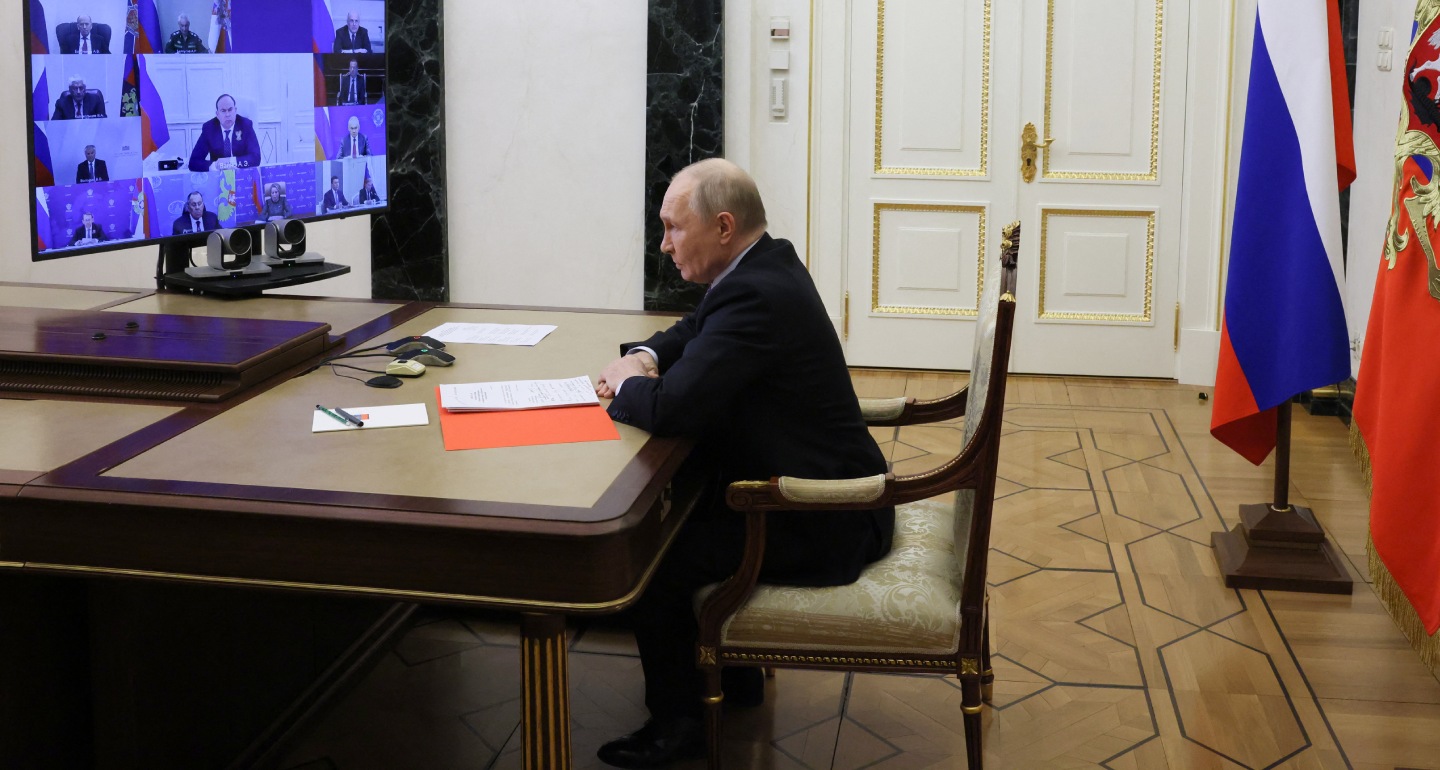
Two divergent trends—Putin’s hardline vision of how to prosecute the war in Ukraine, and a growing desire for change in Russia—could tear the regime apart.

Tatiana Stanovaya
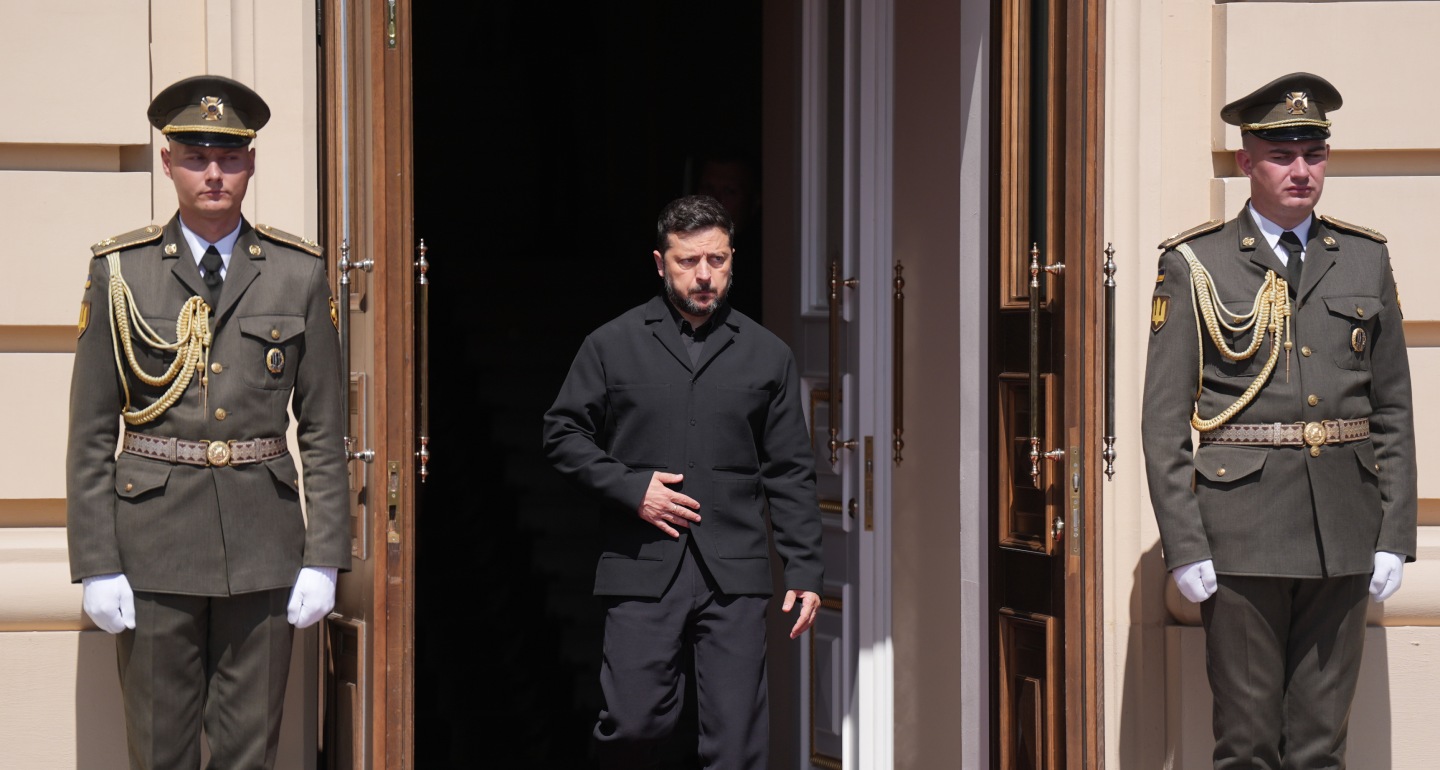
Ultimately, Zelensky sided neither with the reform camp nor with the military establishment as such, but with political control.

Balázs Jarábik
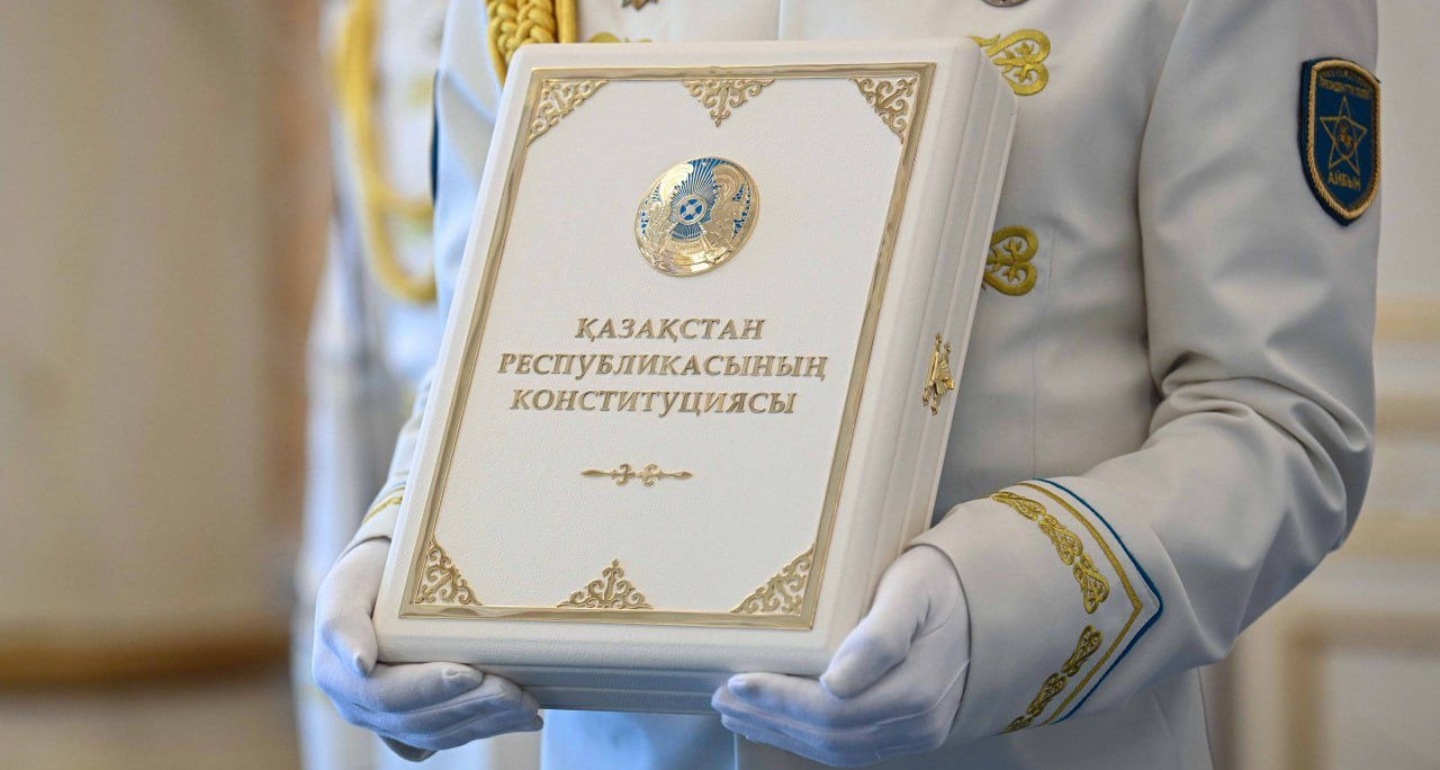
Tokayev’s predecessor, Nursultan Nazarbayev, outlined arrangements for a power transition too soon and in too much detail, ultimately losing control over the process. Tokayev is determined not to meet the same fate.

Temur Umarov
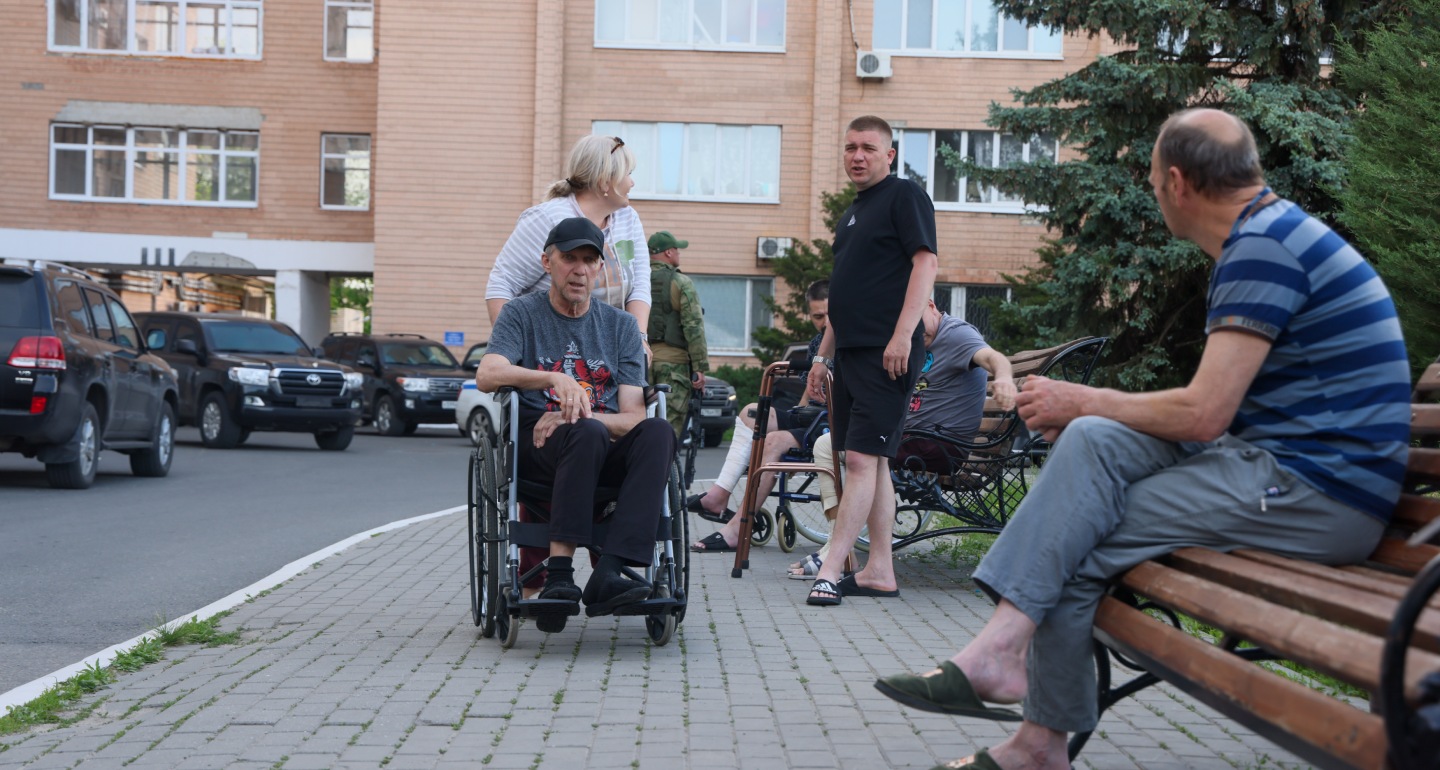
Despite unhappiness on the ground, Moscow is determined to use both carrot and stick to ensure there is record support for United Russia in occupied Ukraine.

Konstantin Skorkin