

Commentary
In the tenth year of his presidency, President Mirziyoyev’s system is becoming even more personalized than that of his predecessor Karimov.
Galiya Ibragimova
{
  "authors": [],
  "type": "pressRelease",
  "centerAffiliationAll": "dc",
  "centers": [
    "Carnegie Endowment for International Peace"
  ],
  "collections": [],
  "englishNewsletterAll": "democracy",
  "nonEnglishNewsletterAll": "",
  "primaryCenter": "Carnegie Endowment for International Peace",
  "programAffiliation": "DCG",
  "programs": [
    "Democracy, Conflict, and Governance",
    "South Asia"
  ],
  "projects": [],
  "regions": [
    "South Asia",
    "Afghanistan",
    "Pakistan",
    "Central Asia"
  ],
  "topics": [
    "Security",
    "Military",
    "Foreign Policy"
  ]
}
REQUIRED IMAGE
WASHINGTON, Nov 28—While today's move by Pervez Musharraf to step down as Pakistan's army chief may assuage some tensions in the embattled nation, the resurgence of al-Qaeda and the Taliban both in and around Pakistan continues to pose an enormous security threat and reflects the greatest reversal suffered by the United States since operations against them began in 2001. Many blame the Musharraf regime for not doing more to combat terrorism, despite receiving significant U.S. aid, but in a new report Carnegie Endowment Senior Associate Ashley J. Tellis contends that if the United States wants a stronger Pakistani commitment to the “War on Terror,” it must first recognize that Pakistan's poor performance cannot be attributed simply to malfeasance by Pakistan's military elite.
In Pakistan—Conflicted Ally in the War on Terror, Tellis argues that Pakistani counterterrorism efforts have been impeded by Islamabad 's military ineptitude, Pakistan 's political deterioration, a lack of public support for “Washington's war,” and the ineffective Afghan government. He says that the majority of Pakistani military officials, despite fears over domestic repercussions and long-term U.S. interests in the region, support operations aimed at defeating terrorism.
Tellis presents a number of policy recommendations to strengthen counterterrorism efforts, including:
Making U.S. aid conditional on Pakistan 's performance in the war on terror would only inflame Pakistani public opinion and embarrass moderate Pakistanis who cooperated with the United States, says Tellis, while recent suggestions by U.S. presidential hopefuls for unilateral military action could re-cast Pakistan as an adversary.
“If unilateral military action were to become the announced policy of the United States, such a policy would likely conclude eventually in the designation of Pakistan as an adversary of the United States. Whatever Islamabad 's failings may be, the prospect of having to treat a large and precariously poised Muslim state, armed with nuclear weapons and with an unsavory record of proliferation, as a mortal adversary should give pause to even the most jaded politician.”
###
NOTES
Carnegie does not take institutional positions on public policy issues; the views represented herein are those of the author(s) and do not necessarily reflect the views of Carnegie, its staff, or its trustees.

In the tenth year of his presidency, President Mirziyoyev’s system is becoming even more personalized than that of his predecessor Karimov.

Galiya Ibragimova

With the growth in points of friction between the great powers, organizations like the SCO will continue to play a role in the strategic adaptation of the smaller powers caught between them.

Temur Umarov

When faced with fuel shortages in the past, Central Asian governments could always count on additional supplies from Moscow. That safety net no longer exists.
Galiya Ibragimova

Two divergent trends—Putin’s hardline vision of how to prosecute the war in Ukraine, and a growing desire for change in Russia—could tear the regime apart.

Tatiana Stanovaya
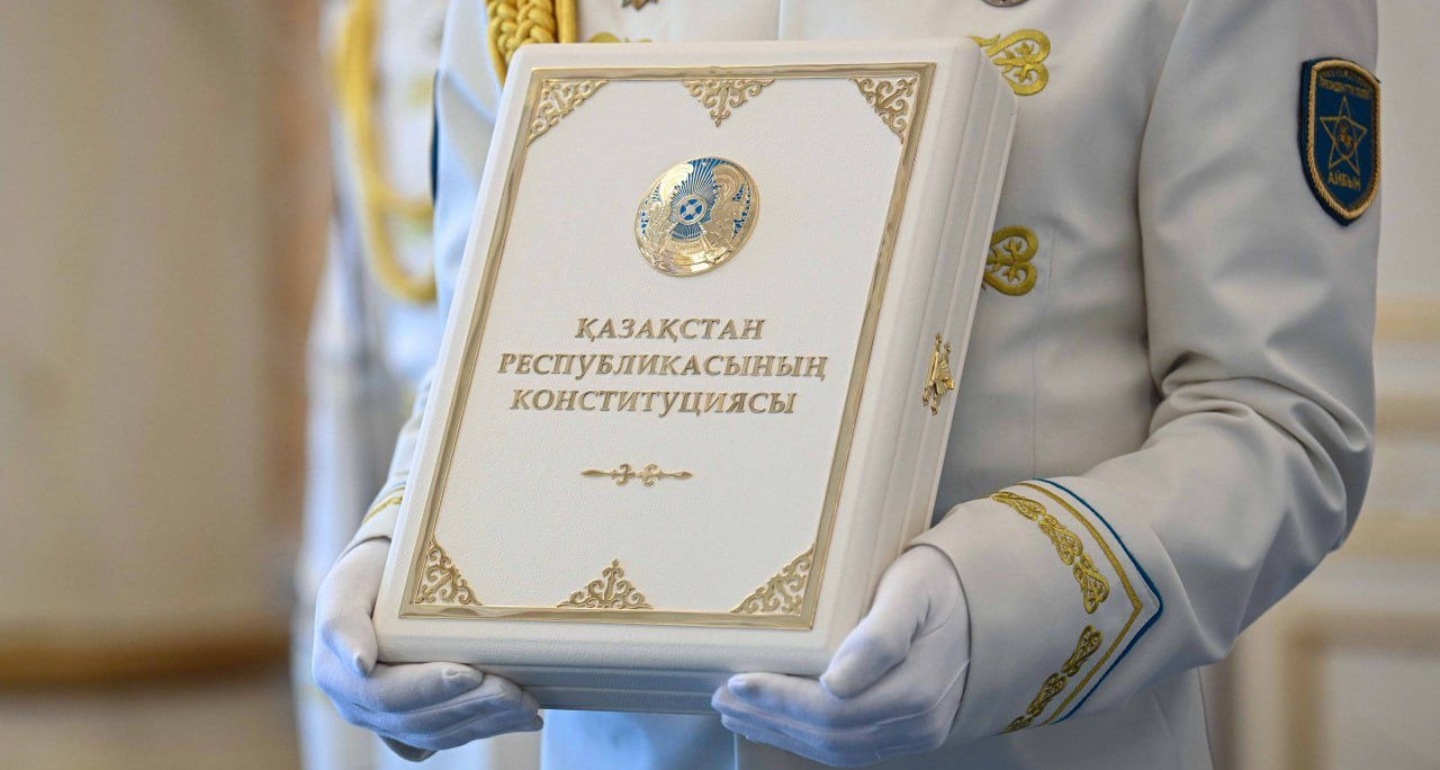
Tokayev’s predecessor, Nursultan Nazarbayev, outlined arrangements for a power transition too soon and in too much detail, ultimately losing control over the process. Tokayev is determined not to meet the same fate.
Temur Umarov