

In The Media
Josh Kurlantzick
{
  "authors": [
    "Josh Kurlantzick"
  ],
  "type": "legacyinthemedia",
  "centerAffiliationAll": "dc",
  "centers": [
    "Carnegie Endowment for International Peace"
  ],
  "collections": [],
  "englishNewsletterAll": "ctw",
  "nonEnglishNewsletterAll": "",
  "primaryCenter": "Carnegie Endowment for International Peace",
  "programAffiliation": "SAP",
  "programs": [
    "South Asia"
  ],
  "projects": [],
  "regions": [
    "North America",
    "United States",
    "South Asia",
    "Pakistan"
  ],
  "topics": [
    "Political Reform",
    "Democracy",
    "Security"
  ]
}
Source: Getty
The killing today of Benazir Bhutto was tragic for many reasons. Most obviously, it was another senseless death, adding to the spiraling extremist violence that has spread in recent years from Pakistan's remote regions into the heart of its major cities, including the capital, Islamabad and the nearby military garrison, Rawalpindi, where Bhutto was murdered. But the killing also may push the country even farther from a return to real democracy, already a shaky prospect in a country with a checkered history of electoral politics. For while Bhutto was hardly a saint, she had served as the strongest, most credible opposition voice against the sham elections prepared for early January.
Source: The New Republic

Without her, Pakistan's already weak opposition, damaged by scores of arrests and in-fighting, has no champion against Musharraf's election chicanery. The general had placed journalists under severe restrictions, stuffed election oversight positions with his allies, and tossed his opponents off the nation's leading courts. As Ahmed Bilal Mehboob, executive director of the nonprofit Pakistan Institute of Legislative Development and Transparency, told The Washington Post: "The elections are going to be rigged. The only thing that remains to be seen is how extensive that rigging will be."
Although Bhutto had, for months, considered making an alliance with Musharraf, in recent weeks she had tried to lead the opposition in both decrying Musharraf's tactics and preparing for the January 8 vote. In fact, Bhutto's party might well have won. Numerous polls taken in the fall showed Musharraf's popularity plummeting. One poll taken in September by the International Republican Institute showed Musharraf had a favorable rating of only 21 percent, and only 16 percent of Pakistanis would vote for his party. (By comparison, Bhutto has posted much higher favorable ratings in polls.) And even if her party had lost to Musharraf's because of vote-fixing, Bhutto's personal popularity meant she could have instigated widespread street protests after the election, which might have galvanized public support against the general.
With Bhutto gone, Musharraf will have far more freedom to operate. Her party could still win the upcoming election, riding a sympathy vote, but it is just as possible that her supporters will fragment without their leader, since Bhutto herself had worked to block rivals from amassing power bases within the party. Her supporters could disintegrate into street violence. Some could target Musharraf, whom they might view as the hand behind the bombing, given that the killing took place near the heart of Pakistan's military headquarters. Meanwhile, the other main opposition figure, Nawaz Sharif, does not have the same personal magnetism as Bhutto. Sharif has just announced that his party will boycott the January 8 vote, but it will be harder for the bland, portly Sharif to rally crowds in the streets after the election.
Worse, the general himself may play on Bhutto's death to claim that only he can lead the battle against militants and restore stability. The chaos around Bhutto's killing could provide Musharraf the opportunity to postpone the election and re-impose a state of emergency he recently lifted. (The New York Times, citing a Musharraf aide, reports that "no decision has been made on whether to delay the elections.") Musharraf could simultaneously assure the United States, his major patron, that he will use the emergency period to finally crack down on insurgents operating with near-total impunity along the Afghanistan-Pakistan border. Some in Washington would be pleased: The Bush administration has been pressuring Musharraf for years to lead such an operation.
Unfortunately, Musharraf has already proven incapable of this task: Reimposing a state of emergency would hardly restore Pakistan's stability. As The New York Times recently reported, the Bush administration now admits the Pakistani military has wasted and diverted massive amounts of the American aid designed to strengthen the battle against Al Qaeda and the Taliban--aid that has cost some $5 billion. Unsurprising, then, that the White House itself admitted in an intelligence assessment this summer that Musharraf's supposed battle against terrorists was failing miserably. Yet at the same time, Musharraf has neutered Pakistan's political culture, helping create a vacuum in which there are few other credible leaders besides Sharif and the slain Bhutto. With Bhutto gone, Musharraf may--surprise--again fill that vacuum. That could be the greatest tragedy of all.
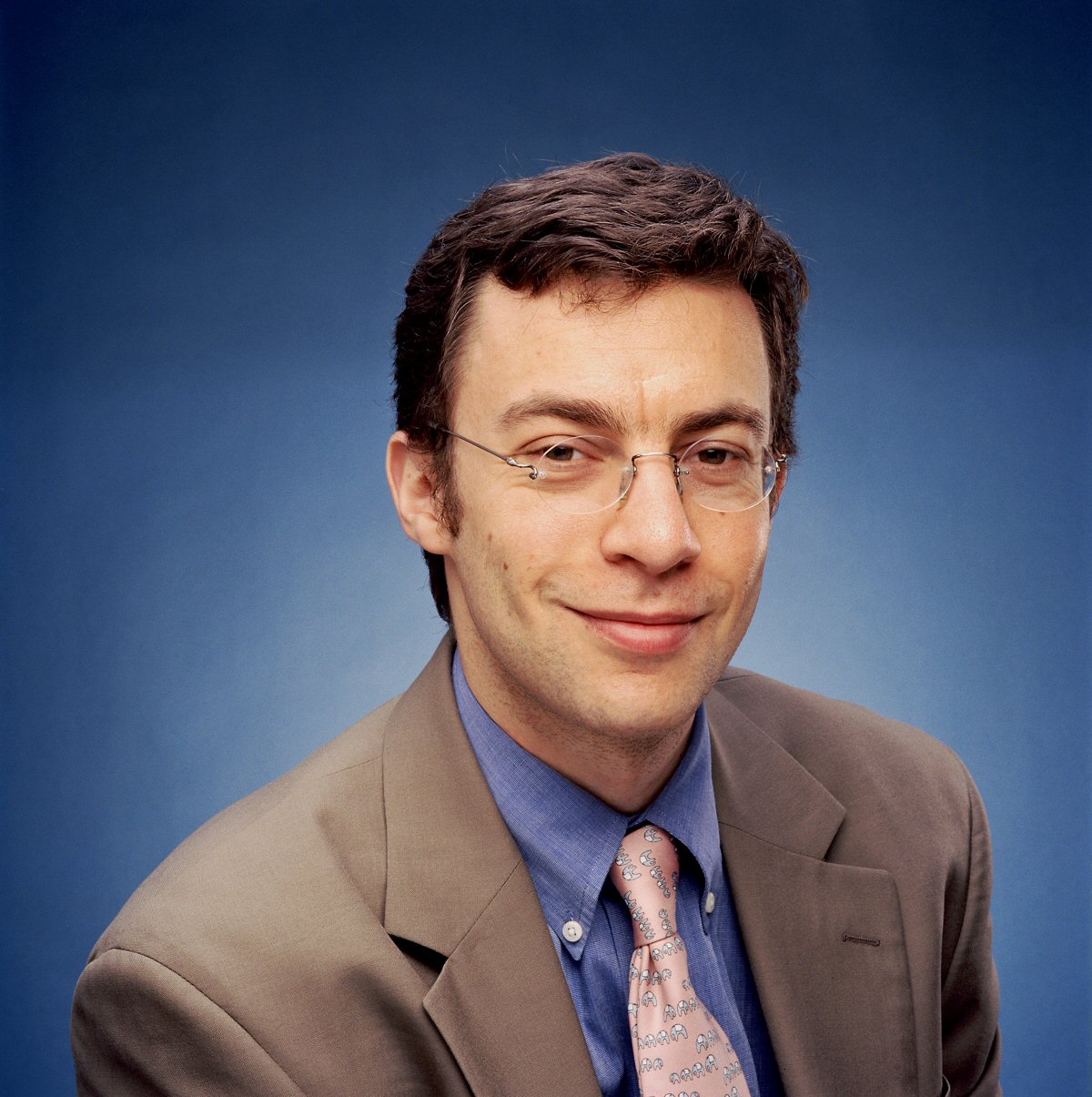
Former Visiting Scholar, China Program
A special correspondent for The New Republic, a columnist for Time, and a senior correspondent for The American Prospect, Kurlantzick assesses China’s relationship with the developing world, including Southeast Asia, Africa, and Latin America.
Recent Work
Josh Kurlantzick
Carnegie does not take institutional positions on public policy issues; the views represented herein are those of the author(s) and do not necessarily reflect the views of Carnegie, its staff, or its trustees.

The truth of the strategic situation is that Europe and Russia are extremely unlikely to be able to “turn the page” on their confrontation within the next two decades.

Arkady Moshes

Putin’s conservative staffing policies and search for ever greater control have cemented parliament’s transformation into a bureaucratic appendage of the executive branch.

Andrey Pertsev

Russia’s AI-driven propaganda campaigns operate in a fragmented, chaotic, and often illogical manner. That’s not necessarily a problem for the Kremlin, though: It’s much easier to mimic genuine public debate that way.

Ilya Klishin

Russian strikes are weakening the economy sustaining Ukraine’s war effort. Closing the growing funding gap will require more European support and politically contentious reforms in Kyiv.

Balázs Jarábik

Ex-president Gurbanguly Berdimuhamedov remains interested in politics, but his son Serdar, Turkmenistan’s current president, is becoming increasingly independent and willing to break with his father’s legacy. If their covert rivalry goes too far, both risk losing power.

Galiya Ibragimova