

Commentary
When faced with fuel shortages in the past, Central Asian governments could always count on additional supplies from Moscow. That safety net no longer exists.
Galiya Ibragimova
{
  "authors": [],
  "type": "pressRelease",
  "centerAffiliationAll": "dc",
  "centers": [
    "Carnegie Endowment for International Peace"
  ],
  "collections": [],
  "englishNewsletterAll": "democracy",
  "nonEnglishNewsletterAll": "",
  "primaryCenter": "Carnegie Endowment for International Peace",
  "programAffiliation": "DCG",
  "programs": [
    "Democracy, Conflict, and Governance"
  ],
  "projects": [],
  "regions": [
    "North America",
    "United States"
  ],
  "topics": [
    "Foreign Policy"
  ]
}
REQUIRED IMAGE
Secretary of State Condoleezza Rice’s ambitious reorganization of U.S. foreign assistance efforts in 2007 was deeply, perhaps irredeemably flawed, but did produce some positive results.
WASHINGTON, Feb 13—Secretary of State Condoleezza Rice’s ambitious reorganization of U.S. foreign assistance efforts last year is deeply, perhaps irredeemably flawed, but did produce some positive results, says a new paper from the Carnegie Endowment.
Reforms aimed at making foreign assistance an instrument of the administration’s “transformational diplomacy,” and ensuring greater transparency and oversight instead created an overly centralized and complex system that was rushed into practice.
In Assessing Secretary of State Rice’s Reform of U.S. Foreign Assistance, former senior USAID official Gerald Hyman analyzes the objectives, implementation, and impact of the Secretary’s effort to create a cohesive foreign assistance program fully integrated with U.S. national security policy.
Key Conclusions:
“The old system was a fractured, nonstrategic, hodgepodge of bureaucratic satraps in need of a fundamental fix. Greater coherence was certainly necessary. But the Rice reform is deeply, perhaps irredeemably flawed. There were available corrections far short of, and far better than, this foreign assistance reform,” writes Hyman.
###

Carnegie does not take institutional positions on public policy issues; the views represented herein are those of the author(s) and do not necessarily reflect the views of Carnegie, its staff, or its trustees.

When faced with fuel shortages in the past, Central Asian governments could always count on additional supplies from Moscow. That safety net no longer exists.

Galiya Ibragimova

Despite unhappiness on the ground, Moscow is determined to use both carrot and stick to ensure there is record support for United Russia in occupied Ukraine.

Konstantin Skorkin
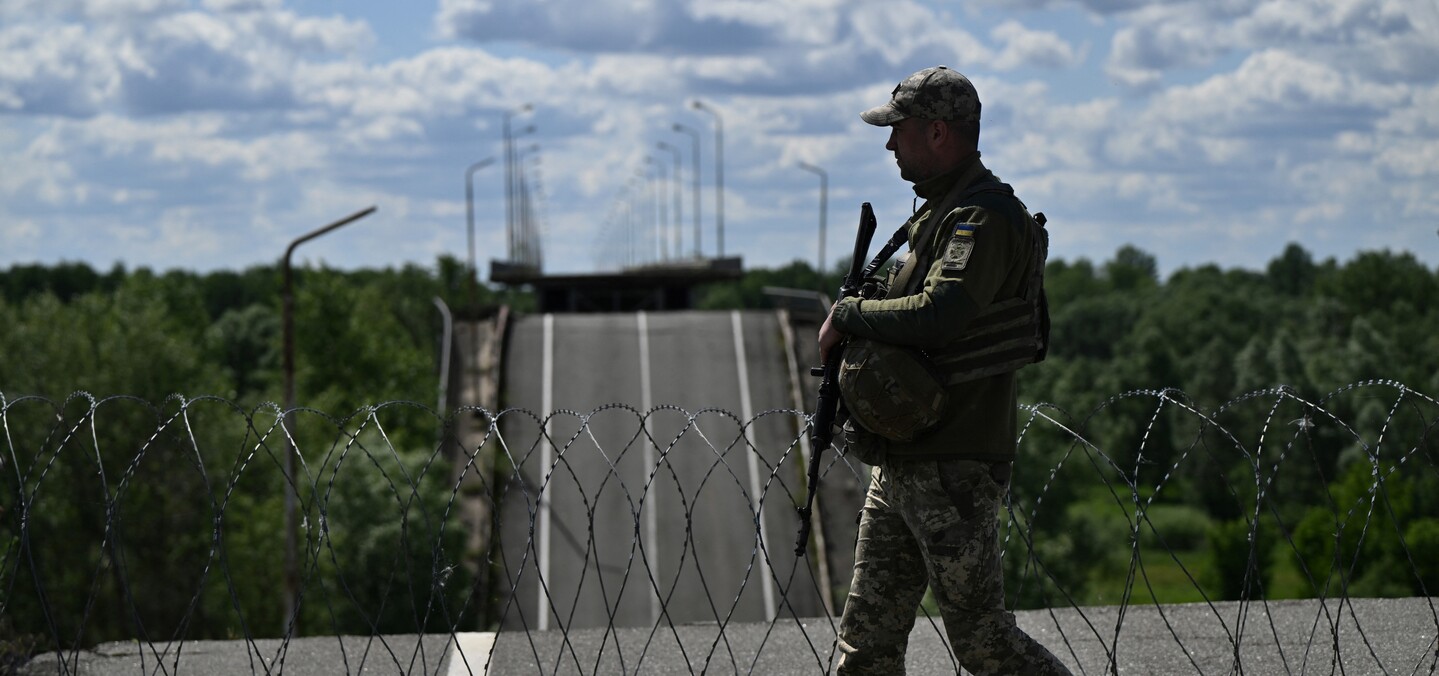
The recent damage inflicted by Ukrainian drones and missiles on Russia has made Belarus aware of its own vulnerabilities—and surprisingly amenable to Kyiv’s demands.

Artyom Shraibman
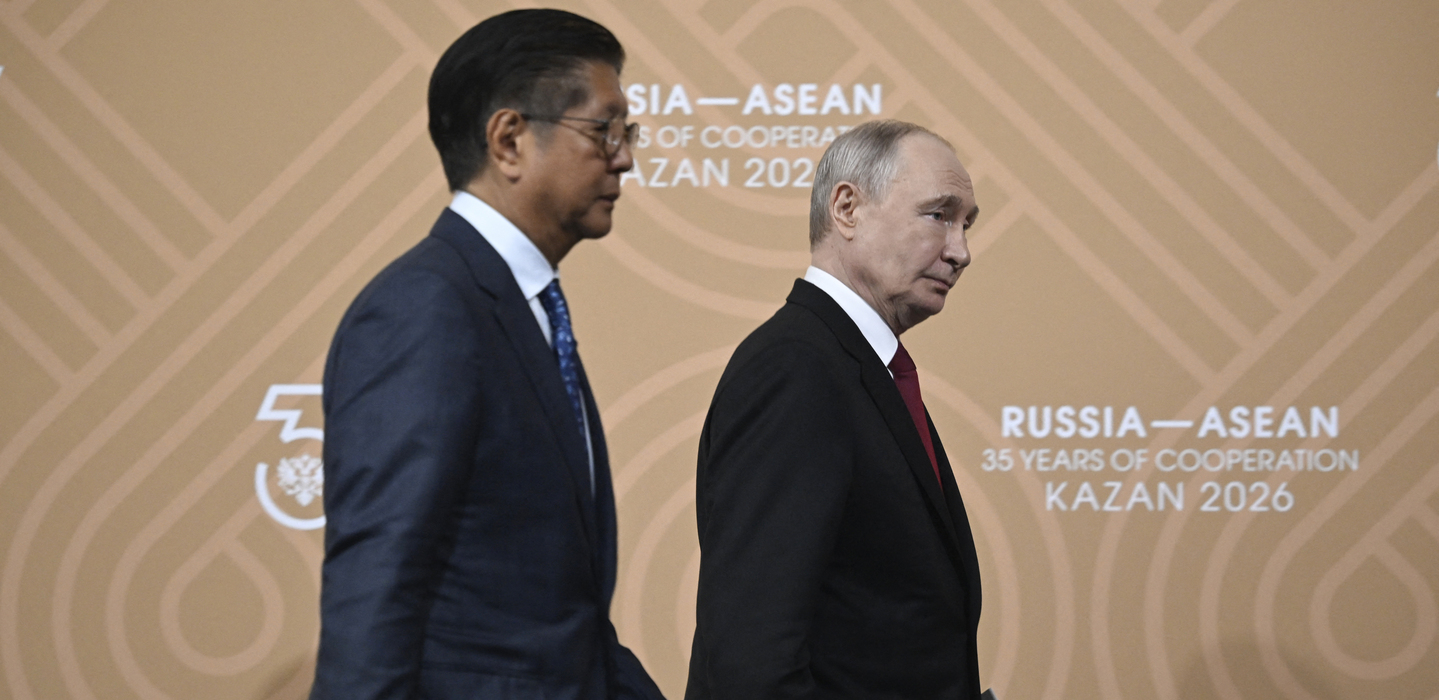
Russia looks set to reap economic benefits from closer ties with Southeast Asian countries that are keen to find reliable energy suppliers and diversify trade ties.

Alexander Gabuev
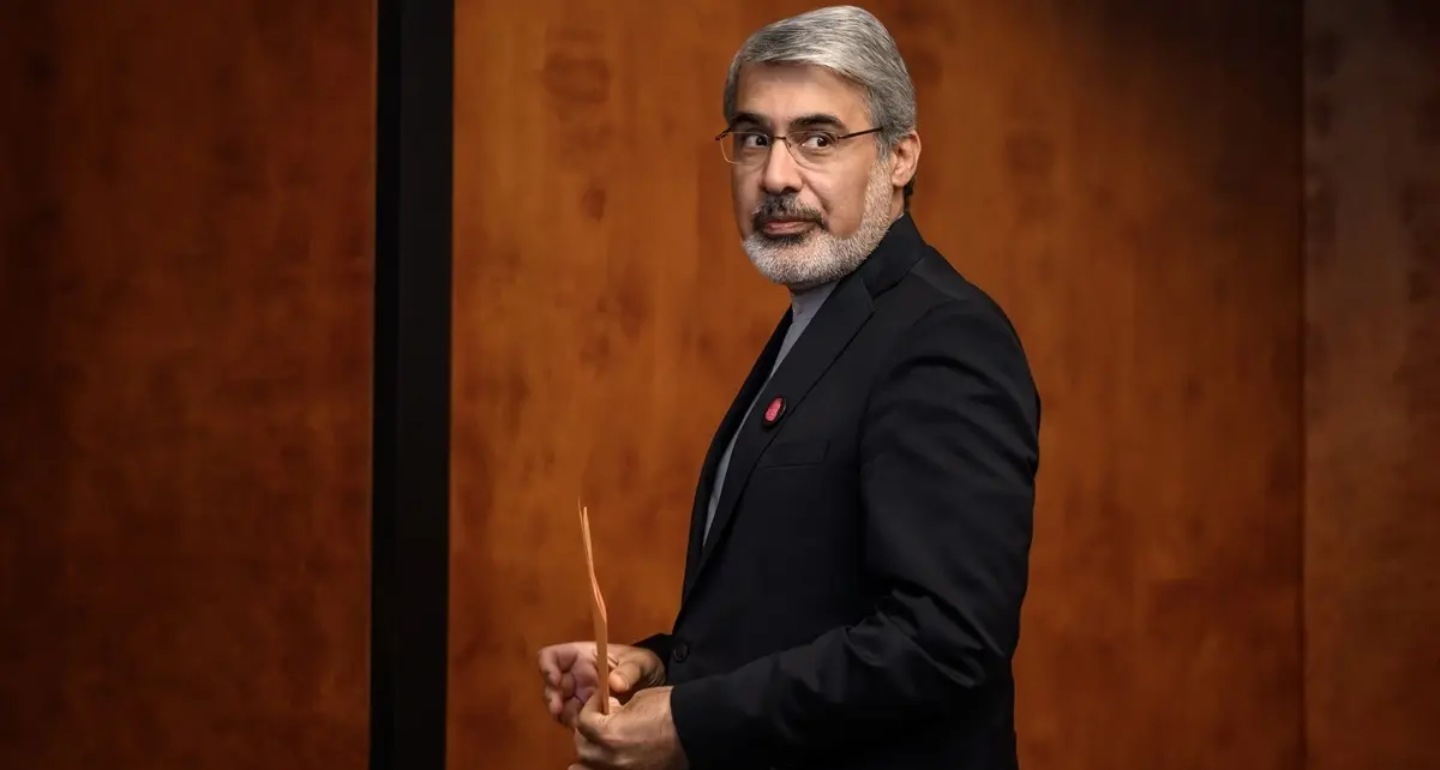
Ongoing uncertainty in the Middle East allows Moscow to both increase its influence in Tehran and continue to enjoy the financial windfall of higher oil prices.

Nikita Smagin