

Commentary
With the growth in points of friction between the great powers, organizations like the SCO will continue to play a role in the strategic adaptation of the smaller powers caught between them.
Temur Umarov
{
  "authors": [],
  "type": "pressRelease",
  "centerAffiliationAll": "dc",
  "centers": [
    "Carnegie Endowment for International Peace"
  ],
  "collections": [],
  "englishNewsletterAll": "menaTransitions",
  "nonEnglishNewsletterAll": "",
  "primaryCenter": "Carnegie Endowment for International Peace",
  "programAffiliation": "MEP",
  "programs": [
    "Middle East"
  ],
  "projects": [],
  "regions": [
    "Middle East",
    "Iran"
  ],
  "topics": [
    "Foreign Policy",
    "Nuclear Policy"
  ]
}
REQUIRED IMAGE
There is perhaps no leader in the world more important to current world affairs but less known and understood than Ayatollah Ali Khamenei, Supreme Leader of Iran. In a unique and timely new study, Carnegie’s Karim Sadjadpour presents an in-depth political profile of Khamenei based on a careful reading of three decades' worth of his writings and speeches.
WASHINGTON, Mar 11—There is perhaps no leader in the world more important to current world affairs but less known and understood than Ayatollah Ali Khamenei, Supreme Leader of Iran. In a unique and timely new study, Carnegie’s Karim Sadjadpour presents an in-depth political profile of Khamenei based on a careful reading of three decades' worth of his writings and speeches.
Sadjadpour argues that “Iran’s Islamic government is more powerful than it has ever been vis-à-vis the United States, Khamenei is more powerful than he’s ever been within Iran, and in order to devise a more effective U.S. policy toward Iran a better understanding of Khamenei is essential.” Though Khamenei is sometimes dismissed as weak and indecisive, Sadjadpour writes, “his rhetoric depicts a resolute leader with a remarkably consistent and coherent—though highly cynical and conspiratorial—world view.”
Given that the real political power of the Iranian Supreme Leader dwarfs that of the president, Sadjadpour argues, “It’s time for the world to focus less on Ahmadinejad and more on Khamenei. His speeches present arguably the most accurate reflection of Iranian domestic and foreign policy aims and actions over the last two decades.” He explores how Khamenei’s unexpected ascent to power is instructive in understanding his style of leadership, and unearths insightful quotes that provide deep insight into Khamenei’s thoughts on issues such as the United States, Israel, Iraq, President Ahmadinejad, and the nuclear issue.
“Given Iran’s centrality to urgent U.S. and European foreign policy challenges—namely Iraq, nuclear proliferation, terrorism, energy security, Arab–Israeli peace, and Afghanistan,” Sadjadpour writes, “the United States does not have the luxury of shunning dialogue with Tehran until Khamenei’s death or the arrival of a more accessible Iranian leader. This could be a long time in coming.”
Sadjadpour argues that any successful approach toward Iran must take into account Khamenei’s pivotal role in Iran’s decision-making process and his deeply held suspicions of the United States. “Trying to engage an Iran with Khamenei at the helm will no doubt be trying, require a great deal of nuance and patience, and offer no guaranteed chance of success. But an approach toward Iran that aims to ignore, bypass, or undermine Khamenei is guaranteed to fail.”
###

Carnegie does not take institutional positions on public policy issues; the views represented herein are those of the author(s) and do not necessarily reflect the views of Carnegie, its staff, or its trustees.

With the growth in points of friction between the great powers, organizations like the SCO will continue to play a role in the strategic adaptation of the smaller powers caught between them.

Temur Umarov

When faced with fuel shortages in the past, Central Asian governments could always count on additional supplies from Moscow. That safety net no longer exists.

Galiya Ibragimova

Despite unhappiness on the ground, Moscow is determined to use both carrot and stick to ensure there is record support for United Russia in occupied Ukraine.

Konstantin Skorkin
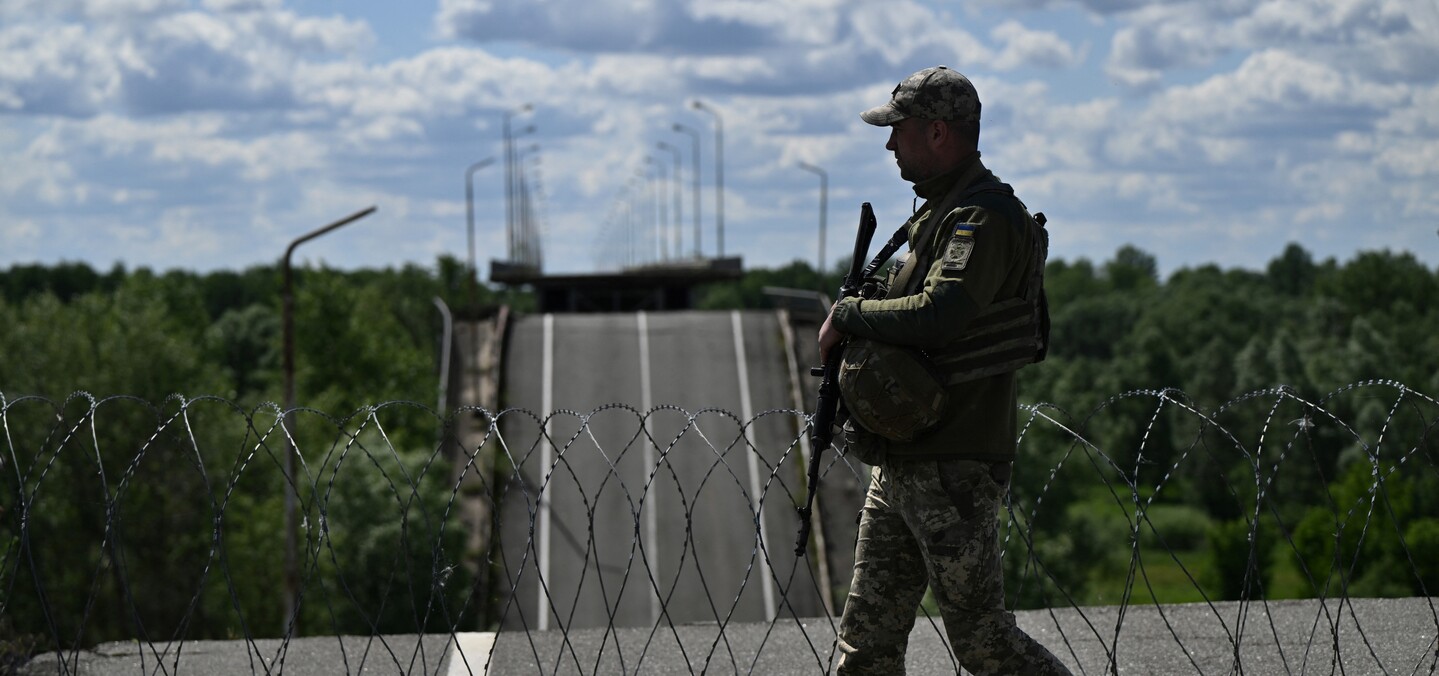
The recent damage inflicted by Ukrainian drones and missiles on Russia has made Belarus aware of its own vulnerabilities—and surprisingly amenable to Kyiv’s demands.

Artyom Shraibman
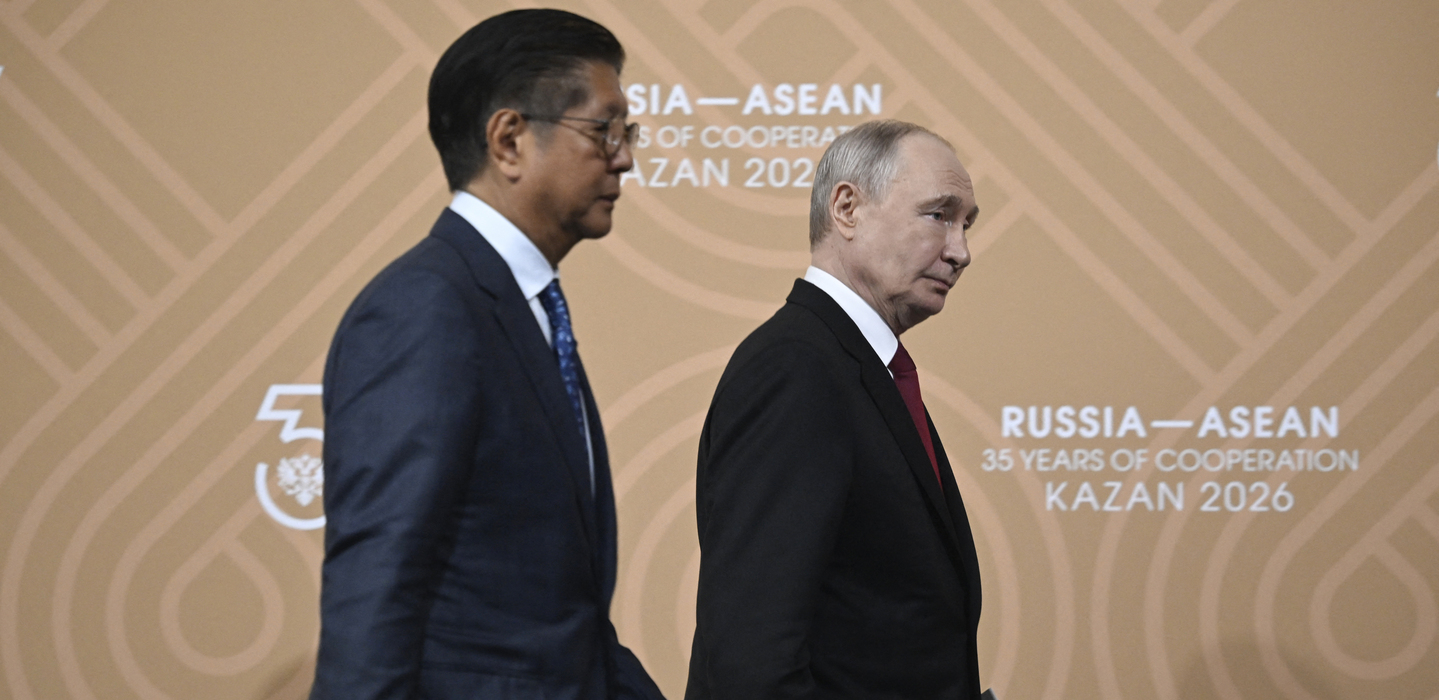
Russia looks set to reap economic benefits from closer ties with Southeast Asian countries that are keen to find reliable energy suppliers and diversify trade ties.

Alexander Gabuev