

Commentary
In the tenth year of his presidency, President Mirziyoyev’s system is becoming even more personalized than that of his predecessor Karimov.
Galiya Ibragimova
{
  "authors": [
    "Amr Hamzawy",
    "Mohammed Herzallah"
  ],
  "type": "legacyinthemedia",
  "centerAffiliationAll": "dc",
  "centers": [
    "Carnegie Endowment for International Peace"
  ],
  "collections": [],
  "englishNewsletterAll": "menaTransitions",
  "nonEnglishNewsletterAll": "",
  "primaryCenter": "Carnegie Endowment for International Peace",
  "programAffiliation": "MEP",
  "programs": [
    "Middle East"
  ],
  "projects": [],
  "regions": [
    "Middle East",
    "Egypt"
  ],
  "topics": [
    "Political Reform"
  ]
}
REQUIRED IMAGE
In view of the wave of social unrest and economic uncertainty debilitating Egyptian society today - as demonstrated by the latest rounds of violence between workers and security forces in the industrial city of Mehallah - the continued suppression of the Muslim Brotherhood is certain to aggravate conditions and lead to further instability in Egypt.
Source: The Daily Star
On April 8, Egypt held its local council elections after a two-year postponement. Alleging that the results of the elections were largely predetermined by the regime, the Muslim Brotherhood, the main opposition force in the country, announced on April 6 that it would be boycotting the elections. The Islamist movement also stepped up its confrontational rhetoric and called on all Egyptians to join the boycott. Mehdi Akef, the general guide of the Brotherhood, warned that the government's actions could trigger violence - although he was careful to emphasize his group's commitment to peaceful activism. Other leading figures in the Islamist movement echoed Akef's sentiment.
To preclude the opposition from achieving meaningful gains in the local elections, the Egyptian regime prevented the greatest number of opposition candidates from registering and running for local office. Around 1,000 opposition activists were arrested, primarily from the Muslim Brotherhood. Government administrators also blocked the registration of opposition candidates for local council seats. Of the more than 5,000 potential Brotherhood candidates, less than 500 were able to submit their candidacy papers. In the end, only around two dozen candidates affiliated with the Brotherhood were approved by the authorities. The remaining opposition groups only managed to put 1,000 candidates on the final lists.
The ruling National Democratic Party (NDP), on the other hand, had over 53,000 registered candidates for the 52,000 seats up for grabs. As expected, the elections ended with a sweeping 95 percent victory for the NDP.
Local councils have traditionally been dominated by members of the NDP and have little power and no direct impact on the political process. Nevertheless, the councils have acquired a slender measure of significance following recent constitutional amendments that stipulated that future independent presidential candidates (in other words those who are not members of registered political parties) must be sponsored by at least 140 local representatives. The Muslim Brotherhood was seen as the one movement most capable of launching a successful bid for Egypt's 2011 presidential election. To Egyptian authorities, this prospect presented a challenge and resulted in the postponement of local elections twice since 2006. This also explains why repressive methods have been progressively assuming a larger role in the regime's Brotherhood-containment policies.
In recent years, the Muslim Brotherhood has been carving out a substantial presence in Egypt's political order. It won approximately 20 percent of parliamentary seats in the 2005 legislative election. In spite of the limited impact of the Brotherhood's parliamentary activities, the movement's active political involvement has regularly tested the regime's grip on power.
The Brotherhood's initial response to violations in the conduct of local elections was to file thousands of lawsuits to reinstate its candidates. A majority of court decisions affirmed the movement's claims, but the government refused to respect the verdicts. Subsequently, the Brotherhood's commitment to legal recourse began to waver. Escalations in street protests against the regime led to further arrests, and were followed by the movement's decision to boycott the local elections.
In retrospect, the conflagration over local elections has chipped away at the agenda of those within the Islamist movement who favor pursuing its goals through democratic means. The Muslim Brotherhood's gains in the 2005 elections helped moderates and pragmatists within the movement - who are keen on advancing reforms through the legal political process - gain more traction in devising the Brotherhood's policies.
In view of the wave of social unrest and economic uncertainty debilitating Egyptian society today - as demonstrated by the latest rounds of violence between workers and security forces in the industrial city of Mehallah - the continued suppression of the Muslim Brotherhood is certain to aggravate conditions and lead to further instability in Egypt. Conservative leaders within the Brotherhood, who have traditionally been skeptical about political participation, are likely to accumulate more influence. Consequently, they could impel the movement to reconsider legal participation. This would be terribly regrettable for the country as a whole.
Amr Hamzawy is a senior associate at the Carnegie Endowment for International Peace. Mohammed J. Herzallah is a research fellow at the Carnegie Endowment for International Peace. They wrote this commentary for THE DAILY STAR.

Director, Middle East Program
Amr Hamzawy is a senior fellow and the director of the Carnegie Middle East Program. His research and writings focus on Egypt’s and other middle powers’ involvement in regional security in the Middle East, particularly through collective diplomacy and multilateral conflict resolution
Mohammed Herzallah
Former Junior Fellow, Middle East
Carnegie does not take institutional positions on public policy issues; the views represented herein are those of the author(s) and do not necessarily reflect the views of Carnegie, its staff, or its trustees.

In the tenth year of his presidency, President Mirziyoyev’s system is becoming even more personalized than that of his predecessor Karimov.

Galiya Ibragimova
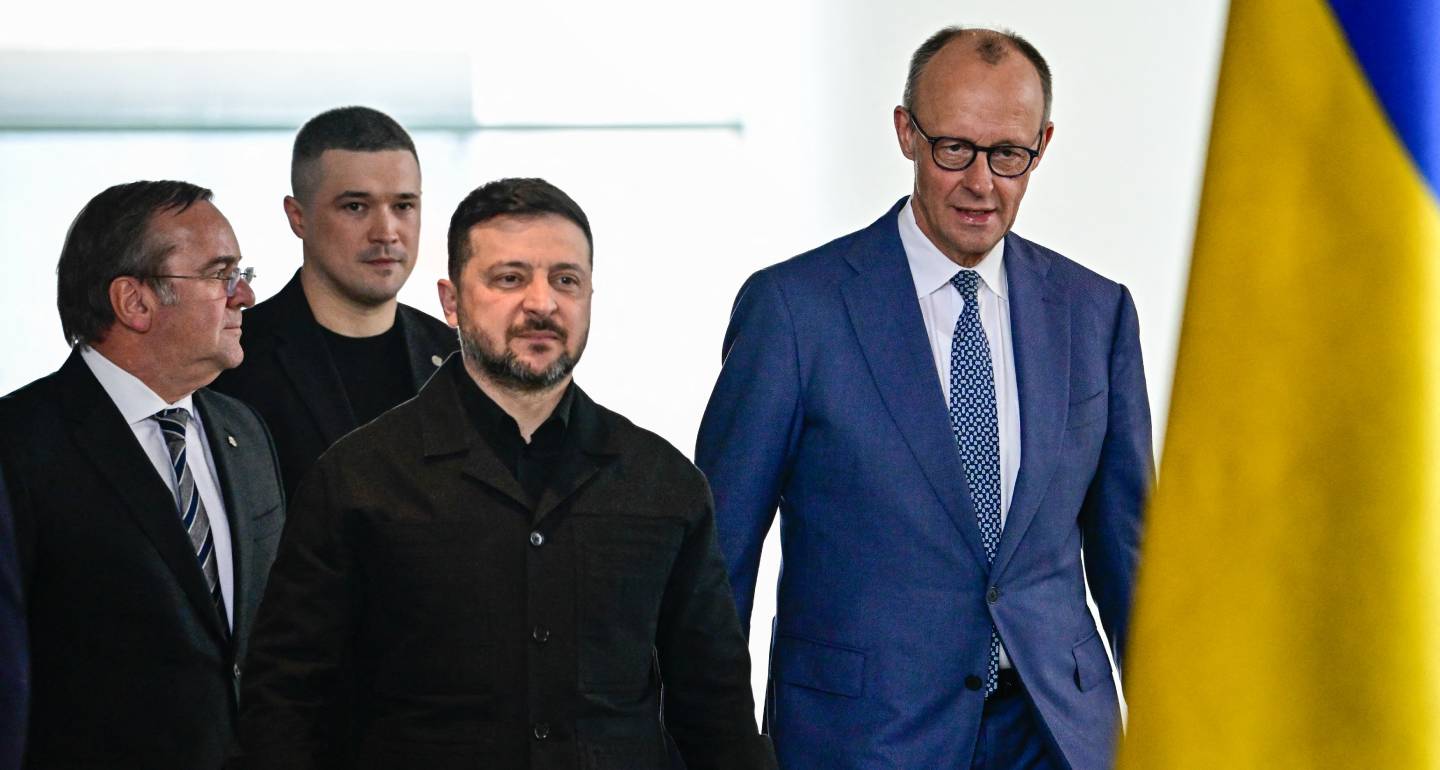
The greater threat to Zelensky comes not from Fedorov alone, but from the convergence between the former defense minister’s political campaign and the anti-corruption investigations moving ever closer to the presidential administration.

Balázs Jarábik
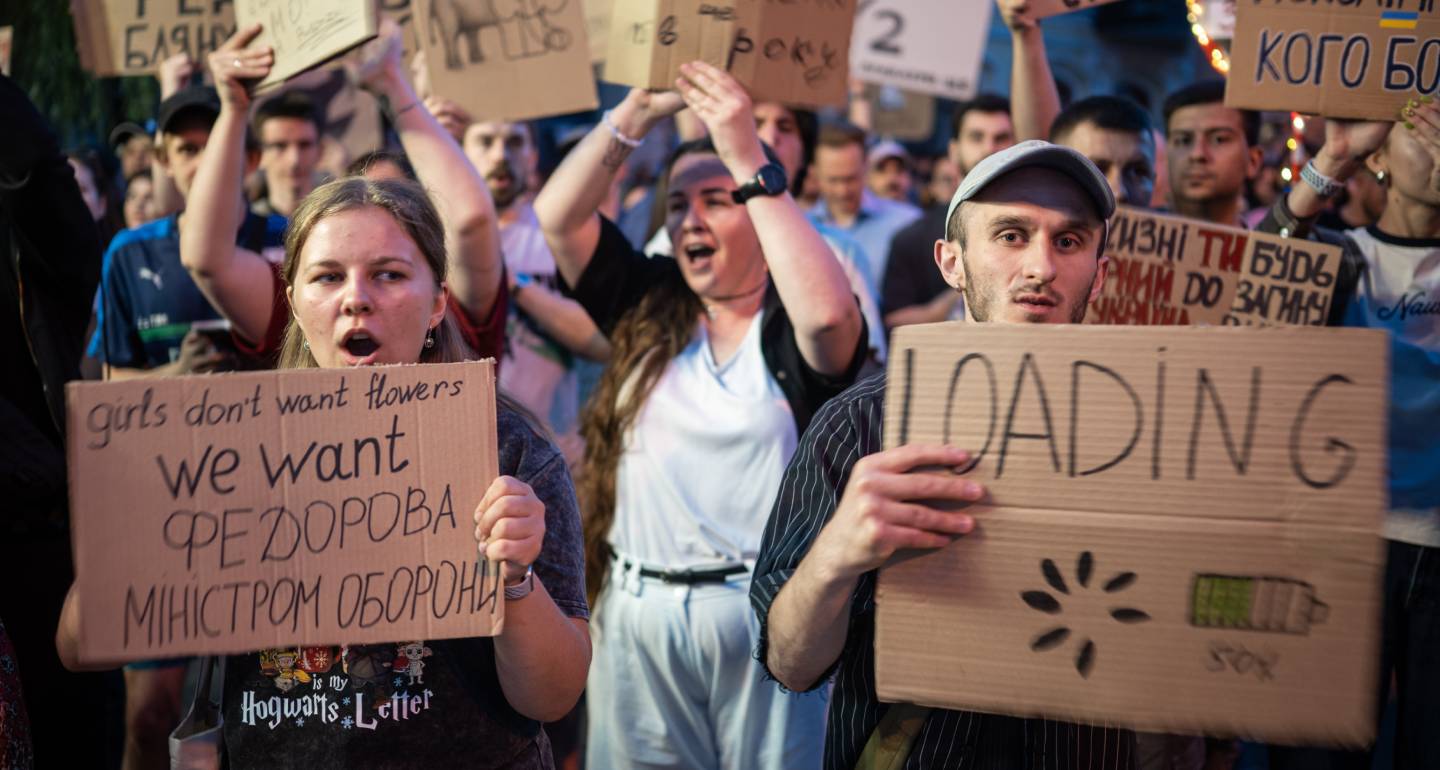
With his public call for new elections in Ukraine, ex-defense minister Mykhailo Fedorov has opened Pandora’s box.

Konstantin Skorkin
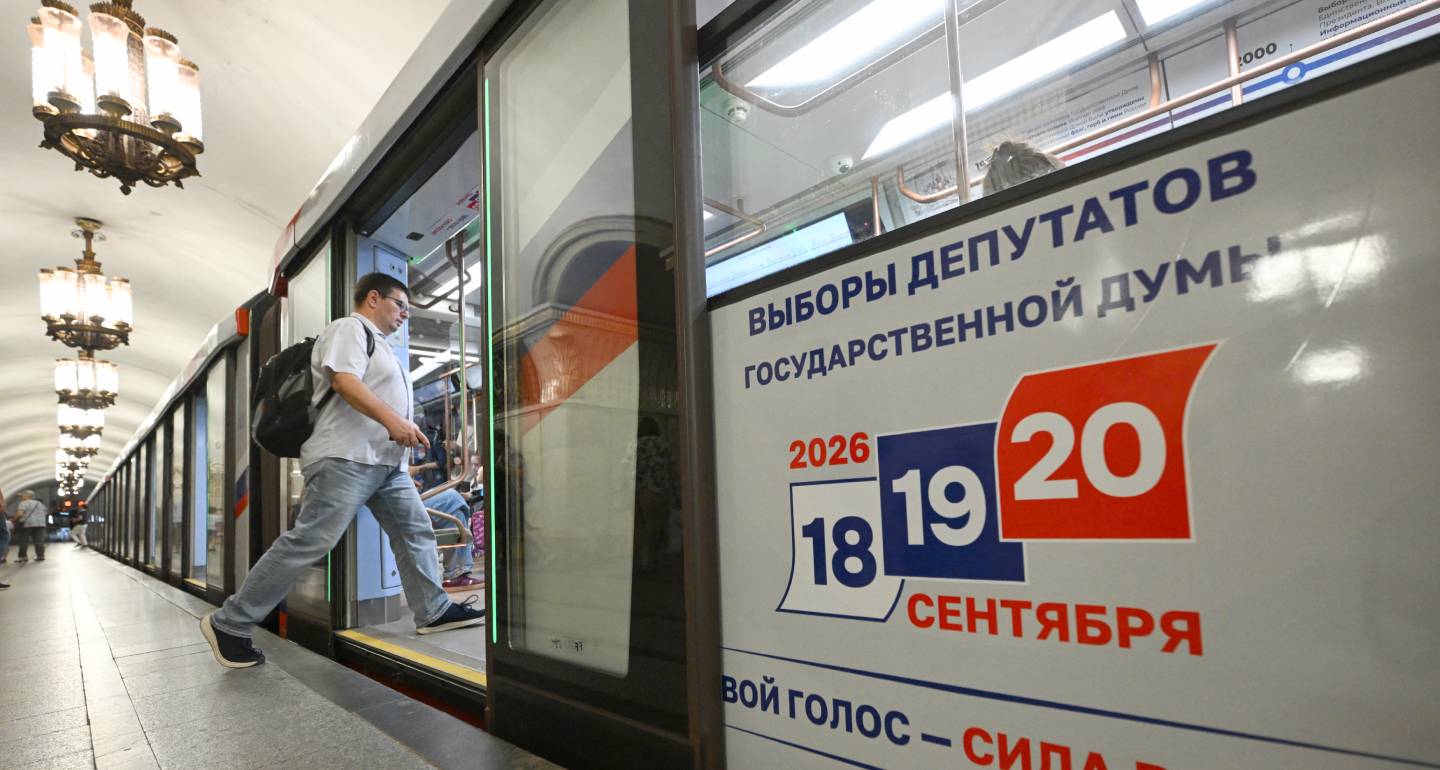
In the discussions made possible by the State Duma election campaign, one question is being asked more and more loudly. “What next?”

Andrey Pertsev

Two divergent trends—Putin’s hardline vision of how to prosecute the war in Ukraine, and a growing desire for change in Russia—could tear the regime apart.

Tatiana Stanovaya