

Commentary
Arms supplies from Russia to Iran will not only continue, but could grow significantly if Russia gets the opportunity.
Nikita Smagin
{
  "authors": [],
  "type": "pressRelease",
  "centerAffiliationAll": "dc",
  "centers": [
    "Carnegie Endowment for International Peace"
  ],
  "collections": [],
  "englishNewsletterAll": "ctw",
  "nonEnglishNewsletterAll": "",
  "primaryCenter": "Carnegie Endowment for International Peace",
  "programAffiliation": "SCP",
  "programs": [
    "Sustainability, Climate, and Geopolitics"
  ],
  "projects": [],
  "regions": [
    "North America",
    "United States"
  ],
  "topics": []
}
REQUIRED IMAGE
ExxonMobil announced that it will contribute $500,000 to support the Carnegie Endowment for International Peace’s New Vision of pioneering the first global think tank.
WASHINGTON, June 5—ExxonMobil today announced that it will contribute $500,000 to support the Carnegie Endowment for International Peace’s New Vision of pioneering the first global think tank.
“We are immensely grateful to ExxonMobil for its generous support of and investment in the Endowment’s New Vision. With offices now up and running in China, Russia, the Middle East, Europe and the United States, this financial support is a further endorsement of the mission we are pursuing,” said Jessica T. Mathews, President of the Carnegie Endowment.
“ExxonMobil is proud to support the Carnegie Endowment for International Peace with a major contribution to its New Vision initiative. For years the Endowment has sought greater understanding and cooperation around the world. We hope that our contribution will enable Carnegie to continue and enhance this important work,” said Rex W. Tillerson, Chairman and Chief Executive Officer, Exxon Mobil Corporation.
Through its New Vision, Carnegie aims to promote sustained, international collaboration by developing improved understanding in the United States of thinking in other countries and regions; developing deeper understanding abroad of U.S. thinking; and developing, on both sides, a critical mass of research-based insights on vital issues.
Carnegie’s leading experts on international affairs, from nonproliferation to democracy promotion, produce first-rate, independent research to help policy makers formulate better courses of action.
Carnegie is the only think tank with a commitment to fluency in relevant languages and to publishing in hard copy and on the web in Russian, Chinese and Arabic, as well as other languages where appropriate.
###
NOTES
Carnegie does not take institutional positions on public policy issues; the views represented herein are those of the author(s) and do not necessarily reflect the views of Carnegie, its staff, or its trustees.
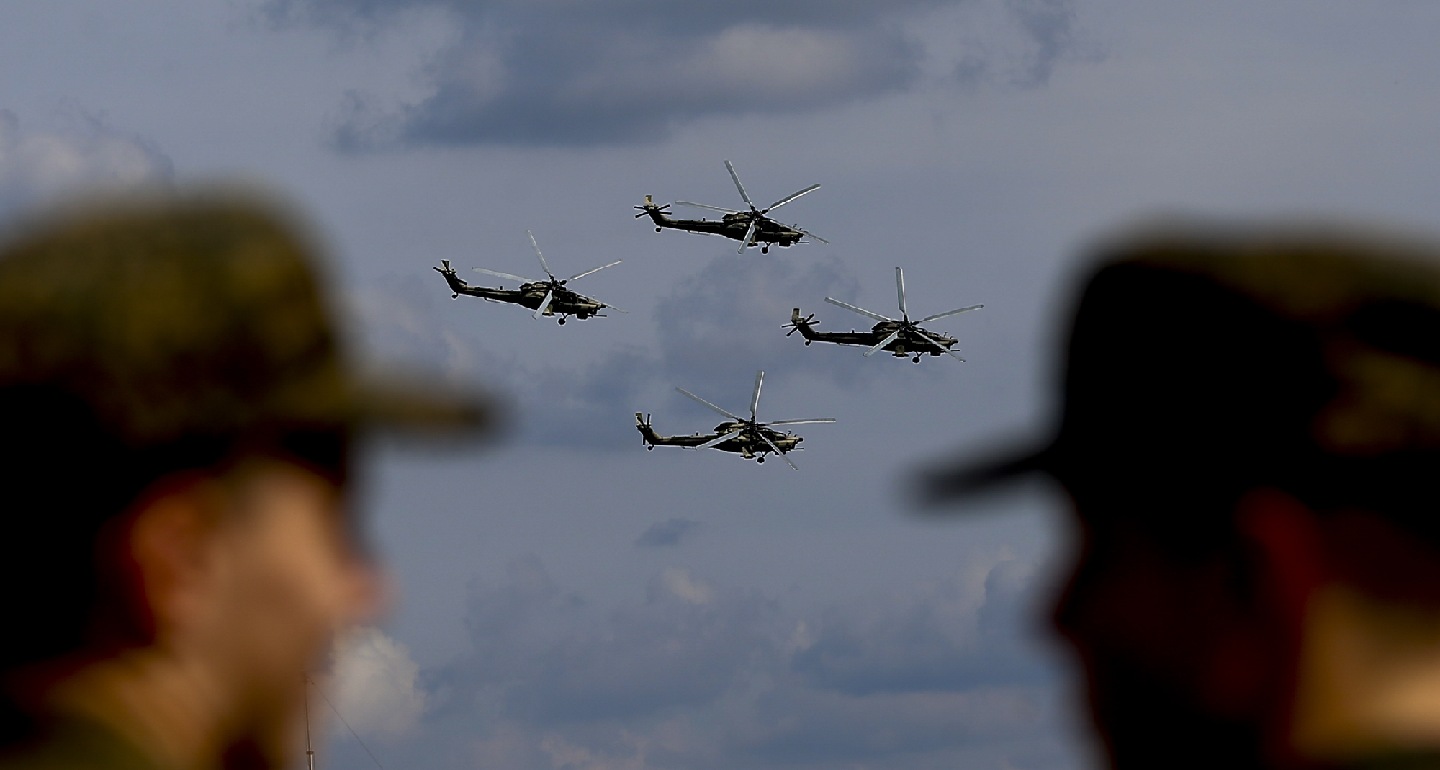
Arms supplies from Russia to Iran will not only continue, but could grow significantly if Russia gets the opportunity.

Nikita Smagin

The supposed threats from China and Russia pose far less of a danger to both Greenland and the Arctic than the prospect of an unscrupulous takeover of the island.
Andrei Dagaev

Western negotiators often believe territory is just a bargaining chip when it comes to peace in Ukraine, but Putin is obsessed with empire-building.

Andrey Pertsev
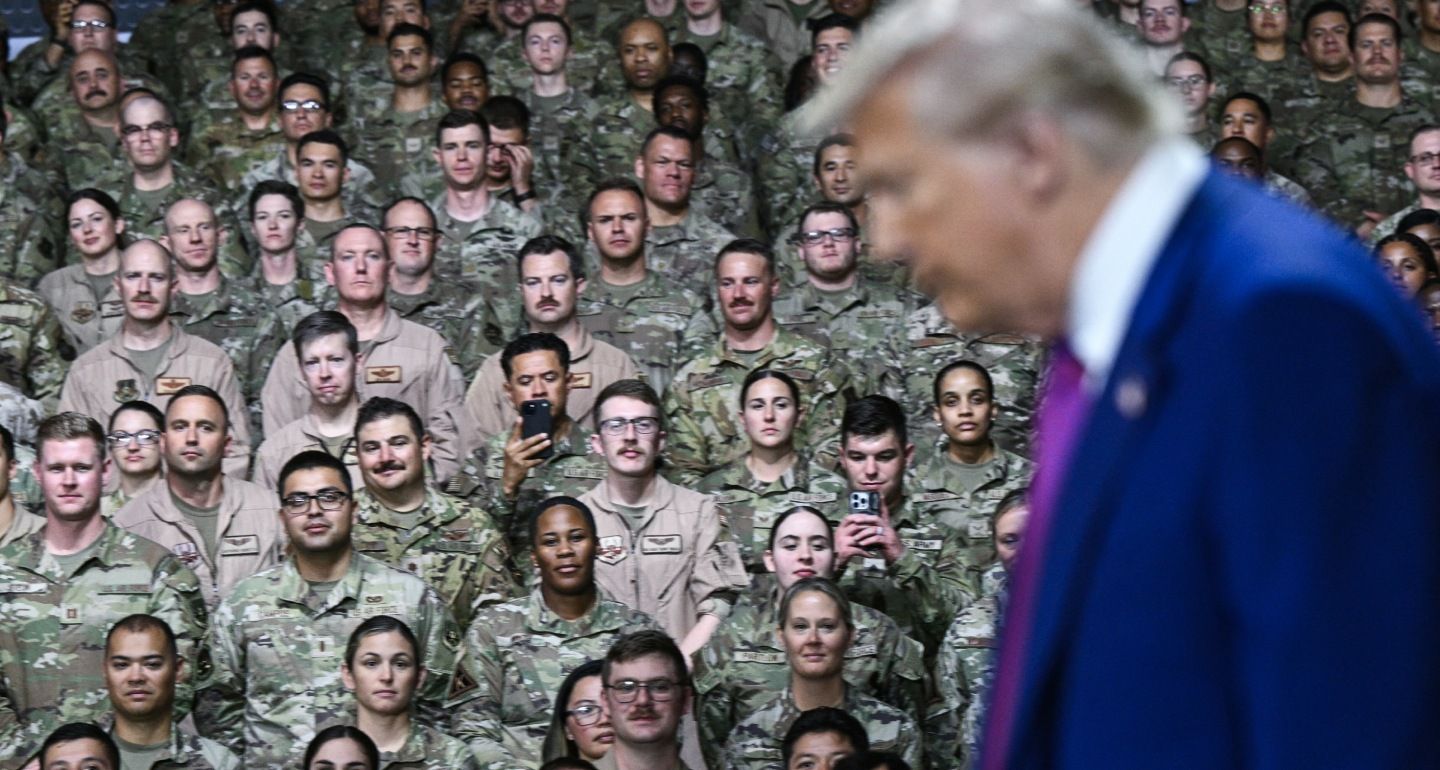
Unexpectedly, Trump’s America appears to have replaced Putin’s Russia’s as the world’s biggest disruptor.

Alexander Baunov
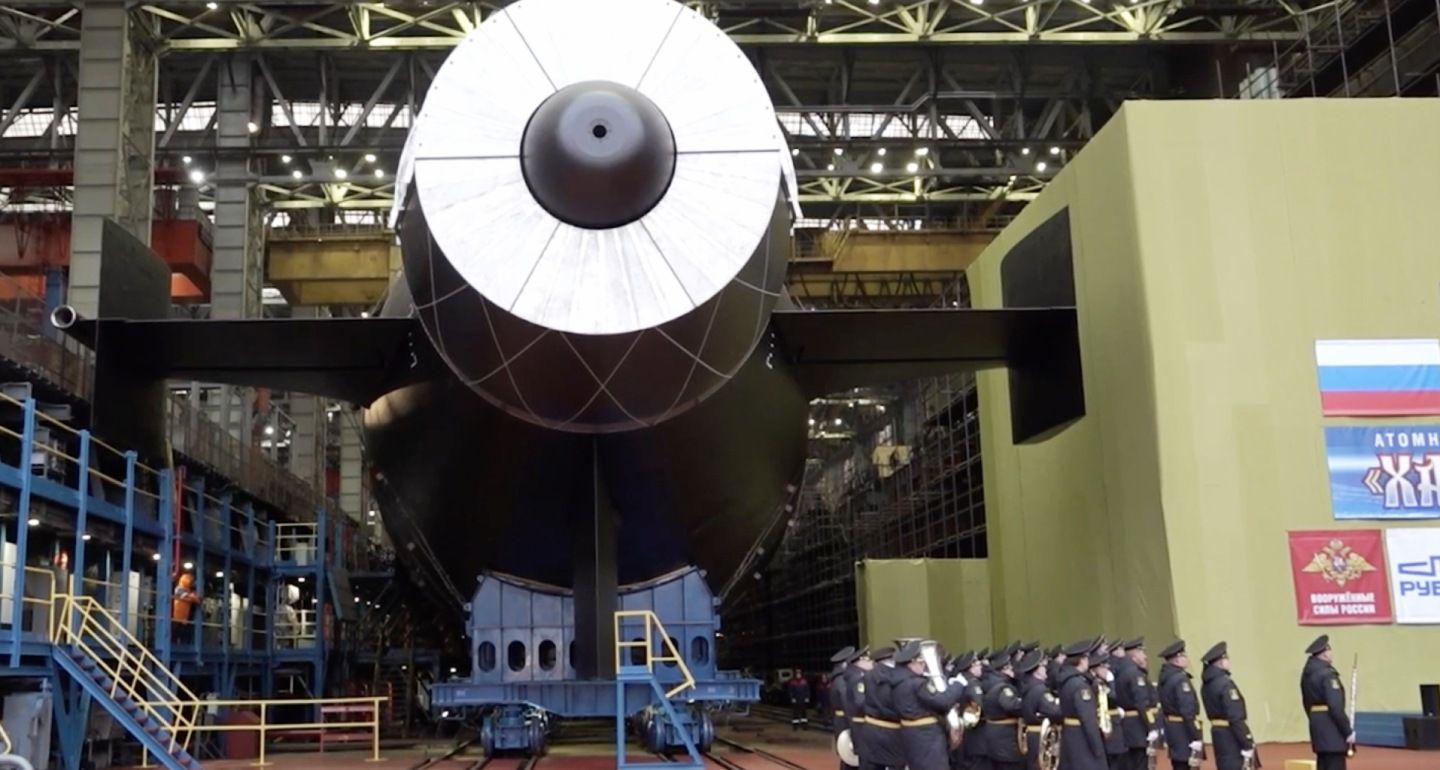
The Kremlin will only be prepared to negotiate strategic arms limitations if it is confident it can secure significant concessions from the United States. Otherwise, meaningful dialogue is unlikely, and the international system of strategic stability will continue to teeter on the brink of total collapse.
Maxim Starchak