

In The Media
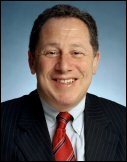
David Rothkopf
{
  "authors": [
    "David Rothkopf"
  ],
  "type": "legacyinthemedia",
  "centerAffiliationAll": "",
  "centers": [
    "Carnegie Endowment for International Peace"
  ],
  "collections": [],
  "englishNewsletterAll": "",
  "nonEnglishNewsletterAll": "",
  "primaryCenter": "Carnegie Endowment for International Peace",
  "programAffiliation": "",
  "programs": [],
  "projects": [],
  "regions": [
    "North America",
    "United States",
    "South America"
  ],
  "topics": [
    "Economy",
    "Trade"
  ]
}
Source: Getty
As the U.S. government steps in to rescue the financial system, Latin American leaders are using the crisis to justify their own leftist policies, claiming the United States' free-market approach has collapsed. But some U.S. scholars see a middle ground; future regulation may help guide markets on the national and even the global stage, without completely departing from the free market system.
Source: NPR's All Things Considered

Latin American governments that have not adhered to the free-market “Washington Consensus” in now feel a certain sense of vindication as the flaws of free-market fundamentalism have become increasingly evident. While most U.S. experts believe that some form of free-market system is still the best option for the future, there is an increasing consensus in favor or greater regulation. As Rothkopf sees it, this moment marks a watershed in economic philosophy, when the hands-off approach of the past 25 years will give way to a new era—one where greater a governmental role in the economy may even include some forms of economic regulation on the global stage.
Click here for the full story.
Former Visiting Scholar
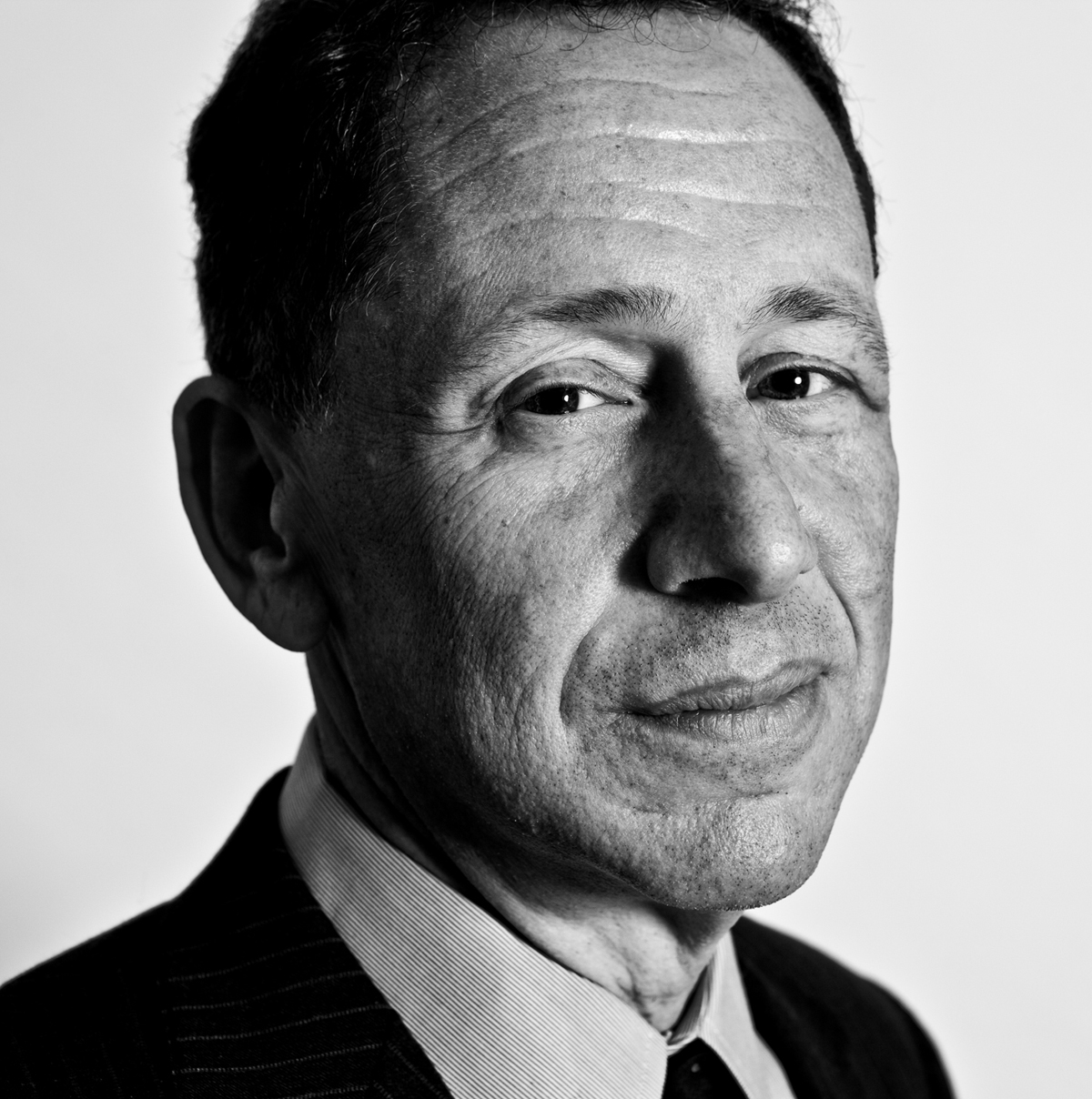
David Rothkopf was a visiting scholar at the Carnegie Endowment as well as the former CEO and editor in chief of the FP Group.
Recent Work
David Rothkopf
David Rothkopf
Carnegie does not take institutional positions on public policy issues; the views represented herein are those of the author(s) and do not necessarily reflect the views of Carnegie, its staff, or its trustees.
With the White House only interested in economic dealmaking, Georgia finds itself eclipsed by what Armenia and Azerbaijan can offer.

Bashir Kitachaev

Arms supplies from Russia to Iran will not only continue, but could grow significantly if Russia gets the opportunity.

Nikita Smagin

The Russian army is not currently struggling to recruit new contract soldiers, though the number of people willing to go to war for money is dwindling.

Dmitry Kuznets

What should happen when sanctions designed to weaken the Belarusian regime end up enriching and strengthening the Kremlin?

Denis Kishinevsky
The supposed threats from China and Russia pose far less of a danger to both Greenland and the Arctic than the prospect of an unscrupulous takeover of the island.
Andrei Dagaev