

Commentary
Most of Moscow’s military resources are tied up in Ukraine, while Beijing’s foreign policy prioritizes economic ties and avoids direct conflict.
Alexander Gabuev, Temur Umarov
{
  "authors": [],
  "type": "pressRelease",
  "centerAffiliationAll": "dc",
  "centers": [
    "Carnegie Endowment for International Peace"
  ],
  "collections": [
    "U.S. Nuclear Policy"
  ],
  "englishNewsletterAll": "ctw",
  "nonEnglishNewsletterAll": "",
  "primaryCenter": "Carnegie Endowment for International Peace",
  "programAffiliation": "NPP",
  "programs": [
    "Nuclear Policy"
  ],
  "projects": [],
  "regions": [
    "North America",
    "United States"
  ],
  "topics": [
    "Foreign Policy",
    "Nuclear Policy",
    "Nuclear Energy"
  ]
}
REQUIRED IMAGE
Efforts to re-invigorate a movement to abolish nuclear weapons are rising on the international agenda. For states without weapons, talk of nuclear disarmament is embraced as a welcome change, but viewed with skepticism. The next U.S. president should emphasize the goal of a world without nuclear weapons, explains George Perkovich in a new report.

WASHINGTON, Oct 21—Efforts to re-invigorate a movement to abolish nuclear weapons are rising on the international agenda, made clear in statements by the U.S. presidential candidates, British and Indian leaders, and a campaign led by former U.S. officials. For states without weapons, talk of nuclear disarmament is embraced as a welcome change, but viewed with skepticism. The next U.S. president should emphasize the goal of a world without nuclear weapons, explains George Perkovich in a new report.
Perkovich outlines four security areas where the long-term project of abolishing nuclear weapons would best serve U.S. interests: preventing proliferation, preventing nuclear terrorism, reducing toward zero the threat of nuclear annihilation, and fostering new optimism for U.S. global leadership.
Requirements for abolition of nuclear weapons include:
Perkovich concludes:
“The elimination of all nuclear arsenals is not an end in itself. It is a means to global security. The verification and security conditions that would be required to enable the abolition of nuclear weapons are all conducive to a more secure world. Therefore, the goal of abolishing nuclear weapons can be a beneficial organizing principle of the national security policies of major states. The next U.S. administration should be one of its champions.”
###

Carnegie does not take institutional positions on public policy issues; the views represented herein are those of the author(s) and do not necessarily reflect the views of Carnegie, its staff, or its trustees.
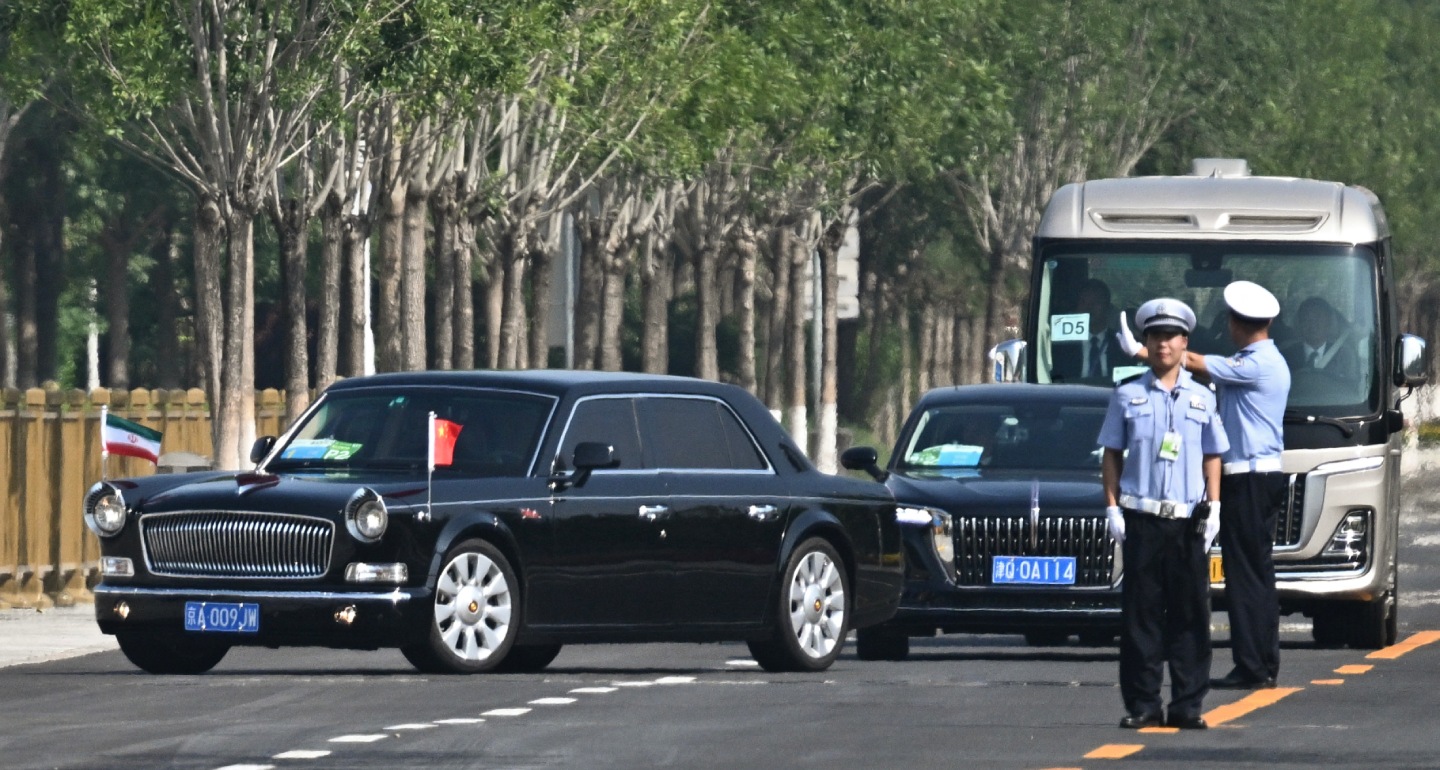
Most of Moscow’s military resources are tied up in Ukraine, while Beijing’s foreign policy prioritizes economic ties and avoids direct conflict.


Alexander Gabuev, Temur Umarov
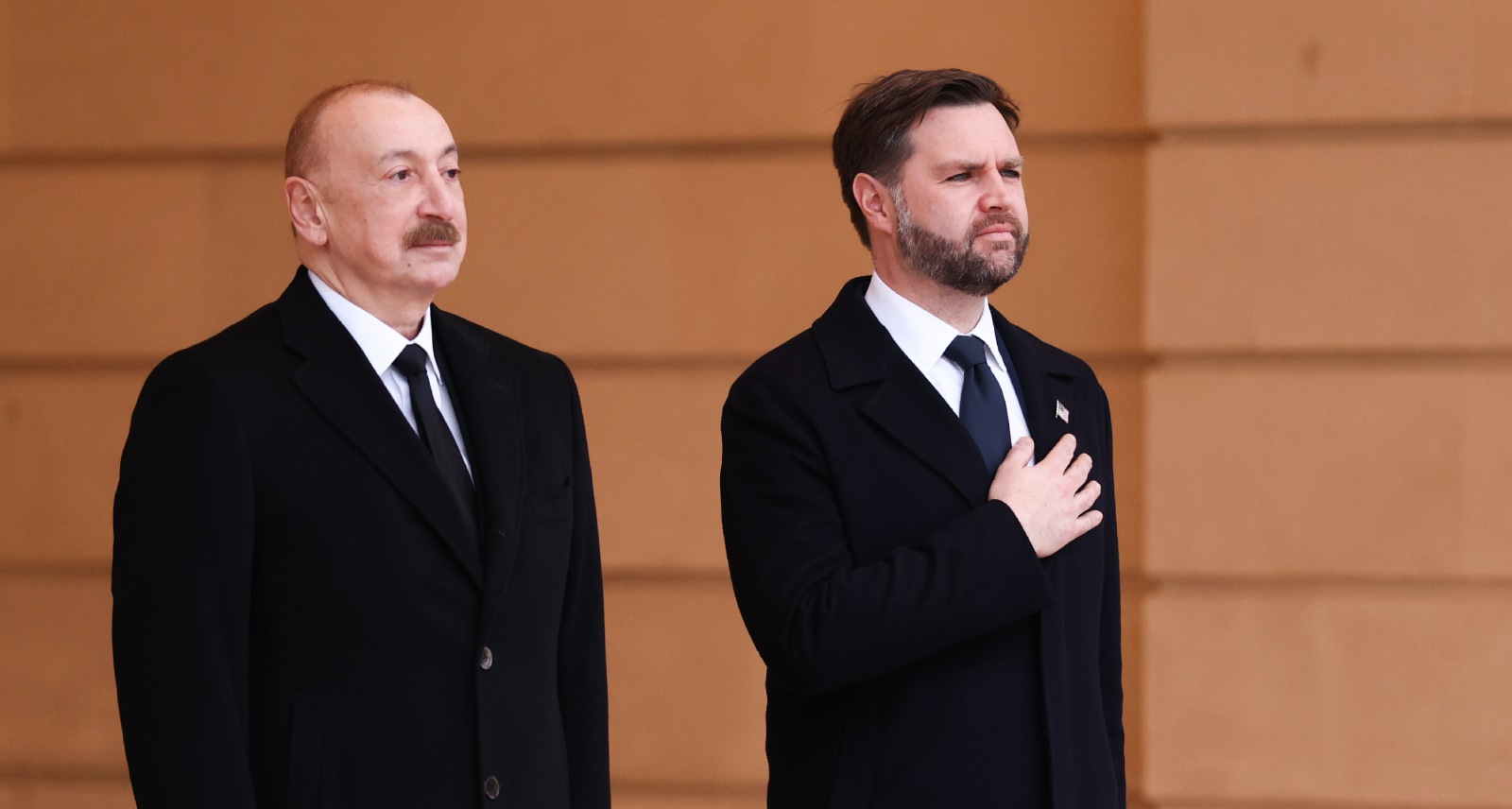
With the White House only interested in economic dealmaking, Georgia finds itself eclipsed by what Armenia and Azerbaijan can offer.

Bashir Kitachaev
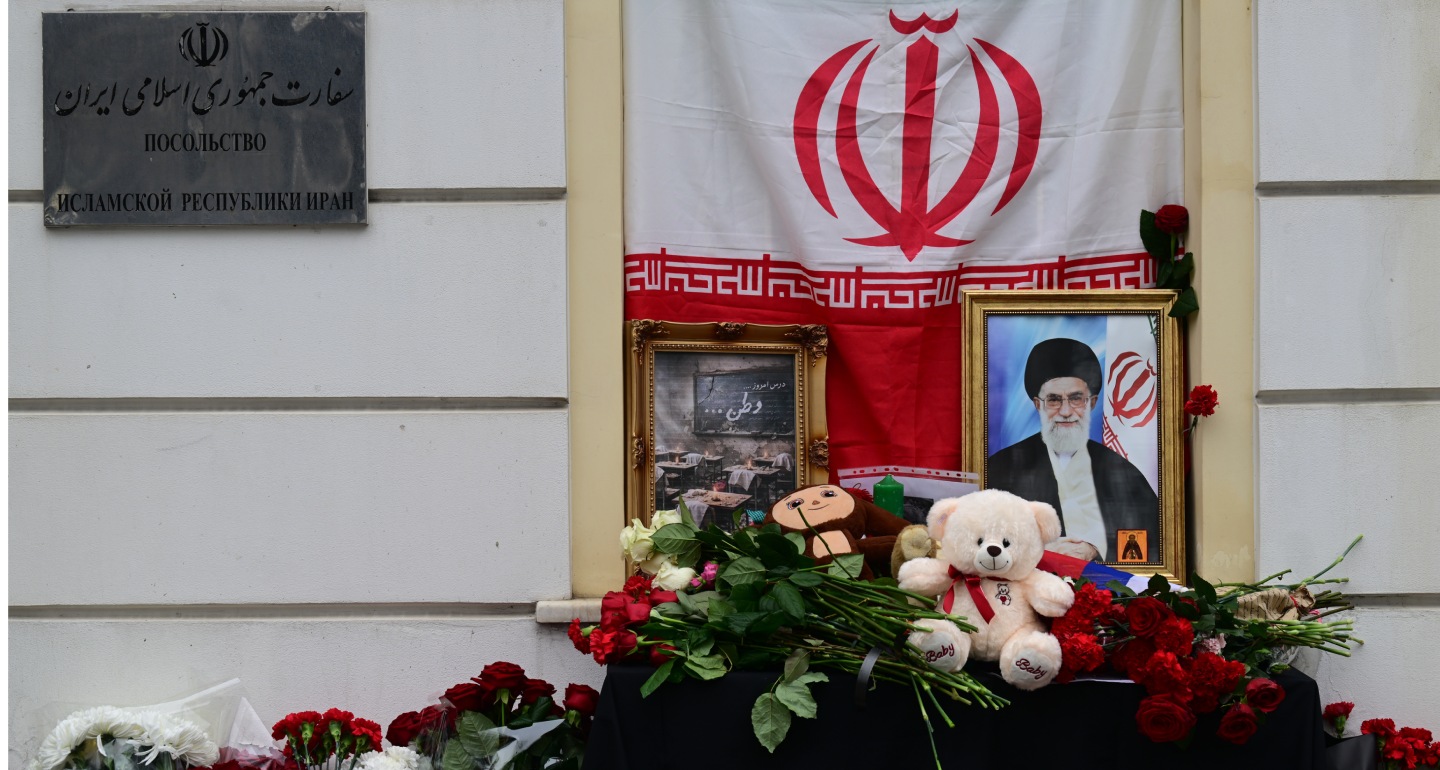
If the regime in Tehran survives, it could be obliged to hand Moscow significant political influence in exchange for supplies of weapons and humanitarian aid.

Nikita Smagin

The interventions in Iran and Venezuela are in keeping with Trump’s strategy of containing China, but also strengthen Russia’s position.

Mikhail Korostikov
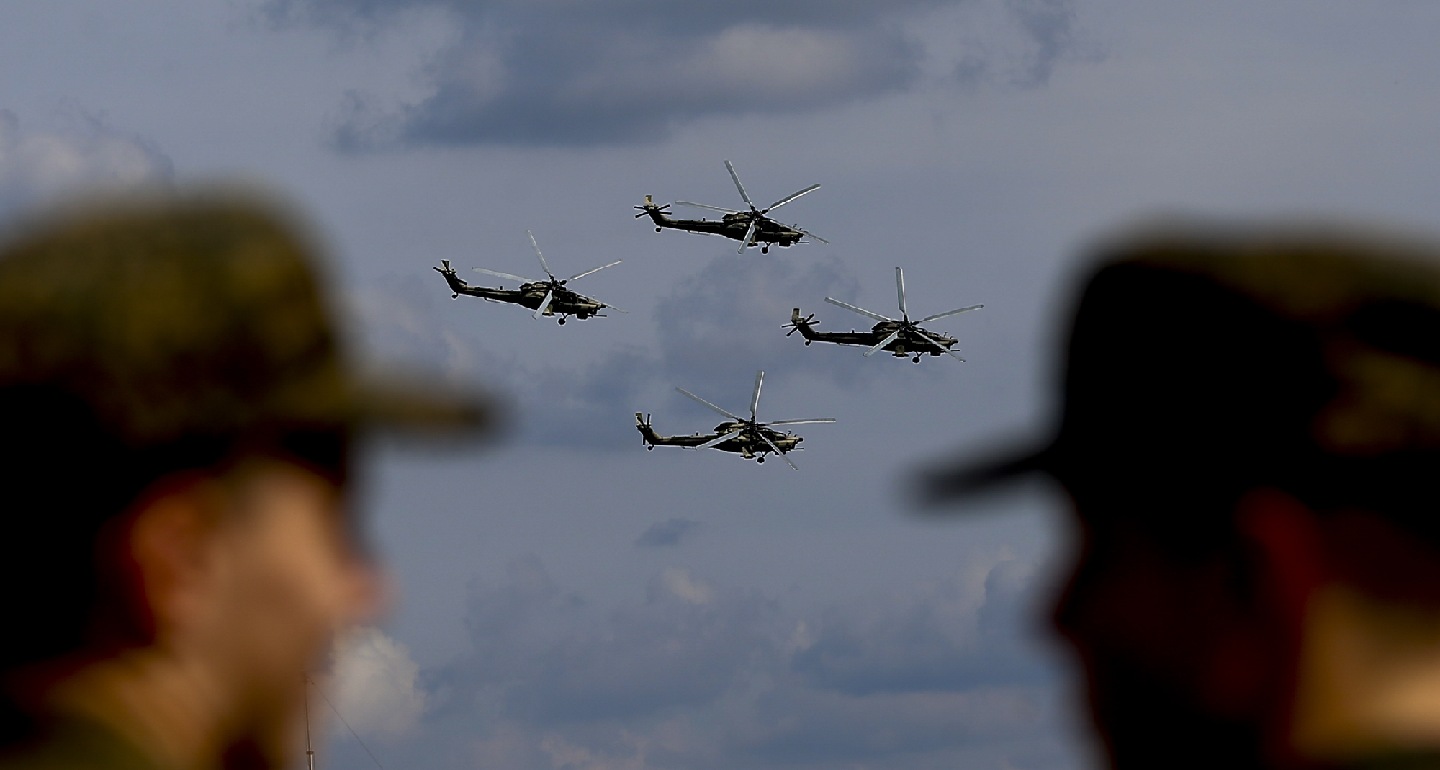
Arms supplies from Russia to Iran will not only continue, but could grow significantly if Russia gets the opportunity.
Nikita Smagin