

Commentary
Ongoing uncertainty in the Middle East allows Moscow to both increase its influence in Tehran and continue to enjoy the financial windfall of higher oil prices.
Nikita Smagin
{
  "authors": [],
  "type": "pressRelease",
  "centerAffiliationAll": "",
  "centers": [
    "Carnegie Endowment for International Peace"
  ],
  "collections": [],
  "englishNewsletterAll": "",
  "nonEnglishNewsletterAll": "",
  "primaryCenter": "Carnegie Endowment for International Peace",
  "programAffiliation": "",
  "programs": [],
  "projects": [],
  "regions": [
    "North America",
    "United States"
  ],
  "topics": []
}
REQUIRED IMAGE
The Carnegie Endowment for International Peace is pleased to announce the sale of its award-winning magazine, Foreign Policy, to The Washington Post Company.
WASHINGTON, Sept 29—The Carnegie Endowment for International Peace is pleased to announce the sale of its award-winning magazine, Foreign Policy, to The Washington Post Company.
Announcing the move, Jessica T. Mathews, president of the Endowment said:
“Since its founding in 1910 the Carnegie Endowment has made a tradition of recognizing when its initiatives reach a point where they need new circumstances to continue to grow. A good example is the departure of the Endowment’s migration program in 2001. The program had grown so large that it needed to stand on its own. As the independent Migration Policy Institute (MPI), it has since become an internationally known success.
The same has become true of Foreign Policy magazine. Ten years ago we set out to turn a good professional journal into a new kind of magazine for a much wider circle of readers. Under Moises Naím’s inspired direction, we have done so with numerous awards for editorial excellence, an expanding readership and many international editions. Now Foreign Policy, too, needs a wider horizon that only a commercial publisher can provide.
“We are extremely proud that the magazine’s achievements and great future potential have been recognized by The Washington Post Company. In terms of brand, editorial values and business strengths it is simply impossible to imagine a better home for Foreign Policy.”
Moises Naím, Foreign Policy’s editor-in-chief said:
“FP would have not grown into the successful operation it is today without the unwavering support of the Carnegie Endowment. It is indeed bittersweet to part with such a generous and prestigious organization. But with the backing of The Washington Post Company, FP will be even better placed to deliver and grow the unique coverage and analysis of the ideas and issues shaping our world for which the magazine has become well known".
###

Carnegie does not take institutional positions on public policy issues; the views represented herein are those of the author(s) and do not necessarily reflect the views of Carnegie, its staff, or its trustees.

Ongoing uncertainty in the Middle East allows Moscow to both increase its influence in Tehran and continue to enjoy the financial windfall of higher oil prices.

Nikita Smagin
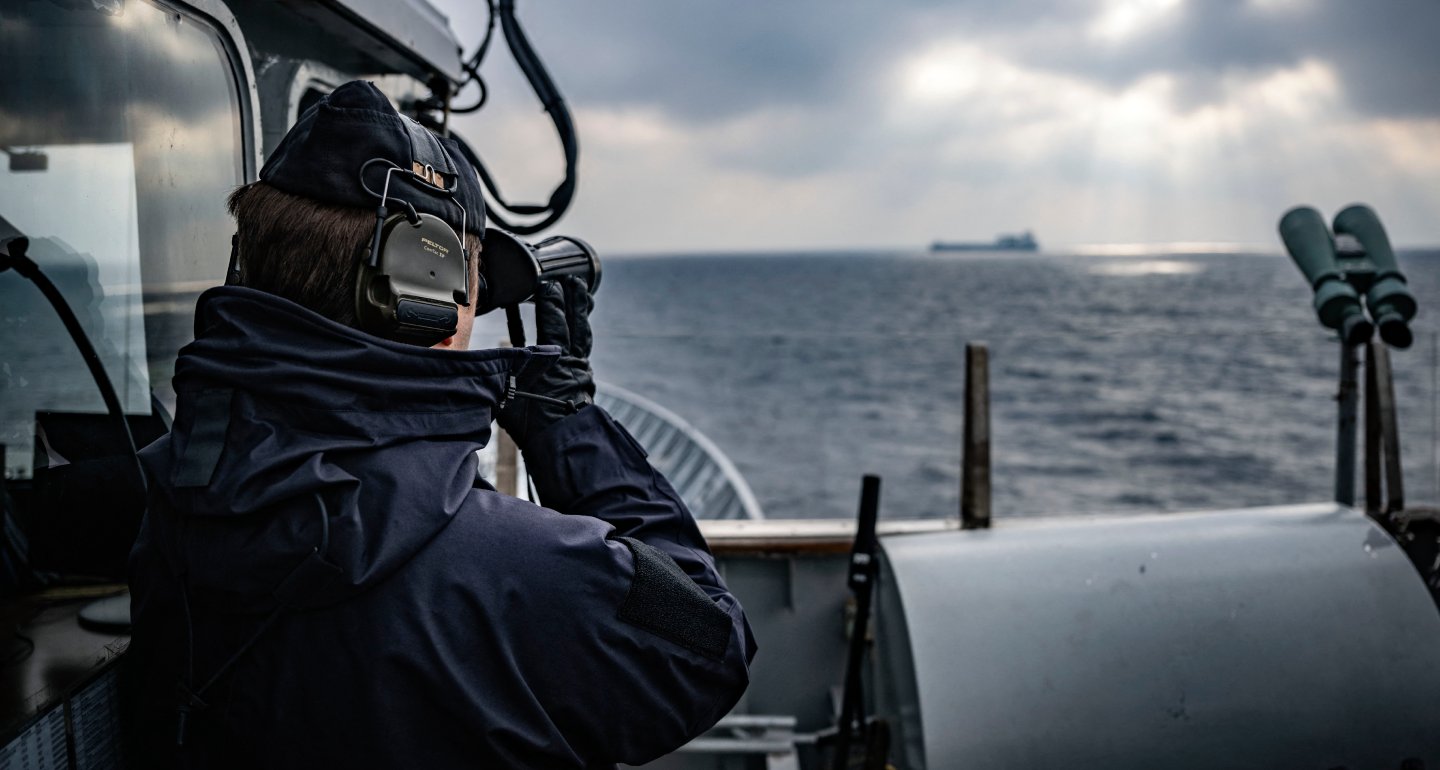
Governments in Estonia, Latvia, and Lithuania want to ensure that a U.S. military withdrawal would not leave them dangerously exposed to a Russian attack.

Sergejs Potapkins

The Russian leadership wants to avoid a dangerous precedent in which it is squeezed out of Iran by the United States and Israel—and left powerless to respond in any meaningful way.
Nikita Smagin
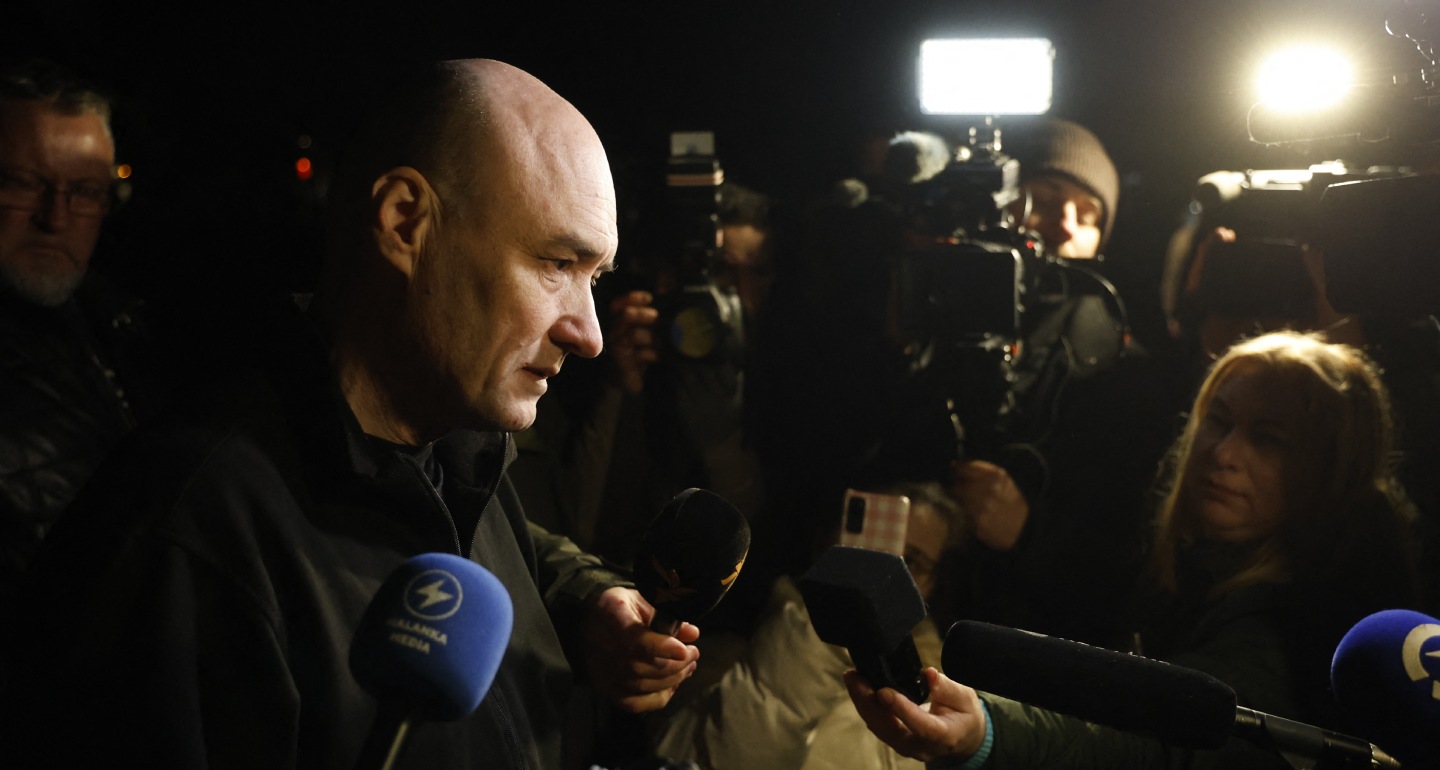
Lukashenko is willing to make big sacrifices for an invitation to Mar-a-Lago or the White House. He also knows that the clock is ticking: he must squeeze as much out of the Trump administration as he can before congressional elections in November leave Trump hamstrung or distracted.

Artyom Shraibman
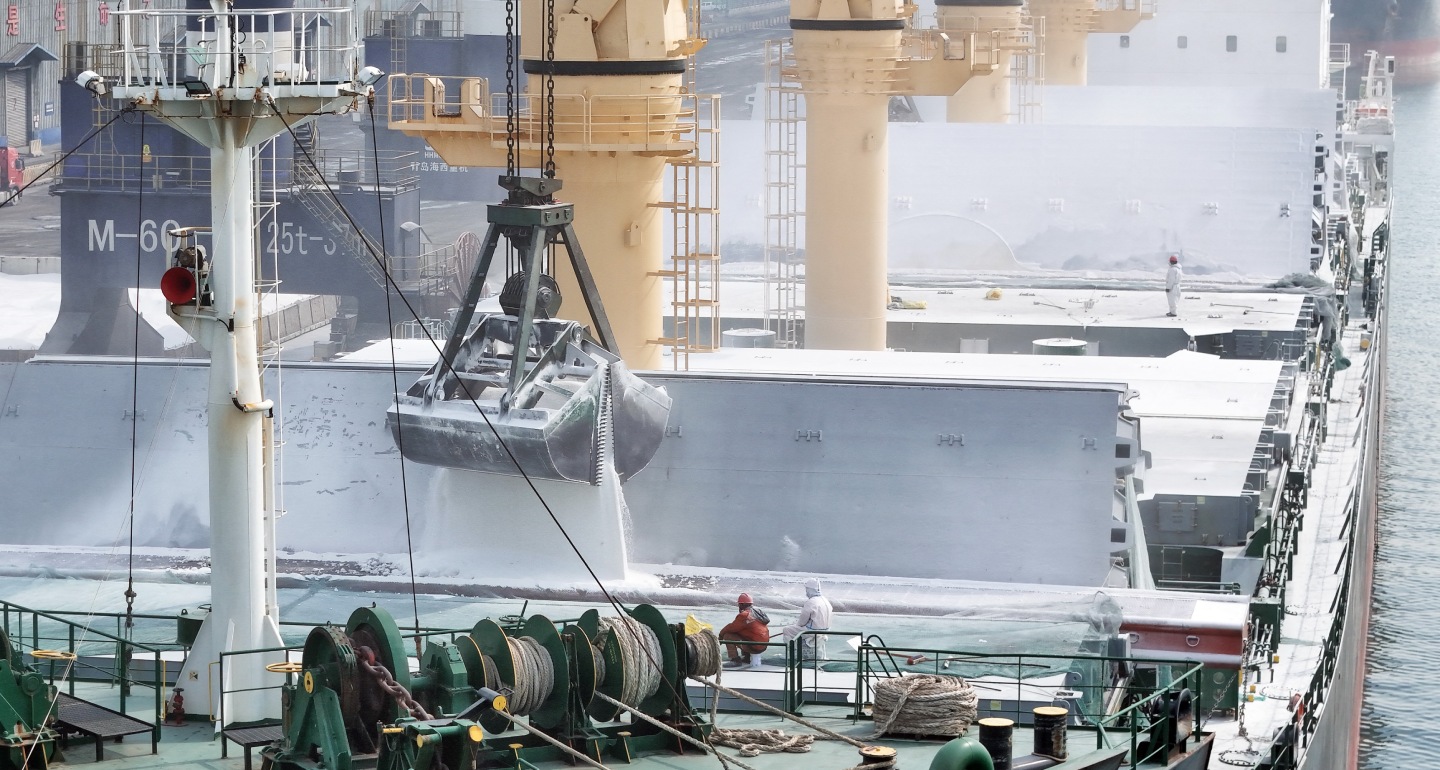
The Kremlin expects to not only profit from rising fertilizer prices but also exact revenge for the collapse of the 2023 grain deal.

Alexandra Prokopenko