

In The Media
Lilia Shevtsova
{
  "authors": [
    "Lilia Shevtsova"
  ],
  "type": "legacyinthemedia",
  "centerAffiliationAll": "",
  "centers": [
    "Carnegie Endowment for International Peace",
    "Carnegie Russia Eurasia Center"
  ],
  "collections": [],
  "englishNewsletterAll": "",
  "nonEnglishNewsletterAll": "",
  "primaryCenter": "Carnegie Russia Eurasia Center",
  "programAffiliation": "",
  "programs": [],
  "projects": [],
  "regions": [
    "Caucasus",
    "Russia"
  ],
  "topics": [
    "Foreign Policy"
  ]
}
Source: Getty
Russia’s actions in the Russia-Georgia conflict proved that for the Kremlin, foreign policy is the crucial means of carrying out its domestic agenda. For the political elite, this agenda maintains the status quo. However, such a policy is unlikely to stand. Should Russia be unable to start to reform it risks collapse and repeating the end of the Soviet Union.
Source: The World Today

While this conflict has achieved this aim of maintaining a status quo and served as a unifying event for Russian citizens, it also faces a current challenge. The problem lies in Russia’s next step. Because the elite is a rentier class feeding off energy sales to the west, they have no interest in further escalation of the confrontation, as this would threaten their personal inclusion in the west and this is the new element in the old matrix. But, at the same time, they cannot abandon the anti-western means of consolidating Russia.
The country is approaching a new moment of truth when the elite discovers that the petro-economy no longer works and maintaining mobilisation at the enemy’s expense has become infinitely more difficult. It is unclear whether it will be able to start to reform the predatory state before it collapses and Russia repeats the end of the Soviet Union.
The article first appeared in The World Today magazine.
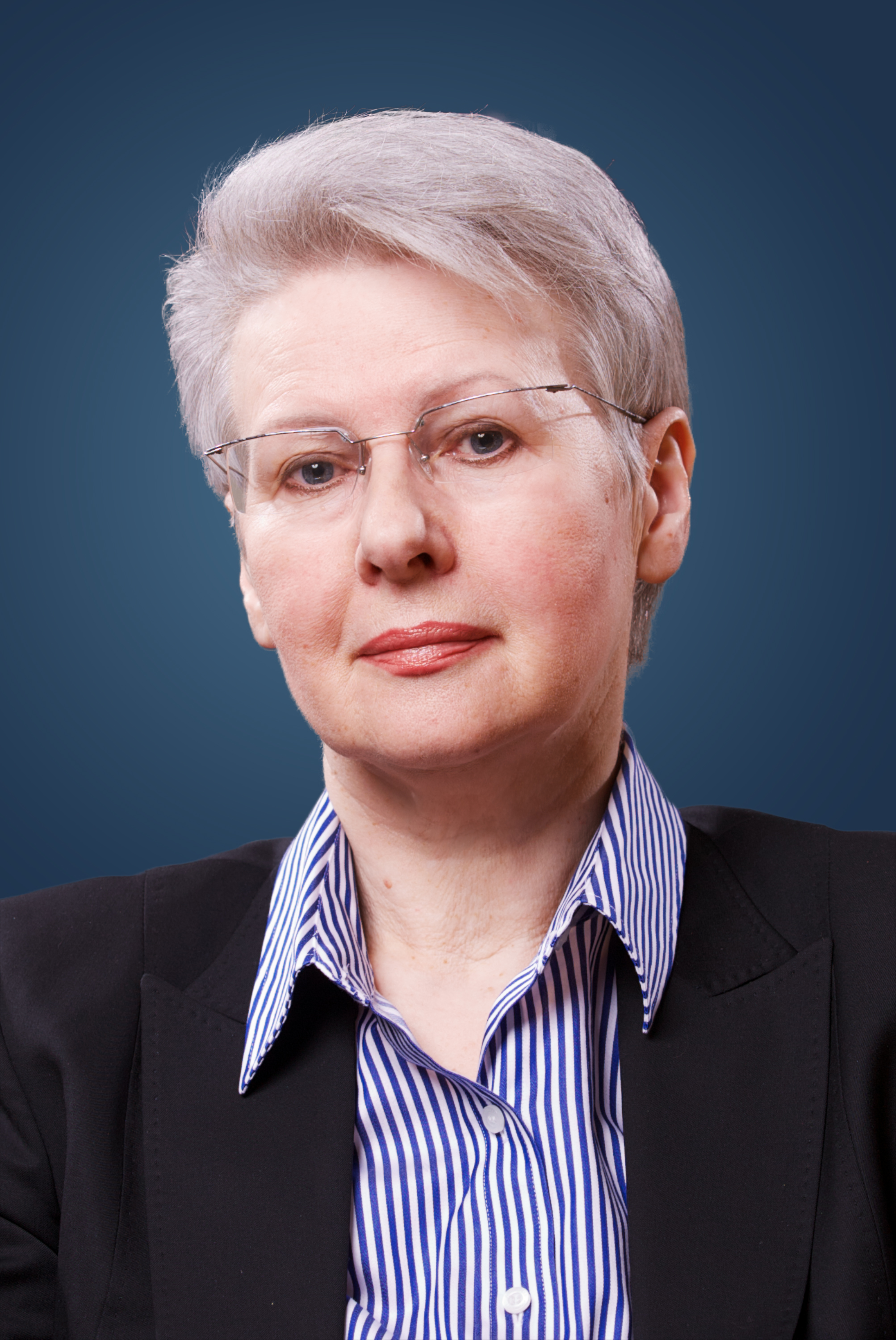
Former Senior Associate, Russian Domestic Politics and Political Institutions Program, Moscow Center
Shevtsova chaired the Russian Domestic Politics and Political Institutions Program at the Carnegie Moscow Center, dividing her time between Carnegie’s offices in Washington, DC, and Moscow. She had been with Carnegie since 1995.
Recent Work
Lilia Shevtsova
Lilia Shevtsova
Carnegie does not take institutional positions on public policy issues; the views represented herein are those of the author(s) and do not necessarily reflect the views of Carnegie, its staff, or its trustees.
Blurring the line between humans and animals is a long-standing tradition in social utopian prose. In his latest novel, Leonid Bershidsky reminds us that in social experiments, people are often treated no differently than animals.

Alexander Baunov
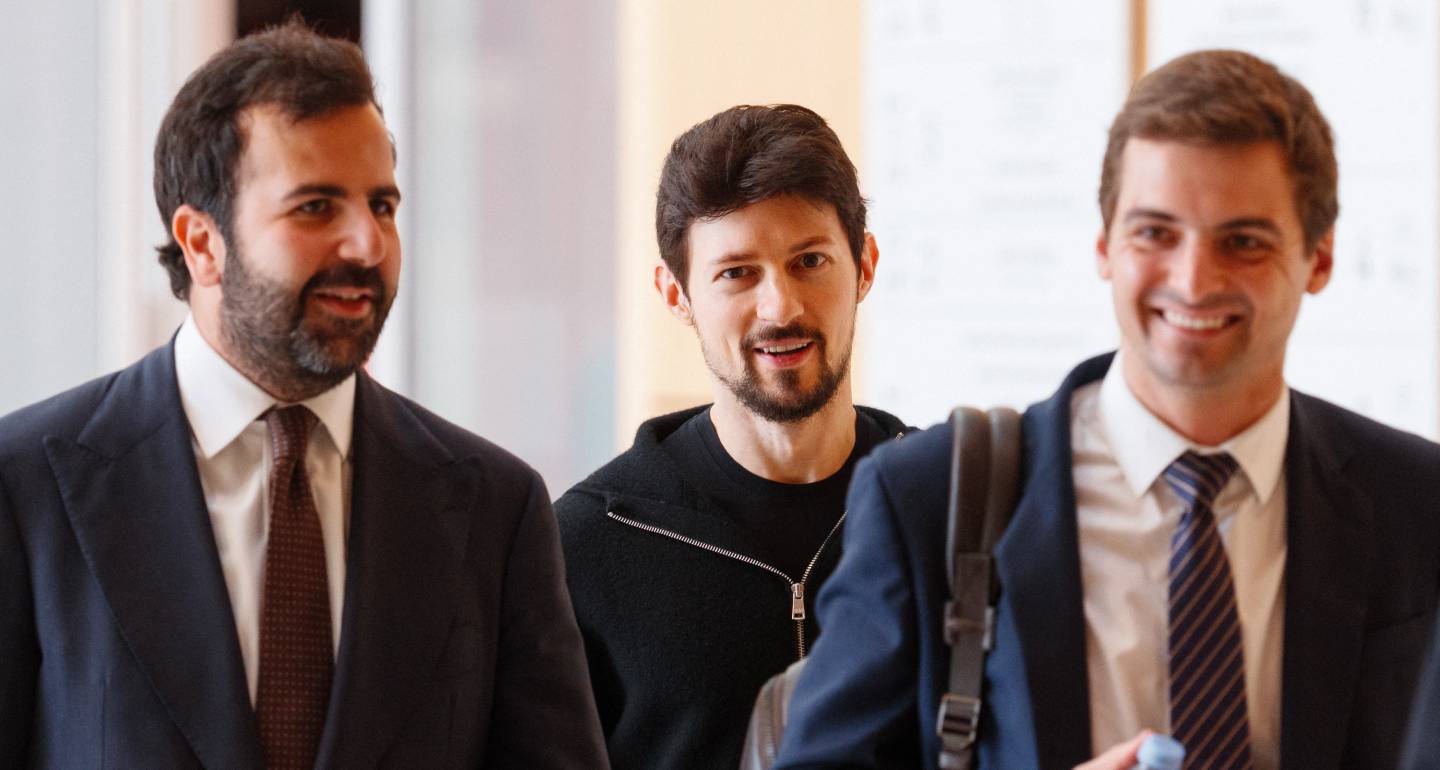
While France and Australia are seeking to establish the legal obligations of messaging apps like Telegram, Russia wants total subordination.

Maria Kolomychenko

The recent uncovering of Dmitry Donskoy’s relics in the Cathedral of the Archangel is yet another attempt by the Russian Orthodox Church to help the state solve its problems. However, parroting the state’s version of Russian history leaves the Church with no message except “patriotism.”
Alexander Zanemonets

With the growth in points of friction between the great powers, organizations like the SCO will continue to play a role in the strategic adaptation of the smaller powers caught between them.

Temur Umarov

The war in Ukraine and a change in ownership led VK to neglect its commercial ventures in favor of implementing the Kremlin’s online agenda. Now it’s been sanctioned by the EU.
Maria Kolomychenko