

Commentary
With the growth in points of friction between the great powers, organizations like the SCO will continue to play a role in the strategic adaptation of the smaller powers caught between them.
Temur Umarov
{
  "authors": [
    "Jessica Tuchman Mathews",
    "Douglas H. Paal"
  ],
  "type": "legacyinthemedia",
  "centerAffiliationAll": "dc",
  "centers": [
    "Carnegie Endowment for International Peace"
  ],
  "collections": [],
  "englishNewsletterAll": "asia",
  "nonEnglishNewsletterAll": "",
  "primaryCenter": "Carnegie Endowment for International Peace",
  "programAffiliation": "AP",
  "programs": [
    "Asia"
  ],
  "projects": [],
  "regions": [
    "North America",
    "United States",
    "East Asia",
    "China",
    "Taiwan"
  ],
  "topics": [
    "Foreign Policy"
  ]
}
Source: Getty
The Sino-American relationship is one of the issues that looms largest as President-elect Obama prepares to assume office in less than two weeks. To asses the developments in that relationship over the last eight years, CCTV sat down with Jessica Mathews, president of the Carnegie Endowment for International Peace, and Douglas Paal, Vice President for Studies.
Source: CCTV's Dialogue

Paal noted that although President Bush came to office as a strong Taiwan supporter, he came to be seen by many as a voice for Beijing because of deteriorating relations between the U.S. and Taiwan during Chen Shui-bian's term. Both Mathews and Paal highlighted Bush's China policy as an exception to his legacy as a unilateralist, noting that the Strategic Economic Dialogue (SED) has paved the way for sustained high-level exchanges and negotiations between the two countries. Mathews predicted that Obama would continue the SED. Paal added that the global financial crisis has illuminated the SED's strategic value, noting China's $586 stimulus package that was intended, at least in part, to mitigate the crisis' impact.
Mathews and Paal emphasized that although neoconservatives held sway over much of Bush's foreign policy approach, they did not have the upper hand as far as China policy was concerned: President Bush regarded China as a country to be engaged.

Distinguished Fellow
Mathews is a distinguished fellow at the Carnegie Endowment for International Peace. She served as Carnegie’s president for 18 years.
Distinguished Fellow, Asia Program
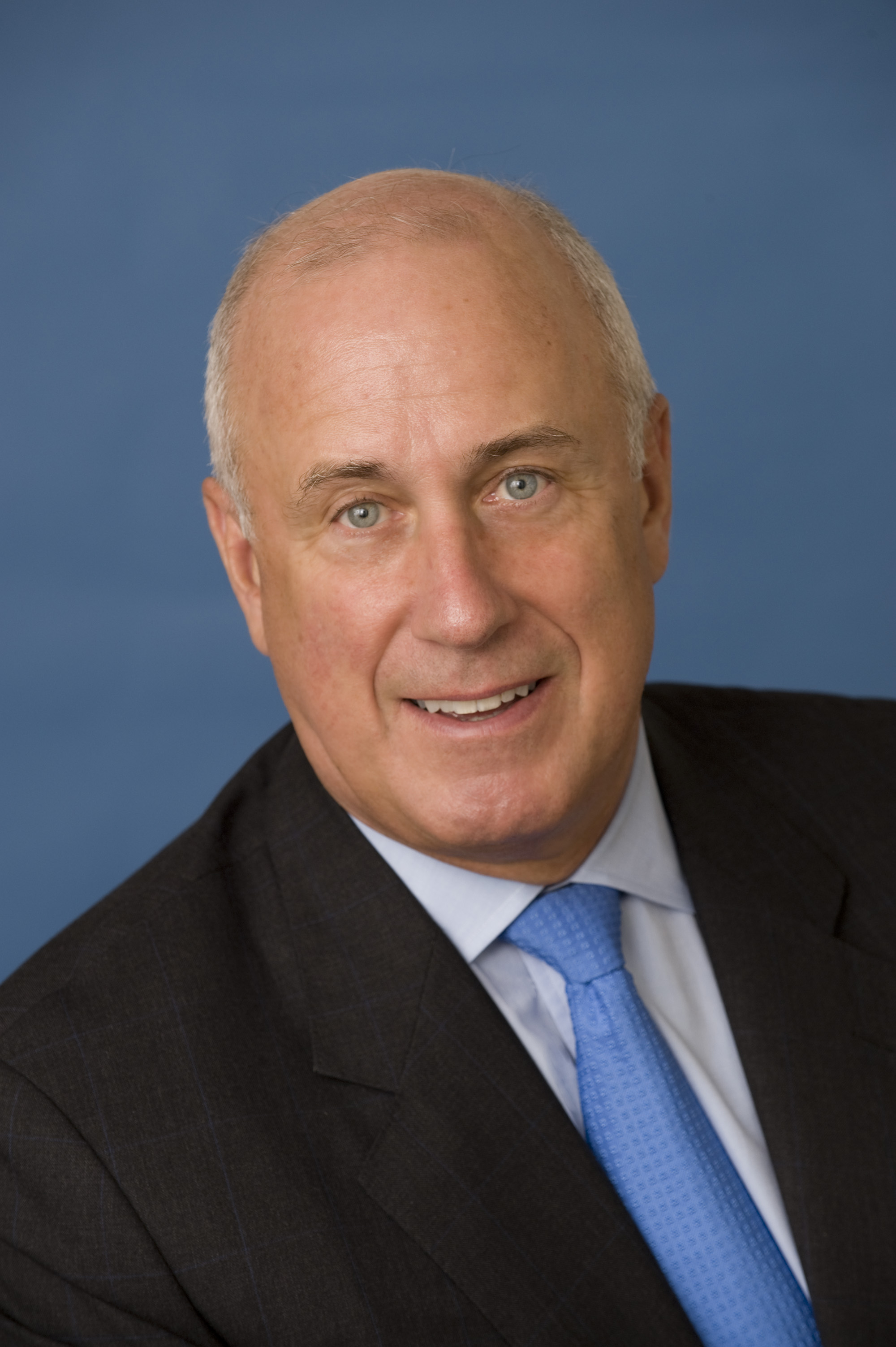
Paal previously served as vice chairman of JPMorgan Chase International and as unofficial U.S. representative to Taiwan as director of the American Institute in Taiwan.
Carnegie does not take institutional positions on public policy issues; the views represented herein are those of the author(s) and do not necessarily reflect the views of Carnegie, its staff, or its trustees.

With the growth in points of friction between the great powers, organizations like the SCO will continue to play a role in the strategic adaptation of the smaller powers caught between them.

Temur Umarov

When faced with fuel shortages in the past, Central Asian governments could always count on additional supplies from Moscow. That safety net no longer exists.

Galiya Ibragimova

Despite unhappiness on the ground, Moscow is determined to use both carrot and stick to ensure there is record support for United Russia in occupied Ukraine.

Konstantin Skorkin

The recent damage inflicted by Ukrainian drones and missiles on Russia has made Belarus aware of its own vulnerabilities—and surprisingly amenable to Kyiv’s demands.

Artyom Shraibman
Russia looks set to reap economic benefits from closer ties with Southeast Asian countries that are keen to find reliable energy suppliers and diversify trade ties.

Alexander Gabuev