

In The Media
John Judis
{
  "authors": [
    "John Judis"
  ],
  "type": "legacyinthemedia",
  "centerAffiliationAll": "",
  "centers": [
    "Carnegie Endowment for International Peace"
  ],
  "collections": [],
  "englishNewsletterAll": "",
  "nonEnglishNewsletterAll": "",
  "primaryCenter": "Carnegie Endowment for International Peace",
  "programAffiliation": "",
  "programs": [],
  "projects": [],
  "regions": [
    "North America",
    "United States"
  ],
  "topics": [
    "Security",
    "Military",
    "Foreign Policy"
  ]
}
Source: Getty
Despite his campaign promises, Obama’s initial foreign policy might not differ dramatically from Bush’s policies of the last two years. After failures during his first six years in office, Bush has struck a more diplomatic tone in recent years. Obama, who has tapped several Bush administration veterans for his own national security team, is likely to continue on this increasingly diplomatic path.
Source: The New Republic

Obama appears likely to continue on this path of gradually increasing diplomacy, particularly in light of the fact that he has tapped Bush veterans Robert Gates and James Jones for his national security team. While these appointments do indeed represent some departure from Obama’s campaign rhetoric, they will bring important continuity to U.S. foreign policy, which will turn out to be good for the country as a whole.
Click here to watch the full interview on The New Republic's TNRtv.

Former Visiting Scholar
As a visiting scholar at Carnegie, Judis wrote The Folly of Empire: What George W. Bush Could Learn from Theodore Roosevelt and Woodrow Wilson.
Recent Work
John Judis
John Judis
Carnegie does not take institutional positions on public policy issues; the views represented herein are those of the author(s) and do not necessarily reflect the views of Carnegie, its staff, or its trustees.
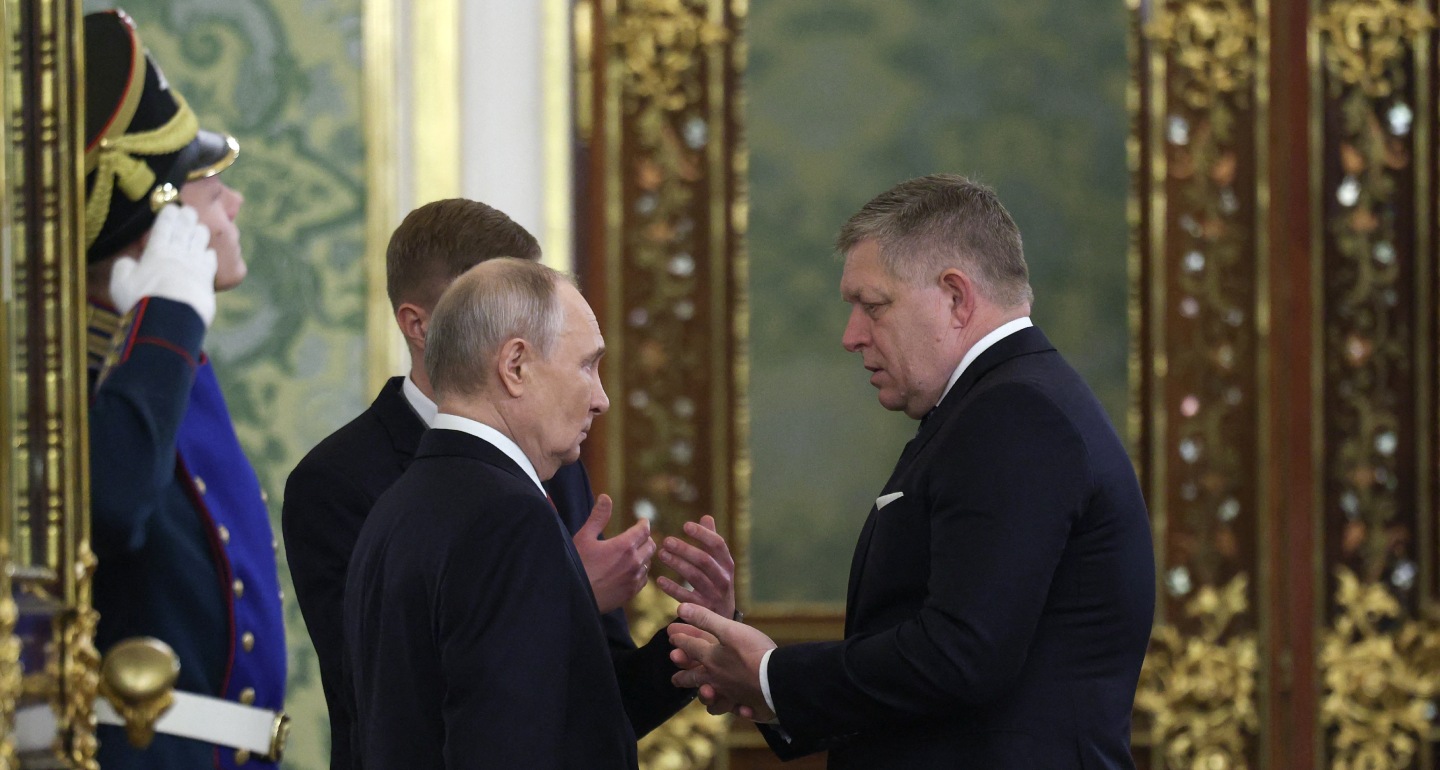
Though Orban is gone, Putin can still count on some like-minded individuals in Central and Eastern Europe. However, they will seek to avoid open confrontation with EU institutions over Ukraine and their ties with Moscow.

Dimitar Bechev

The truth is that Japan’s government is seeking a degree of reengagement but at a vastly reduced level than under Abe. Most significantly, Japan has shown no willingness to ease sanctions.

James D.J. Brown

Azerbaijan’s relations with the EU appear to be going from strength to strength after several years in the deep freeze following the military escalation in Karabakh in 2023 and Azerbaijan’s bitter fallout with France and several other EU member states.

Shujaat Ahmadzada

The cost of air defense has become an unregistered tax on revenue for businesses. While military rents are consolidated in the federal budget, the costs of defense are being spread across the balance sheets of companies and regional governments.

Alexandra Prokopenko
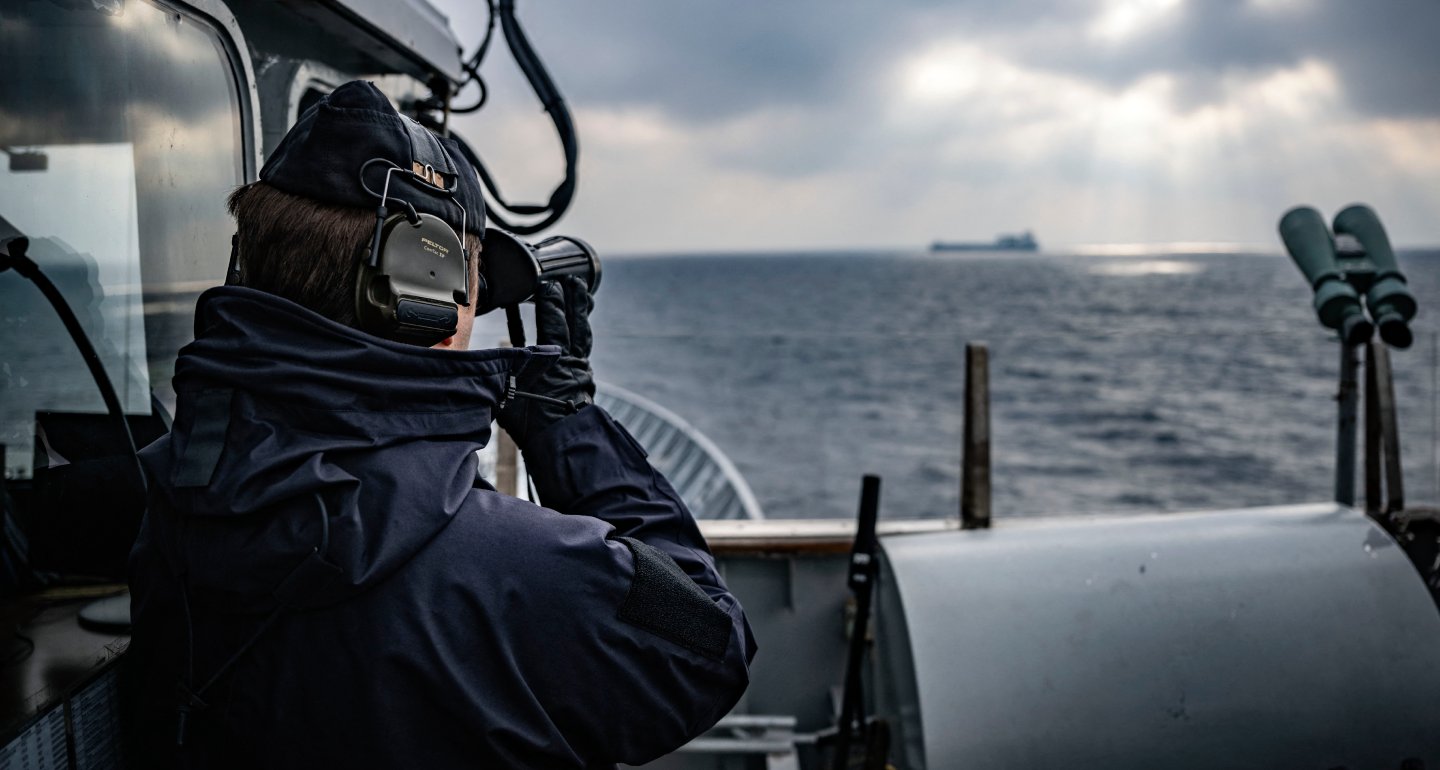
Governments in Estonia, Latvia, and Lithuania want to ensure that a U.S. military withdrawal would not leave them dangerously exposed to a Russian attack.

Sergejs Potapkins